


Table of Contents
Water damage restoration Montgomery County, PA involves five urgent phases: emergency water extraction, structural drying, mold prevention, deep sanitization, and full reconstruction. Time is the most decisive factor in determining how much damage you will ultimately face and what your restoration will cost. Montgomery County’s mix of aging housing stock, clay-heavy soils, seasonal storm surges, and proximity to creeks like Wissahickon, Pennypack, and Skippack make it one of the most water-damage-vulnerable areas in southeastern Pennsylvania. PuroClean of Lansdale provides 24/7 certified emergency response to homeowners and businesses throughout the county, including Horsham, Willow Grove, Lansdale, North Wales, Abington, Skippack, and two dozen more communities. Their number is (267) 834-5900, and they answer every hour of every day.
The Water Is Already Doing Damage You Cannot See
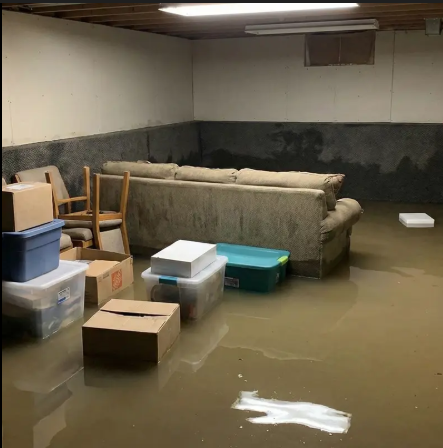
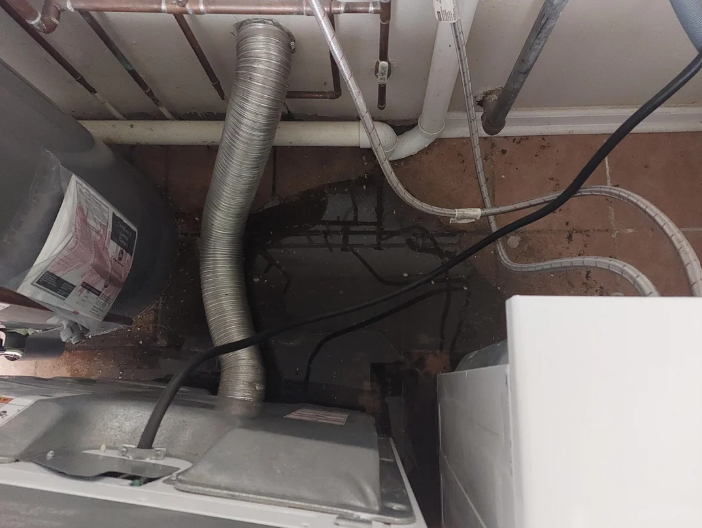
Picture this: it is a Tuesday morning in late October. A nor’easter rolled through Montgomery County overnight, dropping four inches of rain in just under six hours. You come downstairs and notice a faint damp smell near the utility room. You press your hand against the lower section of the drywall next to the water heater and feel the paper-thin give of saturated material. The floor looks fine. Nothing is pooled. Nothing is dripping. But something is very wrong.
This is how most water damage stories in Montgomery County actually begin; not with a dramatic gush or a burst pipe spraying across the kitchen ceiling, but with a slow, quiet infiltration that hides behind walls, beneath subfloors, and inside the insulation you cannot see. By the time the smell gets strong enough to notice, or the wall starts to bubble, or the floor begins to feel spongy underfoot, the damage has already been spreading for days, sometimes weeks.
Understanding water damage restoration in Montgomery County is not just useful knowledge; it is protective knowledge. It is the difference between a $3,000 remediation and a $35,000 reconstruction. This guide is written by professionals who have walked through hundreds of water-damaged homes across this county, from the 1940s split-levels in Willow Grove to the newer construction in Montgomeryville, and we are going to tell you what we actually see in the field; not just what looks good on a brochure.
Why Montgomery County Homes Are Built for Water to Win
Montgomery County is the third-largest county in Pennsylvania by population, home to roughly 850,000 residents spread across 487 square miles of suburbs, small boroughs, and semi-rural townships. It is also a county with a structural water problem; and understanding why requires knowing a bit about the land itself.
Much of the county sits on a geology of schist and gneiss bedrock overlaid with dense, clay-rich glacial soils. Clay does not drain. When it rains hard in Montgomery County; and between nor’easters, summer thunderstorms, and late-season tropical remnants, it rains hard frequently; that water has nowhere to go quickly. It pools against foundation walls. It backs up through storm drains. It saturates the ground around crawl spaces until hydrostatic pressure pushes it through the smallest crack.
Then there is the housing stock. A significant portion of homes across Abington, Horsham, Roslyn, Glenside, and Jenkintown were built between 1940 and 1975. Those homes have galvanized steel supply lines that are well past their engineering lifespan. They have terra cotta sewer laterals that crack and root-invade. They have basement windows that sit at grade level, which means any significant rainfall event becomes a direct threat. They were built when waterproofing standards were minimal and “good enough for the era” has aged into “not good enough anymore.”
The result: 1 in 55 homes in the United States suffers some form of water damage every year. In counties with Montgomery County’s combination of age, geology, and weather patterns, that number trends higher. PuroClean of Lansdale has documented water damage events from every one of the 23 communities it serves in the county, from basements in Skippack flooded by rising ground water to kitchen ceiling collapses in Lansdale from second-floor bathroom leaks that had been silently dripping for a month. You can read more about what water damage looks like in different communities in our posts on water damage restoration in Willow Grove, water damage restoration in Montgomeryville, and water damage restoration in Skippack.
The 3 Categories of Water Damage and Why the Difference Matters
Not all water damage is the same, and the type of water that entered your home determines how aggressively the restoration team needs to respond. The IICRC (Institute of Inspection, Cleaning and Restoration Certification) defines three categories, and every certified restoration professional works within this framework.
Category 1: Clean Water
This is water from a sanitary source; a broken supply line, an overflowing sink with no contaminants, a malfunctioning appliance. It is the least dangerous category at the point of intrusion, but the word “clean” can be misleading. Category 1 water left to sit for more than 24 hours in a warm, enclosed space begins to degrade into Category 2. What starts as a manageable extraction job becomes a sanitization challenge if you wait.
Category 2: Gray Water
Gray water comes from sources that carry biological or chemical contaminants; dishwasher overflow, washing machine discharge, toilet bowl overflow without solid waste. This water is not safe to touch without protective gear, and it absolutely cannot be left to dry on its own. Any porous material it contacts; carpet, drywall, wood framing; needs professional assessment and, in many cases, removal.
Category 3: Black Water
This is the category that demands immediate professional response with no exceptions. Sewage backups, flooding from rivers or streams, and any standing water that has sat long enough to develop bacterial colonies all qualify as black water. In Montgomery County’s older neighborhoods, combined sewer systems can back up into basements during heavy rain events, introducing raw sewage into living spaces. This requires full hazmat-level remediation, specialized containment, and complete replacement of all affected porous materials.
Understanding which category applies to your situation helps you understand why the restoration timeline and cost look the way they do. For a deeper breakdown of what each category involves from an equipment and protocol standpoint, see our post on emergency water damage restoration.
7 Critical Facts About the Water Damage Restoration Process
Most homeowners have never been through a serious water damage event before. They do not know what to expect, and that uncertainty costs them; in poor decisions, in delays, and sometimes in insurance settlements that do not reflect the actual scope of their loss. Here is what the process actually looks like when it is done properly.
Fact 1: The First Hour Is the Most Important Hour of the Entire Job
The moment water enters a structure, a clock starts. Drywall begins absorbing moisture within minutes. Wood swells within hours. Mold can begin colonizing within 24 to 48 hours under typical indoor conditions. The restoration companies that provide the best outcomes are the ones that respond the fastest; not just because of marketing, but because the science of water migration makes every hour consequential. PuroClean of Lansdale operates 24 hours a day, 7 days a week, 365 days a year, including holidays. When you call (267) 834-5900 at 3 a.m. on a Sunday, a live person answers and technicians are dispatched.
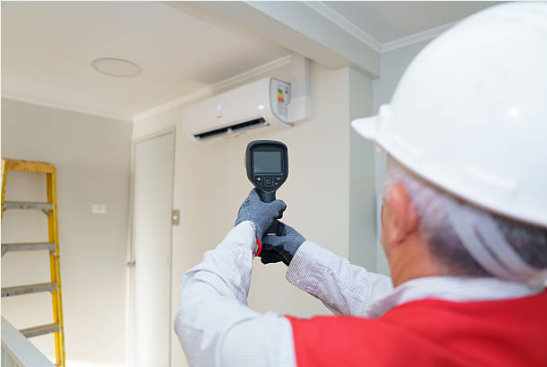
Fact 2: Thermal Imaging Finds the Water You Cannot See
One of the most important tools in any professional restoration assessment is the infrared thermal imaging camera. Because temperature changes where moisture is present, a thermal camera can identify pockets of wet insulation behind intact drywall, moisture beneath a floor that looks perfectly dry to the eye, and water migration pathways that a visual inspection would completely miss. Skipping this step; which some less thorough contractors do to save time; means leaving hidden moisture in place, setting up a mold problem that will appear weeks later.
Fact 3: Extraction and Drying Are Two Completely Different Phases
Many homeowners assume that once the visible water is pumped out, the hard part is done. It is not. Extraction removes standing water. Structural drying removes the moisture that has been absorbed into the building materials themselves. That second phase requires commercial-grade air movers and refrigerant dehumidifiers positioned according to a psychrometric drying plan; a scientific approach to managing airflow, temperature, and humidity to achieve full structural dryness. It takes days, not hours, and it requires daily moisture readings to confirm progress.
Fact 4: Carpet and Padding Are Almost Never Salvageable After Category 2 or 3 Events
This surprises a lot of homeowners, who assume a thorough cleaning will restore their flooring. The reality is that carpet backing and foam padding are highly porous materials that trap contaminated water at a cellular level. Even with aggressive extraction, the contamination remains, and standard cleaning will not eliminate the health risk. Category 1 events may allow carpet to be dried in place if action is taken within hours; but anything involving gray or black water typically requires full removal.
Fact 5: Antimicrobial Treatment Is Not Optional
During the drying phase, all affected surfaces receive an EPA-registered antimicrobial treatment to prevent mold colonization. In Montgomery County’s humid summers, mold can establish visible colonies within 48 hours on wet drywall. The treatment is applied to walls, subfloors, framing, and any other surface that was contacted by moisture. This step is what separates a remediation that holds long-term from one that looks fine at first but produces a mold problem three months later.
Fact 6: The Reconstruction Phase Is as Important as the Remediation Phase
Many restoration companies specialize in mitigation; extraction, drying, and remediation; and then hand off the rebuild to a separate contractor. That handoff creates delays, miscommunication, and gaps in accountability. PuroClean of Lansdale handles the full scope of work from the initial emergency call through complete reconstruction: new drywall, flooring, painting, cabinetry; whatever your home requires to get back to its pre-loss condition. Having one certified team manage both phases means the rebuild is done with full knowledge of what happened during remediation. For more on the reconstruction side of restoration, see our guide on water damage restoration in Schwenksville.
Fact 7: Everything Is Documented, and That Documentation Protects You
From the first thermal scan to the final moisture reading on the day equipment is removed, every step of the PuroClean process is documented in photographs, written moisture logs, and detailed scope-of-work reports. This is not paperwork for its own sake; it is the evidence that supports your insurance claim and protects you if any dispute arises about the extent of the damage or the scope of the work performed.
The Mold Clock: What Happens Inside Your Walls When You Wait
This is the section most homeowners wish they had read before they decided to wait a few days before calling. Here is the timeline of what actually happens inside the walls and beneath the floors of a water-damaged Montgomery County home.
Within the first four hours, water migrates from the point of intrusion into adjacent materials. Drywall, being about 50% gypsum and 50% paper, absorbs moisture like a sponge. Insulation between wall cavities becomes saturated. If the water source was a supply line or overflow event, the moisture may already be in two or three adjacent rooms before it becomes visible on any surface.
Between four and twenty-four hours, the wet environment begins to destabilize. Wood subfloors swell and the glue joints between engineered wood planks begin to fail. Drywall paper starts to develop the microscopic surface conditions that allow mold spores (which are naturally present in all indoor air) to attach and begin germinating. If the temperature is above 60 degrees Fahrenheit and relative humidity is above 60%; both conditions typical in a Montgomery County home during most of the year; you are within the mold growth window.
At 48 to 72 hours without professional intervention, visible mold colonies can appear on drywall surfaces. The framing behind those walls may already be compromised. Subfloor systems in multi-story homes can begin to show structural weakness. Electrical systems in contact with moisture become a genuine safety hazard.After one week, what might have been a $4,000 to $8,000 remediation project has, in many documented cases, become a project costing $25,000 or more. This is not a scare tactic; it is a pattern PuroClean’s teams see in properties where homeowners waited, where insurance adjusters took too long to dispatch, or where a less experienced contractor dried the surfaces without addressing what was behind them. If you are currently in this situation, read our post on emergency water damage mitigation, and then call (267) 834-5900.
"The single most common thing we hear from homeowners is that they wished they had called sooner. In fifteen years of doing this work, I have never once seen a situation where waiting made it better or cheaper. Not once."- PuroClean of Lansdale Technician
Navigating Your Water Damage Restoration Insurance Claim
Insurance claims are where a lot of homeowners feel the most overwhelmed; and understandably so. You are dealing with a damaged home, displaced routines, and the stress of coordinating contractors while simultaneously trying to understand a policy document you may not have looked at since you signed it.
Here is what you need to know about how homeowner’s insurance actually handles water damage restoration events in Pennsylvania.
What Is Typically Covered
Standard homeowner’s policies in Pennsylvania cover sudden and accidental water damage; meaning damage from an event that happened unexpectedly and was not the result of deferred maintenance. A burst pipe at 2 a.m., a washing machine supply hose that failed, a water heater that ruptured; these events are generally covered. The key word is “sudden.” If an adjuster can document that the leak was gradual and long-standing, coverage can be denied.
What Is Typically Not Covered
Standard policies do not cover flooding from external sources; rising water from storms, overland flooding, or stream overflow. That requires a separate flood insurance policy, most commonly through FEMA’s National Flood Insurance Program (NFIP). Many Montgomery County homeowners in areas near Wissahickon Creek, Pennypack Creek, or Skippack Creek are in flood zones and should have this coverage; not all do.
Policies also exclude damage resulting from “neglect”; meaning if a small leak was visible and ignored for months and eventually caused significant damage, coverage can be challenged. Deferred maintenance on aging plumbing is a gray area that adjusters scrutinize.
How PuroClean Helps You Through the Claims Process
PuroClean of Lansdale’s Certified Priority Response (CPR) Program was built specifically to work within the insurance process; not around it. CPR involves pre-approved scope protocols, standardized documentation formats, and established working relationships with major insurance carriers including Nationwide, Encompass, Crawford Contractor Connection, Alacrity Services, Nexxus, and Vericlaim Repair Solutions. When your restoration company and your insurance company speak the same language and operate from the same documentation standards, claims move faster, disputes are rarer, and homeowners receive better settlements.
For specific examples of how this plays out in practice, see our posts on insurance claim restoration in Blue Bell and insurance claim restoration in Ambler.

What Separates a Real Restoration Company from a Shortcut
After a significant water event, Montgomery County homeowners are often contacted by multiple contractors; some legitimate, some opportunistic. Storms in particular bring door-to-door solicitation from out-of-state companies that set up temporary operations after a disaster event and disappear shortly after.
A legitimate, certified water damage restoration service provider will always provide written documentation of every step of the process. They will use professional moisture meters and thermal imaging to assess the scope before any work begins. They will not begin reconstruction until they can demonstrate with moisture readings that structural materials have reached acceptable dryness levels. They will work directly with your insurance company and provide documentation your adjuster can use to process the claim. They will not demand full payment upfront.
PuroClean of Lansdale is locally owned, permanently staffed, and has served Montgomery County from its base at 2033 Lucon Rd, Bldg. Rear, Schwenksville, PA 19473 with a consistent, IICRC-certified team. You can verify the company’s reputation, read reviews, and get directions through Google Maps. You can also follow their day-to-day work and community engagement on Facebook, Instagram, LinkedIn, and X (Twitter).
The Communities PuroClean Serves Across Montgomery County
PuroClean of Lansdale does not serve Montgomery County in a theoretical, website-only sense. They have active restoration jobs in these communities regularly and understand the specific water risks, building types, and infrastructure challenges of each area.
Communities currently served include: Abington, Ambler, Blue Bell, Center Square, Fort Washington, Harleysville, Horsham, Kulpsville, Lansdale, Maple Glen, Montgomeryville, North Wales, Prospectville, Roslyn, Schwenksville, Skippack, Spring House, Spring Mount, Woxall, and Willow Grove.
PuroClean also provides specialized services including basement flooding cleanup (see our basement flooding guide), mold remediation, fire and storm damage restoration, commercial mold remediation, environmental hazard remediation, and full reconstruction services; all under one roof.
Conclusion
Water damage restoration in Montgomery County is not a one-size-fits-all job. Every home in this county has its own vulnerabilities; its own age, its own plumbing, its own proximity to storm drains and waterways. What makes the difference between a homeowner who recovers quickly and one who is still dealing with mold problems six months later is almost always the same thing: how fast they called a certified professional and how thoroughly that professional did the job.
PuroClean of Lansdale has built its reputation on doing this work the right way. Not the fast-and-superficial way. Not the “dry the surfaces and hope for the best” way. The documented, scientifically rigorous, IICRC-certified way that leaves homes actually safe to live in.
If you are currently dealing with water damage anywhere in Montgomery County, call (267) 834-5900 right now. Or request emergency service online. You can also read about 10 proven ways to prevent water damage before the next storm season arrives.
Are you confident that your current homeowner’s insurance policy actually covers the type of water damage that is most likely to happen in your specific neighborhood in Montgomery County? If you are not sure; and most homeowners are not; that is worth a conversation with your agent before you ever need to file a claim.