


Table of Contents
Fine, black particles known as soot accumulate where a fire has blazed. Any combustion source can yield soot. When organic, carbon-filled materials burn, some of it burns incompletely. The result of the incomplete burning of such materials, like wood, plastic, coal, and oils, is soot.
Soot contains innumerable toxic chemical compounds, like arsenic, chromium, and cadmium. The black and brownish powder is also composed of various elements, including sulfur dioxide, methane, formaldehyde, and carbon monoxide.
Tinier than sand granules, soot particles are also, in comparison, just one-third of the diameter of a single human hair. Even dust particles are larger that soot particles. Given the extremely minute size of soot particles, dangers lurk, especially when humans are exposed to soot.
Soot often goes unnoticed until it becomes a significant problem. Whether it’s the black streaks left after a house fire, smudges near a fireplace, or discoloration caused by candles, soot is more than just an aesthetic nuisance. It poses real risks to health, property, and safety. In this comprehensive guide, we’ll explore what soot is, how it forms, its dangers, and how to address it effectively.
What Is Soot?
Soot, also known as black soot, is a fine, powdery residue composed of tiny carbon particles. It forms during incomplete combustion, which happens when there isn’t enough oxygen to burn a material entirely. These particles are extremely small, often less than 2.5 micrometers in diameter, allowing them to travel through the air and settle on surfaces.
Composition of Soot
Soot is a mix of several harmful elements:
- Acids: Corrosive chemicals that can damage property.
- Chemicals: Toxic compounds formed during combustion.
- Metals: Trace elements from burned materials.
- Soil and Dust: Carried along with soot particles.
Key Fact:
According to the Environmental Protection Agency (EPA), particulate matter like soot is one of the leading causes of air pollution, impacting both indoor and outdoor environments.
Common Causes of Soot
Soot can originate from various sources, ranging from everyday household activities to large-scale industrial processes. Here are some of the most common causes:
1. Household Sources
- Candles: Burning low-quality candles produces excess soot, especially when the wick is too long.
- Fireplaces: Poorly vented fireplaces allow soot to build up on nearby walls and surfaces.
- Cooking Appliances: Stoves and ovens can emit soot if not properly maintained.
2. Fires
A house fire is one of the most significant contributors to soot. After the flames are extinguished, soot often coats walls, ceilings, furniture, and other surfaces, leaving behind a difficult-to-clean residue.
3. Industrial Sources
Commercially, soot is produced from burning fossil fuels like coal and oil. This contributes significantly to outdoor air pollution and can affect indoor environments near industrial areas.
Example: Black streaks near a fireplace or smudges on walls from burning candles are everyday examples of soot buildup.

Dangers of Soot Exposure
While soot may seem harmless, its microscopic size makes it highly dangerous. The particles can easily be inhaled, ingested, or absorbed through the skin, leading to health problems.
Health Risks
- Respiratory Issues: Soot can irritate the respiratory system, causing coughing, asthma, and difficulty breathing.
- Cardiovascular Problems: Long-term exposure increases the risk of heart attacks and strokes.
- Skin Irritation: Direct contact can cause rashes and allergic reactions.
Statistics:
- According to the World Health Organization (WHO), exposure to fine particulate matter, including soot, contributes to over 4.2 million premature deaths annually worldwide.
Table: Health Symptoms of Soot Exposure
| Health Symptom | Cause | At-Risk Groups |
|---|---|---|
| Respiratory Irritation | Inhalation of fine particles | Asthma patients, elderly, children |
| Skin Allergies | Direct contact with toxic chemicals | Sensitive skin individuals |
| Headaches and Nausea | Inhalation of chemical compounds | All exposed individuals |
| Cardiovascular Stress | Long-term exposure to particulate matter | Heart patients, seniors |
People Also Read – Breathe Easy, Cost & Tips to Professional Smoke Removal Service
How Soot Affects Property
Beyond its health implications, soot also wreaks havoc on homes and belongings. Its acidic properties corrode materials over time, while its fine particles embed into porous surfaces, making cleaning difficult.
Effects on Surfaces
- Walls and Ceilings: Discoloration and staining.
- Furniture and Upholstery: Soot particles cling to fabrics and are hard to remove.
- Electronics: Tiny particles infiltrate devices, causing malfunctions.
Graph: Soot Damage Over Time
The graph below illustrates how soot causes cumulative damage to surfaces over time if not promptly addressed.
How to Safely Remove Soot
DIY Methods
For small-scale soot removal, such as smudges caused by candles:
- Protect Yourself: Wear gloves, a mask, and old clothing.
- Vacuum Loose Particles: Use a HEPA vacuum to avoid spreading particles.
- Clean with TSP: Mix trisodium phosphate (TSP) with water to wipe affected areas. If unavailable, use a degreaser.
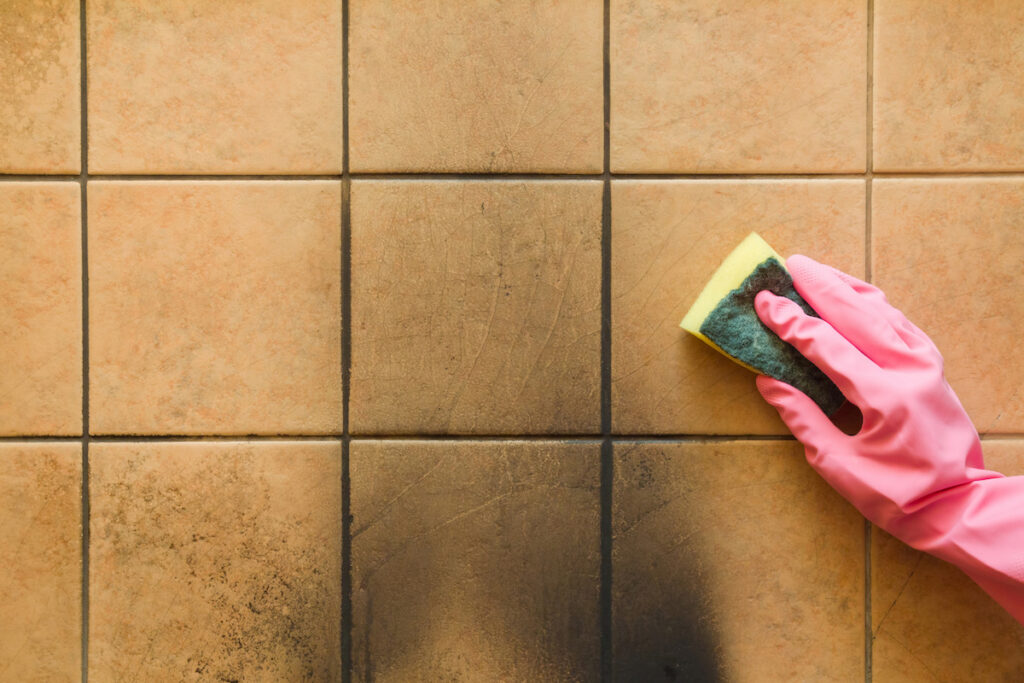
- Specialty Sponges: Use chemical or dry-cleaning sponges to lift soot without spreading it.
Professional Cleaning
For large-scale soot damage, professional remediation is essential. Attempting to clean extensive soot yourself can spread particles to unaffected areas, worsening the problem.
Steps in Professional Soot Removal
- Inspection and Assessment:
Specialists use tools like moisture meters and air quality monitors to evaluate the extent of the damage. - Containment:
Poly containment zones prevent soot particles from spreading. - Advanced Cleaning Techniques:
- HEPA vacuums for particle removal.
- Antimicrobial treatments to sanitize surfaces.
- Air scrubbers to purify the air.
- Restoration:
Final repairs and restoration ensure your home is returned to its pre-loss condition.
Preventing Soot Buildup
While soot can’t always be avoided, taking proactive steps can minimize its occurrence.
Prevention Tips
- Use high-quality candles with trimmed wicks.
- Ensure fireplaces and chimneys are cleaned regularly.
- Maintain cooking appliances to prevent combustion issues.
- Install air purifiers to reduce indoor particle levels.
Table: Prevention Methods and Their Benefits
| Method | Benefit |
|---|---|
| Regular Fireplace Cleaning | Reduces soot buildup near chimneys |
| Trimming Candle Wicks | Minimizes excess soot from candles |
| Appliance Maintenance | Prevents combustion-related soot indoors |
| Air Purifiers | Removes airborne particles, improving air quality |
Why Professional Help Is Essential
Soot removal is a delicate process that requires expertise. Here’s why professionals are the right choice for large-scale cleanup:
- Specialized Equipment: Professionals use commercial-grade air scrubbers and deodorizers.
- Safe Handling: Trained technicians follow protocols to prevent cross-contamination.
- Comprehensive Service: From assessment to final restoration, professionals ensure no detail is overlooked.
Case Study: Successful Soot Removal
In a recent project, a family experienced significant soot damage after a kitchen fire. Professional restoration included:
If your home has been affected by soot, trust the experts to handle it safely and effectively. Contact our professional soot remediation team today for a consultation and take the first step toward restoring your home and health.
Soot is more than a cosmetic issue—it’s a serious health and property concern that requires immediate attention. Understanding what soot is, how it forms, and the risks it poses can help homeowners take the right steps to address and prevent it.
What Should I Keep In Mind When Removing Soot?
Smoke and soot are the two
List of Effects Caused by Soot
Soot, a byproduct of incomplete combustion, is a fine, black particulate matter that can have severe implications for health, environment, and property. Here are the key effects caused by soot:
1. Respiratory Problems
Soot particles are tiny enough to be inhaled deeply into the lungs, leading to various respiratory issues.
- Asthma and Bronchitis: Soot can exacerbate asthma and bronchitis, causing increased frequency and severity of attacks.
- Chronic Obstructive Pulmonary Disease (COPD): Long-term exposure to soot can contribute to the development of COPD, a chronic lung condition that obstructs airflow and makes breathing difficult.
- Lung Infections: Soot can irritate the respiratory tract, making it more susceptible to infections like pneumonia.
2. Cancer
Soot contains a variety of harmful chemicals, including polycyclic aromatic hydrocarbons (PAHs), which are known carcinogens.
- Lung Cancer: Inhalation of soot particles can increase the risk of lung cancer due to the carcinogenic compounds it carries.
- Other Cancers: Prolonged exposure to soot can also increase the risk of other cancers, such as skin and bladder cancer, due to its toxic components.
3. Premature Deaths
The health impacts of soot extend beyond chronic diseases and can lead to premature deaths.
- Cardiovascular Disease: Soot exposure is linked to an increased risk of heart attacks and strokes, contributing to premature mortality.
- Respiratory Failure: Severe respiratory conditions caused by soot, such as chronic bronchitis and emphysema, can lead to premature death.
4. Decreased Air Quality
Soot significantly contributes to air pollution, affecting both indoor and outdoor air quality.
- Smog Formation: Soot particles can combine with other pollutants to form smog, which reduces visibility and harms health.
- Indoor Air Pollution: Soot from indoor sources like fireplaces, stoves, and candles can degrade indoor air quality, posing health risks to occupants.
5. Property Damage

Soot can cause extensive damage to property, impacting surfaces, structures, and contents.
- Staining and Corrosion: Soot particles can stain walls, ceilings, and furniture, and its acidic nature can corrode metals and other materials.
- Odor: Soot often leaves a persistent, unpleasant odor that can be difficult to remove without professional cleaning.
- Structural Integrity: Prolonged exposure to soot can weaken structural components, such as wood and metal, leading to costly repairs.
6. High Cost of Cleanup
The cleanup of soot is a complex and expensive process.
- Professional Services: Effective soot cleanup often requires professional services, which can be costly due to the need for specialized equipment and expertise.
- Extended Time: Cleaning soot thoroughly takes time, adding to labor costs and potentially leading to temporary relocation costs for homeowners.
- Restoration: Beyond cleaning, restoring damaged items and surfaces can be expensive, especially for valuable or irreplaceable items.
main threats to be aware of during a house fire, so it’s important to learn to remove soot from your home as quickly as possible.
A home is constructed of many items that contain chemicals, such as plastics, foams, carpets, wood products, and synthetic fabrics. Soot derived from these materials leads to hazards that can make fire restoration challenging and sometimes dangerous. No matter the severity of the fire, soot particles can infiltrate a home through the heating, ventilation, and air conditioning (HVAC) system.
Always wear personal protective equipment (PPE) when cleaning soot, such as gloves, eyewear, and masks. Ensure that the area you are cleaning is well-ventilated by opening window
What to Do After Soot: A Comprehensive Guide
Experiencing soot damage can be overwhelming, whether it’s the result of a fire, a malfunctioning furnace, or even a candle left burning too long. Soot is not only unsightly but can also pose serious health risks. Acting quickly and efficiently is crucial to mitigate damage and protect your health. Here’s a step-by-step guide on what to do after soot exposure or damage.
1. Ensure Safety First
Before addressing the soot, prioritize safety for yourself and your family.
- Ventilate the Area: Open windows and doors to allow fresh air to circulate, reducing the concentration of airborne soot particles.
- Wear Protective Gear: Use masks, gloves, and long-sleeved clothing to minimize skin contact and inhalation of soot particles.
- Turn Off HVAC Systems: Prevent soot from spreading through your heating, ventilation, and air conditioning system by turning it off.
2. Assess the Damage
Take a thorough look at the extent of the soot damage.
- Document Everything: Take photos and make notes of affected areas for insurance purposes.
- Check All Areas: Soot can travel far from the original source, so inspect rooms, furniture, and personal items even if they seem unaffected.
3. Contact a Professional Restoration Service
For significant soot damage, it’s essential to call in professionals. PuroClean of Lansdale is a top choice for soot and fire damage restoration.
- Why PuroClean of Lansdale? With their prompt response and expertise, they offer comprehensive soot cleanup and restoration services, ensuring your home is safe and clean. Their trained technicians use advanced techniques and equipment to remove soot, neutralize odors, and restore your property.
4. Begin the Cleaning Process
While waiting for professionals, you can start some preliminary cleaning to minimize damage.
- Dry Cleaning Sponges: Use dry cleaning sponges to gently wipe off soot from walls and surfaces. Avoid using water initially, as it can smear soot and worsen the situation.
- Vacuuming: Use a vacuum with a HEPA filter to remove loose soot particles from surfaces. Hold the nozzle slightly above the soot to prevent smearing.
- Avoid DIY Chemical Cleaners: Many household cleaners can react with soot, causing more harm. Stick to professional advice or wait for the experts.
5. Handle Fabrics and Upholstery with Care
Soot can easily penetrate fabrics, making it challenging to remove.
- Professional Cleaning: For items like curtains, clothing, and upholstered furniture, consider professional cleaning services. Inform them of the soot damage to ensure proper treatment.
- Avoid Agitation: Do not shake or brush off soot-covered fabrics, as this can spread particles and embed them deeper.
6. Address Air Quality
Soot particles can linger in the air long after the initial incident.
- Air Purifiers: Use air purifiers with HEPA filters to help remove soot particles from the air.
- HVAC Cleaning: Once the immediate soot cleanup is done, have your HVAC system professionally cleaned to ensure it’s free of soot and safe to use again.
7. Prevent Future Soot Damage
Take steps to reduce the risk of future soot damage in your home.
- Regular Maintenance: Ensure regular maintenance of heating systems, chimneys, and appliances to prevent malfunctions that could cause soot.
- Fire Safety Measures: Install smoke detectors, keep fire extinguishers handy, and educate your family on fire safety protocols.
For Professional Fire Remediation Services, Contact PuroClean
For professional and immediate fire damage restoration or smoke remediation services following a house fire, do not hesitate to contact PuroClean. As “The Paramedics of Property Damage®,” we are the first responders to your commercial property emergency. We are available 24 hours a day, seven days a week. To schedule an appointment with your PuroClean office, please visit our website or call us at (267) 834-5900
Soot is one of the most challenging things to remove when dealing with fires. Not only is it unsightly, but it can also be dangerous to humans and animals when coming in contact with soot. In this article, we’ll answer some of the most commonly asked questions about soot so that you’ll know what to expect and look for in reducing soot exposure dangers.
What Is Soot From Fire?
The most common cause of soot is during and after a fire.
During a fire, soot is formed when carbon particles don’t burn thoroughly during the combustion process. Incomplete combustion requires the fuel to burn at a lower temperature with a slightly reduced oxygen supply.
When these particles settle on surfaces, they can cause discoloration and a noticeable smell. Soot can be difficult to remove because it is very fine and easily embeds in porous materials like wood and fabric.
Because of its fine consistency, soot can spread throughout your home, attaching to surfaces in every room. As a result, soot’s acidic properties can lead to further property damage and poor indoor air quality if it isn’t removed promptly.
People Also Read : How Much Does Water Damage Restoration Cost | PuroClean of Lansdale
Where Is Soot Found Outside of A Fire?
It might be surprising to learn that soot can be found in your home even if there wasn’t a fire. Be on the lookout for soot in the following areas:
- On your stovetop. Soot can build up on your stovetop if you use oil for cooking. Heating oil causes it to break down, producing soot.
- In your fireplace. Even if your fireplace hasn’t been used for a while, soot can still be present. Burning wood can form soot, which can remain in your fireplace from previous fires, especially when your fireplace isn’t cleaned after every use.
- On your walls. The chemical compounds in oil-based paints are known to attract soot.
- Burning candles. Candles made of paraffin wax produce soot when burned. A black ring around the edge of the candle indicates that soot is present.
- On light switches and outlets. Areas of electricity can attract soot.
- Furnaces. These are also sources of soot contamination when they produce a puff back.
What Are the Dangers of Soot Exposure?
Soot exposure dangers should be taken seriously because they can lead to potential health hazards. Soot particles are small enough to enter the body through inhalation, ingestion, or via the skin and eyes. The adverse effects of soot’s toxic particles can include the following symptoms:
- Asthma attacks
- Coughing
- Difficulty breathing
- Eye irritation
- Headaches
- Nosebleeds
- Sore throat
These symptoms can also lead to other long-term health issues. Since soot is a known carcinogen, it can increase your cancer risk. For those with compromised immune systems and health sensitivities, inhaling soot particles can damage your heart and lungs, worsening chronic respiratory conditions like asthma and emphysema. If soot is present in your home, removing it as soon as possible is imperative to avoid any health consequences.
Professional specialized techniques, like air scrubbing and thermal fogging, may also be needed to restore indoor air quality following a fire.
How Do I Remove Soot?
The first step to removing soot is to identify the source. Once you know where the soot is coming from, you can take the necessary steps to remove it. If the soot is on a non-porous surface, like metal or glass, you can use a damp cloth to wipe it away. For porous surfaces, like wood or fabric, you’ll need to use a cleaner specifically designed for removing soot.
When cleaning up soot particles, avoid using water-based cleaners. Water will just spread the soot around and make the problem worse. Instead, use a dry-cleaning solvent or an oil-based cleanser. You can also use a vacuum with a high-efficiency particulate air (HEPA) filter to remove soot from surfaces like carpets and upholstery.
Once you’ve removed the soot, you may need to take steps to prevent it from returning. It’s a good idea to clean your stovetop regularly and ensure your fireplace is well-cleaned. Another good tip: avoid using oil-based paint in your home.
Often, professional help is needed to remove soot from your home thoroughly. If the soot is widespread or you’re not comfortable cleaning it yourself, hire a reputable fire damage restoration company. These companies have the experience and equipment to remove soot quickly and safely.
Soot can be a complex problem that requires much effort to eliminate, so it’s important to begin the removal process as soon as possible. The preceding steps ensure your soot removal can be done quickly and safely.