


Table of Contents
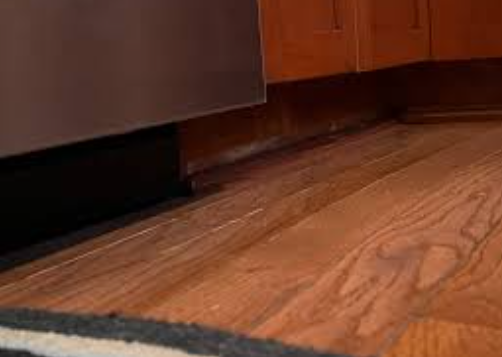
Dishwasher leak floor damage occurs when water escapes from a faulty door gasket, loose hose connection, cracked pump, or clogged drain and saturates the flooring, subfloor, and adjacent cabinetry over time. The most reliable warning signs are soft spots underfoot near the appliance, warped or buckled floorboards, a musty smell near the kitchen floor, white mineral staining, and swollen cabinet bases. If you notice any combination of these, stop the appliance immediately, document the visible damage thoroughly, and contact a certified water damage restoration team before mold colonizes the structure.
How Serious Is Dishwasher Leak Floor Damage Really?
Dishwasher leaks are one of the most commonly underestimated causes of serious home damage. They do not announce themselves loudly. There is no sudden burst pipe, no dramatic flood event, no obvious emergency to trigger your alarm.
Instead, it starts as a small, slow drip at the base of the appliance. Maybe you notice a faint soft spot when you step near the dishwasher. Maybe there is a slightly musty smell near the floor that you cannot quite locate. You assume it is nothing and move on with your week.
Then one day you step near the dishwasher and the floor gives beneath your foot in a way it has no business doing.
By that point, the water has been working quietly for days or weeks ; softening the subfloor plywood, wicking into the bases of adjacent cabinets, and possibly beginning mold colonization in the dark, warm cavity beneath your appliance. The cost to repair that kind of hidden structural damage is almost always a multiple of what it would have cost to catch it at the first sign.
The good news is that dishwasher leak floor damage is very manageable when caught early. You just need to know what to look for and what to do the moment you find it.
Why a “Small” Dishwasher Leak Is Never Actually Small
This is where most homeowners get into trouble ; they see a small puddle and assume they have a small problem. The size of visible water at the surface tells you almost nothing about what is happening underneath it.
A modern kitchen floor is built in layers. On top, you have your visible finish ; hardwood, laminate, tile, or luxury vinyl. Below that is typically an underlayment layer designed to provide cushioning and some moisture resistance. Below that is your structural subfloor, usually plywood or OSB (oriented strand board). And beneath all of that sit your floor joists.
When a dishwasher leaks, it releases water at floor level, often directly under the unit where you cannot see it without pulling the appliance out. That water immediately begins moving through those layers downward and outward ; following gravity and capillary action simultaneously.
Plywood and OSB are highly absorbent. These engineered wood products swell when wet, lose bond integrity between layers, and eventually begin to rot. A subfloor that has been saturated and dried without professional moisture management will often develop a permanent soft zone ; structurally weakened even after the surface appears fine.
The timeline for mold is shorter than people think. The IICRC S520 standard for mold remediation identifies 24 to 48 hours as the window in which mold can begin colonizing in warm, moist conditions. A kitchen is almost always warm. The space beneath a dishwasher is dark and poorly ventilated. Those two factors together create near-ideal conditions for rapid mold growth.
Water travels further than the visible damage suggests. Professional moisture mapping routinely finds saturation in locations that seem completely unrelated to the source ; under the adjacent base cabinet two feet away, along the baseboard running the length of the kitchen wall, in the ceiling of a basement or crawlspace directly below. What looks like a contained appliance problem is almost never actually contained.
The water damage floor repair cost guide for Montgomery County provides an honest breakdown of what these costs look like at different stages of damage severity ; and why catching the problem early is always the financially smarter path.
The 3 Most Common Sources of a Dishwasher Leak
Before you can stop dishwasher leak floor damage from progressing, it helps to understand exactly where the water is coming from. There are three failure points that account for the vast majority of cases:
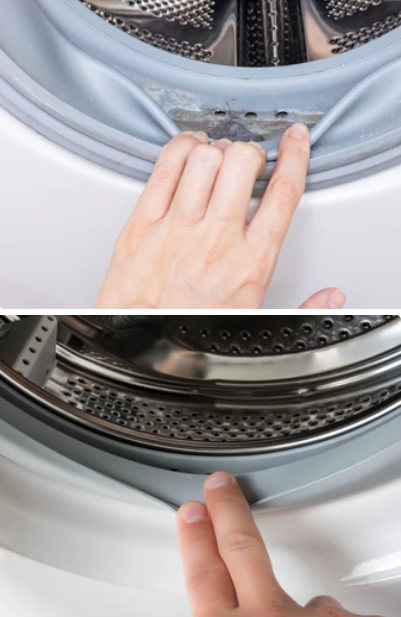
1. The door gasket. The rubber seal running around the inside perimeter of the dishwasher door degrades over time ; becoming hard, brittle, or misshapen. When it no longer creates a reliable seal, water escapes during wash cycles. This is the most common source of slow, chronic leaking ; the kind that goes unnoticed for weeks.
2. The water inlet valve or supply line connection. The hose connecting your home’s water supply to the dishwasher can develop small cracks or loose fittings over time. This type of leak often occurs when the machine is filling ; releasing clean supply water either under the unit or into the cabinet space beneath the adjacent sink.
3. The drain hose or pump assembly. If the drain hose develops a crack, sits improperly, or becomes disconnected from the dishwasher or the disposal connection, water from the drain cycle ; which is gray water containing food residue, detergents, and bacteria ; can pool beneath the appliance. Gray water leaks are more serious than clean water leaks because they require higher-level remediation protocols.
Knowing the source matters both for stopping the leak and for accurately describing the situation to a restoration professional or insurance adjuster. A clean water leak and a gray water leak may look similar on the surface but require meaningfully different responses.
5 Warning Signs Your Floor Has Hidden Water Damage
If you are reading this because something feels off in your kitchen, these are the signs that confirm your instinct is right.
Warning Sign 1: Soft spots or “give” underfoot. This is the most reliable early indicator. Press down firmly with your foot in the area near and around the dishwasher, including in front of adjacent cabinets. A healthy subfloor feels completely solid. Any springiness, spongy texture, or slight deflection under pressure means water has compromised the structural layers beneath the finish floor. Do not ignore this. It does not fix itself.
Warning Sign 2: Warped, buckled, or cupped floorboards. Wood expands when it absorbs moisture. Cupping occurs when the edges of a plank rise higher than the center ; a sign that moisture is coming from below. Crowning occurs when the center of a plank rises above the edges ; typically caused by surface moisture drying faster than the underside. Both indicate active or recent moisture contact. Buckling is the most severe form ; planks physically lifting from the subfloor. If your floor near the dishwasher is showing any of these patterns, the subfloor beneath it is likely saturated.
The guide on how to fix warped wood floor from water explains this in detail and walks through the assessment and repair process clearly.
Warning Sign 3: A musty or earthy odor you cannot locate. This smell is mold. It is not just unpleasant ; it is an indicator that active mold growth is happening inside the structure. If it seems to come from the floor level near the kitchen, under the sink, or from the lower cabinet near the dishwasher, you are likely past the prevention stage and into active remediation territory.
Warning Sign 4: White, gray, or brownish staining on the floor surface. White mineral deposits (efflorescence) near the dishwasher tell a specific story: water has been wicking up through the floor material, evaporating at the surface, and leaving behind the minerals it carried. This does not happen once. It happens repeatedly, over an extended period. By the time staining is visible, the subfloor has been absorbing moisture for a significant length of time.
Warning Sign 5: Swollen cabinet bases, misaligned doors, or discolored toe kicks. The lower cabinet immediately adjacent to your dishwasher absorbs water almost as readily as the floor itself. If the toe kick at the base of the cabinet is swollen or darker in color than the rest of the cabinet, if cabinet doors have begun sticking or hanging at an angle, or if the interior bottom panel of the cabinet feels soft or looks water-stained ; water has entered the cabinet structure and is actively degrading it.
Types of Floor Damage a Dishwasher Leak Can Cause
Professionals assess dishwasher leak floor damage across a spectrum of severity. Where you fall on that spectrum determines the scope and cost of repair.
Surface-level finish damage. The lightest category. White spots or hazing on the floor finish indicate moisture reached the coating but has not yet penetrated into the wood or subfloor. A professional refinishing may be all that is needed ; if the damage is caught at this stage.
Structural deformation ; cupping, crowning, or buckling. The wood itself has absorbed water and deformed. Mild cupping sometimes resolves with thorough drying and time, though the results are not guaranteed. Moderate to severe deformation typically requires board replacement. The condition of the subfloor below determines whether the project stays contained or expands.
Subfloor deterioration and delamination. At this level, the plywood or OSB subfloor has absorbed enough moisture to swell, delaminate, or begin showing rot. The finish floor must be removed to expose and replace the subfloor ; a significantly larger project. This is the territory where a professional water damage restoration service provider becomes not just recommended but necessary.
Mold contamination inside the structure. Once mold has established itself in subfloor cavities, cabinet interiors, or wall bases, remediation must follow IICRC S520 protocols. This goes well beyond drying ; it requires containment, physical removal of contaminated materials, proper disposal, and antimicrobial treatment of remaining surfaces.
For a thorough look at how floor water damage is repaired at each level, the hardwood floor water damage repair guide is an excellent resource.
Step-by-Step: How to Assess Damage on Your Own
Before calling a professional, a thorough self-assessment tells you how urgent the situation is and gives you critical information to share with your restoration team.
Step 1: Stop the source. Turn off the water supply valve under the sink or behind the dishwasher. If you cannot locate it quickly, shut off the main water supply to the home. Unplug the dishwasher or shut off its circuit breaker.
Step 2: Remove all standing water. Use towels, a mop, or a wet/dry vacuum. Focus on the area directly in front of and beneath the dishwasher. If you can safely pull the appliance forward, do so to reach the floor beneath it. This is where the highest concentration of moisture typically sits.
Step 3: Inspect the floor directly under the dishwasher. Pull the machine forward as far as the hoses allow and look at the floor beneath. Check for discoloration, soft material, water staining, mold, or any material that feels different from the surrounding floor.
Step 4: Check every adjacent cabinet. Open all lower cabinet doors nearest the dishwasher. Use a flashlight to examine the interior bottom panel, the side panels, and the toe kicks. Feel the surfaces for any softness. Look for water marks, staining, or any sign of mold.
Step 5: Go below if possible. If your kitchen sits above a basement or crawlspace, inspect that area directly below the dishwasher’s location. Water staining on the ceiling, soft or discolored drywall, or any visible dripping are confirmation that the damage has traveled through the floor assembly.
Step 6: Document everything. Take photographs and video of every area of concern. Note when you first noticed the issue and any changes you have observed over time. This documentation supports a water damage restoration insurance claim and ensures your restoration team can scope the work accurately from the first visit.
When to Stop DIY and Call a Restoration Professional
There is a clear, honest line between what a homeowner can manage independently and what requires certified professional intervention. Crossing it without acknowledging it is one of the most expensive mistakes people make.
Call a professional immediately if any of the following apply:
- The leak or moisture has been present ; detected or undetected ; for more than 24 hours.
- You detect any musty odor in or near the affected area.
- Soft spots are present in the floor or the floor is visibly deforming.
- Water has reached adjacent rooms, the basement ceiling, or wall cavities.
- The water source was a drain or wash cycle (gray water) rather than a clean supply line.
- You are uncertain about the extent of the damage or how far moisture has traveled.
Gray water from a dishwasher drain contains food particles, detergents, and bacteria. It requires a higher category of remediation response than clean water intrusion ; which is a critical distinction that changes both the safety protocols and the cost of remediation.
PuroClean of Lansdale handles this type of assessment and response as a routine part of their water damage restoration services. Their IICRC-certified technicians arrive with the equipment to determine the full scope ; not just the visible portion.
For more local context on what this looks like in practice, see water damage restoration in Schwenksville and emergency water damage restoration.
How Professional Restoration Works
When PuroClean of Lansdale responds to a dishwasher leak floor damage call, the process is systematic, data-driven, and fully documented. Here is what it looks like in real terms:
Moisture mapping and assessment. Thermal imaging cameras identify wet zones behind walls, under flooring, and inside cabinet bases ; areas completely invisible to normal inspection. Calibrated moisture meters establish the saturation level of each affected material and determine exactly what needs to be dried versus what needs to be removed and replaced.
Category and classification determination. Technicians identify whether the water is Category 1 (clean supply water), Category 2 (gray water from drain or wash cycle), or Category 3 (sewage contamination). Each category has its own handling, safety, and remediation protocols. This distinction significantly affects both the scope and cost of the work.
Controlled demolition where required. Heavily saturated subfloor sections, mold-affected materials, compromised drywall, and water-damaged cabinet bases must be carefully removed, documented, and properly disposed of before drying can begin. Attempting to dry materials in place when they are too far gone simply delays the outcome and can trap moisture inside the structure.
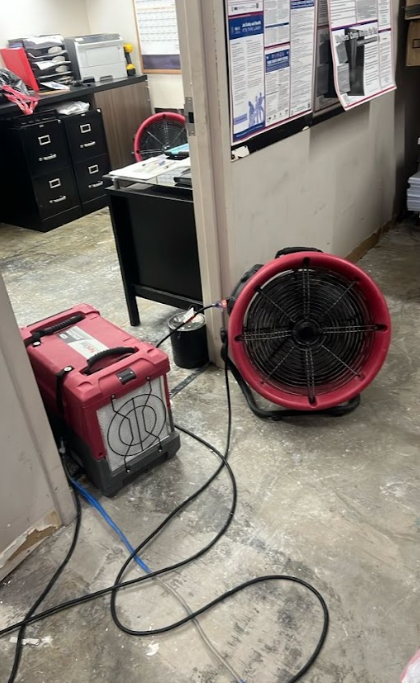
Industrial drying protocol. High-capacity air movers and desiccant dehumidifiers run on a structured drying plan ; not until things “seem dry,” but until calibrated moisture meters confirm that target moisture content levels for each material type have been reached and sustained. This precision matters because materials that appear dry at the surface can remain dangerously wet internally.
Antimicrobial treatment. Once materials are at appropriate moisture levels, antimicrobial agents are applied to all affected surfaces to interrupt any mold that may have begun colonizing.
Full reconstruction. PuroClean provides reconstruction services that include subfloor repair or replacement, new flooring installation, cabinet base repair, and baseboard replacement. This single-contractor model means homeowners are not left managing multiple vendors after the drying phase is complete.
See how this process unfolds in other local contexts at water damage restoration in Spring House and water damage restoration in Fort Washington.
Does Homeowner’s Insurance Cover Dishwasher Leaks?
This is one of the first questions homeowners ask when they realize the scope of what they are dealing with. The reassuring answer is: in many cases, yes.
Standard homeowner’s insurance policies typically cover sudden and accidental water damage from appliances. A dishwasher that fails and releases water onto your floor qualifies as a sudden, accidental event in most policies. What is generally not covered is a slow, gradual leak that the homeowner knew about (or reasonably should have discovered through routine maintenance) and did not address.
This distinction makes prompt action and thorough documentation critical. If you discovered the issue today and called immediately, your claim is on solid footing. If there is evidence that a slow leak had been developing for months ; mineral staining, long-standing soft spots, established mold ; coverage may be contested.
Here is how to protect yourself:
Document before cleanup begins. Photograph and video every area of visible damage before moving anything or starting extraction. Capture the water on the floor, the affected flooring, the cabinet interiors, and any structural materials showing damage.
Retain damaged materials. Do not discard water-damaged flooring, cabinet sections, or structural materials until an adjuster has inspected them. The physical evidence supports your claim.
Request a full written scope from your restoration team. A detailed scope of work, daily moisture logs, and equipment documentation are the exact materials insurance adjusters need. PuroClean’s Certified Priority Response (CPR) Program is structured to generate all of this as a standard part of the restoration process.
PuroClean works directly with Nationwide, Encompass, Alacrity Services, Vericlaim Repair Solutions, Crawford Contractor Connection, and Nexxus ; streamlining communication with adjusters and reducing the back-and-forth that makes claims stressful.
Real-world insurance claim outcomes for Montgomery County homeowners are documented at best insurance claim restoration in Blue Bell and best insurance claim restoration in Center Square.
Conclusion
Dishwasher leak floor damage is one of the most common and most preventable causes of serious, expensive home repair. What starts as a small drip ; barely noticeable, easy to rationalize away ; can evolve into warped and rotted flooring, a compromised subfloor, mold-colonized cabinet bases, and structural damage that extends through multiple layers of your home within a matter of days.
The window for keeping this repair contained and cost-effective is genuinely short. The homeowners who act within the first 24 hours typically deal with drying and minor material replacement. The ones who wait ; hoping the smell goes away, assuming the soft spot is nothing ; often end up with full subfloor replacement, mold remediation, and cabinet reconstruction on top of the original flooring repair.
You now know the warning signs. You know how to assess what is in front of you. You know the difference between what you can handle yourself and when professional intervention is the only responsible path.
Here is the truth that matters most: water does not wait for a convenient time, and neither should you. Every day you delay a call is a day the moisture settles deeper into your structure, the mold grows more established, and the repair scope expands. PuroClean of Lansdale is available 24 hours a day, 7 days a week, with IICRC-certified technicians and industrial restoration equipment ready to respond.
Call (267) 834-5900 right now, or contact PuroClean of Lansdale directly here. Your kitchen; and your home; deserve a team that treats protecting it as seriously as you do.
Find us, review us, or get directions: PuroClean of Lansdale on Google Maps
Follow us: Facebook; Instagram; LinkedIn; X (Twitter)
2033 Lucon Rd, Bldg. Rear, Schwenksville, PA 19473 | (267) 834-5900