


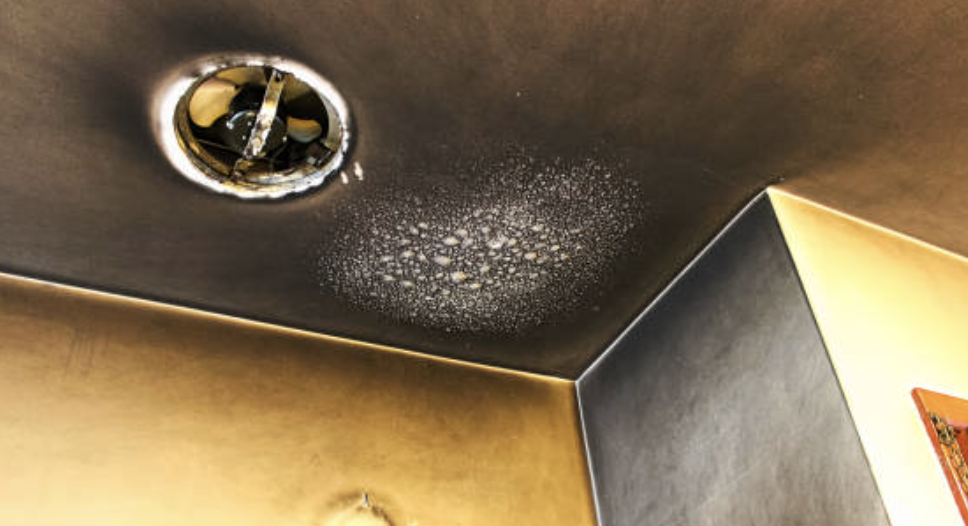
You can sometimes clean very light smoke or soot residue yourself, but significant smoke damage is easy to make worse with the wrong cleaning method. Soot is not one uniform substance. Depending on what burned and how the fire developed, residue may be dry and powdery, oily or sticky, acidic, or a combination of combustion byproducts. Wiping soot with water or ordinary household cleaners can smear residue, drive it into porous materials, or permanently stain some surfaces.
A minor cooking incident that leaves a small amount of residue on a washable, nonporous surface is very different from a kitchen fire that deposits soot across walls, ceilings, cabinetry, furniture, and adjoining rooms. When smoke has traveled throughout a Seattle home, professional smoke damage cleanup in Seattle can help determine what can be cleaned, which methods are appropriate for each material, and whether additional odor or HVAC contamination needs to be addressed.
Cleaning Smoke and Soot Damage Yourself Guide
- Can You Clean Smoke and Soot Damage Yourself?
- When DIY Smoke Cleanup May Be Reasonable
- When You Should Not Clean Soot Yourself
- Why Is Soot Difficult to Clean?
- Different Types of Smoke and Soot Residue
- Can You Clean Smoke Damage From Walls Yourself?
- Can You Clean Soot From a Ceiling?
- Cleaning Kitchen and Grease Fire Soot
- What If Smoke Reached Other Rooms?
- What If Smoke Entered the HVAC System?
- When Professional Smoke Cleanup Makes Sense
FAQs
- Can I just wipe soot off the walls?
- Should I use water to clean soot?
- Can household cleaners remove smoke damage?
- Can I paint over soot and smoke stains?
- Why does my house still smell after cleaning?
- How do I know when I need professional smoke cleanup?
Can You Clean Smoke and Soot Damage Yourself?
Small amounts of light smoke residue may sometimes be appropriate for homeowner cleaning, but widespread soot, oily residue, persistent odor, or contamination involving porous materials generally requires greater caution.
The difficulty is that homeowners often cannot determine the full extent of smoke contamination simply by looking at the area where the fire occurred. Smoke can travel through doorways, open rooms, stairways, and ventilation pathways before particles settle onto surfaces.
A small oven incident might leave relatively limited residue around the appliance. A stovetop grease fire, by comparison, can deposit oily soot on cabinets, walls, ceilings, appliances, flooring, and furniture while sending smoke into adjoining rooms.
The U.S. Environmental Protection Agency advises that people returning to homes affected by fire and smoke should take precautions to reduce exposure to ash and other combustion-related contaminants.[1] The appropriate cleanup method depends on both the extent of contamination and the materials involved.
When DIY Smoke Cleanup May Be Reasonable
DIY cleaning may be more reasonable when the incident was very small, the fire was quickly contained, smoke exposure was limited, and the residue affects a small number of durable surfaces.
Examples might include:
- A minor cooking incident producing limited smoke
- A small amount of residue on glass or another washable nonporous surface
- No visible soot throughout adjoining rooms
- No persistent smoke odor elsewhere in the home
- No evidence of direct fire or heat damage to building materials
- No indication that smoke entered relevant HVAC components
Even in a minor loss, test cleaning methods carefully before treating a large area. Paint finishes, wood coatings, stone, metal, fabrics, and other materials can respond differently to the same cleaning product.
The size of the fire is also not always a reliable measure of the size of the smoke problem. A relatively contained fire can produce enough smoke to contaminate areas well beyond the point of origin.
When Should You Not Clean Soot Yourself?
Professional evaluation becomes more appropriate as the amount, complexity, or distribution of contamination increases. This is particularly true when soot covers large areas or when multiple types of materials have been affected.
Consider avoiding extensive DIY cleanup when:
- Soot covers multiple walls or ceilings
- Smoke traveled into several rooms
- Residue is oily, sticky, or difficult to remove
- Cabinetry, woodwork, upholstery, carpet, or other porous materials are affected
- The fire involved plastics, synthetic materials, electronics, or multiple building materials
- Smoke odor remains throughout the property
- There is fire, heat, or water damage in addition to soot
- The HVAC system may have been exposed to smoke
- The property contains extensive contents requiring evaluation
- The loss is substantial enough to involve an insurance claim
Cleaning before documenting a significant insured loss can also eliminate useful evidence of the original conditions. Washington’s Office of the Insurance Commissioner recommends documenting damage and taking photographs as part of the insurance claim process.[2]
Why Is Soot Difficult to Clean?
Soot is a product of incomplete combustion, and the residue left by a fire can vary significantly depending on what burned and under what conditions. That is one reason there is no universal household cleaner or cleaning method that is appropriate for every fire-damaged surface.
Soot particles can settle onto:
- Painted drywall
- Ceilings
- Wood trim and cabinetry
- Countertops
- Appliances
- Tile and grout
- Furniture
- Carpet and rugs
- Curtains and textiles
- Electronics
- Personal belongings
The same residue that can be removed from glass may behave very differently when deposited on flat paint, unfinished wood, fabric, or another porous material.
Aggressive rubbing can also spread particulate contamination. In some situations, applying liquid too early can cause residue to smear across the surface rather than being removed cleanly.
Different Types of Smoke and Soot Residue
The materials involved in the fire can influence the characteristics of the residue left behind. A restoration professional may therefore consider the fire source before determining how affected surfaces should be treated.
Dry Smoke Residue
Hotter, faster-burning fires can produce relatively dry particulate residue. Although some dry residues may be easier to remove from appropriate surfaces than oily soot, improper handling can still spread fine particles or embed them into porous materials.
Oily or Greasy Residue
Cooking fires can produce residue associated with burning oils, grease, food, plastics, appliance components, and surrounding kitchen materials. The resulting contamination can be sticky or difficult to remove with ordinary household cleaning.
Smoldering-Fire Residue
Slower-burning or smoldering materials can produce substantial smoke and persistent odors. Smoke may penetrate porous materials even when direct flame damage is relatively limited.
Mixed Fire Residue
Many residential fires involve several materials simultaneously. A kitchen fire, for example, may involve cooking oil, food, plastic, painted cabinetry, wiring, appliance components, and nearby building materials. The resulting soot can therefore be a mixture rather than a single predictable residue.
The U.S. Fire Administration identifies cooking as a major cause of residential building fires in the United States, making cooking-related smoke and soot a particularly common residential restoration scenario.[3]
Can You Clean Smoke Damage From Walls Yourself?
Very light residue on a durable washable wall finish may sometimes be manageable, but significant smoke damage on walls requires more care than simply spraying the surface with household cleaner and wiping it down.
Several variables matter:
- Type of soot
- Amount of residue
- Paint finish
- Age and condition of the paint
- Whether the wall is drywall or plaster
- Whether odor has penetrated porous materials
- Whether heat or water also damaged the wall
Flat and matte paints may behave differently during cleaning than more washable finishes. Older plaster, original woodwork, and specialty finishes may also require different treatment than modern painted drywall.
This can be particularly important in Seattle neighborhoods such as Queen Anne, Magnolia, and West Seattle, where Craftsman homes and renovated older properties may contain original plaster, built-in woodwork, custom cabinetry, and finishes homeowners would prefer to preserve when possible.
Our guide Can Smoke Damage Walls Even If There Was No Fire? explains how smoke can contaminate walls and ceilings far beyond the area touched by flames.
Can You Clean Soot From a Ceiling Yourself?
Ceilings frequently receive substantial smoke contamination because heated smoke rises. After reaching the ceiling, smoke can spread horizontally across the room before traveling into adjoining areas.
This means the ceiling immediately above a kitchen or cooking fire may contain considerably more residue than lower portions of the walls.
DIY ceiling cleaning can also be difficult because:
- Soot may smear when disturbed
- Ceiling paint may have a delicate or flat finish
- Large overhead areas are difficult to clean uniformly
- Smoke deposits may extend farther than initially visible
- Cleaning one portion can reveal differences in the surrounding finish
If a ceiling contains widespread soot, heavy discoloration, oily residue, or persistent smoke odor, professional evaluation may reduce the risk of spreading contamination or unnecessarily damaging the finish.
Can You Clean Grease Fire Soot Yourself?
Grease-fire soot can be particularly difficult to clean because the residue may contain oily combustion products that adhere strongly to kitchen surfaces. A stovetop fire can expose cabinets, backsplashes, walls, ceilings, appliances, countertops, and nearby contents to both heat and smoke.
Trying to wipe oily soot with an inappropriate product can spread the contamination across cabinet finishes or painted surfaces.
A grease fire can also produce a much larger smoke-loss area than the visibly burned portion of the kitchen. In an open-concept Seattle home, smoke may move directly from the kitchen into dining and living areas before settling onto walls, ceilings, furniture, and contents.
PuroClean’s grease fire cleanup in Seattle addresses oily soot, smoke residue, cabinetry, appliances, walls, ceilings, contents, and persistent cooking-fire odors.
For larger cooking losses, professional kitchen fire damage restoration in Seattle can address the combined effects of fire, heat, smoke, soot, odor, and suppression materials.
What If Smoke Reached Other Rooms?
Once smoke has moved beyond the room where the fire occurred, the cleanup becomes more complicated. The restoration area should follow the smoke path rather than the boundaries of the direct fire damage.
For example, a stovetop fire might produce:
- Heavy oily soot around the cooking area
- Smoke deposits across the kitchen ceiling
- Lighter residue in the adjoining living room
- Smoke odor along a stairway
- Fine deposits or odor on the second floor
Cleaning only the visibly dirty kitchen surfaces may therefore leave contamination elsewhere in the home untreated.
See How Far Can Smoke Damage Travel Through a House? for a detailed explanation of how smoke moves through rooms, hallways, stairways, open floor plans, and other pathways.

