


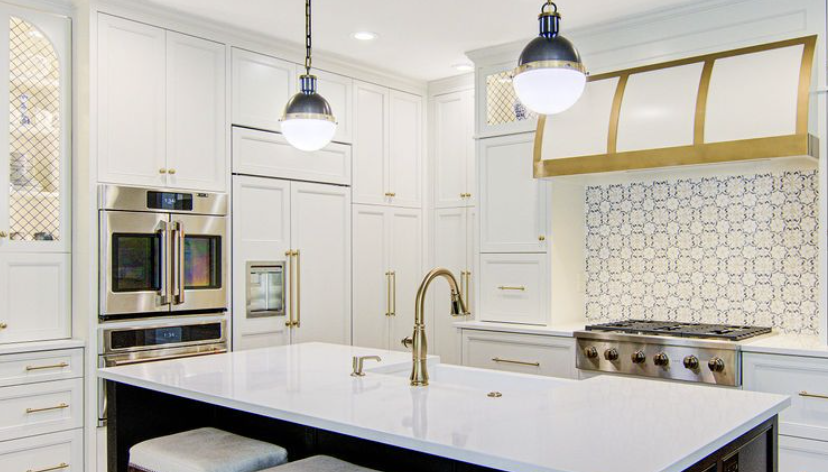
Need some guidance on kitchen fire restoration Seattle residents can trust? Fist things first, you’ve got to start with safety, wait until the home has been cleared for re-entry, document the damage, contact your insurance carrier, and avoid disturbing soot or smoke residue unnecessarily. Even a relatively small cooking fire can create a larger restoration problem if smoke, soot, grease residue, water, or odor spreads beyond the kitchen.
For Seattle homeowners, the next step is determining how far the damage traveled and whether materials can be cleaned and restored or need to be replaced. Professional kitchen fire restoration Seattle services can address direct fire damage along with smoke contamination, soot, odors, water damage, contents, and affected building materials.
Homes in neighborhoods such as Queen Anne, Magnolia, and West Seattle can present additional restoration considerations because older Craftsman homes, original woodwork, hardwood flooring, custom cabinetry, and renovated kitchens may require a more careful restore-versus-replace evaluation after a fire.
What to Do After a Kitchen Fire: Seattle Homeowner Guide
- Wait Until the Home Is Safe to Enter
- Contact Your Insurance Company
- Document the Fire and Smoke Damage
- Prevent Additional Property Damage
- Understand What a Kitchen Fire Can Damage
- Address Smoke and Soot Contamination
- Seattle Home and Cabinetry Restoration Considerations
- When Kitchen Fire Restoration Is Needed
FAQs
- Can I stay in my house after a kitchen fire?
- How far can smoke damage spread from a kitchen fire?
- Can kitchen cabinets be saved after a fire?
- Can I clean soot from the walls myself?
- Does homeowners insurance cover kitchen fire damage?
Wait Until the Home Is Safe to Enter
After the fire has been extinguished, do not assume the home is immediately safe to enter. A kitchen fire can affect electrical wiring, appliances, cabinets, drywall, structural materials, gas connections, and flooring even when the flames appear to have been contained to a relatively small area.
If firefighters or another authority restricted access, wait until they tell you it is safe to return. Do not enter areas with visible structural damage, standing water near electrical equipment, active smoke, or other obvious hazards.
Seattle Fire provides specific guidance for cooking fires and advises residents to leave the home and call 911 when a cooking fire grows or cannot be safely controlled.[4]
Once you are allowed inside, avoid unnecessarily walking through damaged areas. Soot and fire residue can be transferred to clean rooms on shoes, clothing, tools, and belongings, expanding the cleanup area.
Contact Your Insurance Company
Notify your homeowners insurance carrier as soon as reasonably possible after a kitchen fire. Standard homeowners policies generally provide protection for fire damage, subject to the terms, exclusions, limits, and deductible of the individual policy.[1]
Ask what documentation is required, whether an adjuster will inspect the home, and what immediate steps you are authorized to take to protect the property from additional damage.
Keep records of conversations and save receipts related to the loss. Depending on the policy and severity of the fire, covered costs may involve restoration work, damaged personal property, and additional living expenses if the home cannot be occupied.
Document the Fire and Smoke Damage
Before substantial cleanup begins, photograph and video the condition of the kitchen and nearby rooms. Document direct fire damage as well as smoke, soot, water, extinguisher residue, and affected contents.
Useful documentation can include:
- Burned or heat-damaged cabinets
- Soot on ceilings and walls
- Smoke staining beyond the kitchen
- Damaged appliances and electronics
- Water damage from firefighting efforts
- Flooring damage
- Furniture and contents affected by smoke
- Smoke or soot near vents and air returns
Washington’s Office of the Insurance Commissioner recommends documenting damaged property and taking reasonable steps to protect the property from further loss after a covered event.[3]
Prevent Additional Property Damage
Once the property has been cleared for access, reasonable steps may be needed to keep the loss from becoming worse. Larger kitchen fires may require temporary protection for damaged doors, windows, walls, or exposed areas. Water introduced during suppression may also need to be addressed before it causes additional deterioration.
Avoid immediately making permanent repairs or discarding large amounts of damaged material before the loss has been documented and claim requirements have been confirmed.
It is also important not to treat visible soot as ordinary household dirt. Aggressive wiping can smear certain residues, drive contamination into porous finishes, or damage surfaces that might otherwise have been candidates for restoration.
Understand What a Kitchen Fire Can Damage
A kitchen fire can affect much more than the pan, oven, stove, or appliance where it started. Heat can damage cabinetry, countertops, drywall, range hoods, electrical components, flooring, appliances, and nearby finishes.
Smoke can then move beyond the original fire area and deposit residue throughout adjoining rooms. This is one reason professional kitchen fire restoration Seattle work often includes smoke and soot cleaning in addition to repairing directly burned materials.
Common forms of kitchen fire damage include:
- Direct fire and heat damage
- Oily soot from grease or cooking-oil fires
- Smoke residue on walls and ceilings
- Persistent smoke odor
- Fire extinguisher residue
- Water damage from firefighting efforts
- Damaged cabinetry and finishes
- Contents and furniture exposed to smoke
- Potential HVAC contamination
The National Fire Protection Association identifies cooking as a major cause of home fires and home fire injuries in the United States.[5] The U.S. Fire Administration also identifies cooking fires as a significant category of residential building fires.[6]
For broader restoration needs after a cooking-related loss, PuroClean provides kitchen fire damage restoration in Seattle for stove fires, oven fires, appliance fires, grease fires, smoke damage, soot contamination, and related losses.
Address Smoke and Soot Contamination
Smoke damage can extend significantly farther than direct flame damage. Hot smoke rises and can move through open floor plans, hallways, stairways, and ventilation pathways before fine particles settle onto walls, ceilings, furniture, textiles, and personal belongings.
This matters for Seattle homes because the kitchen may be the fire origin while the actual cleanup area includes dining rooms, living areas, upper floors, or nearby bedrooms.
Professional smoke damage cleanup in Seattle can address soot and combustion residue beyond the immediate kitchen, including affected surfaces, contents, and persistent odors.
If the home continues to smell like smoke after visible residue has been removed, contamination may remain in porous materials such as drywall, wood, carpet, upholstery, curtains, insulation, or cabinetry. Professional smoke odor removal in Seattle may be appropriate when odor persists after cleaning.
Seattle Home and Cabinetry Restoration Considerations
Kitchen fire restoration in Seattle can require different decisions depending on the age, construction, and finishes of the home. In neighborhoods such as Queen Anne, Magnolia, and West Seattle, older homes may contain original millwork, hardwood flooring, plaster or older wall assemblies, built-in storage, or custom cabinetry that can be costly or difficult to replicate.
Craftsman homes are a good example. Original woodwork, built-ins, and custom or semi-custom cabinetry may warrant a careful restoration-versus-replacement evaluation rather than automatic removal after smoke exposure.
The same applies to renovated kitchens with custom cabinetry, stone countertops, specialty finishes, or integrated appliances. Heat damage, soot, smoke odor, water exposure, and the depth of contamination all influence whether a material can reasonably be restored.
Cabinets with light surface contamination may sometimes be cleaned and deodorized, while cabinets that are charred, warped, blistered, delaminated, structurally weakened, or deeply heat-damaged may require replacement. See our guide on whether kitchen cabinets can be saved after a fire for a deeper look at that decision.
This restore-versus-replace analysis can materially affect both the scope and cost of kitchen fire restoration Seattle projects, particularly in homes with original architectural details or expensive custom finishes.
When Professional Kitchen Fire Restoration Is Needed
Not every cooking incident requires a full restoration project. A very small fire that is immediately contained and produces little smoke may leave limited damage. Professional evaluation becomes more important when there is visible soot, persistent smoke odor, heat damage, water intrusion, damaged cabinetry, or contamination extending beyond the kitchen.
Professional kitchen fire restoration Seattle services should be considered when:
- Smoke or soot has traveled into adjoining rooms
- Cabinets, walls, ceilings, or flooring show visible heat or fire damage
- A grease fire has deposited oily soot on kitchen surfaces
- Smoke odor remains after the home has been ventilated
- Water was used during firefighting
- Fire extinguisher residue covers cabinets, appliances, flooring, or contents
- Smoke may have entered HVAC components
- Furniture and personal belongings have been exposed to smoke
- Custom cabinetry, hardwood, millwork, or specialty finishes need to be evaluated for restoration
For cooking-related losses, PuroClean’s kitchen fire damage restoration in Seattle addresses direct fire damage along with smoke, soot, odors, contents, water damage, and affected building materials.
What Does Kitchen Fire Restoration in Seattle Include?
The appropriate restoration process depends on what burned, how far the fire spread, the type of smoke and soot produced, and which materials were affected. A contained oven fire may primarily require smoke and soot cleanup, while a grease fire that spreads into upper cabinets or wall and ceiling materials can create a substantially larger restoration scope.
A professional kitchen fire restoration Seattle project may include:
- Fire and smoke damage assessment: Determine where direct fire, heat, smoke, soot, water, and suppression residue traveled.
- Property protection: Protect unaffected areas and address conditions that could contribute to additional damage.
- Removal of unsalvageable materials: Identify building materials and contents that are too heavily burned, heat-damaged, or contaminated to restore effectively.
- Soot and residue removal: Select cleaning methods according to the combustion residue and material affected.
- Structural cleaning: Clean affected cabinetry, walls, ceilings, floors, fixtures, and other building surfaces.
- Contents evaluation and cleaning: Determine which furnishings and personal belongings can reasonably be restored.
- Water extraction and drying: Address water introduced during firefighting when necessary.
- HEPA air filtration and air scrubbing: Use professional filtration equipment when appropriate to help control airborne particles during restoration.
- HVAC evaluation: Determine whether smoke or soot affected relevant ventilation components.
- Smoke odor treatment: Address remaining odor sources after contaminated materials and surfaces have been cleaned.
When smoke has entered air returns or other relevant ventilation components, professional duct cleaning may be incorporated into the restoration plan. Not every kitchen fire requires duct cleaning; the need should be based on the actual conditions at the property.
Common Kitchen Fire Scenarios in Seattle Homes
Cooking equipment is a major source of residential fires, and unattended cooking is an important contributing factor in cooking-fire incidents.[5][6] The type of kitchen fire can also influence the restoration methods required afterward.
Stovetop and Grease Fires
Cooking oil or grease can ignite after becoming sufficiently hot. Flames from a pan fire can expose the range hood, backsplash, upper cabinets, walls, and ceiling to intense heat while producing oily smoke and soot.
Even when the flames remain confined to the cooking area, grease-fire smoke can contaminate surrounding surfaces and adjoining rooms. PuroClean provides grease fire cleanup in Seattle for cooking-oil fires involving oily soot, smoke contamination, odors, and related kitchen damage.
Oven and Broiler Fires
Grease, food residue, cooking spills, or other materials inside an oven or broiler can ignite. The appliance may contain much of the direct flame, but smoke can still escape through ventilation pathways or when the oven door is opened.
After an oven fire, the restoration scope may therefore extend beyond the appliance itself. Nearby cabinets, walls, ceilings, flooring, and contents should be evaluated for heat, smoke, soot, and odor contamination.
Range Hood Fires
Grease can accumulate on range hoods, filters, and surrounding components. If this material ignites, heat and flame can spread upward toward upper cabinetry, walls, ceilings, and ventilation components.
In Seattle homes with custom cabinetry or older built-ins, damage above the cooking surface can become particularly consequential because replacing original or custom-fabricated components may be more involved than cleaning and restoring salvageable materials.
Kitchen Appliance and Electrical Fires
Microwaves, toasters, countertop appliances, ranges, refrigerators, wiring, and electrical connections can also be involved in kitchen fires. Depending on the materials that burn, these incidents may produce smoke and residues different from those created by a typical cooking-oil fire.
Appliances exposed to direct flame, substantial heat, water, or fire suppression materials should not automatically be assumed safe to operate. Appropriate electrical, gas, or appliance evaluation may be necessary before returning damaged equipment to service.
How to Reduce the Risk of Another Kitchen Fire
Cooking fires can develop quickly, making prevention particularly important. Seattle Fire recommends staying in the kitchen while frying, grilling, or broiling and provides specific guidance for responding to small cooking fires.[4]
Basic kitchen fire prevention measures include:
- Stay nearby when cooking with oil or grease.
- Keep towels, packaging, paper products, oven mitts, and other combustible materials away from burners.
- Clean accumulated grease from stovetops, ovens, range hoods, and filters.
- Keep pan handles positioned where they are less likely to be bumped.
- Maintain working smoke alarms throughout the home.
- Keep an appropriate fire extinguisher accessible and understand how to use it.
- Never pour water onto a grease fire.
- When a cooking fire cannot be safely controlled, evacuate and call 911.
For a small pan fire, Seattle Fire advises sliding a lid over the pan when it can be done safely, turning off the burner, and leaving the pan covered until it has cooled. For an oven fire, turn off the heat and keep the oven door closed. If the fire does not go out or conditions become unsafe, leave the property and call 911.[4]
Kitchen Fire Restoration for Queen Anne, Magnolia, West Seattle, and Nearby Seattle Neighborhoods
PuroClean provides kitchen fire restoration in Seattle for losses ranging from contained cooking fires to larger incidents involving cabinetry, walls, ceilings, flooring, smoke contamination, and surrounding rooms.
Properties in Queen Anne, Magnolia, West Seattle, and other established Seattle neighborhoods can include a mixture of historic homes, Craftsman construction, remodeled properties, and contemporary residences. The materials affected by a fire can therefore vary substantially from one home to another.
For a Craftsman home with original hardwood, built-in cabinetry, millwork, or other character-defining finishes, restoration may focus heavily on determining what can reasonably be preserved. In a newer or extensively remodeled Seattle kitchen, custom cabinetry, stone countertops, integrated appliances, and specialty finishes can create a different restore-versus-replace analysis.
A professional kitchen fire restoration Seattle assessment should account for those individual materials rather than assuming every smoke-affected surface requires removal. The objective is to identify the actual extent of contamination, determine which materials remain salvageable, and establish an appropriate restoration scope.
Related Seattle Kitchen Fire and Smoke Restoration Services
- Kitchen Fire Damage Restoration Seattle for stove, oven, grease, appliance, and other cooking-related fires.
- Grease Fire Cleanup Seattle for oily soot, burned cooking residue, smoke, and odor contamination.
- Smoke Damage Cleanup Seattle when smoke and soot have traveled beyond the kitchen.
- Smoke Odor Removal in Seattle for persistent fire odors affecting building materials and contents.
- Duct Cleaning when appropriate HVAC components have been affected by smoke or soot.
- Fire Damage Restoration for larger losses involving direct fire damage, smoke, soot, contents, water, and structural materials.
Kitchen Fire FAQs
Can I stay in my house after a kitchen fire?
It depends on the severity of the loss and the condition of the property. A small contained cooking fire may not make the entire home uninhabitable, while a larger incident can create structural, electrical, smoke, soot, water, or air-quality concerns. Do not re-enter or remain in a property when emergency personnel have restricted access.
How far can smoke damage spread from a kitchen fire?
Smoke can travel well beyond the kitchen through open rooms, hallways, stairways, and ventilation pathways. A fire contained to a stove or oven can therefore produce smoke and soot contamination in areas that were never exposed to flames. Professional smoke damage cleanup in Seattle can address contamination extending beyond the fire origin.
Can kitchen cabinets be saved after a fire?
Sometimes. Cabinets affected primarily by surface smoke or soot may be candidates for professional cleaning and deodorization. Cabinets that are charred, warped, blistered, delaminated, structurally weakened, or deeply heat-damaged may require replacement. This distinction can be particularly important in Seattle homes with original Craftsman built-ins or expensive custom cabinetry.
Can I clean soot from the walls myself?
Light residue from a very minor incident may sometimes be manageable, but significant soot should be approached carefully. Different fires create different combustion residues, and inappropriate cleaning can smear soot, create staining, damage finishes, or drive contamination farther into porous materials. Grease fires can be especially challenging because they may produce oily or sticky residue.
Does homeowners insurance cover kitchen fire damage?
Fire is generally covered under standard homeowners policies, subject to the terms, limits, exclusions, and deductible of the individual policy. Washington’s Office of the Insurance Commissioner provides guidance regarding homeowners insurance and fire-related losses.[1]
Get Kitchen Fire Restoration in Seattle
Knowing what to do after a kitchen fire begins with protecting people first: evacuate when necessary, wait until the property is safe to enter, contact your insurance carrier, document the damage, and avoid unnecessarily disturbing soot or contaminated materials.
Once the immediate emergency has passed, the next question is how far the loss actually extends. Kitchen fire damage can involve direct flame and heat as well as smoke, soot, grease residue, odors, water, affected contents, cabinetry, flooring, and adjoining rooms.
PuroClean provides professional kitchen fire restoration in Seattle for homeowners in Queen Anne, Magnolia, West Seattle, and surrounding communities. Whether the loss involves a contained oven fire, stovetop grease fire, damaged custom cabinetry, smoke throughout a Craftsman home, or a larger structural fire, the restoration scope can be developed around the actual materials and conditions affected.
References
- ↑ Washington State Office of the Insurance Commissioner. Wildfires and Insurance. Guidance regarding homeowners insurance protection for fire damage in Washington.
- ↑ Washington State Office of the Insurance Commissioner. Consumer’s Guide to Homeowner Insurance. Guidance regarding documenting losses and protecting property following damage.
- ↑ Seattle Fire Department. Cooking Fire Safety. Seattle guidance regarding cooking fires, pan fires, grease fires, and emergency response.
- ↑ National Fire Protection Association. Home Cooking Fires. National research and statistics concerning residential cooking fires.
- ↑ U.S. Fire Administration. Cooking Fires in Residential Buildings. Federal analysis of the causes and characteristics of residential cooking fires.

