Professional water damage mitigation and restoration services to help restore your home after unexpected water intrusion.
Water damage restoration is emergency water removal, moisture mapping, and controlled structural drying to protect floors, cabinets, and walls from permanent swelling and hidden damage. A professional team verifies dryness with moisture readings, cleans/sanitizes based on water category, and coordinates repairs once materials meet a dry standard.
Your first question after water hits the kitchen, hallway, or living room is usually the same: can the hardwood, cabinets, and baseboards be saved—or is it all headed for demolition? Water damage restoration isn’t just “drying the house.” It’s a materials-preservation job where the right decisions in the first day often determine whether wood floors can be stabilized, cabinet boxes can be dried, and finishes can be protected. PuroClean of South Apopka focuses on emergency water removal, moisture detection, and controlled structural drying that’s designed to minimize permanent loss. We start by assessing the condition of flooring and cabinetry early, then build a drying plan around what’s actually wet (including what you can’t see under flooring, behind toe-kicks, and inside wall cavities). You’ll know what we found, what can likely be saved, what may need removal, and what the next steps look like—from mitigation through any needed repairs. In Florida homes, water damage often starts with an A/C or air handler leak, a supply-line failure under a sink, or a slab-side seep that quietly soaks materials. Our goal is to stop the damage from spreading, protect the parts of the home you care about most, and document the work so you have clear records of what was affected and what was done.
In the first hour, focus on safety and preventing more water from reaching wood and cabinetry.
1) If water is near outlets, appliances, or the electrical panel, keep people out of the area and shut off power to affected rooms if you can do so safely.
2) Stop the source: close the main water shutoff or the fixture supply valve. If the A/C is leaking, turn the system off.
3) Take quick photos/video of the source and affected areas before moving items.
4) Move rugs, small furniture, and personal items off wet flooring—especially near cabinet bases and hardwood transitions.
5) If the water is clean and shallow, blot/squeegee toward a drain or towel-dry the surface—but avoid “baking” the area with high heat.
Call for professional extraction and drying as soon as possible. The sooner moisture is removed from under flooring and inside cabinet bases, the better the odds of saving materials and avoiding swelling, delamination, and microbial growth.
We inspect the loss, identify the water source and safety concerns, and evaluate hardwood, engineered flooring, and cabinet construction. We check for swelling at seams, loosened toe-kicks, and moisture trapped under underlayment or inside cabinet boxes.
What Our Customers Say:
Floors and cabinets can be damaged as much by the wrong drying approach as by the water itself. Over-aggressive heat or rushed airflow can cause hardwood to cup, then crown, and can trigger permanent buckling once the subfloor dries unevenly. In Florida’s humidity, we frequently see engineered-floor adhesive and cabinet veneer failures when indoor relative humidity stays elevated for days—even after the surface looks dry—because moisture remains trapped beneath the finish layer. Wet cabinet bases and toe-kicks are also common “reservoir” zones; without targeted extraction and verification, delamination and odor issues can show up weeks later.
If you’re filing a claim, water losses go smoother when the damage is documented early and drying is verified with clear records. Our team can provide moisture maps, daily or periodic drying logs, equipment records, and photos that show what was affected and what actions were taken. Save any related receipts (emergency purchases, lodging if applicable, and damaged items you must dispose of). Avoid discarding major materials—like flooring planks, cabinet sections, or drywall—until they’re documented, unless they present a health or safety issue. If an adjuster inspection is needed, we can help explain the drying plan and the rationale for salvage versus removal based on readings and material response.
If water has reached hardwood, engineered flooring, or kitchen/bath cabinets, the first priority is understanding what can be preserved before anything is torn out. Call PuroClean of South Apopka at (407) 680-2224 for a fast inspection, moisture mapping, and a drying plan designed to protect the finishes you’ve invested in—and clearly identify what truly must be removed.
Find answers to common questions about our services
Often, yes—especially when standing water is extracted quickly and drying is controlled and verified. Salvage depends on how long the floor stayed wet, whether moisture is trapped in the subfloor, and whether the floor is solid or engineered. The decision is usually clearer after moisture mapping and the first 24–48 hours of monitored drying.
Noticeable cupping can begin within 24–72 hours, but “permanent” damage depends on how saturated the wood and subfloor are and how quickly moisture is reduced. Early extraction and stable humidity control improve the odds that cupping relaxes as the floor returns to normal moisture content. Delays increase the risk of buckling, adhesive failure (engineered floors), and finish damage.
Drying in place means extracting trapped water and using controlled dehumidification/airflow to bring the floor and subfloor back to a verified dry standard without tearing it out. Removal is chosen when moisture is inaccessible, contamination is present, the floor is already buckled, or adhesives/underlayment are compromised. We base the recommendation on readings, construction type, and how the material responds during early monitoring.
Many losses dry in about 3–5 days, but the timeline varies with how far water traveled, material types, and humidity conditions. Cabinets, drywall cavities, and subfloors can extend dry time if moisture is trapped. We use moisture readings—not guesswork—to determine when drying is complete.
We classify water based on the source and potential contamination: clean (supply line), gray (washing machine or dishwasher discharge), or black (sewage/backups/floodwater). The category changes the safety controls, what can be cleaned versus must be removed, and how we handle sanitizing. When contamination is suspected, we prioritize occupant safety and prevent cross-contamination.
Coverage depends on your policy and the cause (sudden/accidental events are often treated differently than long-term leaks). We can provide photos, moisture maps, drying logs, and an itemized scope of mitigation actions to support the claim. If you’re unsure, we recommend contacting your agent/adjuster while mitigation is underway so the timeline and documentation stay aligned.
Trained and Certified Restoration Professionals
Our residential water damage restoration team is trained, certified, and experienced in responding to a wide range of water damage situations. Many technicians hold IICRC certifications, and we follow industry standards and proven restoration practices to support safe and effective recovery.
Water damage is stressful enough without confusion. Our team works with insurance providers to help document damage and support the claims process, keeping homeowners informed throughout each stage of restoration.
Some types of water damage require immediate attention. Our team is available 24/7 to respond to residential water damage emergencies when time matters most.
Water damage can result from unexpected leaks, flooding from storms, plumbing failures, or appliance malfunctions. Our certified teams focus on rapid water removal, drying, and stabilization to help prevent further damage and mold growth.
 Explore Our Water Damage Mitigation Services
Even after a fire is extinguished, smoke, soot, and odor can continue to affect your home. Fire damage restoration services address visible damage while also helping reduce lingering effects that impact indoor air quality and surfaces.
Explore Our Fire and Smoke Damage Restoration Services
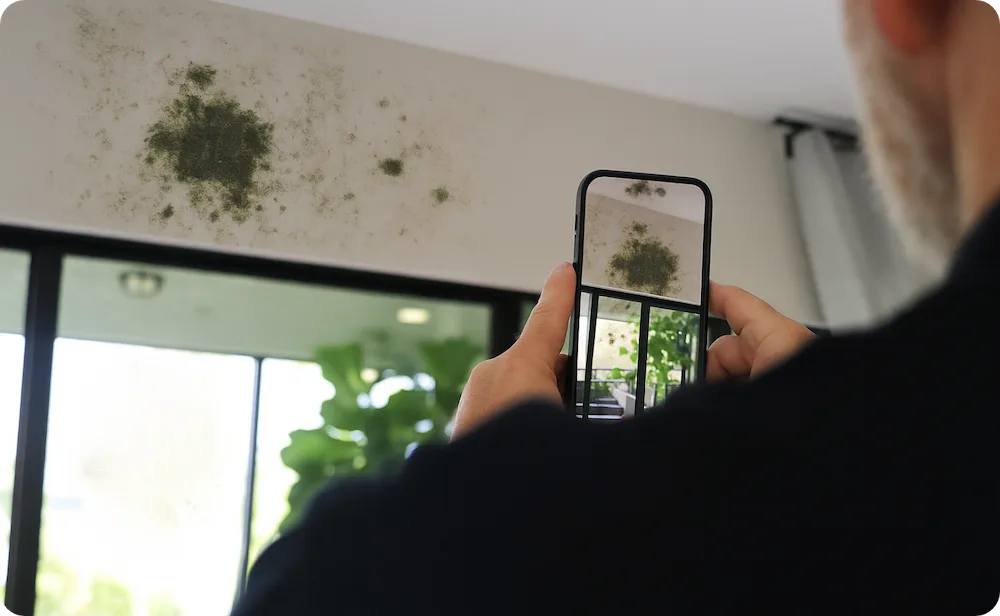
Mold often develops as a result of unresolved moisture or hidden water damage. Professional mold remediation helps identify affected areas, contain growth, and restore healthy indoor conditions.
Explore Our Mold Removal and Remediation Services
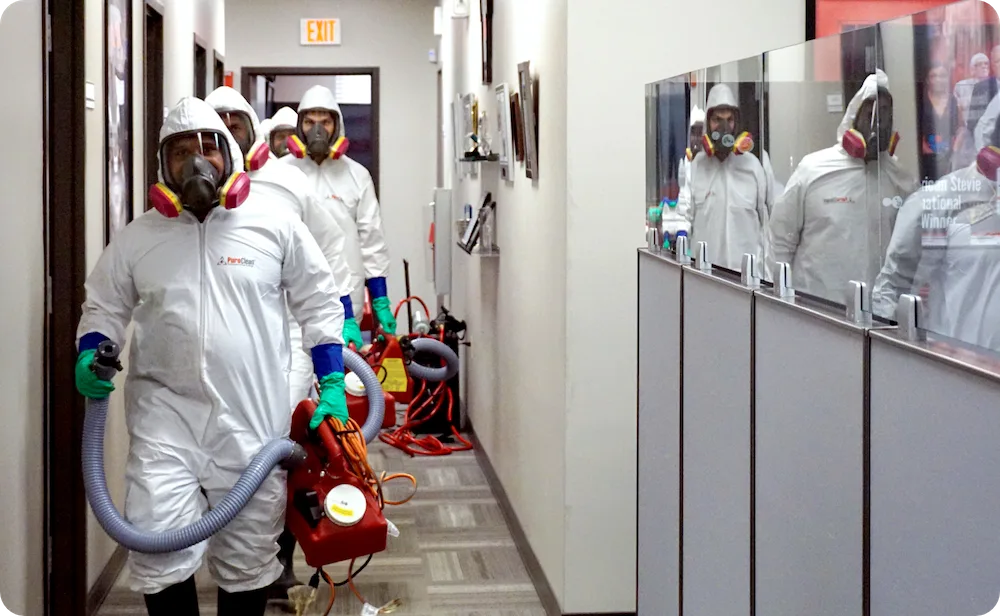
Biohazard situations, including crime scene cleanup and virus decontamination, require specialized cleaning and handling to protect health and safety. Biohazard cleanup services address contamination using proper protocols and professional care.
Explore Our Biohazard Cleanup Services
In some cases, property damage requires repairs beyond cleanup and mitigation. Reconstruction services help restore damaged areas of the home after water, fire, or other incidents, supporting a smoother transition from damage to recovery.
Explore Our Reconstruction Services Services
When a workplace biohazard event impacts your team, you need controlled access, discreet decontamination, and documented clearance so employees can return with confidence. PuroClean of South Apopka supports facilities leaders with safety-focused cleanup and communication-ready records. Biohazard events in workplaces create an immediate duty-of-care obligation — protecting employees from pathogen exposure, psychological trauma, and the risk of improper cleanup.
Explore Our Commercial Biohazard Cleanup Services
For property managers and commercial landlords, mold work usually happens while tenants are still operating. PuroClean of South Apopka sequences containment, remediation, and clearance so you can keep more of the building open while addressing air-quality and liability concerns. Occupied commercial mold remediation creates immediate indoor air quality and liability exposure when people are still working, visiting, or living in the building.
Explore Our Commercial Mold Remediation Services
For facilities managers, fire loss is a schedule problem as much as a building problem. PuroClean of South Apopka builds a milestone-based recovery plan—assessment, stabilization, cleanup, and phased re-occupancy—so operations can resume in the safest, fastest sequence available to your site. Commercial fire recovery is a multi-phase process with defined milestones — assessment, stabilization, structural work, and re-occupancy — not a single cleanup event.
Explore Our Commercial Fire Damage Restoration Services
When water impacts your operation, you may need more than drying—you need a defensible documentation chain for your insurer, building owner, and any re-occupancy requirements. PuroClean of South Apopka focuses on rapid stabilization plus moisture verification you can submit with confidence. Commercial water events trigger insurance notification requirements, landlord-tenant documentation chains, and in regulated industries, mandatory reporting timelines.
Explore Our Commercial Water Damage Restoration Services
Water damage can result from unexpected leaks, flooding from storms, plumbing failures, or appliance malfunctions. Our certified teams focus on rapid water removal, drying, and stabilization to help prevent further damage and mold growth.
Explore Our Water Damage Mitigation Services


PuroClean of South Apopka
(407) 680-2224
970-980 Sunshine Lane, Altamonte Springs, FL 32714

© 2026 PuroClean. All Rights Reserved.