24/7 Emergency Services For Water, Fire, Mold and Biohazard in Valley Hill
PuroClean of South Asheville — 309 Rockwood Road, Arden, NC 28704
Valley Hill grew up along what is now Kanuga Road, once known as Crab Creek Road, where families with names like Anders, Drake, Greer, King, Justus, and Sentell settled the land generations ago. The region’s first post office opened in 1881 under the name Delmont, housed in a store and a Drake family home across from Pleasant Hill Baptist Church, itself tracing back to 1869 as Antioch Baptist Church before a white clapboard building was dedicated at Little River Road and Kanuga Road in 1901; a suspected arson fire destroyed it in 1971, and the brick structure that replaced it still stands beside the original church bell. The section of Valley Hill nearest Crab Creek and Flat Rock is still known locally as Pleasant Hill, named for the 1839 estate of William Johnstone, son of Andrew Johnstone of the Beaumont estate in Flat Rock. That same corner of the community became the site of one of Henderson County’s more dramatic water stories. In 1907, Charlotte banker George Stephens founded the Kanuga Lake Club as a private summer colony, hiring Biltmore architect Richard Sharp Smith and city planner John Nolen to design cottages and a clubhouse around a 100-acre lake formed by damming Little Mud Creek. The Great Henderson County Flood of 1916 broke the Kanuga Lake dam, an event widely credited with ending the club’s run as a private resort; Stephens sold the property in 1923, and by 1928 it had reopened as the Episcopal Kanuga Conference Center, which still draws more than 35,000 guests a year to its 1,400 acres. Valley Hill Baptist Church, along with newer congregations like Covenant Presbyterian and the Unitarian Universalist Fellowship, rounds out the community’s religious history. Today Valley Hill covers 2.4 square miles in central Henderson County, bordered north by Laurel Park and northeast by Hendersonville, with Osceola Lake sitting within its boundaries and about 2,200 residents calling the community home.
Water and fire damage calls our team handles across Valley Hill include:
PuroClean of South Asheville is based at 309 Rockwood Road in Arden, and reaching Valley Hill means traveling south to Hendersonville and then into the hills just southwest of downtown. Our trucks head south on I-26 toward Hendersonville, then take US 25 into the city before picking up Kanuga Road, the same route that has connected this community to town since the days when it was called Crab Creek Road. Kanuga Road carries us directly into the heart of Valley Hill, past the Pleasant Hill Baptist Church site and toward the Kanuga Conference Center at the community’s edge. For homes near Osceola Lake, we continue on the local road network from Kanuga Road to reach the lakeside properties directly. A technician typically reaches Valley Hill within thirty to thirty-five minutes of a call, consistent with the distance involved in reaching this part of Henderson County from our Arden base. Because Valley Hill includes both lakeside terrain and wooded hillside streets, our dispatchers account for the extra few minutes it can take to reach a specific address once we’re off the main road, particularly for homes tucked into the community’s older, less direct street layout inherited from its 19th-century origins.
Valley Hill’s water risk carries a documented history that predates almost every other community in our service area: the Great Henderson County Flood of 1916 was severe enough to break the dam impounding the 100-acre lake at what was then the Kanuga Lake Club, a failure significant enough to end the club’s run as a private resort. That event is a reminder that the creeks feeding this part of Henderson County, including Little Mud Creek, are capable of generating flood levels that overwhelm even substantial impoundments during a major storm, a risk that returned to the region during Hurricane Helene in September 2024, when Henderson County recorded close to 22 inches of rain and flooding affected low-lying areas throughout the county. Valley Hill’s terrain, a mix of lakeside ground near Osceola Lake and rolling, wooded hills further from the water, means flood risk varies significantly within the community itself: properties near the lake and creek corridors face real water exposure during heavy rain, while homes on higher ground deal more with storm runoff and the effects of a dense, mature tree canopy that has grown up over more than a century of settlement. That tree cover, part of what gives Valley Hill its established, wooded character, also means frequent storm damage from falling limbs and full trees, a risk that shows up as roof breaches and resulting water intrusion after nearly every significant windstorm. The community’s age adds another dimension: portions of Valley Hill trace back to the 1880s and earlier, and its historic churches and older homes often carry construction and plumbing from well before modern building codes, making them more susceptible to both winter freeze damage and slow leaks that go unnoticed until mold has developed. Newer homes throughout the community generally meet more current building standards but still sit within the same watershed that has produced serious flooding before. Together, a documented history of catastrophic flood damage, lakeside and creek-adjacent terrain, heavy tree cover, and a housing stock spanning nearly a century and a half make water damage risk in Valley Hill closely tied to a property’s specific location within the community.
Owned & Operated by Donald Slagle
309 Rockwood Road, Arden, NC, 28704
(828) 974-8408
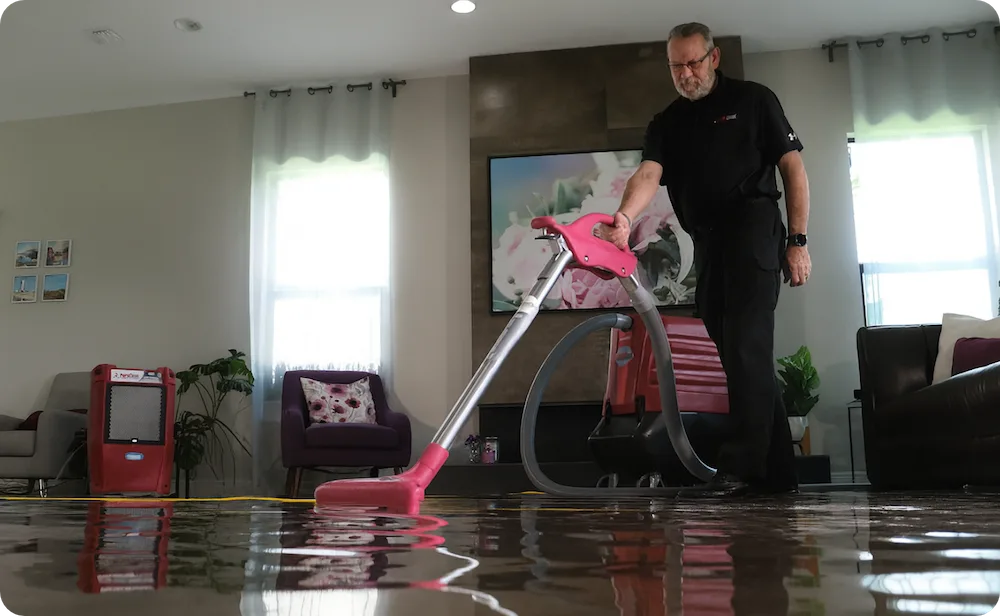
Water damage can result from unexpected leaks, flooding from storms, plumbing failures, or appliance malfunctions. Our certified teams focus on rapid water removal, drying, and stabilization to help prevent further damage and mold growth.
 Explore Our Water Damage Mitigation Services
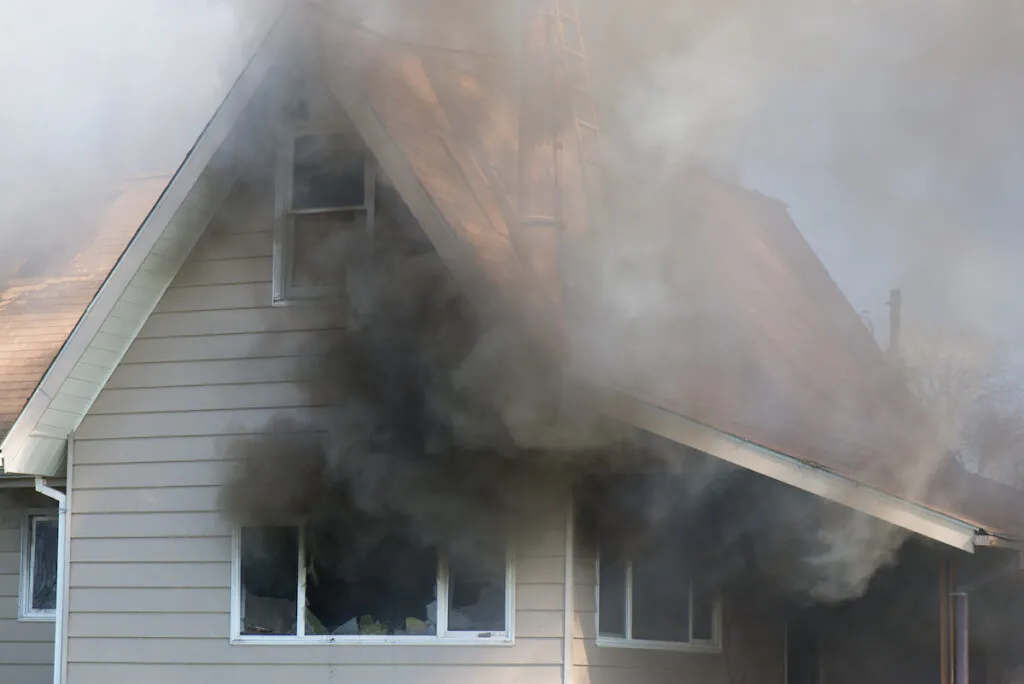
Even after a fire is extinguished, smoke, soot, and odor can continue to affect your home. Fire damage restoration services address visible damage while also helping reduce lingering effects that impact indoor air quality and surfaces.
Explore Our Fire and Smoke Damage Restoration Services
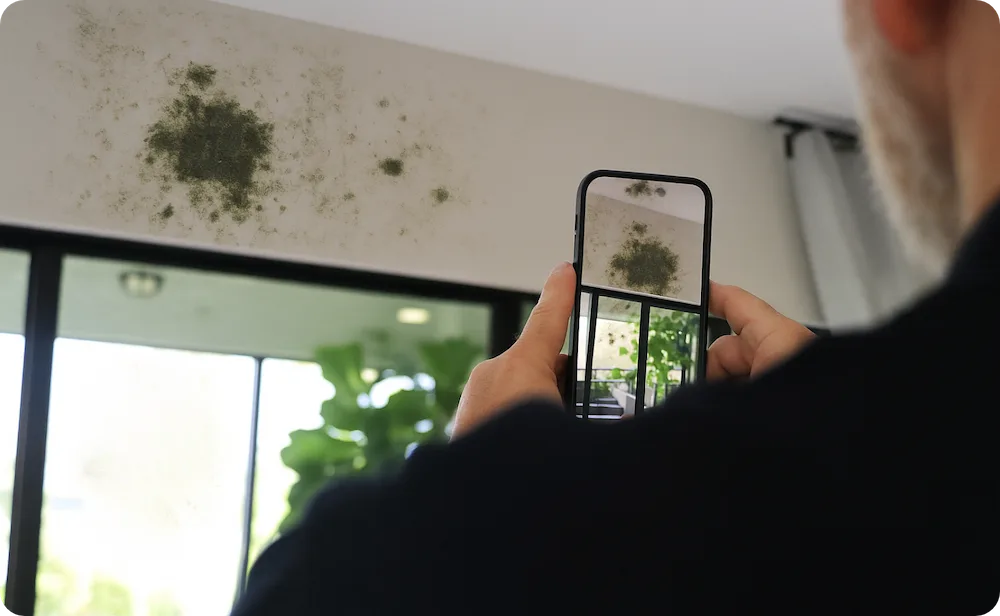
Mold often develops as a result of unresolved moisture or hidden water damage. Professional mold remediation helps identify affected areas, contain growth, and restore healthy indoor conditions.
Explore Our Mold Removal and Remediation Services
Biohazard situations, including crime scene cleanup and virus decontamination, require specialized cleaning and handling to protect health and safety. Biohazard cleanup services address contamination using proper protocols and professional care.
Explore Our Biohazard Cleanup Services
When water gets into plenums, interstitial cavities, or shared building systems, the visible damage is rarely the full scope. PuroClean of South Asheville stabilizes commercial water events with systems-level assessment, rapid extraction, and documented drying milestones to support risk, compliance, and claims decisions. In commercial buildings, water migrates silently through ceiling plenums, HVAC ductwork, and shared wall assemblies before visible damage appears.
Explore Our Commercial Water Damage Restoration Services
For hotels, restaurants, and guest-facing businesses, the first decisions are about what can be restored vs. written off—and how each item is documented for the claim. PuroClean of South Asheville manages smoke/soot recovery alongside contents triage so you can plan phased re-opening with fewer surprises.
Explore Our Commercial Fire Damage Restoration Services
In multi-tenant commercial buildings, a mold discovery quickly becomes a coordination problem—landlord notices, tenant questions, access scheduling, and separate insurance policies. PuroClean of South Asheville delivers source-driven remediation with containment controls and clearance-ready documentation so you can protect occupants, limit spread, and reopen with confidence.
Explore Our Commercial Mold Remediation Services
When an incident disrupts guest-facing operations, coverage questions and documentation timing matter as much as cleanup. PuroClean of South Asheville helps hospitality and commercial managers coordinate biohazard response with the records your insurer and adjuster need—from first entry to final clearance.
Explore Our Commercial Biohazard Cleanup Services
Water damage can result from unexpected leaks, flooding from storms, plumbing failures, or appliance malfunctions. Our certified teams focus on rapid water removal, drying, and stabilization to help prevent further damage and mold growth.
Explore Our Water Damage Mitigation Services
Find answers to common questions about our services
Standard homeowner policies, including HO-B forms, generally exclude rising lake and creek water, which is the primary risk for properties nearest Osceola Lake and the Little Mud Creek corridor. Covering that exposure requires a separate NFIP flood policy. If your property does flood, we document every affected area with photos and moisture readings and build the estimate in Xactimate so it matches whichever coverage applies, whether that is a flood policy or a standard claim for a different, covered water source.
Yes. Valley Hill’s historic churches and older homes, some dating back to the 1800s, often carry original or partially updated plumbing and construction methods that predate modern building codes, which means water can travel and hide differently than in newer construction. We use moisture meters and thermal imaging to check these buildings more carefully for hidden water, and we document period materials and any pre-existing wear separately from new storm or leak damage for insurance purposes.
Wind and fallen-tree damage is common under Valley Hill’s mature tree canopy, and it’s usually covered under the wind or falling-object provisions of a standard homeowner policy rather than treated as flood damage. We can tarp and secure the opening to stop further water intrusion, then document both the structural damage and any resulting water damage as related parts of the same claim for your adjuster.
Yes, though the risk looks different. Homes set back from Osceola Lake and the creek corridors generally face standard storm runoff and wind-related risks rather than direct flooding, but heavy rain can still cause drainage issues on sloped lots, and Valley Hill’s dense tree cover means fallen-limb and fallen-tree damage can affect any property in the community, regardless of elevation.
A technician is typically on-site in Valley Hill within thirty to thirty-five minutes, traveling south on I-26 and into Hendersonville before picking up Kanuga Road into the community. We offer 24/7 emergency response because water spreads and mold risk builds fast, often within 24 to 48 hours of a water event starting, and our dispatchers factor in the community’s mix of lakeside and hillside streets to choose the fastest route to a specific address.
What Our Customers Say:
When you need water damage restoration services near you, call the experts at PuroClean. We are here day or night, 24/7, to help remove any standing water quickly and begin your water restoration service. We monitor the drying process so you can rest assured that your property is dried thoroughly. We offer commercial water restoration services for businesses and residential water damage restoration for homeowners.

PuroClean of South Asheville
(828) 974-8408
309 Rockwood Road, Arden, NC 28704

© 2026 PuroClean. All Rights Reserved.