 PuroClean of Southlake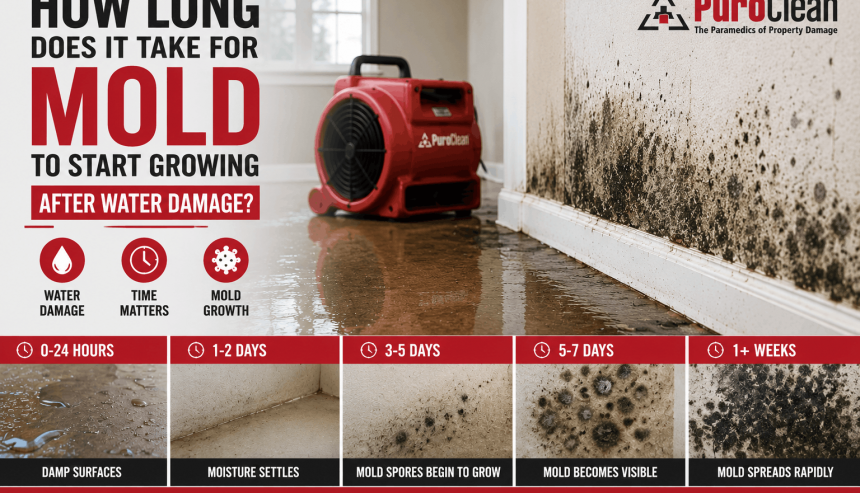
Water damage can happen suddenly, whether from a burst pipe, heavy rain, or appliance failure. What many homeowners don’t realize is how quickly mold can begin to develop after water exposure. If moisture is not addressed immediately, mold growth can start sooner than expected and spread rapidly throughout your property.
Understanding how long it takes for mold to start growing after water damage is critical for protecting your home and health. Mold thrives in damp environments and can begin forming within a short time if conditions are right. For homeowners in Southlake and nearby areas like Grapevine, Keller, and Colleyville, quick action is essential to prevent costly damage and health risks.
In this guide, we’ll explain the timeline of mold growth, warning signs to watch for, and what steps you should take to prevent mold after water damage.
How Fast Does Mold Grow After Water Damage?
Mold growth can begin within 24 to 48 hours after water damage occurs. This is why immediate response is so important.
Mold Growth Timeline
- 0–24 hours:
Surfaces become damp, creating the perfect environment for mold spores. - 24–48 hours:
Mold spores begin to settle and grow on wet materials like drywall, wood, and carpet. - 48–72 hours:
Mold colonies become visible and start spreading. - 3–7 days:
Mold growth expands rapidly and may begin to affect indoor air quality. - 1 week and beyond:
Severe mold infestation can develop, leading to structural damage and potential health issues.
This fast timeline highlights why delaying cleanup after water damage can lead to much bigger problems.
Why Mold Grows So Quickly
Mold spores are naturally present in the air and only need the right conditions to grow.
Conditions That Promote Mold Growth
Mold grows quickly when these factors are present:
- Moisture or standing water
- Warm temperatures
- Organic materials (wood, drywall, carpet)
- Poor ventilation
- High humidity levels
After water damage, most homes provide the perfect environment for mold to thrive, especially in hidden areas like wall cavities and crawl spaces.
Common Areas Where Mold Appears After Water Damage
Mold does not always grow in visible areas. It often develops in hidden spaces where moisture is trapped.
High-Risk Areas Include:
- Behind drywall
- Under carpets and padding
- Inside insulation
- Around baseboards
- Inside cabinets and vanities
- Crawl spaces and attics
Because mold can grow out of sight, professional inspection is often needed to detect hidden moisture.
Signs Mold Is Starting to Grow
Knowing the early signs of mold growth can help you take action before it spreads.
Warning Signs to Watch For:
- Musty or damp odors
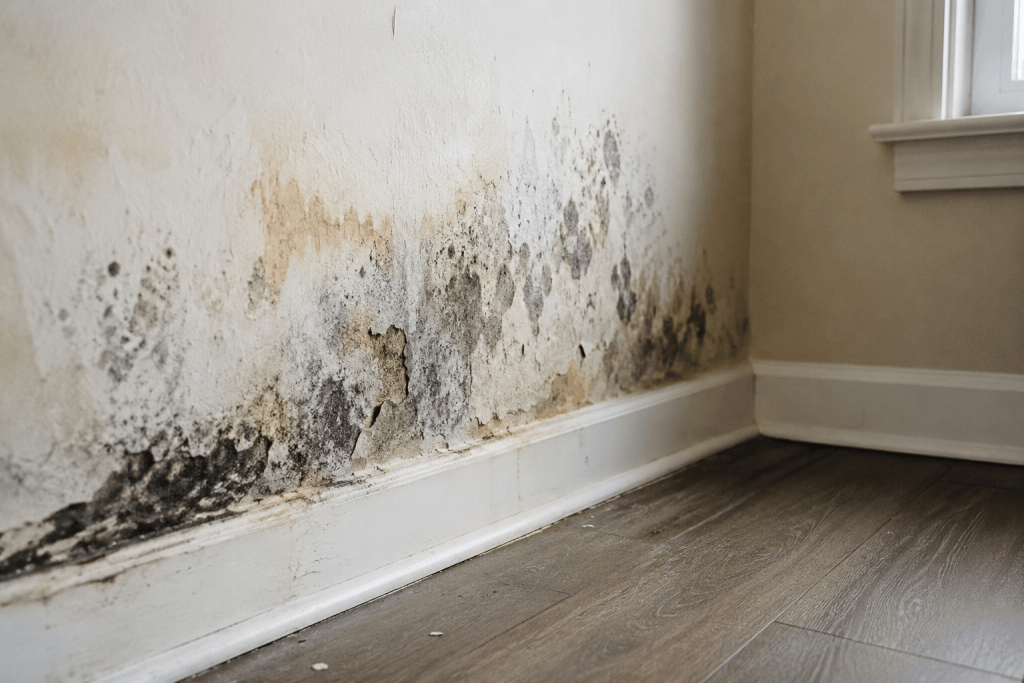
- Dark spots or discoloration on walls or ceilings
- Warped or peeling paint
- Increased allergy symptoms (sneezing, coughing, irritation)
- Visible mold patches (black, green, or white)
If you notice any of these signs after water damage, it’s important to act quickly.
Health Risks of Mold Exposure
Mold growth is not just a property issue. It can also affect your health.
Potential Health Effects Include:
- Respiratory issues
- Allergic reactions
- Skin irritation
- Headaches and fatigue
- Worsening asthma symptoms
Children, elderly individuals, and people with weakened immune systems are especially vulnerable.
How to Prevent Mold After Water Damage
Preventing mold is all about speed and proper drying.
Steps to Prevent Mold Growth
1. Remove Water Immediately
Start water extraction as soon as possible to reduce moisture levels.
2. Dry the Area Thoroughly
Use fans, dehumidifiers, and proper ventilation to dry affected areas.
3. Remove Damaged Materials
Wet carpets, insulation, and drywall may need to be removed if they cannot be dried quickly.
4. Clean and Sanitize Surfaces
Use appropriate cleaning solutions to eliminate bacteria and contaminants.
5. Monitor Moisture Levels
Ensure all areas are completely dry to prevent mold from returning.
Why Professional Restoration Is Important
While small spills can be handled at home, water damage often requires professional attention.
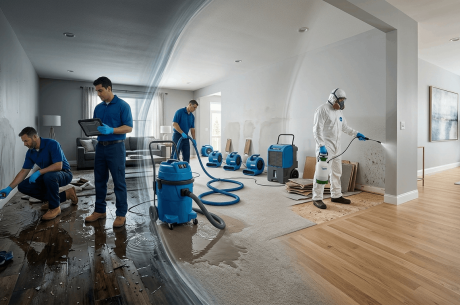
Professional restoration companies use advanced equipment such as:
- Industrial air movers
- Commercial dehumidifiers
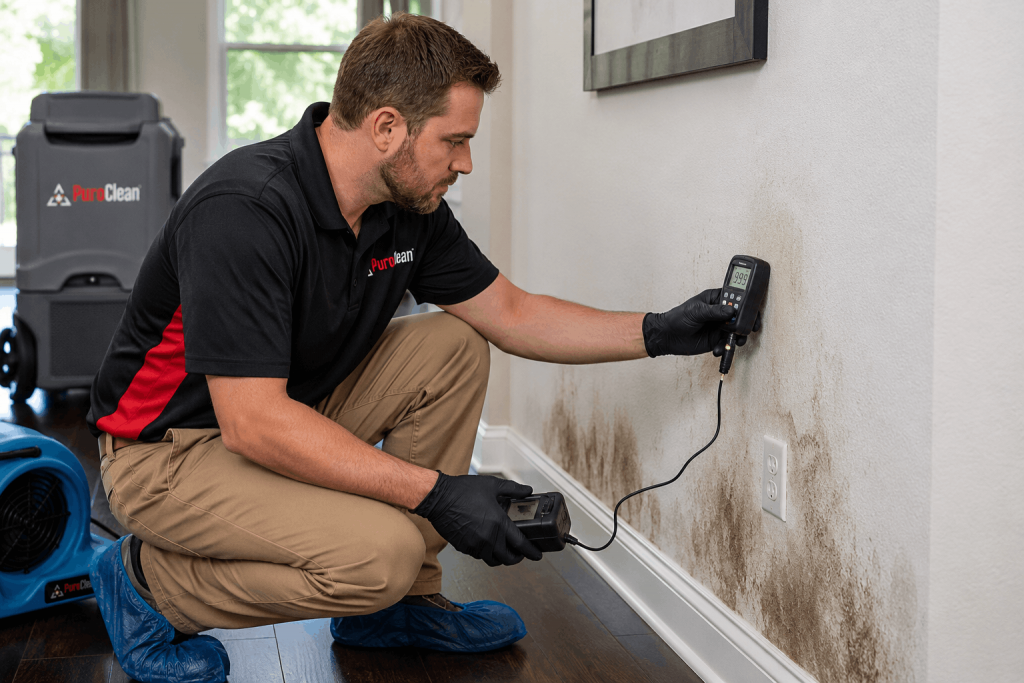
- Moisture detection tools
- Thermal imaging equipment
These tools help detect and eliminate hidden moisture that homeowners might miss.
The experienced team at PuroClean of Southlake provides fast and effective water damage restoration services, helping homeowners prevent mold growth before it becomes a serious issue.
When to Call a Professional
You should contact a professional restoration company if:
- Water damage covers a large area
- Water has soaked into walls or flooring
- You notice signs of mold growth
- The damage involves contaminated water
- The area cannot be dried within 24–48 hours
Homeowners in Southlake, Grapevine, Keller, and nearby areas can rely on PuroClean of Southlake for quick response and professional restoration services.
Conclusion
Mold can begin growing within 24 to 48 hours after water damage, making quick action essential. The longer moisture remains in your home, the greater the risk of mold growth and structural damage.
Understanding how long it takes for mold to start growing after water damage helps homeowners take immediate steps to protect their property and health. By acting quickly and ensuring proper drying, you can significantly reduce the risk of mold.
If water damage has already occurred, professional restoration services can help prevent further issues and restore your home safely.
If your home has experienced water damage, don’t wait for mold to develop. Immediate action can prevent costly repairs and health risks.
PuroClean of Southlake is available 24/7 to provide expert water damage restoration and mold prevention services. Our trained technicians use advanced equipment to remove moisture, dry affected areas, and restore your property quickly.
Call PuroClean of Southlake today to schedule an inspection or get emergency assistance.
FAQ
1. Can mold grow in less than 24 hours after water damage?
Mold usually begins growing within 24–48 hours, but in some cases, growth can start even sooner depending on humidity and temperature.
2. Does drying water completely prevent mold growth?
Yes, proper drying significantly reduces the risk of mold. However, hidden moisture must also be removed to prevent future growth.
3. Is it safe to stay in a home with mold?
Small amounts of mold may not be harmful, but larger infestations can cause health problems. It’s best to address mold issues quickly.
 PuroClean of Southlake