


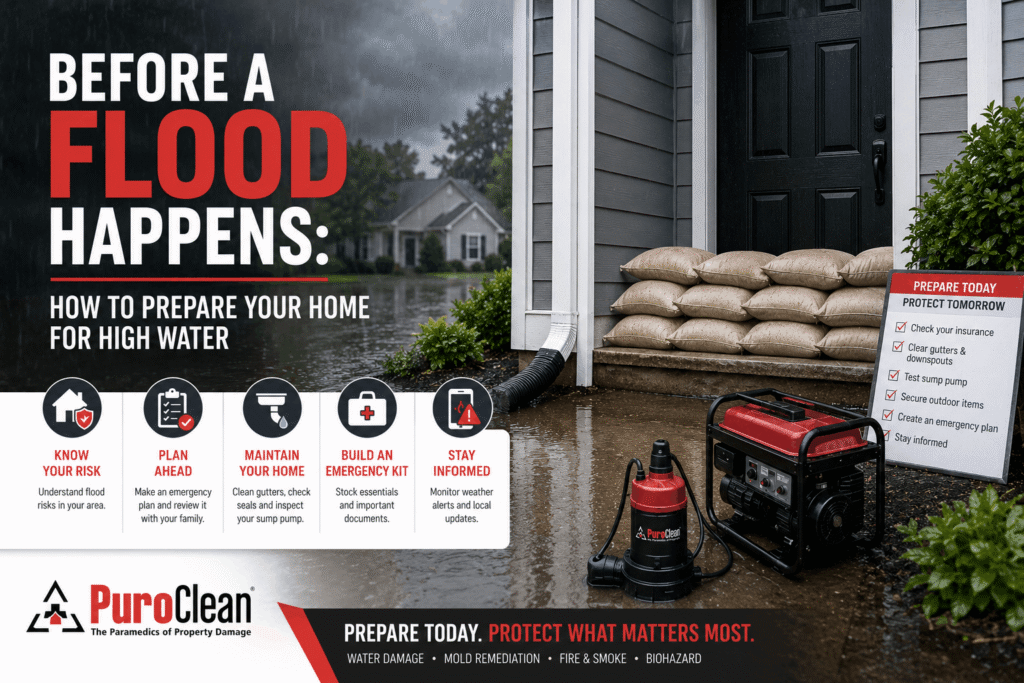
Flooding can happen with little warning, especially during heavy storms or rising water levels. Many homeowners only think about protection after damage has already occurred. The reality is that preparation is the most effective way to reduce risk and protect your home. Understanding before a flood happens: how to prepare for high water can save you thousands of dollars in repairs and prevent long-term damage.
Floodwater can quickly enter your home, damaging walls, flooring, furniture, and electrical systems. For homeowners in Southlake and nearby areas like Grapevine, Keller, euless, and Colleyville, storm-related flooding is a real concern. Taking proactive steps now can help you stay prepared and minimize the impact of high water.
In this guide, we’ll walk you through practical steps to prepare your home before a flood happens.
Why Flood Preparation Is Important
Flood damage is not just about water entering your home. It can lead to serious structural issues, mold growth, and expensive repairs.
Risks of Flooding Include:
- Damage to walls, flooring, and foundation
- Electrical hazards
- Loss of personal belongings
- Mold and mildew growth
- Long-term structural weakening
Preparation helps reduce these risks and makes recovery faster if flooding occurs.
Before a Flood Happens: How to Prepare for High Water
Taking action early is the best way to protect your property. Knowing before a flood happens: how to prepare for high water gives you a clear advantage when severe weather hits.
1. Understand Your Flood Risk
Start by assessing whether your home is in a flood-prone area.
What to check:
- Local flood zone maps
- History of flooding in your area
- Drainage conditions around your home
Understanding your risk helps you plan effectively.
2. Improve Drainage Around Your Home
Proper drainage is essential to keep water away from your property.
Steps to take:
- Ensure the ground slopes away from your foundation
- Clear outdoor drains and gutters
- Extend downspouts away from the house
Good drainage reduces the chances of water pooling near your home.
3. Seal Foundation Cracks and Openings
Even small cracks can allow water to enter during heavy rain.
Tips:
- Inspect your foundation regularly
- Seal cracks with waterproof materials
- Check around windows and doors
Keeping your home sealed helps prevent water intrusion.
4. Install a Sump Pump with Backup Power
A sump pump is one of the most effective tools for flood prevention.
Best practices:
- Install in the lowest part of your basement
- Test regularly
- Add a battery backup system
This ensures your sump pump works even during power outages.
5. Elevate Important Items
Protect valuable belongings by keeping them above potential flood levels.
What to elevate:
- Electrical systems and appliances
- Furniture and storage boxes
- Important documents
This simple step can prevent major losses.
6. Install Flood Barriers and Backflow Valves
Additional protection can help block water from entering your home.
Options include:
- Temporary flood barriers
- Sandbags
- Backflow valves to prevent sewer backups
These tools are especially useful during heavy storms.
7. Create an Emergency Plan
Being prepared goes beyond physical protection.
Your plan should include:
- Emergency contact numbers
- Evacuation routes
- A checklist of essential items
Preparation helps you act quickly when needed.
What to Do When a Flood Warning Is Issued
If flooding is expected, take immediate action to protect your home.
Quick Actions:
- Move valuables to higher levels
- Turn off electricity if safe
- Secure outdoor items
- Prepare emergency supplies
Acting early can reduce damage and keep your family safe.
After Flooding: What Comes Next
Even with preparation, flooding can still occur. Knowing what to do afterward is important.
Immediate Steps After Flooding:
- Avoid standing water due to electrical risks
- Remove water as quickly as possible
- Begin drying affected areas
- Document damage for insurance
Quick action helps prevent further damage and mold growth.
Why Professional Help Is Essential After Flooding
Floodwater can leave behind hidden moisture and contamination that require professional treatment.
Professional restoration companies use:
- Advanced water extraction equipment
- Industrial drying systems
- Moisture detection tools
The experienced team at PuroClean of Southlake provides fast and reliable flood damage restoration services to help homeowners recover quickly and safely.
Conclusion
Understanding before a flood happens: how to prepare for high water is one of the most important steps homeowners can take to protect their property. Preparation reduces damage, lowers repair costs, and helps you respond effectively during emergencies.
By improving drainage, sealing your home, installing protective systems, and having a clear plan, you can significantly reduce the impact of flooding. For homeowners in Southlake and nearby areas, being proactive is the best defense against high water.
If your home has experienced flooding or water damage, don’t wait to take action.
PuroClean of Southlake offers professional water damage restoration services to help restore your home quickly and prevent further issues. Their trained technicians use advanced equipment to remove water, dry affected areas, and ensure your property is safe.
Contact PuroClean of Southlake today for expert assistance and peace of mind.
FAQs
1. What is the most important step to prepare for flooding?
Improving drainage and sealing your home are among the most effective steps to prevent flood damage.
2. Can sandbags completely stop flooding?
Sandbags can help reduce water entry but may not completely prevent flooding in severe conditions.
3. How quickly should I act after flooding?
You should act immediately to remove water and begin drying to prevent mold growth and further damage.