


Table of Contents
Preparing for a spring storm before severe weather arrives can help reduce property damage, flooding, and safety risks. The most effective storm preparedness steps include cleaning gutters, inspecting your roof, trimming trees, checking your sump pump, and creating an emergency plan. Strong winds, heavy rain, lightning, and flash flooding are common during spring in Springfield, VA, making early preparation essential for protecting your family and property.
What Is a Spring Storm?
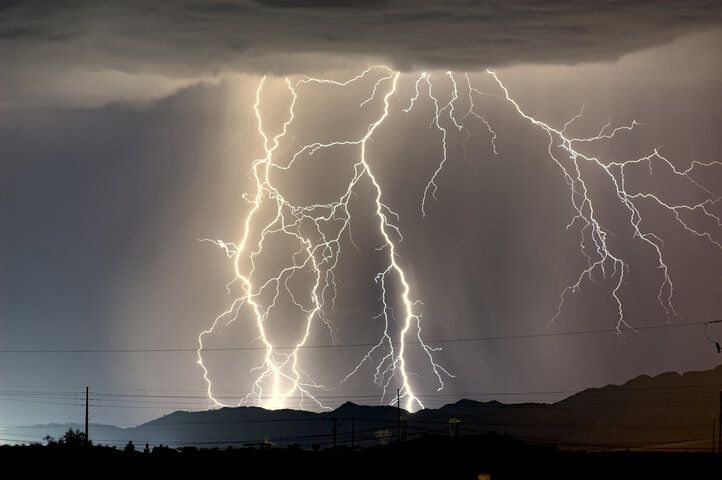
A spring storm is a seasonal weather event that may include heavy rainfall, thunderstorms, strong winds, hail, flash flooding, lightning, and even tornado activity in some areas. These storms often develop quickly because of changing temperatures and unstable atmospheric conditions common during spring months.
Spring storms can create both immediate and long-term property damage if homes are not properly prepared. High winds may damage roofs and siding, while heavy rain can lead to flooding, leaks, and water damage inside the property. Understanding the risks associated with spring storms can help homeowners take steps to better protect their homes and families.
What Can You Do to Prepare for Severe Spring Storms?
We can’t change the weather, but we can prepare ourselves to handle it better when it comes. Follow these 10 spring storm preparedness tips to protect yourself, your family, and your property from severe spring weather.
1. Trim Shrubs and Branches Near Home and Power Lines
Make sure no trees or bushes hang over the roof or any windows. During spring storms, these hanging limbs might shatter glass and roof shingles and cause other harm. A strong spring storm may easily rip away a loose branch and hurl it through the air. Remove all dead and broken branches. Clear trees and bushes away from power lines.
2. Check the Gutters
If your gutters are clogged, water can back up into your roof, meaning spring storm damage to your roof is much more likely. This often happens when the ice melts after accumulated winter debris blocks gutters. Keep drains and gutters clean and clear to ensure proper drainage. Also, ensure gutters are securely attached to the house to safeguard against strong winds.
3. Clear the Lawn of Debris
Ensure fallen branches and yard debris are picked up and not allowed to accumulate against your home’s foundation, windowsills, or doors. Strong spring storm winds can cause them to become projectiles. When a storm is imminent, secure all loose items in your yard, bringing them inside if possible, and move vehicles and equipment to high ground.
4. Caulk Windows and Doors
The windows and doors in your house may be susceptible to fractures that create the opportunity for spring storm damage that wouldn’t have occurred otherwise. Seal all cracks and gaps around doors with caulk, protecting them from spring storms. Caulking windows and doors help prevent leaks, which can lead to water damage.

At their most severe, spring storms can cause significant property damage.
5. Inspect The Roof
No matter what type of roof your home may have, inspect it in the springtime for signs of anything that may have been weakened over winter. Spring storms are usually turbulent and gusty, so any weakness will most likely be taken advantage of.
6. Prepare an Emergency Kit
In case of spring storm emergencies, it’s a good idea to have an emergency kit ready in your house. Include nonperishable foods and water bottles to last 3-5 days minimum, necessary prescription and non-prescription medicines, and first aid supplies in your kit. Blankets, warm clothes, and personal hygiene products are also recommended. If you have a pet, ensure you also have a spring storm emergency kit prepared for them. You should also have a working fire extinguisher handy.
7. Create a Disaster Preparedness Plan
Create a disaster preparedness plan. Establish an outside meeting place and escape routes from each room in your house. Also, practice the plan with family members. Include your pets in the plan and make sure they wear an ID tag. Ensure you and your family know how to turn off utilities and use a fire extinguisher.
8. Review Insurance Coverage
When planning for spring storm preparedness, review your insurance coverage with your agent and ensure you understand what’s covered and what isn’t. Obtaining flood insurance is generally a good idea since it isn’t included in standard homeowners’ policies. But don’t wait – flood insurance policies take 30 days to go into effect.
Take a home inventory in case you need to file an insurance claim. Also, secure critical information in a waterproof container, such as documents, personal numbers, and insurance policies. After a spring storm passes, take note of any damage to your home so you can follow up with insurance companies who may need proof of spring storm damage. This includes photographing damaged items, such as broken windows, fallen trees/branches, etc.
9. Prepare the Garden Shed
Make sure your garden shed and all your tools and equipment are secured. You may not need to go into it during a spring storm, but knowing what needs protecting is better than nothing. Don’t forget to include the garden shed and other outbuildings in your inventory.
10. Check Your Sump Pump
If your home has a sump pump, check that it’s working correctly. A malfunctioning sump pump can contribute to flooding in your home when it fails to remove the incoming water, leaving water damage. Be sure to run through an essential maintenance checklist ahead of time to verify that everything is running smoothly.
Storm Damage Restoration in Springfield, VA
Even with proper preparation, severe storms can still cause unexpected damage. Water intrusion, structural damage, and flooding often require professional restoration services to fully restore the property.
PuroClean provides professional storm damage restoration services in Springfield, VA. From water extraction and drying to structural cleanup and repairs, our team helps homeowners recover after severe weather events.
FAQs About Spring Storm Preparedness
What should I do before a spring storm arrives?
Secure outdoor items, clean gutters, inspect the roof, and prepare emergency supplies. It is also important to monitor local weather alerts.
Can clogged gutters cause storm damage?
Yes. Blocked gutters may force water onto the roof or around the foundation, increasing the risk of leaks and flooding.
How often should I test my sump pump?
Sump pumps should be tested regularly, especially before heavy spring rainfall or storm season begins.
Does homeowners insurance cover flood damage?
Standard homeowners insurance policies often do not cover flood damage. Separate flood insurance may be required.
Why is tree trimming important before storms?
Weak or overhanging branches may break during strong winds and damage roofs, vehicles, windows, or power lines.
Protect Your Property Before the Next Spring Storm
Preparing early for severe weather can help reduce damage, improve safety, and make recovery easier after a storm. Following proven spring storm preparedness strategies can help protect your home, family, and belongings throughout storm season in Springfield, VA.
If your property experiences storm, flood, or water damage, PuroClean is ready to help with professional restoration services. Contact us at (703) 334-0410.
Key Takeaways
- PuroClean provides storm damage restoration services in Springfield, VA
- Spring storm preparation helps reduce property damage and safety risks
- Clean gutters and inspect roofing before severe weather arrives
- Trim trees and secure outdoor items to prevent wind damage
- Test your sump pump before heavy rainfall begins
- Create a household emergency preparedness plan
- Review insurance coverage before storm season
Explore more: