 PuroClean of Bulls Head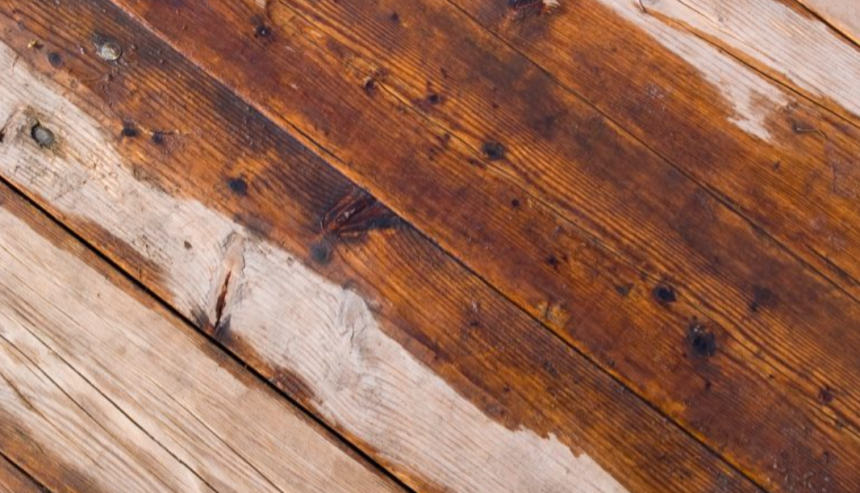
How to Protect Hardwood Floor from Water Damage
Water is arguably one of the biggest enemies of hardwood floors which is why you need to know how to Protect Hardwood Floors. After a flood, your best chance of recovering your flooring is to hire a professional restoration company immediately. However, failing to protect your floor from moisture or spills on a daily basis can also cause irreversible damage.
What are hardwood floors?
Hardwood floors are flooring surfaces made from natural hardwoods, typically sourced from deciduous trees like oak, maple, cherry, or walnut. These floors are highly valued for their durability, timeless aesthetic appeal, and the warmth they bring to interior spaces.
Hardwood floors come in various styles, including solid hardwood, engineered hardwood, and parquet. Solid hardwood consists of planks cut from a single piece of timber, while engineered hardwood is made of layers of wood bonded together with adhesives. Parquet floors feature geometric patterns created by arranging small wood pieces in intricate designs. Hardwood floors can be finished with various stains and sealants to enhance their appearance and protect them from wear and tear. They’re popular in residential and commercial settings alike.
Tips To Protect Hardwood Floors
- Remove wet, moist, or damp items, such as carpets, clothes, boots, or appliances, from contact with the floor as soon as possible.
- Wipe up any spills from the surface immediately to prevent the liquid from penetrating the floor.
- If a room with hardwood floor has an exterior door, place a rug in front of the door.
- Inspect the plumbing and fix any leaks that might contribute to water getting onto the floor surface (or any structural component, for that matter).
- Control the humidity in your home. During the summer, air tends to be moister and during the winter, the air is dryer. Both moist and dry air can affect wood, so adjust your humidifier accordingly.
- Reinforce the sealant on your hardwood floor periodically. Wax sealants should be refinished annually. Polyurethane sealants (oil or water based) last longer and only require maintenance every few years.
- When cleaning hardwood floors, use a quality product intended specifically for hardwood floors. Make sure you don’t leave pools or puddles of liquid, no matter how small, on your floor. Don’t soak the mop head or the cloth you are using; instead, only dampen them.
How professionals restore hardwood floor water damage
Restoring hardwood floors damaged by water requires a systematic approach to prevent further deterioration and restore the flooring to its original condition.
Here are the steps professionals typically take:
Assessment:
The first step is to assess the extent of the water damage. Professionals will inspect the affected area to determine the severity of the damage and identify any underlying issues.
Water Extraction:
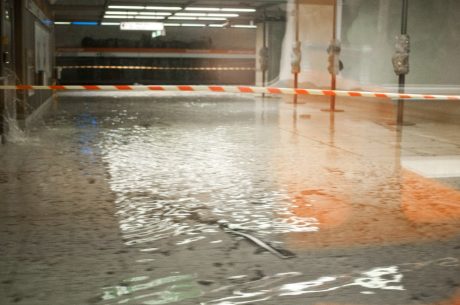
If there’s standing water on the hardwood floor, it needs to be extracted immediately using specialized equipment like wet vacuums or pumps. Removing the water promptly helps prevent further damage and reduces the risk of mold growth.
Drying:
Once the water is removed, thorough drying is essential to prevent warping, cupping, or buckling of the hardwood. Professionals use high-powered fans, dehumidifiers, and sometimes specialized drying mats to expedite the drying process. This step may take several days to complete.
Moisture Testing:
After drying the surface, moisture testing is conducted to ensure that the wood has reached an acceptable moisture content level for restoration work to proceed. This step helps prevent future problems like mold growth or further structural damage.
Sanding and Refinishing:
Depending on the severity of the damage, professionals may need to sand down the hardwood floor to remove any water stains, unevenness, or imperfections. After sanding, the floor is refinished with a new coat of stain and sealant to restore its appearance and protect it from future water damage.
Repair or Replacement:
In cases of severe water damage where the wood is extensively warped or damaged beyond repair, sections of the hardwood may need to be replaced. This could involve removing and replacing individual planks or sections of the floor to restore its integrity.
Preventative Measures:
Once the restoration process is complete, professionals may recommend installing moisture barriers, improving ventilation, or addressing any underlying issues to prevent future water damage.
Cleanup and Restoration:
Finally, the area is thoroughly cleaned, and any furniture or belongings are returned to their original positions. The goal is to leave the space looking and feeling like new while ensuring that it’s safe and structurally sound.
Call PuroClean on (347) 501-6155 for Water Damage Restoration Services in New York
Water damage in homes may appear on the surface as a minor loss, but it can quickly escalate needlessly into bigger problems, contributing to issues with both property and personal health. Timing is critical to reduce further damage. Call PuroClean of Bullshead on (347) 501-6155 right away for licensed and certified technicians who work compassionately, professionally, and quickly to contain the water and mitigate the potential devastation.
 PuroClean of Bulls Head