 PuroClean Emergency Restoration Services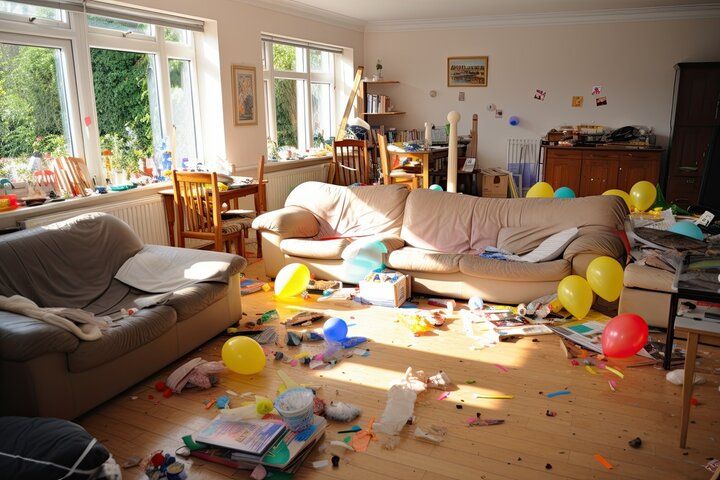
Table of Contents
A clean home is more than just visually appealing—it’s essential to your health. A cluttered, dusty, or moldy environment can harbor bacteria, allergens, and toxins that quietly threaten your well-being. If you’ve been coughing more often, struggling with allergies, or feeling anxious in your own space, your home’s cleanliness could be the cause.
In this guide, PuroClean Emergency Restoration Services of Sterling, VA explains the hidden health risks of a dirty home, the most common sources of indoor contamination, and professional steps to create a safer, healthier living space.
Four Health Risks That Dirty Homes Can Pose
We know a dirty house is not the most appealing and inviting environment. Living in an unclean space can be detrimental to your health. There are four health risks to be aware of resulting from a dirty home.
1. Respiratory problems
One of the most serious health risks of a dirty home is poor indoor air quality. Dust, mold, pet dander, and pollen accumulate in carpets, furniture, and air ducts, leading to respiratory distress. Over time, these pollutants can worsen conditions such as asthma and chronic bronchitis.
According to the EPA, indoor air pollution can be two to five times higher than outdoor levels, particularly in poorly ventilated homes. For Sterling homeowners, this problem is amplified by Virginia’s seasonal humidity, which allows mold to thrive in walls, HVAC systems, and bathrooms.
Prevention tip: Vacuum carpets weekly with a HEPA filter, clean air vents regularly, and use a dehumidifier to maintain indoor humidity below 50%.
2. Skin infections
Your skin is your first line of defense against infection—but in a dirty home, it’s also one of the first to suffer. Bacteria-laden bathrooms, unwashed linens, and moldy shower tiles can cause rashes, athlete’s foot, or dermatitis. Research from the National Institutes of Health shows that exposure to household microbes can increase the risk of skin infections up to sixfold in unclean environments.
In Sterling’s warmer months, high humidity makes bathrooms and kitchens hotspots for bacterial growth. Regular cleaning with non-toxic disinfectants and ensuring proper ventilation can reduce these risks dramatically.
Pro tip: Replace sponges and towels frequently, and disinfect bathroom surfaces weekly to prevent bacterial buildup.
3. Gastrointestinal problems
Unsanitary conditions in kitchens—like dirty countertops or unrefrigerated food—can lead to foodborne illnesses caused by Salmonella, E. coli, or Listeria. Spoiled food or moldy refrigerators are especially dangerous after power outages.
Improper food storage in a dirty home can trigger nausea, vomiting, and diarrhea. Always clean cooking areas before preparing food and discard expired items promptly. For Sterling residents, summer heat and humidity can accelerate spoilage, so inspect your fridge and pantry often.
Expert advice: Sanitize surfaces with a mixture of vinegar and water, and wash hands before and after handling food to prevent cross-contamination.
4. Mental health problems
A disorganized environment doesn’t just affect your physical health—it takes a toll on your mind, too. Studies published in Personality and Social Psychology Bulletin found that people living in cluttered homes reported higher levels of cortisol, the stress hormone.
Constant exposure to mess and chaos can lead to anxiety, depression, and difficulty concentrating. In Sterling, where many homeowners juggle busy family and work lives, clutter can quietly amplify daily stress.
Simple fix: Dedicate 10–15 minutes a day to tidying one small area. Even modest progress reduces visual noise and improves focus.

Check hard–to–reach areas for dust, clutter, and mold you might have missed.
Common Culprits to Consider
A home can appear clean while still harboring invisible threats. Here are the most overlooked culprits that contribute to poor indoor hygiene and illness:
Pets
A dirty house is no fun for anyone, especially your furry friends. Pets are also at risk for health issues if they ingest dirt and debris. Allergies and other respiratory problems can affect pets as well. Pets are also responsible for tracking dirt and other unsightly messes indoors, thanks to their fur and dander.
The tiny cells in animal fur can become lodged in carpets and home furnishings. As they accumulate, the cells create an ideal environment for dust mites and other allergens, triggering a reaction in allergy sufferers. Keeping your home clean for your pet’s sake and your own is vital. Vacuuming and sweeping your home can keep the dander, fur, and dirt in your home at bay. Dusting frequently can eliminate any potential allergens.
Carpeting
Carpets harbor a lot of hidden allergens and harmful microorganisms. A carpet’s warm and fuzzy surface allows germs to attach and remain in the fibers, exposing people prone to allergies to irritants. Cleaning carpets regularly ensures that they stay clean without posing a health risk. Wipe up spills and stains promptly; delaying cleaning makes the mess challenging to remove later.
Hidden mold
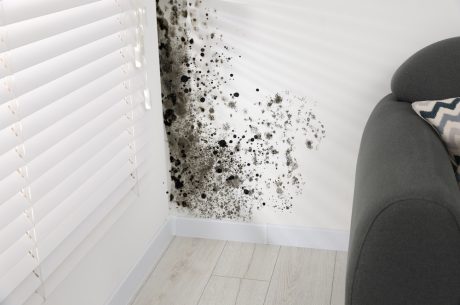
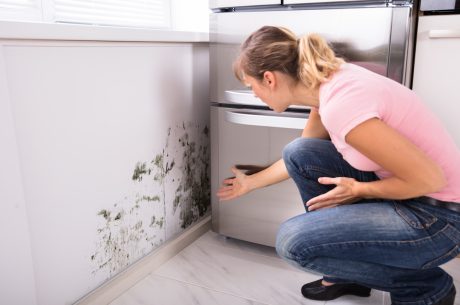
It’s a misconception that mold only grows in a dirty house. Mold can grow wherever there is moisture. It’s crucial to check moisture-prone areas in your home, including under your kitchen sink, heating vents, and anywhere high humidity levels can lead to a mold outbreak.
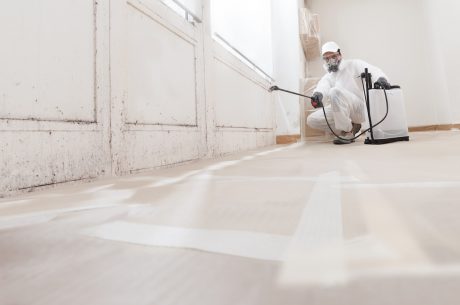
If you encounter mold in your home, you can contact a professional mold remediation company to remove it immediately. Prolonged mold exposure can cause severe health issues, so don’t gamble with your health.
Mattresses, bed sheets, and pillows
If you have asthma, allergies, or another respiratory problem, you may want to have a closer look at your bed. Dust mites are tiny creatures that flourish in grimy spaces and love nothing more than a good night’s sleep in a dirty bed. These mites feed on dead skin cells, and their excrement contains allergens that can worsen respiratory issues. Dust mites can also provoke skin irritations.
Wash your bed linens, such as sheets and pillowcases, at least once a week in hot water to thoroughly kill any dust mites that may be present. Use a vacuum brush to reach crevices and corners when cleaning your mattress. Expose your pillows to fresh air before placing a clean pillowcase.
Air ducts
There’s one area of your home that you may be neglecting: your air ducts. Over time, these ducts can fill with dust, pet hair, pollen, and other allergens. As a result, the indoor air that flows through your ducts can become contaminated, leading to respiratory problems and a dirty house.
Many experts recommend having air ducts professionally cleaned every three to five years. However, if you live in an area of high pollution or have smokers in the home, you may need to clean them more often. Don’t forget to change your air conditioning and heating filters regularly.
It’s clear that a messy home is not only an eyesore but is also dangerous to your health. By implementing the appropriate measures to ensure your home stays clean, you can create a healthy environment for you and your family.
Conclusion
A dirty home poses more than just cosmetic issues—it’s a direct health risk that affects your lungs, skin, digestion, and mental well-being. Regular cleaning, proper ventilation, and prompt mold removal are key to maintaining a safe, comfortable environment.
For homeowners in Sterling, VA, where humidity and seasonal allergens are common, proactive home hygiene is essential. If you suspect mold, odors, or poor indoor air quality, trust PuroClean Emergency Restoration Services to restore your home’s health and safety.
Call (703) 579-8912 today to schedule a professional evaluation and breathe easier knowing your home is in expert hands.
FAQ: Health Risks in a Dirty Home
Q1: Can a dirty home really make me sick?
Yes. Dust, mold, and bacteria can trigger respiratory issues, allergies, and infections if left unchecked.
Q2: What are signs that my home’s air quality is poor?
Frequent coughing, sneezing, musty odors, and visible dust buildup often indicate low indoor air quality.
Q3: How often should I clean my air ducts and carpets?
Every 3–5 years for air ducts and at least twice a year for carpets—more frequently if you have pets or allergies.
Q4: Is mold only a problem in damp basements?
No. Mold can grow anywhere moisture lingers, including kitchens, bathrooms, and around windows.
Q5: How can professionals help improve indoor health?
Experts like PuroClean of Sterling, VA can identify hidden mold, sanitize surfaces, and improve air circulation using specialized equipment.
Summary
- A dirty home can cause respiratory, skin, and gastrointestinal problems.
- Mold, dust, and clutter are major health risks.
- Regular cleaning, ventilation, and professional inspections help prevent illness.
- Sterling, VA’s humidity increases mold and allergen buildup.
- Contact PuroClean of Sterling, VA for expert cleaning and mold remediation.
Check out these related blogs for deeper insights:
 PuroClean Emergency Restoration Services