 PuroClean Emergency Restoration Services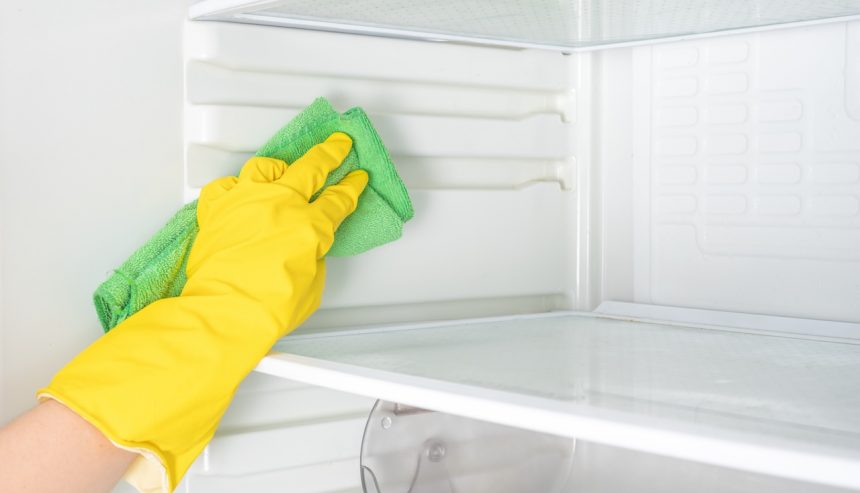
Table of Contents
When a power outage hits, your refrigerator becomes one of the first appliances at risk. Without cooling, bacteria and mold can grow rapidly—especially if the outage lasts several hours. Knowing how to clean a refrigerator after a power outage ensures not only food safety but also protects your appliance and your family’s health.
In this guide, PuroClean Emergency Restoration Services of Sterling, VA shares proven methods to identify spoiled food, deep-clean your fridge, eliminate odors, and prevent mold growth after a blackout.
Why Cleaning After a Power Outage Is So Important
When your refrigerator loses power for more than four hours, internal temperatures can rise above 40°F—the threshold at which bacteria like E. coli, Salmonella, and Listeria begin to multiply. These pathogens not only make food unsafe but can contaminate the refrigerator itself.
Additionally, during Virginia’s humid summers, condensation left behind after a power outage creates the perfect environment for mold and mildew to grow along gaskets, vents, and drain holes. That’s why prompt, thorough cleaning is essential before you restock your fridge.
According to the U.S. Food and Drug Administration (FDA), perishable foods exposed to unsafe temperatures for several hours should always be discarded—even if they appear or smell fine.
Step-by-Step: How to Clean a Refrigerator After a Power Outage
After a power outage, your refrigerator can quickly become a source of bacteria and unpleasant odors, especially in Sterling, VA’s humid climate. To restore freshness and safety, it’s important to clean it thoroughly rather than just discarding spoiled food.
Follow these simple steps to remove contamination, sanitize all surfaces, and prevent future mold or odor issues. With the right approach, you can keep your refrigerator clean, safe, and ready to store food again.
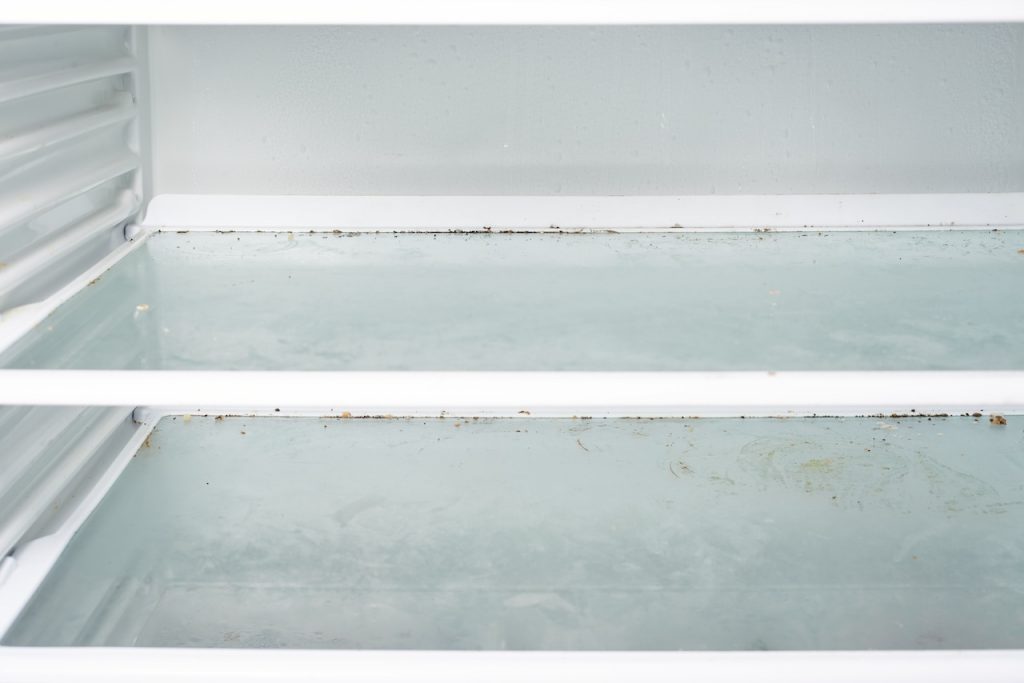
Remove all items, including shelves and drawers, when cleaning your refrigerator.
Step 1: Identify and Dispose of Spoiled Food
Begin by removing all food and drinks from the refrigerator and freezer. If the temperature inside rose above 40°F for more than four hours, perishable items such as meat, dairy, seafood, eggs, and leftovers are no longer safe to eat. Even if food looks or smells fine, it may still contain harmful bacteria, so it’s best to follow the rule: when in doubt, throw it out.
Handle spoiled food carefully to avoid contamination. Wear gloves and a mask, seal all discarded items in heavy-duty trash bags, and take them outside immediately. Wipe up any spills or leaked liquids with paper towels and dispose of them in a sealed bag. Finally, wash your hands thoroughly with warm, soapy water. If possible, place spoiled food in an outdoor trash container to keep odors and bacteria out of your home.
Step 2: Unplug and Empty the Refrigerator
Once the food is removed, unplug the refrigerator to clean it safely. Take out every removable component, including shelves, drawers, bins, and trays.
Soak these parts in a mixture of warm water and mild dish soap for about 15–20 minutes. For stuck-on grime or sticky spills, sprinkle baking soda before scrubbing gently with a non-abrasive sponge.
Tip for Sterling homeowners: If your power outage lasted more than a day, place towels or absorbent cloths at the base of your fridge to catch any melted ice or moisture before cleaning.

Using homemade, gentile cleaners is good for both you and your fridge.
Step 3: Wipe Away Surface Mold and Grime
Inspect every surface inside the refrigerator—especially door seals, corners, and vents—for signs of mold, residue, or moisture buildup. Using a damp microfiber cloth, wipe away visible dirt and mildew, paying close attention to tight areas where mold often hides. This initial cleaning helps prepare the surface for deeper sanitization.
For tougher spots, mix one tablespoon of baking soda with a quart of warm water to break down grime and stains. If mold persists, use undiluted white vinegar—a safe, natural disinfectant and deodorizer that kills most common household molds. Gently scrub the affected areas, then wipe clean with a damp cloth. Avoid harsh chemicals or bleach, as they can damage interior surfaces and leave strong, lingering odors.
Step 4: Sanitize the Interior Thoroughly
After cleaning visible dirt and mold, sanitize the refrigerator to remove lingering bacteria and odors. Mix one quart of warm water with a tablespoon of baking soda or white vinegar, then wipe all interior walls, drawers, and door seals with a clean cloth or sponge.
Use a soft-bristle toothbrush for hard-to-reach areas, ensuring every corner is cleaned. Leave the doors open for about 15 minutes to air out and dry completely before putting shelves and drawers back in place.
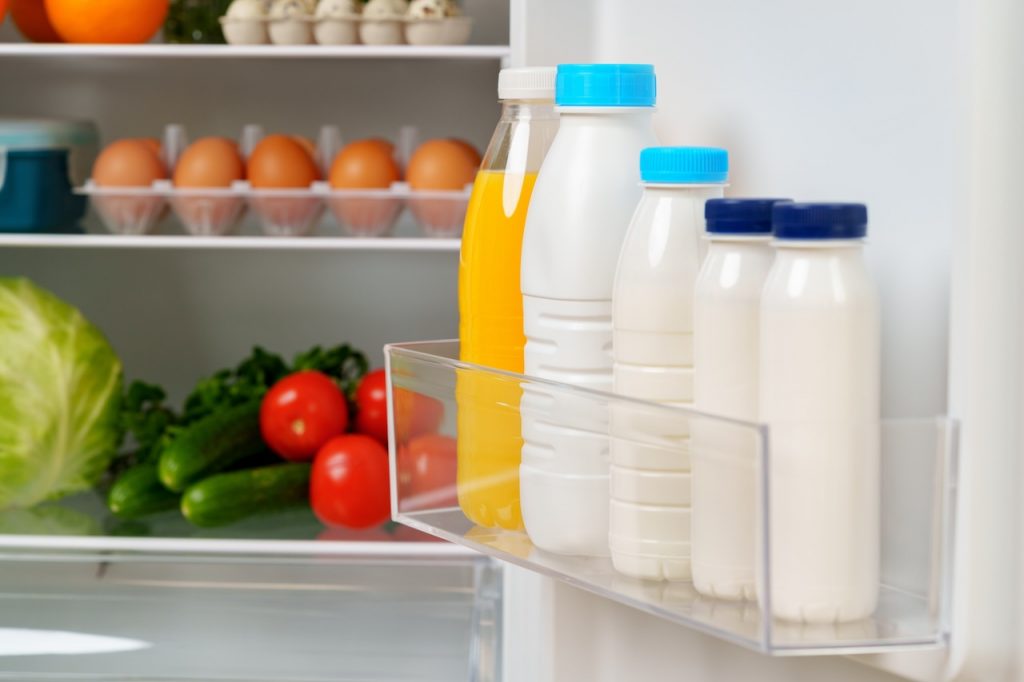
Clear containers, the FIFO method, and the repositioning of shelves can help mitigate food waste.
Step 5: Rinse and Dry Completely
Moisture is the enemy of a clean refrigerator. Even small amounts can encourage mold regrowth.
- Rinse all surfaces with a clean, damp cloth.
- Wipe dry with a lint-free towel, paying attention to door gaskets and corners.
- Let shelves and drawers air dry completely before placing them back.
If your home is particularly humid (as is often the case in Northern Virginia summers), run a dehumidifier nearby or place the fridge door ajar overnight with a fan blowing gently toward it.
Step 6: Prevent Mold and Odors After Cleaning
After your refrigerator is dry, take simple steps to prevent odors and mold from returning. Place an open box of baking soda or a small bowl of activated charcoal on a middle shelf to absorb smells, replacing it every 30–60 days. Wipe up spills promptly and keep the drain pan clean to prevent moisture buildup.
Maintain a temperature below 40°F in the fridge and 0°F in the freezer for food safety. Avoid overcrowding shelves to allow proper airflow, which helps prevent warm spots where bacteria and mold can grow. With regular upkeep, your refrigerator will stay fresh, clean, and odor-free long after a power outage.
Step 7: Reorganize for Food Safety and Efficiency
After sanitizing your refrigerator, it’s a great time to reorganize for efficiency and cleanliness:
- Adjust shelves to keep perishable foods like dairy and meat in easy-to-see spots.
- Use airtight containers to prevent cross-contamination and keep food fresher longer.
- Label and date all items, and follow the “first in, first out” (FIFO) method—use older items first.
- Keep a refrigerator thermometer inside to ensure consistent cooling.
These simple steps can prevent another round of spoilage and make daily food management easier.
Step 8: Check for Mold Growth Beyond the Fridge
If your refrigerator leaked water during the outage, check surrounding areas for signs of mold—such as walls, flooring, or baseboards near the appliance. Moisture from melted ice or condensation can seep into these materials and trigger hidden mold growth.
PuroClean Emergency Restoration Services of Sterling, VA uses advanced moisture meters and infrared cameras to detect mold that isn’t visible to the naked eye. If mold is discovered, professional remediation ensures it’s fully removed and won’t return.
When to Call Professionals
If your refrigerator has a strong, lingering odor even after cleaning, or if you notice mold growing around seals or insulation, it may be time for professional help.
Certified technicians can:
- Inspect and clean mold from hidden or inaccessible areas.
- Sanitize the appliance using EPA-approved disinfectants.
- Address any moisture problems in nearby walls or flooring.
Power outages that last several days can affect multiple areas of your home—not just the fridge. PuroClean provides mold remediation, water extraction, and odor removal throughout Sterling, VA, and neighboring communities like Ashburn, Leesburg, and Reston.
Sterling’s Trusted Cleanup and Mold Remediation Experts
After a power outage, even a clean-looking fridge can hide unseen mold or bacteria. At PuroClean Emergency Restoration Services of Sterling, VA, we help homeowners and businesses restore their properties to a safe, healthy condition. From refrigerator sanitization to full-scale mold remediation, our certified team has the tools and training to get the job done right. Call (703) 579-8912 or visit our website for expert help today.
FAQ
Q1: How long can food last during a power outage?
According to the FDA, food in a closed refrigerator stays safe for about 4 hours; a full freezer can keep food safe for 48 hours if unopened.
Q2: What if my fridge smells even after cleaning?
Wipe it again with vinegar, leave the doors open overnight, and place charcoal or baking soda inside. Persistent odors may mean hidden mold.
Q3: Is bleach safe to use inside my refrigerator?
Not recommended—it can corrode surfaces and leave harmful residues. Stick to mild detergents, baking soda, or vinegar.
Q4: Can mold grow inside a refrigerator after power restoration?
Yes. Moisture trapped during the outage can cause mold growth, especially in gaskets and drainage areas.
Q5: How can I prevent this from happening again?
Use a refrigerator thermometer and install a surge protector. During extended outages, move perishable items to a cooler with ice.
Summary
- Discard any food that’s been above 40°F for over 4 hours.
- Clean all interior surfaces with mild soap, baking soda, or vinegar.
- Dry completely to prevent mold.
- Use natural deodorizers like baking soda or charcoal.
- Contact PuroClean of Sterling, VA if mold or odor persists.


 PuroClean Emergency Restoration Services