


Table of Contents
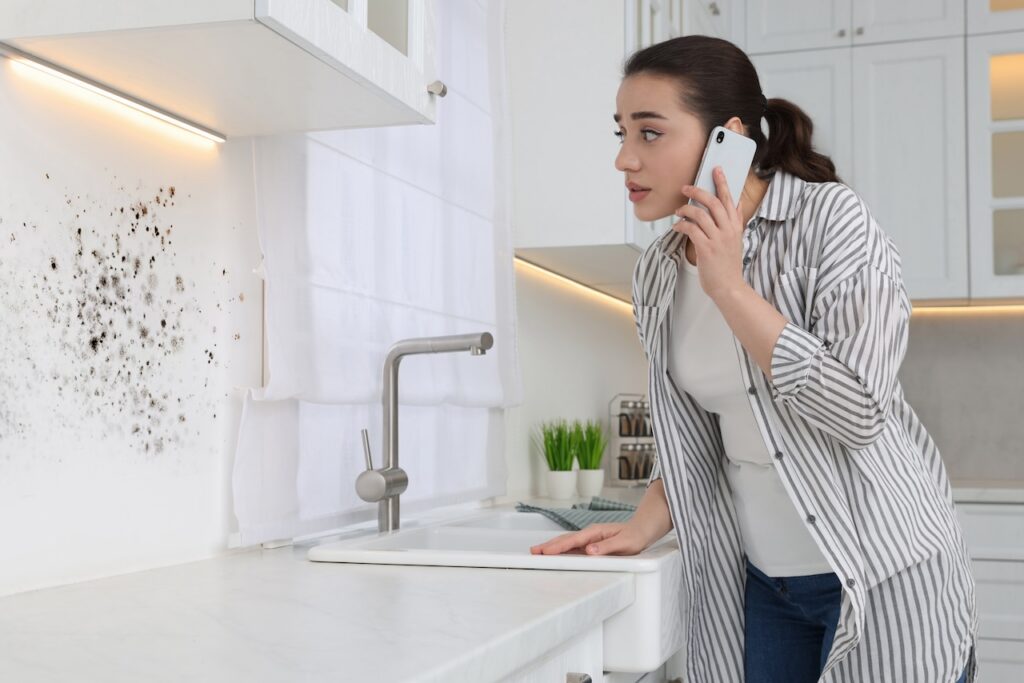
In most cases, mold removal responsibility in Virginia falls on the landlord when mold affects habitability or results from building conditions. Tenants may be responsible only if mold is caused by negligence, such as failing to report leaks or maintain basic ventilation.
Understanding where responsibility lies helps tenants protect their health and landlords avoid legal disputes. The key factors are the lease agreement, the cause of the mold, and whether the issue impacts safe living conditions.
What Does Mold Removal Responsibility in Virginia Mean?
Mold removal responsibility in Virginia refers to whether a tenant or landlord is legally obligated to address and pay for mold remediation in a rental property.
Virginia does not have a single mold-specific statute, so responsibility is determined through habitability laws, lease terms, and the cause of the mold growth.

Tenets are generally expected to follow preventative measures, such as keeping areas well-ventilated.
How Lease Agreements Affect Mold Responsibility
Lease agreements are the first place to look when mold appears.
What Landlords Are Typically Responsible For
Most leases require landlords to:
- Maintain safe and habitable living conditions
- Repair structural issues that cause moisture intrusion
- Address health hazards that affect occupancy
If mold forms due to roof leaks, plumbing failures, or poor ventilation systems, responsibility usually rests with the landlord.
When Tenants May Be Responsible
Tenants may be accountable if mold develops due to:
- Failure to report water leaks promptly
- Blocking ventilation or exhaust systems
- Creating excess moisture through misuse
This is commonly referred to as tenant or landlord mold responsibility, and it depends heavily on documented behavior.
Legal Obligations Under Virginia Law
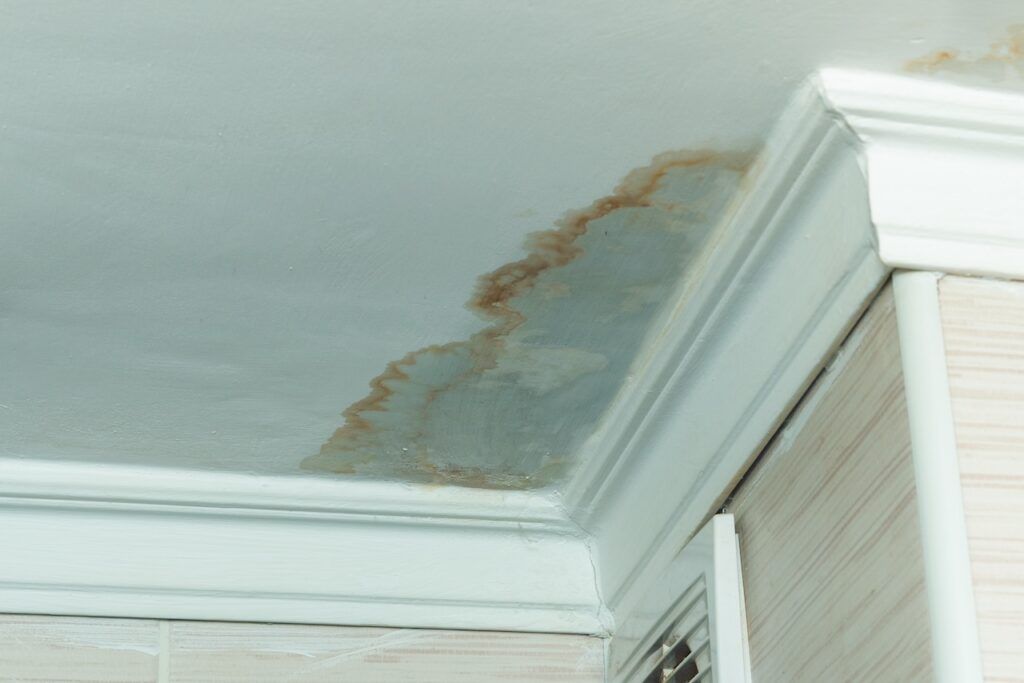
As the tenant, immediately contact your landlord if any mold or water damage is discovered.
Landlords in Virginia are required to keep rental units habitable under state landlord-tenant law.
Habitability Standards
If mold:
- Poses a health risk
- Makes the unit unsafe to occupy
- Results from structural or system failures
then the landlord must take corrective action.
Health and Safety Guidance
According to guidance from the Environmental Protection Agency, visible mold or mold caused by water damage should be addressed promptly to protect indoor air quality.
Virginia law generally supports landlord responsibility for mold removal unless there is clear evidence of tenant negligence.
What Tenants Should Do When Mold Is Discovered

Tenants should immediately document any issues before contacting their landlord.
If you find mold in a rental property, act quickly.
Step-by-Step Actions for Tenants
- Document the issue with photos and notes
- Notify the landlord immediately in writing
- Avoid attempting major cleanup yourself
- Keep records of all communication
Prompt reporting protects tenants from being blamed for worsening damage and supports claims related to mold in rental property Virginia disputes.
What Landlords Should Do Next
Landlords should respond promptly to avoid legal and health consequences.
Recommended Steps for Landlords
- Schedule a professional inspection
- Identify the moisture source
- Repair underlying structural or plumbing issues
- Arrange professional remediation if needed
Ignoring mold complaints can escalate disputes and expose landlords to liability.
Tenant vs Landlord Mold Responsibility: At-a-Glance
| Scenario | Who Is Responsible |
|---|---|
| Roof or plumbing leak | Landlord |
| Poor building ventilation | Landlord |
| Tenant failed to report leaks | Tenant |
| Mold affects habitability | Landlord |
| Excess moisture from tenant misuse | Tenant |
How Disputes Over Mold Removal Are Resolved
When disagreements arise over who pays for mold removal in Virginia, several resources can help:
- Virginia Legal Aid for tenant guidance
- Local health departments for health-related concerns
- Small claims court for unresolved cost disputes
Early action and clear documentation reduce the likelihood of escalation.
Professional Help for Mold Issues in Virginia
Mold should never be ignored—especially in rental housing. If you’re facing a mold issue and need expert help, PuroClean provides professional mold remediation services that follow industry best practices.
Our team helps identify the cause, remove contamination safely, and document the process for landlords, tenants, and insurance providers.
Call PuroClean for Professional Mold Remediation
If you’re dealing with a mold issue tied to mold removal responsibility in Virginia, PuroClean is here to help. Contact us at (703) 579-8912. Our experienced technicians provide safe, effective mold removal to restore healthy living conditions and support proper resolution between tenants and landlords.
Key Takeaways
- Professional remediation reduces health and legal risks
- Mold removal responsibility in Virginia usually falls on landlords
- Lease terms and cause of mold matter most
- Tenant negligence can shift responsibility
- Mold affecting habitability requires action
- Documentation protects both parties
Read also about: