 PuroClean Emergency Restoration Services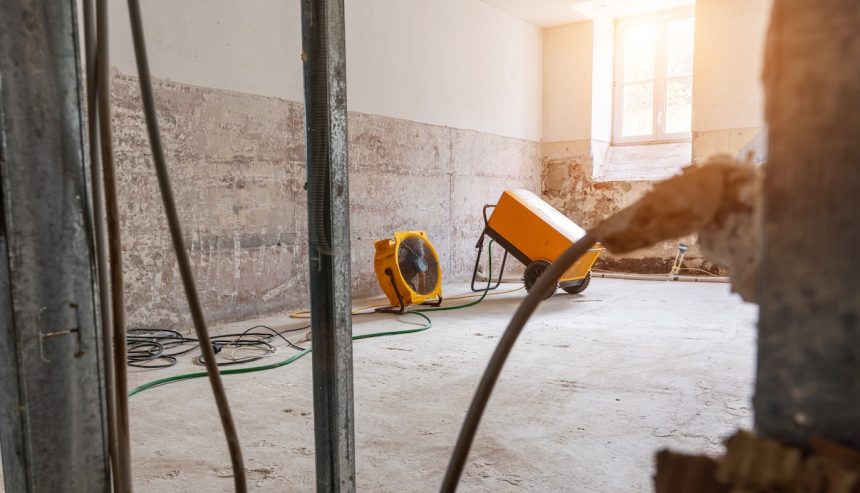
Table of Contents
Water damage restoration technology has transformed how properties are dried, cleaned, and made safe after water intrusion. Modern tools allow professionals to detect hidden moisture, dry structures faster, and improve indoor air quality with greater precision than traditional methods. For homeowners and businesses in Sterling, these innovations reduce downtime, limit secondary damage, and lower the risk of mold growth.
What Is Water Damage Restoration Technology?

Conventional drying methods often lack the precision needed for thorough restoration.
Water damage restoration technology refers to the specialized equipment and systems used to detect moisture, remove water, dry materials, and restore safe indoor conditions after water damage. Unlike basic fans or shop vacuums, modern tools are designed to address moisture hidden inside walls, floors, and structural components.
This technology-focused approach improves accuracy, safety, and overall restoration outcomes.
Why Technology Matters in Water Damage Restoration
Water damage rarely affects only visible surfaces. Moisture often travels behind walls, under flooring, and into insulation where it can cause long-term damage if left untreated.
Advanced technology helps restoration professionals:
- Identify hidden moisture
- Dry materials evenly and efficiently
- Prevent mold and bacterial growth
- Protect indoor air quality
Without these tools, restoration efforts may be incomplete.
Key Technologies Used in Modern Water Damage Restoration

The integration of smart sensors and IoT devices is revolutionizing restoration.
Moisture Meters and Infrared Cameras
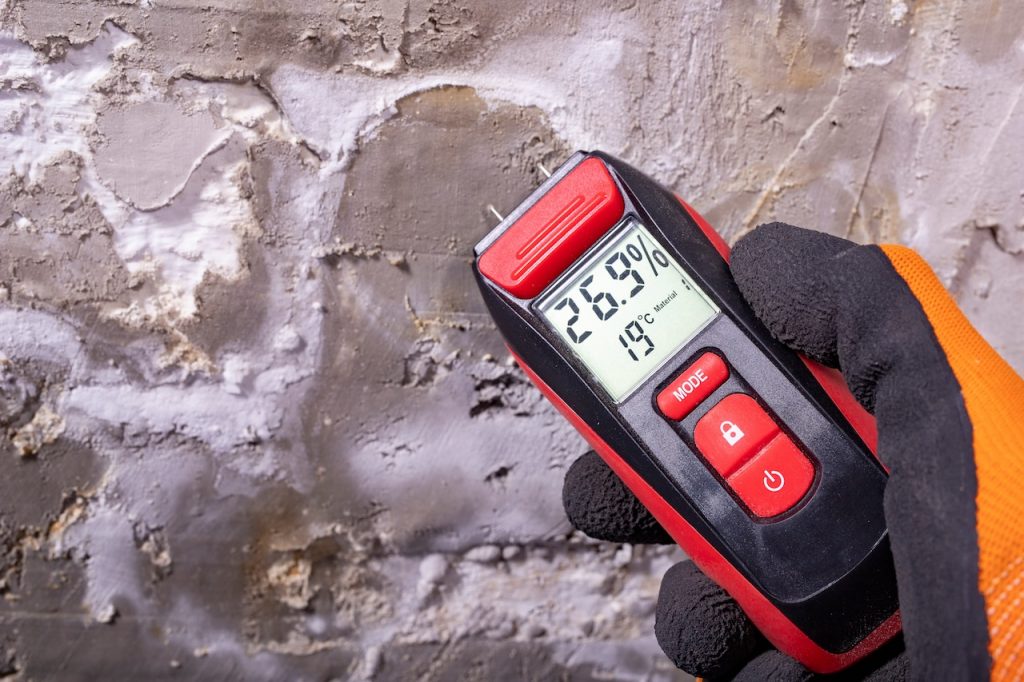
Accurate detection is the foundation of effective restoration. Moisture meters measure water content in materials, while infrared cameras identify temperature differences that indicate trapped moisture.
Together, these tools allow technicians to map water intrusion without invasive demolition.
Desiccant Dehumidifiers
Desiccant dehumidifiers remove moisture using absorption rather than condensation. This makes them highly effective in cool or low-humidity environments.
Key advantages include:
- Faster drying of large or dense areas
- Effective moisture removal from wood and drywall
- Reduced overall drying time
Air Scrubbers
Air scrubbers improve indoor air quality during restoration by filtering airborne particles.
They help by:
- Capturing mold spores, dust, and debris with HEPA filtration
- Reducing odors associated with water damage
- Creating a safer environment for occupants and technicians
Antimicrobial Treatments
After drying is complete, antimicrobial applications help prevent mold and bacterial growth. These treatments are designed to protect surfaces without posing risks to people or pets when applied correctly.
They are especially useful in areas that experienced prolonged moisture exposure.
Step-by-Step: How Technology Improves the Restoration Process
Modern restoration follows a structured, technology-driven workflow:
- Assessment: Moisture meters and thermal imaging identify affected areas
- Water Removal: Pumps and extraction tools remove standing water
- Drying: Dehumidifiers and air movers eliminate remaining moisture
- Air Quality Control: Air scrubbers filter contaminants
- Prevention: Antimicrobial treatments reduce future risk
Each step builds on accurate data rather than guesswork.
Traditional Methods vs. Modern Restoration Technology
| Aspect | Traditional Methods | Modern Technology |
|---|---|---|
| Moisture detection | Visual inspection | Infrared and moisture mapping |
| Drying speed | Slow, uneven | Faster, targeted |
| Hidden moisture | Often missed | Precisely identified |
| Air quality control | Limited | HEPA-filtered air scrubbing |
| Risk of mold | Higher | Significantly reduced |
This comparison highlights why technology-driven restoration is now the industry standard.
Emerging Trends in Water Damage Restoration Technology
Smart Sensors and Monitoring
Wireless moisture sensors can track drying progress in real time and alert technicians when conditions change. This improves efficiency and reduces unnecessary equipment runtime.
Automation and Data-Driven Decisions
Restoration teams increasingly rely on data to determine drying goals, adjust equipment placement, and verify completion, improving consistency across projects.
Sustainable Restoration Practices
Energy-efficient equipment and environmentally responsible cleaning solutions are becoming more common, reducing environmental impact without sacrificing performance.
When to Call PuroClean
If your property experiences water damage, professional restoration ensures moisture is fully addressed. PuroClean uses advanced water damage restoration technology to deliver thorough, reliable results for homes and businesses in Sterling.
Early intervention with the right technology can prevent costly secondary damage.
FAQs: Water Damage Restoration Technology
What technology is used in water damage restoration?
Professionals use moisture meters, infrared cameras, dehumidifiers, air scrubbers, and antimicrobial treatments to restore properties safely.
Is advanced restoration technology necessary for small water leaks?
Yes. Even small leaks can hide moisture behind walls or floors that requires professional detection.
How does technology reduce mold risk?
By removing moisture completely and improving air quality, advanced tools limit conditions mold needs to grow.
Does modern restoration take less time?
In most cases, yes. Precise detection and faster drying reduce overall restoration time.
Is technology-based restoration more expensive?
While equipment is advanced, it often lowers total costs by preventing additional damage.
Call to Action
If your home or business has been affected by water damage, contact PuroClean in Sterling, VA at (703) 579-8912 to benefit from professional restoration backed by modern water damage restoration technology.
Key Takeaways
- Professional services deliver better long-term results
- Water damage restoration technology improves accuracy and safety
- Hidden moisture detection prevents long-term damage
- Advanced drying tools reduce restoration time
- Air scrubbers protect indoor air quality
- Data-driven methods ensure complete drying


 PuroClean Emergency Restoration Services