 PuroClean of Tacoma East

Hoarding cleanup Tacoma residents can trust starts with urgency. Delaying service allows health risks and damage to escalate. Our professionals handle hoarding cleanup in Tacoma with care, speed, and respect.

During every hoarding cleanup Tacoma families face, we prioritize clear updates. Our team ensures all stakeholders understand the process. Professional hoarding cleanup in Tacoma means consistent communication at every step.
Our certified experts have handled every level of hoarding cleanup Tacoma homeowners encounter. From light clutter to extreme buildup, hoarding cleanup in Tacoma is approached with skill and discretion.
We use industry-leading tools for hoarding cleanup Tacoma properties require. Our advanced methods make hoarding cleanup in Tacoma safer, faster, and more effective than standard approaches.
Hoarding cleanup Tacoma is more than just a cleaning job — it’s about restoring safety, dignity, and peace of mind. We provide hoarding cleanup in Tacoma with a focus on empathy and professionalism. Hoarding is a recognized mental health disorder listed in the Diagnostic and Statistical Manual of Mental Disorders, and our team understands the care required in every hoarding cleanup Tacoma case.
Many families feel overwhelmed or embarrassed. We remind them not to be ashamed. Every hoarding cleanup in Tacoma we take on is approached without judgment. Just like you wouldn’t blame someone for needing a wheelchair, hoarding requires compassion, not criticism.
There are five stages of hoarding, and we’ve successfully completed hoarding cleanup Tacoma assignments at all levels — from mild clutter to extreme cases. Our goal during any hoarding cleanup in Tacoma is to restore order while respecting everyone involved.
Hoarding cleanup Tacoma also involves identifying safety hazards, waste, and structural damage. We bring experience and discretion to every hoarding cleanup in Tacoma, helping families regain control of their space.
If you need hoarding cleanup Tacoma services, or know someone who does, we’re here to help. Our hoarding cleanup in Tacoma team is trained, respectful, and ready to assist at any stage.
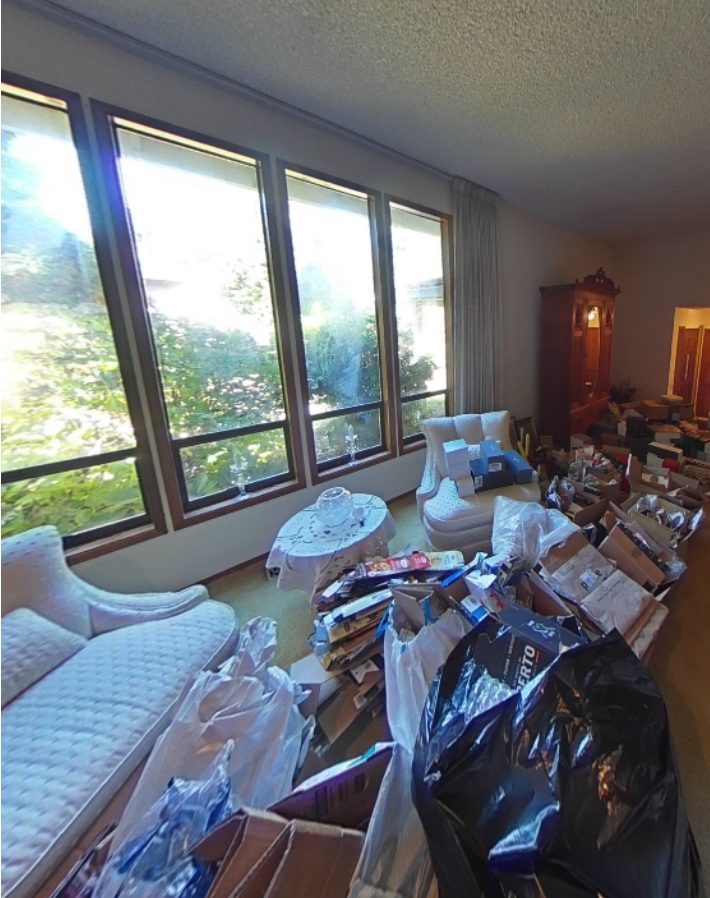

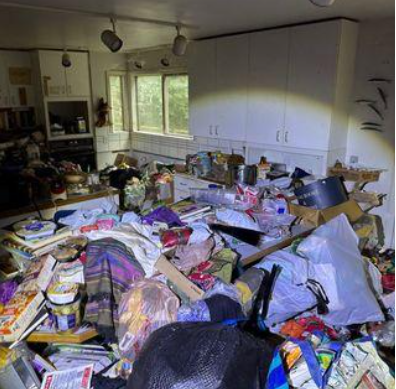
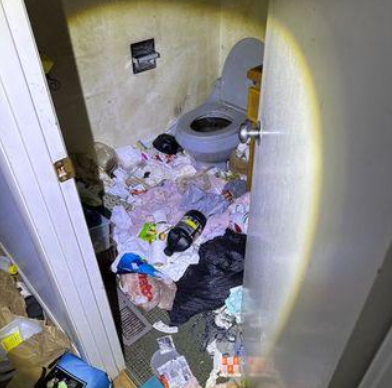

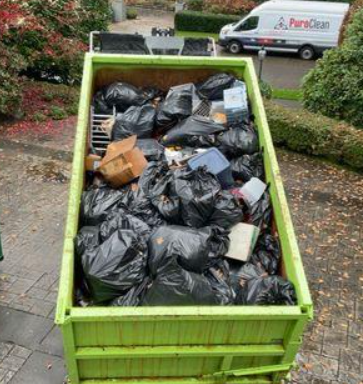
Severe hoarding, requires disinfectant fogging application. Rotting food, dead rodents, fecal matter all have to removed safely. PPE required. Multiple dumpsters. Multiple crews.
There is currently no evidence that household pets can be infected with or transmit the Coronavirus. However, the CDC recommends having limited contact with household pets and other animals until [...]
Bloodborne pathogens (BBPs), as defined by the Occupational Safety and Health Administration (OSHA), means pathogenic microorganisms that are present in human blood and can cause disease in humans. These pathogens [...]
As with any virus, the Coronavirus spreads when an infected person coughs or sneezes, and any respiratory droplets come in contact with another person. Keeping a good distance from infected [...]
Blood itself is not a biohazard, it’s what may be in the blood that is potentially hazardous, such as bloodborne pathogens (BBPs) or infectious microorganisms, that can cause diseases. [...]
Biohazards are any biological contaminants such as those found in sewage, mold, or any viral or bacterial contamination such as MRSA. Biohazards also include toxins found in decaying organisms, as well as [...]

 PuroClean of Tacoma East