


24/7 Emergency Service
Property restoration can feel overwhelming when damage happens without warning. A burst pipe, coastal storm, fire, sewage backup, or mold issue can quickly turn a normal day into an emergency for a homeowner, business owner, landlord, or property manager.
In Toms River and nearby Ocean County communities, property damage often involves more than what is visible at first. Water can spread behind walls, smoke can settle into surfaces, mold can develop after trapped moisture, and storm damage can leave a property exposed to additional problems.
Extraction, drying, moisture detection, and mitigation.
Soot cleanup, odor control, sanitation, and recovery support.
Repairs after mitigation, cleanup, and restoration work.
Fast Property Restoration for Toms River Homes and Businesses
Professional property restoration helps local homeowners, business owners, landlords, and property managers respond quickly after water, fire, mold, storm, or biohazard damage.
Understanding how property restoration works helps you act faster, avoid costly mistakes, and know what to expect when professional help arrives. Whether the damage happens in a year-round home, rental property, office, restaurant, retail space, medical building, or multi-unit property, the first few hours matter.
PuroClean of Toms River provides emergency restoration services for water damage, fire and smoke damage, mold remediation, storm-related damage, biohazard cleanup, commercial restoration, and reconstruction needs throughout the local area.
This guide explains how restoration works, why timing matters, what professionals look for, and when it is time to call for help.
What Is Property Restoration?
Property restoration is the professional process of assessing, stabilizing, cleaning, drying, repairing, and restoring a damaged home or business after an unexpected loss. It is not the same as basic cleanup. Restoration focuses on stopping damage from spreading, protecting health and safety, identifying hidden problems, and returning the property to a safe and usable condition.
In Toms River, property restoration may be needed after burst pipes, appliance leaks, roof leaks, nor’easters, coastal storms, flooded basements, crawl space moisture, kitchen fires, smoke damage, mold growth, sewage backups, or biohazard conditions.
The visible damage is often only part of the issue. Water can move under flooring, behind drywall, into insulation, and through ceiling cavities. Smoke residue can travel far from the source of a fire. Mold can develop when moisture remains trapped in areas that appear dry from the outside.
Why Timing Matters After Property Damage
Timing is one of the most important parts of property restoration. The longer water, smoke, contaminants, or moisture remain untreated, the more likely the damage is to spread.
After water damage, porous materials can absorb moisture quickly. Drywall, insulation, wood framing, cabinets, trim, flooring, and subflooring may hold water even when the surface looks dry. After a fire, smoke and soot can settle into surfaces and create odors that become harder to remove. After a sewage backup or biohazard event, contaminants can create safety concerns that should not be handled with standard household cleaning.
This is why professional restoration companies operate with an emergency response mindset. The goal is not just to clean what is visible. The goal is to control the environment, stop the damage from progressing, and begin the right mitigation steps quickly.
Property Damage Is More Common Than Most People Realize
Many people think restoration services are only needed after major disasters. In reality, many restoration jobs begin with everyday problems that get out of hand quickly.
A dishwasher supply line can leak under the kitchen floor. A toilet overflow can affect the ceiling below. A small roof leak can soak insulation before it is noticed. A water heater can fail in a garage or utility room. A crawl space can hold moisture after heavy rain. A small kitchen fire can leave behind soot, smoke odor, and water damage from firefighting efforts.
In Ocean County homes, moisture problems can also be influenced by coastal humidity, summer storms, older construction, slab foundations, crawl spaces, and seasonal properties that may sit unchecked for periods of time.
For business owners and property managers, even a contained loss can create major disruption. A water leak in a retail space, office, rental unit, restaurant, or medical building can affect tenants, employees, customers, equipment, flooring, walls, and daily operations. Commercial restoration is about getting the property safe and functional again while reducing unnecessary downtime.
The Property Restoration Process: 7 Critical Steps
Every property loss is different, but most professional restoration projects follow a clear framework. The exact steps depend on the type of damage, the size of the loss, safety concerns, and whether insurance is involved.
1. Emergency Contact and Initial Information
The process usually begins with a phone call. A restoration professional will ask what happened, when it happened, what areas are affected, whether the source of damage is still active, and whether there are safety concerns.
For example, if a pipe is still leaking, the water source may need to be shut off. If there is standing water near electrical systems, the area may be unsafe to enter. If there is sewage, mold, smoke, or biohazard material, special precautions may be needed.
2. On-Site Inspection and Damage Assessment
Once on site, the restoration team inspects the affected areas. This may include walls, floors, ceilings, trim, cabinets, crawl spaces, and nearby rooms. In water damage situations, professional moisture detection tools may be used to identify wet materials that are not visible from the surface.
The goal of the assessment is to understand the full scope of damage, identify safety risks, and determine the best restoration plan.
3. Mitigation to Stop Further Damage
Mitigation means taking immediate action to prevent the damage from getting worse. This is one of the most important stages of property restoration.
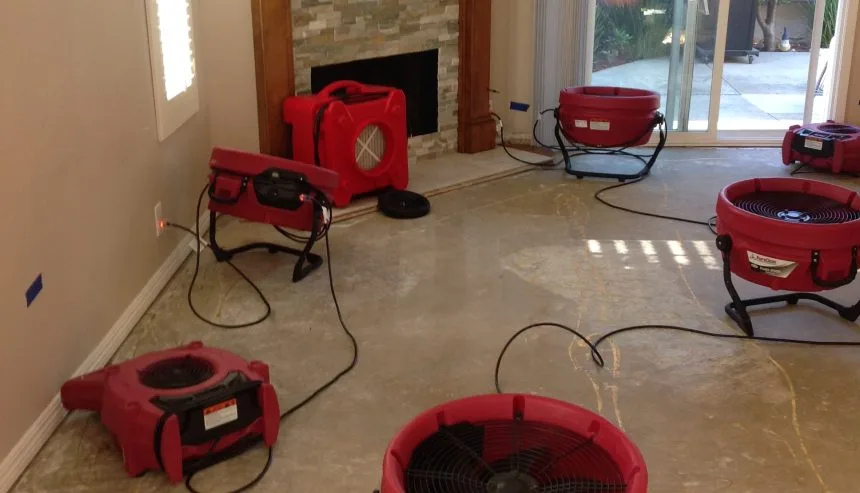
Depending on the situation, mitigation may include water extraction, emergency board-up, temporary roof protection, containment, removal of unsalvageable wet materials, drying equipment, odor control, and initial cleaning or stabilization.
4. Drying, Cleaning, Remediation, or Decontamination
After the property is stabilized, the restoration team begins the technical cleanup and recovery work. For water damage, this may include structural drying, dehumidification, and moisture monitoring. For fire damage, it may involve soot removal, smoke odor control, cleaning, and sanitation.
For mold, the process may include containment, removal of affected materials, cleaning, and steps to address the moisture source. For sewage or biohazard situations, trained professionals follow safety procedures to clean, remove, and decontaminate affected areas.
5. Monitoring and Documentation
Restoration is not guesswork. During the process, professionals monitor progress and document what was found, what work was performed, and how the property is responding.
In water damage situations, this may include moisture readings and drying progress. For commercial properties, documentation can be especially important because owners, tenants, property managers, and insurance carriers may all need clear updates.
6. Repairs and Reconstruction
Once mitigation, drying, cleaning, or remediation is complete, the property may need repairs. This can include drywall replacement, painting, flooring repairs, trim work, cabinetry repairs, or other reconstruction services needed to return the property closer to its pre-loss condition.
7. Final Review and Prevention Guidance
A good restoration process should also help the property owner understand what happened and how to reduce the chance of future problems. This may include identifying a leak source, explaining moisture concerns, reviewing affected materials, or recommending follow-up repairs.
The goal is not only to restore the property, but also to help the homeowner, business owner, or property manager feel confident about the next steps.
Why Professional Restoration Matters
It is natural for homeowners to want to clean up damage themselves, especially if the problem looks small. However, property damage often extends beyond what can be seen.
Towels, fans, and household cleaning products may not be enough when water has entered walls, flooring, insulation, or subflooring. Smoke residue can require specialized cleaning. Mold concerns should be handled carefully to avoid spreading spores. Sewage and biohazard conditions require trained cleanup procedures.
The biggest risk with incomplete cleanup is that the property may appear dry or clean while damage continues behind the scenes. Weeks later, that can lead to odors, staining, warped materials, mold growth, or structural concerns.
One Restoration Process, Many Types of Damage
Property restoration can apply to several types of damage. Each type requires its own technical approach, but the overall goal is the same: respond quickly, control the damage, protect the property, document the work, and move toward recovery.
Water Damage Restoration
Water damage may come from burst pipes, appliance leaks, roof leaks, sump pump failures, storm intrusion, toilet overflows, or firefighting efforts. The key is to remove water, dry affected materials, monitor moisture, and help prevent mold growth.
Learn more about water damage restoration.
Fire and Smoke Damage
Fire damage often includes more than burned materials. Smoke, soot, odor, water damage, and structural concerns may all be part of the loss. Restoration may include securing the property, cleaning surfaces, deodorizing, and repairing affected areas.
Learn more about fire and smoke damage restoration.
Mold Remediation
Mold often develops when moisture is not properly addressed. In Toms River and other shore communities, humidity, hidden leaks, crawl spaces, and storm-related moisture can all contribute to mold concerns.
Learn more about mold remediation.
Storm Damage Cleanup
Jersey Shore weather can bring heavy rain, high winds, roof damage, flooding, and moisture intrusion. Storm damage restoration may include emergency protection, water removal, drying, cleanup, and repairs.
Biohazard Cleanup
Biohazard situations require care, discretion, and proper safety procedures. These losses may involve sewage, trauma scenes, contamination, or other hazardous materials that should not be handled with standard cleaning methods.
Learn more about biohazard cleanup.
Commercial Restoration
Commercial restoration requires fast communication and organized documentation for property managers, business owners, facility managers, tenants, and insurance professionals. The goal is to reduce downtime while keeping everyone informed.
Learn more about commercial restoration services.
Restoration, Insurance, and Documentation
After property damage, insurance questions usually come up quickly. What is covered? What needs to be documented? What should be repaired? What damage is connected to the loss?
Restoration professionals help support the insurance process by documenting conditions, taking photos, recording moisture readings when needed, outlining the scope of work, and tracking mitigation progress.
Effective documentation can help clarify what damage is related to the loss, support claim evaluation, reduce confusion between parties, and create transparency for the property owner.
Why Restoration Is Especially Important in Toms River and Ocean County
Toms River properties face a mix of restoration risks, including coastal storms, heavy rain, high humidity, aging plumbing, crawl space moisture, roof leaks, seasonal vacancy, and storm-related flooding. Shore-area properties can also experience moisture problems that are easy to underestimate until odors, staining, or mold appear.
For homeowners, fast restoration can help protect personal belongings, flooring, walls, cabinets, and indoor air quality. For business owners, it can help reduce downtime and keep employees, customers, tenants, and property managers informed.
Whether the damage happens in a year-round residence, rental property, office, restaurant, retail space, medical building, or multi-unit property, the response should be quick, organized, and properly documented.
Helpful Property Damage Resources
Property owners can also review emergency preparedness and cleanup guidance from trusted public resources. Ready.gov provides disaster preparation information for homeowners and businesses, and the EPA offers general mold cleanup guidance for property owners.
Helpful external resources:
Ready.gov flood safety guidance and
EPA mold resources.
For local help after damage, visit the PuroClean of Toms River homepage or call (732) 930-2330.
Property Restoration FAQs
What should I do first after property damage?
First, make sure everyone is safe. If there is an active leak, shut off the water source if you can do so safely. Avoid standing water near electrical systems, do not enter unsafe areas, and call a professional restoration company as soon as possible. Fast assessment and mitigation can help prevent the damage from spreading.
How quickly should property restoration begin?
Property restoration should begin as quickly as possible. Water can move into walls, flooring, insulation, and hidden spaces. The longer materials stay wet, the greater the risk of mold growth, odors, staining, and structural damage.
Can I dry water damage myself with fans?
Household fans may help with surface drying, but they usually cannot confirm whether moisture remains behind walls, under floors, or inside building materials. Professional restoration teams use moisture detection tools, air movers, and dehumidifiers to dry affected areas more thoroughly.
Does property restoration include repairs?
Restoration often begins with emergency mitigation, drying, cleaning, or remediation. Depending on the damage, repairs or reconstruction may also be needed, including drywall, flooring, painting, trim, cabinets, or other work required to return the property to a usable condition.
What types of damage does PuroClean of Toms River handle?
PuroClean of Toms River handles water damage mitigation, fire and smoke damage restoration, mold remediation, storm damage cleanup, biohazard cleanup, commercial restoration, and reconstruction services for residential and commercial properties.
Do restoration companies work with insurance?
Yes. Restoration companies often provide documentation that can support the insurance claim process. This may include photos, moisture readings, drying logs, scopes of work, and records of mitigation services performed.
Why is mold a concern after water damage?
Mold can develop when moisture remains in building materials or hidden spaces. Even if the visible water is gone, damp drywall, insulation, flooring, or crawl spaces can create conditions where mold may grow. Proper drying and moisture monitoring help reduce that risk.
Who should call a restoration company?
Homeowners, business owners, property managers, Realtors, plumbers, insurance agents, facility managers, and landlords may all need restoration help after property damage. If water, fire, smoke, mold, storm damage, sewage, or contamination is involved, professional assessment is recommended.
Property Damage in Toms River? Get Professional Help Fast
Property damage is stressful, time-sensitive, and often more complicated than it appears. What you do in the first few hours can affect how much damage spreads, how long recovery takes, and how smoothly the insurance process goes.
If you are dealing with water damage, fire or smoke damage, mold concerns, storm damage, biohazard conditions, or commercial property damage in Toms River or the surrounding Ocean County area, PuroClean of Toms River is available 24/7 to help.