 PuroClean of Wilton | Ridgefield
 Winter in Fairfield County brings closed windows, steady heat, and more time spent indoors. While these habits keep homes comfortable during colder months, they can also affect the air inside—often in ways that aren’t immediately obvious.
By February, many homeowners in Wilton and Ridgefield begin to notice subtle changes: lingering odors, increased dust, dry air, or rooms that feel stuffy despite regular cleaning. These indoor air quality issues tend to build gradually over the winter, making them easy to overlook until they start affecting daily comfort.
Understanding why indoor air quality issues become more noticeable in winter—and knowing what signs to watch for—can help homeowners make small adjustments that improve comfort and reduce longer-term concerns.
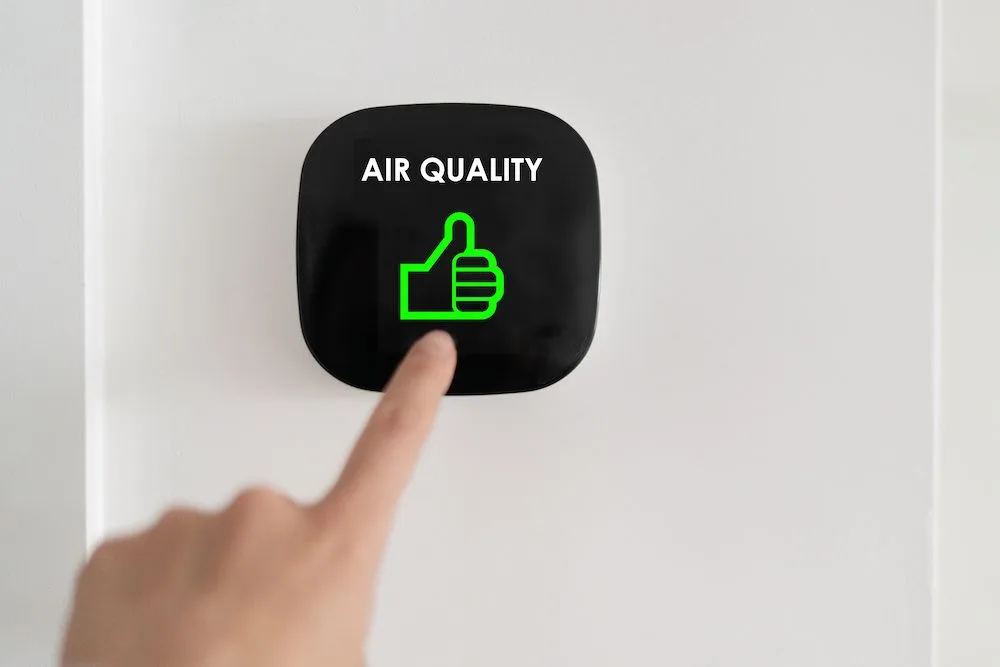
Why indoor air quality issues are more noticeable during winter
During winter, homes are designed to hold heat. Windows stay shut, doors remain closed, and fresh air exchange is limited. While this improves energy efficiency, it also allows airborne particles and odors to linger longer than they would during warmer months.
Several winter-specific factors contribute to indoor air quality issues in Wilton and Ridgefield homes:
- Continuous use of heating systems
- Fireplaces and supplemental heat sources
- Reduced ventilation throughout the home
- Moisture trapped indoors from daily activities
- Homes sealed more tightly against cold air
Over time, these conditions can cause indoor air to feel stale, dry, or uncomfortable—especially later in the season.
How indoor air quality issues develop inside homes
Indoor air quality issues don’t usually appear overnight. Instead, they build slowly as air is recirculated day after day.
Common contributors include:
- Dust and particles circulating through HVAC systems
- Smoke residue from fireplaces or candles
- Cooking odors that linger without proper ventilation
- Moisture from showers, laundry, and humidifiers
- Ductwork carrying particles from less-used areas of the home
Because these changes happen gradually, homeowners may not connect them to air quality right away. February is often when indoor air quality issues become noticeable enough to raise concerns.
4 early signs of indoor air quality issues homeowners often overlook
Indoor air problems aren’t always dramatic. Some of the most common early signs include:
- Persistent odors that don’t clear with normal cleaning
- Increased dust buildup on surfaces and vents
- Dry or irritated eyes and throat, especially in the morning
- Condensation on windows, particularly in bedrooms or bathrooms
The Environmental Protection Agency provides clear, homeowner-friendly guidance on indoor air quality and common household contributors.
Why winter heating habits can worsen indoor air quality issues
Heating systems run longer and more consistently during winter, which means indoor air is constantly being recirculated. If filters are dirty, vents are blocked, or ducts contain dust or debris, those particles can spread throughout the home.
Fireplaces, while comforting, can also contribute. Even small amounts of smoke residue can affect indoor air quality, especially in tightly sealed homes. These factors make indoor air quality issues more likely to surface later in winter.
Practical ways to improve indoor air quality issues at home
Improving indoor air quality doesn’t require major upgrades. Small, realistic steps can make a noticeable difference:
- Replace HVAC filters regularly
- Use exhaust fans when cooking or showering
- Avoid burning unseasoned wood or excessive candles
- Maintain balanced indoor humidity
- Open windows briefly on mild winter days, when possible
The National Fire Protection Association offers guidance on fireplace use and home heating safety.

What to do when indoor air quality issues persist
If indoor air continues to feel uncomfortable or odors linger, a step-by-step approach can help identify the cause and reduce buildup.
Step 1: Identify patterns
Note when issues are most noticeable—after fireplace use, during cooking, or overnight. Patterns often point to the source.
Step 2: Improve airflow
Use fans to circulate air and ensure vents aren’t blocked by furniture or storage.
Step 3: Address moisture
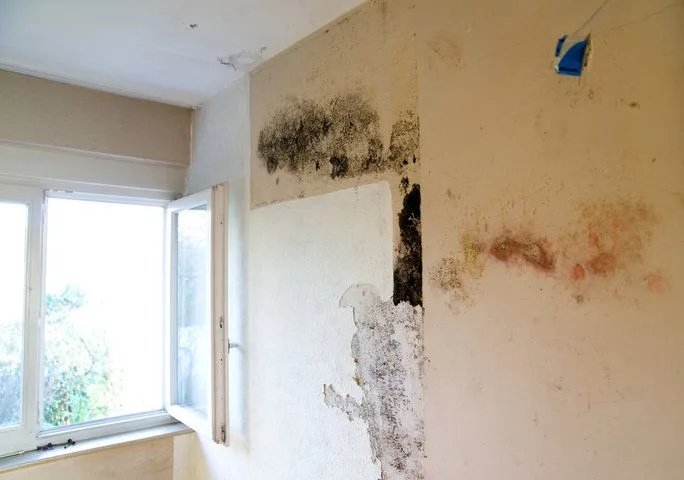
Use a dehumidifier in damp areas and make sure bathroom fans vent outdoors. Moisture often worsens indoor air quality issues.
Step 4: Check filters and vents
Replace HVAC filters and clean visible vents. This simple step often reduces dust and airborne particles.
Step 5: Consider professional assessment
If odors or residue persist, professional odor removal or smoke cleanup may be needed to address particles embedded in soft materials and hidden spaces.
Local considerations for Wilton and Ridgefield homes
Many homes in Wilton and Ridgefield include fireplaces, finished basements, and older duct systems. These features can make indoor air quality issues more noticeable during winter, particularly when heating systems run continuously.
Homes that rely heavily on fireplaces or supplemental heat may experience indoor air changes earlier in the season or more frequently.
Why indoor air quality issues shouldn’t be ignored
While many air quality concerns begin as comfort issues, they can lead to larger problems if left unaddressed. Over time, poor indoor air quality may contribute to lingering odors, respiratory irritation, and increased maintenance needs.
Addressing indoor air quality issues during winter often prevents buildup that becomes harder to manage once spring humidity arrives.
Your Local Restoration Partner
When indoor air is affected by smoke, moisture, or residue, local experience matters. PuroClean of Wilton and Ridgefield works with homeowners and property managers to help restore indoor environments impacted by winter-related conditions.
Our familiarity with local housing styles and seasonal patterns supports a measured, practical response when indoor air quality issues require professional support.
For situations involving water-related air quality concerns, water damage restoration services may also be relevant.
Final Thoughts
Winter living in Wilton and Ridgefield often means spending more time indoors. Paying attention to air quality—especially as winter progresses—can help homeowners stay comfortable and avoid lingering issues that carry into spring.
If you experience property damage, contact PuroClean of Wilton|Ridgefield.
Look us up on LinkedIn, Facebook, and Instagram, call 475.277.2400, or email [email protected].


 PuroClean of Wilton | Ridgefield