


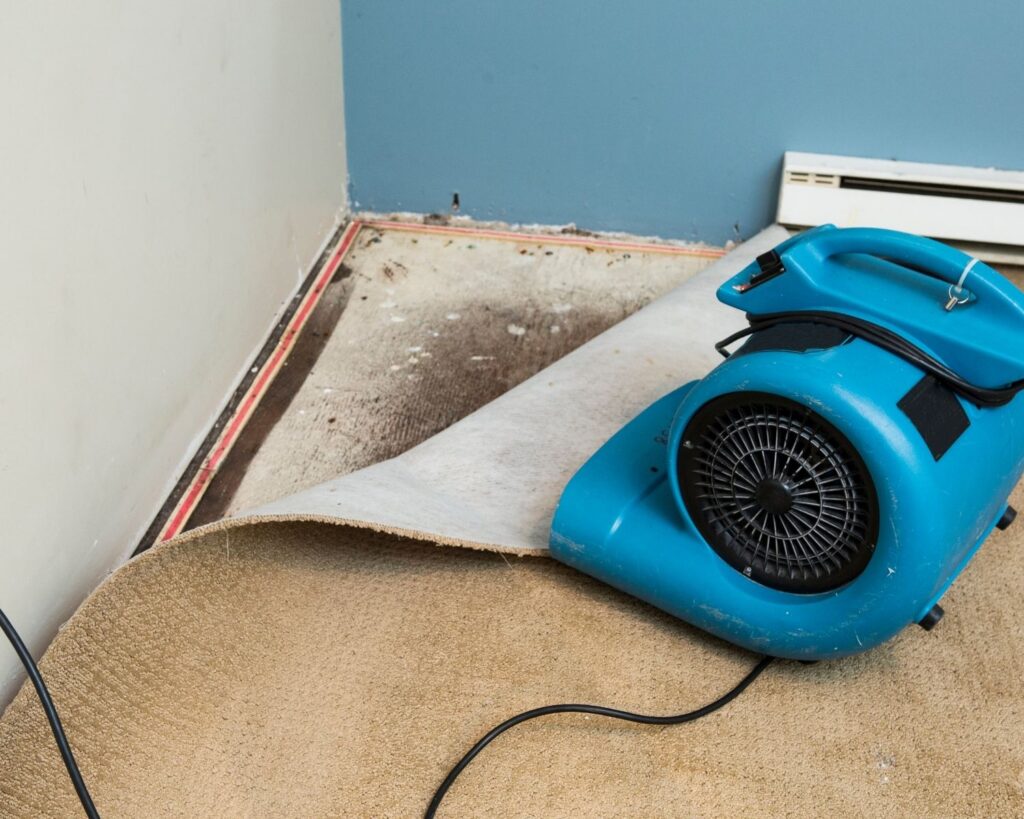
Jump To:
When water invades your home, one of the first questions is, “How long will this take to fix?” The answer depends on several factors unique to your situation. Our team at PuroClean of Redmond/Woodinville has handled hundreds of water damage emergencies across the Greater Eastside over nearly two decades. Most residential projects take 3 to 7 days for drying alone, though complete timelines can extend to several weeks.
Here’s what you need to know about water damage restoration timelines in Washington, and what factors influence how quickly you can get back to normal.
What Does a Typical Water Damage Restoration Timeline Look Like?
Let’s break this down simply. Minor water damage, like a small leak caught early, might wrap up in 3 to 5 days. Moderate damage usually takes 5 to 7 days. Extensive flooding or sewage backups? You’re looking at 1 to 3 weeks or longer for the mitigation process.
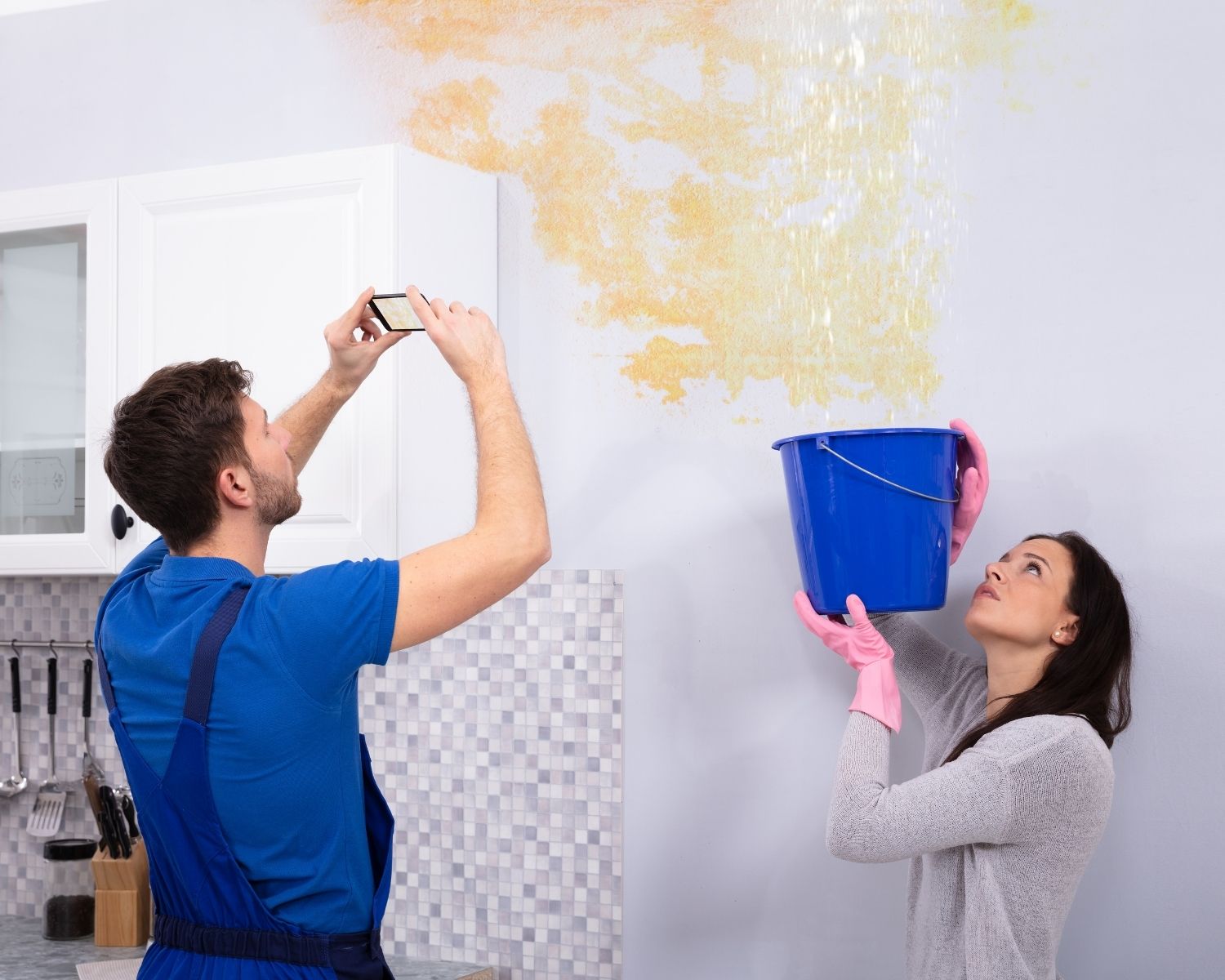
Catching the leak is just the beginning. What happens next determines your restoration timeline.
According to the EPA’s mold prevention guidelines, water damaged materials must be dried within 24 to 48 hours to prevent mold growth. This urgency shapes every restoration timeline.
What Factors Affect Your Restoration Timeline?
Every water damage situation is different. Two homes with seemingly identical leaks can have vastly different restoration timelines based on these key factors.
Water Category and Source
Clean water from a burst pipe is straightforward. Gray water from appliances requires more careful handling. Sewage backups demand extensive safety protocols and typically double your timeline.
Extent of Damage
Did water stay in one room or spread through multiple floors? Water travels through walls, under flooring, and into crawl spaces. More affected areas mean more equipment and longer drying times.
Materials Affected
Hardwood floors absorb moisture differently than concrete. Drywall acts like a sponge. Insulation in wall cavities can trap moisture for weeks if not properly addressed. The IICRC S500 Standard provides specific protocols for drying different materials.
Dealing with water damage right now?
Our IICRC-certified team responds 24/7 across King and Snohomish Counties.
Get Your Free EstimateSeasonal Considerations for Washington Homeowners
Living in the Pacific Northwest means dealing with unique water damage risks throughout the year. January presents challenges that can extend restoration timelines.
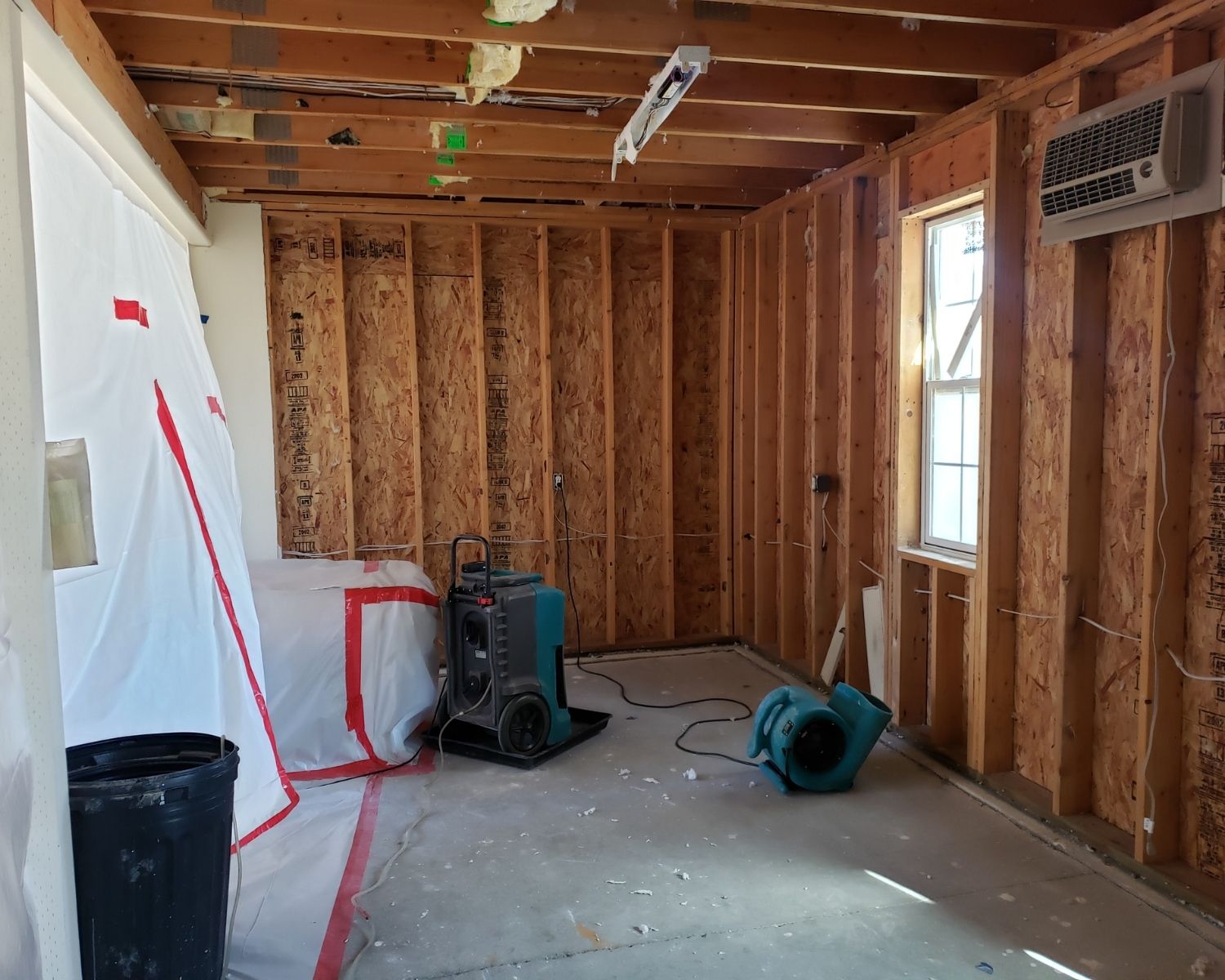
Sometimes walls need to be opened up to ensure complete drying. This adds time, but prevents future problems.
Seasonal Timeline Factors in Washington
| Season | Common Causes | Timeline Impact |
|---|---|---|
| Winter (Dec-Feb) | Frozen pipes, ice dams | Slower drying due to humidity; often 20-30% longer |
| Spring (Mar-May) | Heavy rain, snowmelt | Moderate; depends on outdoor conditions |
| Summer (Jun-Aug) | Appliance failures | Fastest drying conditions typically |
| Fall (Sep-Nov) | Storm damage, clogged gutters | Variable; rain can slow exterior work |
Winter months in the Greater Eastside bring freezing temperatures that cause pipe bursts. The combination of high indoor humidity and cold outdoor temperatures can slow drying by 20 to 30 percent compared to summer months. For more on local weather and water damage, see our article on weather patterns and water damage in Snohomish County.
The Four Phases of Water Damage Restoration
Understanding the restoration process helps set realistic timeline expectations. Each phase must be completed properly before moving to the next.
Phase 1: Emergency Response and Assessment (Day 1)
This happens fast. We arrive, assess the damage, identify the water source, and begin water extraction immediately. Most of the standing water is removed within the first few hours. Our technicians also document everything for your insurance claim during this phase.
Phase 2: Water Removal and Moisture Mapping (Days 1-2)
Powerful extraction equipment removes water from carpets, padding, and hard surfaces. We use moisture meters and thermal imaging to map hidden water in wall cavities and under flooring.
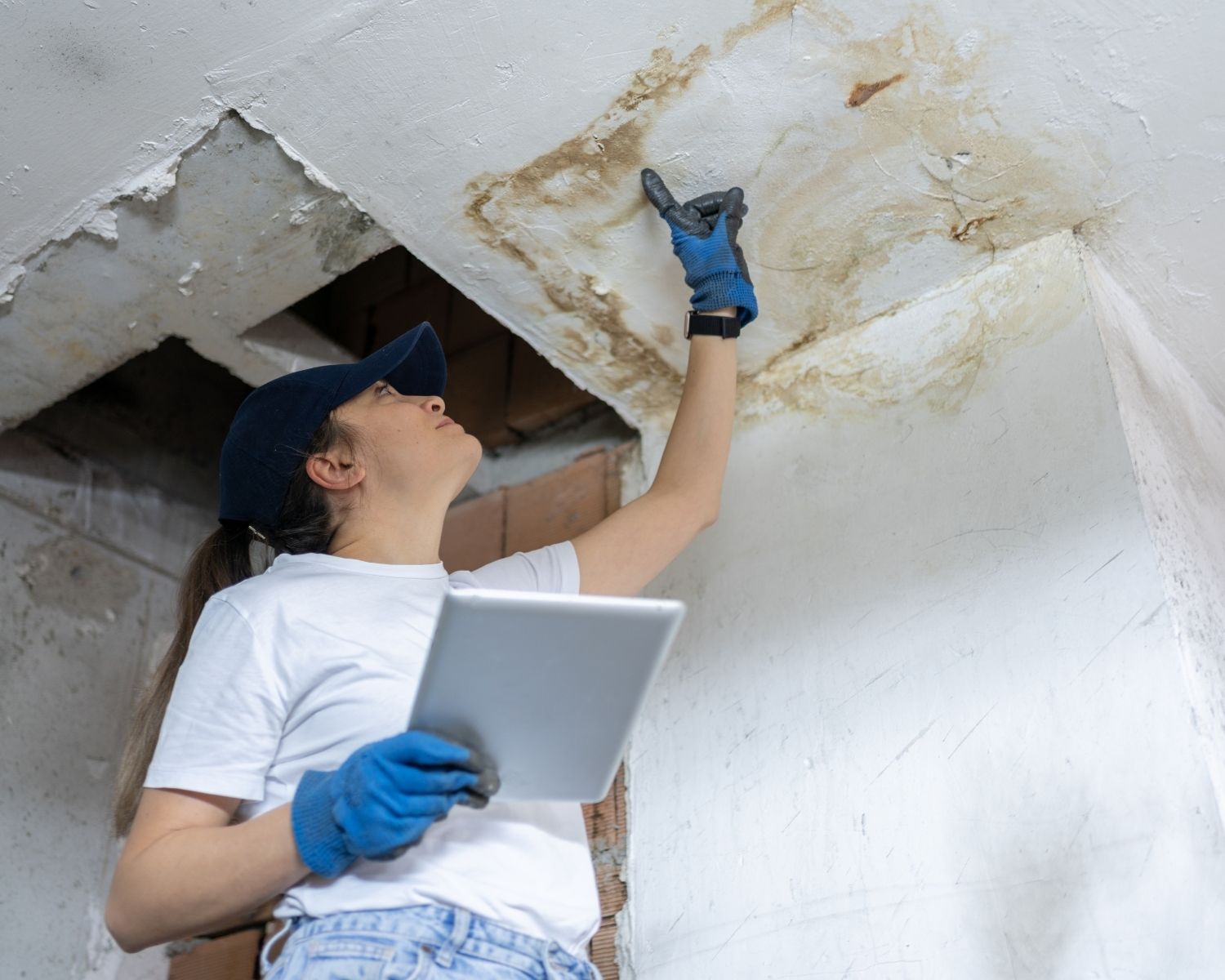
Thorough inspection catches hidden moisture that could cause problems months later.
Phase 3: Structural Drying (Days 2-7+)
This is typically the longest phase. Industrial dehumidifiers and air movers work around the clock to pull moisture from building materials. Our team monitors moisture levels daily. Drying is complete when readings return to normal levels, not just when things look dry.
Phase 4: Cleaning and Sanitizing (Final Days)
Once dry, we clean and sanitize affected areas, treating for potential microbial growth and deodorizing. Wondering if you need to leave during restoration? Our guide on staying home during water damage restoration covers that question.
Questions about your situation?
Serving Redmond, Woodinville, and the Greater Eastside for nearly 20 years.
Contact Our TeamWhat You Can Do to Speed Up the Process
- Call a professional immediately
- Shut off the water source if safe
- Remove furniture from wet areas
- Keep HVAC running for air circulation
- Document damage with photos for insurance
Frequently Asked Questions
How long does water damage restoration take for a flooded basement in Washington?
Basement flooding restoration in Washington typically takes 5 to 10 days, depending on water category and moisture absorbed by concrete and finishing materials. Winter floods often take longer due to higher humidity that slows evaporation.
Will I need to leave my home during the restoration process?
Not always. Many homeowners stay during restoration, especially for smaller projects. However, if sewage is involved or large areas need equipment, temporary relocation may be recommended based on your specific situation.
Why does water damage take so long to dry even with professional equipment?
Water penetrates deep into building materials like drywall and wood studs. Surfaces may appear dry within hours, but the interior can hold moisture for days. Rushing leaves hidden moisture that causes mold and structural damage later.
Does insurance cover water damage restoration, and does that affect the timeline?
Most homeowner policies cover sudden water damage from burst pipes or appliance failures. The claims process runs parallel to restoration and rarely affects drying time. At PuroClean of Redmond/Woodinville, we work directly with adjusters to keep projects moving.
Water damage restoration isn’t something you can rush safely. With the right team responding quickly and following proper protocols, you can minimize disruption and protect your home from secondary damage. Our IICRC-certified team has been the trusted choice for homeowners across King and Snohomish Counties since 2009.
Dealing with water damage in Redmond, Woodinville, Bellevue, or the Greater Eastside? We’re here 24/7 with honest assessments and professional service.