 PuroClean of Redmond/Woodinville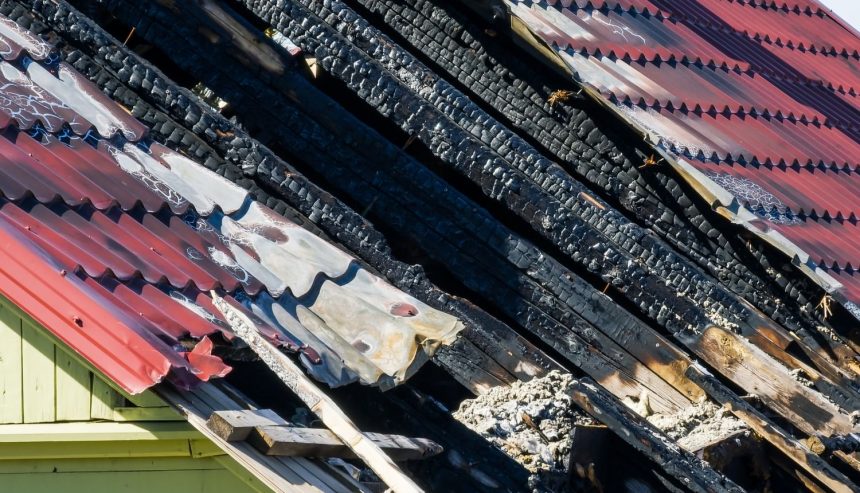
Jump To:
A house fire is one of those events nobody plans for, and the aftermath can feel just as overwhelming as the fire itself. Once the flames are out, the first question is usually: can I clean this up myself, or do I need help? The answer depends on the scope of damage, the safety risks involved, and what it’ll actually take to restore your home. Our team at PuroClean of Redmond/Woodinville has handled fire and smoke damage restoration across the Greater Eastside for over 16 years, so let’s walk through what you should consider before picking up a sponge or a phone.
Safety Risks Most Homeowners Underestimate
Fire damage is rarely just about the visible charring. The real dangers hide behind walls, under floors, and in the air. Structural weakening is the biggest concern, because fire compromises load-bearing elements in ways that aren’t always obvious. Walking through a damaged area without knowing what to look for can be genuinely dangerous.
Then there’s air quality. Smoke residue contains toxic compounds including formaldehyde and volatile organic compounds. According to FEMA’s “After the Fire” guide, homeowners should not re-enter a fire-damaged property until it’s been cleared by the fire department or a qualified inspector.
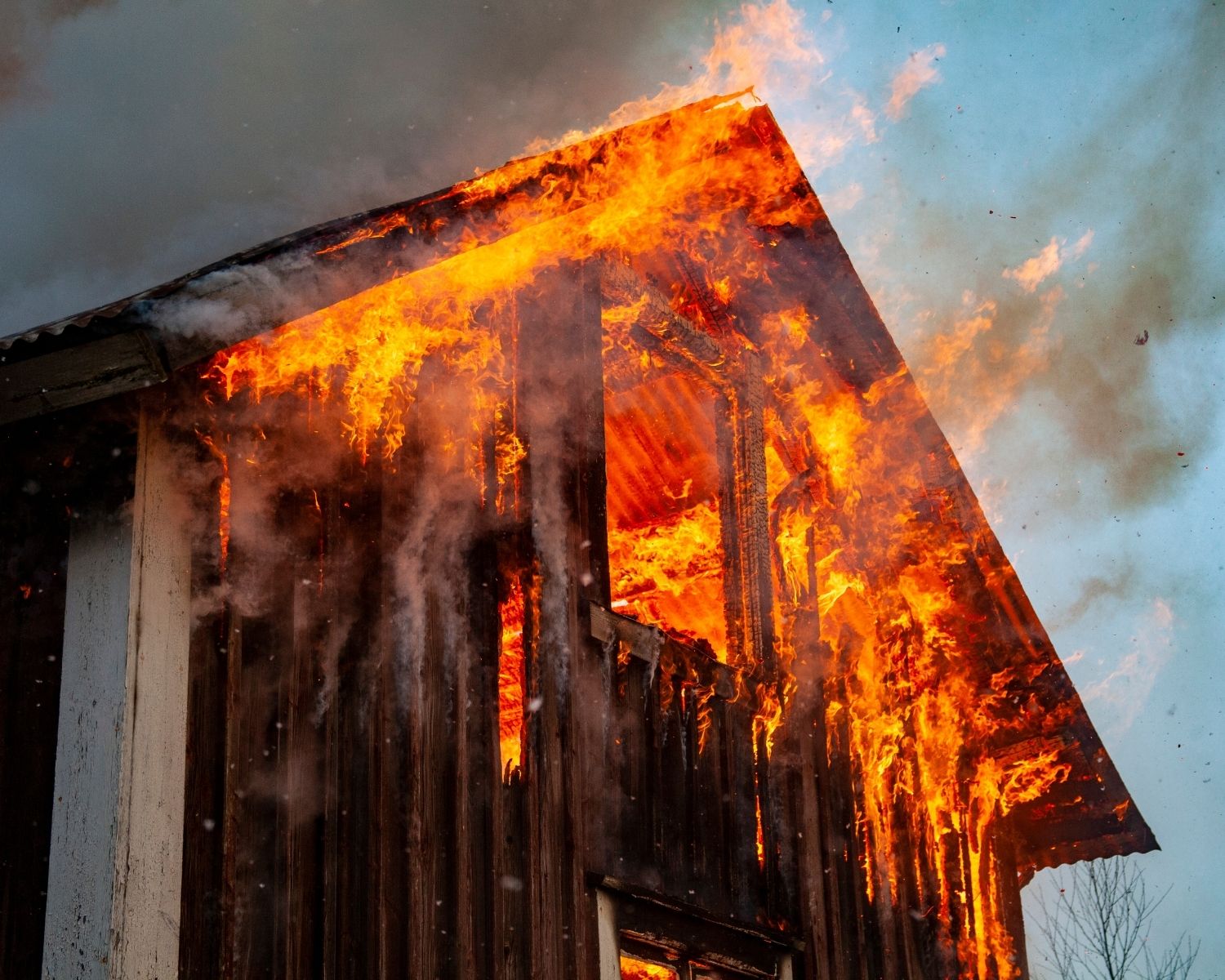
Fire damage extends far beyond what’s visible, weakening structural elements and leaving toxic residue throughout the home.
Electrical hazards are another concern most people overlook. Heat damages wiring inside walls, creating shock and secondary fire risks that stay hidden until something goes wrong. And don’t forget about the water. Firefighting efforts leave behind standing water mixed with soot and debris, which creates ideal conditions for mold growth within 24 to 48 hours. That’s a second problem you really don’t want stacking on top of the first.
Not Sure Where to Start After Fire Damage?
Our IICRC-certified team provides free estimates and 24/7 emergency response across the Greater Eastside.
Get a Free EstimateWhat DIY Fire Cleanup Actually Looks Like
Let’s be honest about what you can realistically handle on your own. Minor smoke damage in a single room, like a stovetop flare-up caught quickly, might be a manageable weekend project. Surface soot on non-porous materials, no structural concerns, and a smell that hasn’t penetrated fabrics or drywall.
Here’s the reality check, though. Soot isn’t regular dirt. It’s acidic and corrosive, and using the wrong cleaning method can permanently stain surfaces or drive particles deeper into materials. Standard household cleaners won’t cut it for anything beyond the lightest residue. Smoke odor bonds at a molecular level with porous materials like wood, drywall, and carpet. A can of air freshener won’t fix that, and even thorough scrubbing often just masks the smell temporarily. Our fire damage assessment guide can help you understand the full scope before deciding on your approach.
Equipment and Training Behind Professional Restoration
Professional fire restoration isn’t just “cleaning but better.” It requires specialized equipment most homeowners have never heard of.
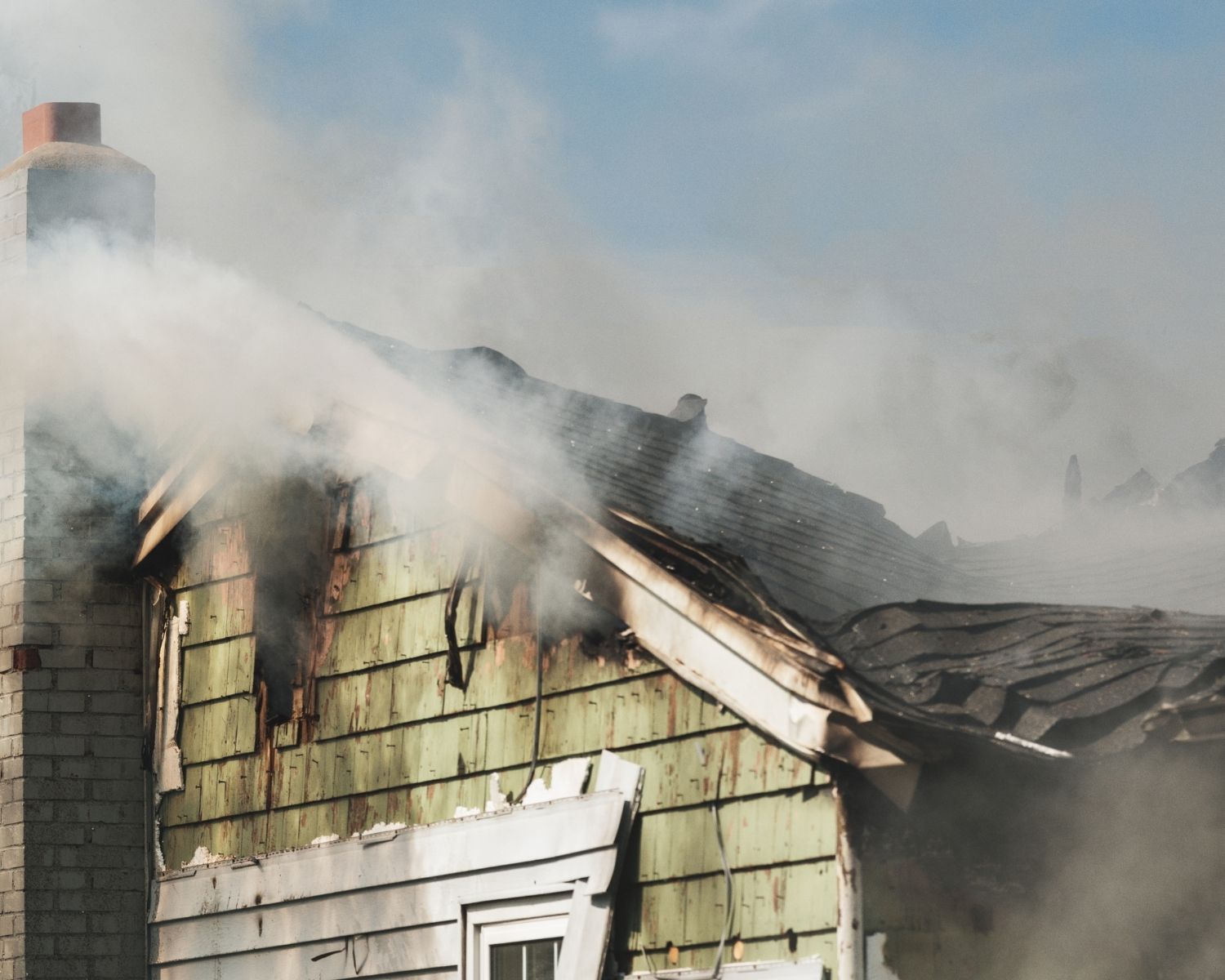
Professional crews assess smoke damage patterns to determine the right remediation approach for each surface and material.
🛠 Professional Fire Restoration Equipment
Thermal Foggers
Neutralize smoke odors at the molecular level by penetrating the same spaces smoke reached.
Hydroxyl Generators
Break down odor molecules and VOCs safely, even while occupants are present.
HEPA Air Scrubbers
Filter airborne soot particles and contaminants down to 0.3 microns during cleanup.
Ultrasonic Cleaners
Restore smoke-damaged belongings, electronics, and delicate items without abrasion.
IICRC-certified technicians follow the IICRC S700 Standard for fire and smoke damage restoration. Different soot types (dry, wet, protein-based) require completely different cleaning methods. Using the wrong approach doesn’t just fail. It can make damage permanent.
Professional crews also handle water extraction and drying from firefighting efforts, which needs to happen simultaneously with fire cleanup. Skip the drying, and you’ll need mold remediation on top of fire restoration. Nobody wants two disasters at once.
The Real Cost Comparison
“Saving money by doing it yourself” isn’t always what it seems. Here’s how the two approaches actually stack up.
| Factor | DIY Approach | Professional Restoration |
|---|---|---|
| Equipment | Rental costs add up, still falls short of professional-grade tools | Included in service with industrial-grade equipment |
| Timeline | Weeks to months of personal time | Days to weeks with trained crews |
| Secondary Damage Risk | High risk from missed moisture, wrong methods, or mold | Low risk with IICRC protocols and moisture monitoring |
| Insurance | Typically not covered, improper cleanup can void claims | Often covered, with direct adjuster coordination |
| Odor Removal | Surface masking, often temporary | Molecular-level neutralization |
The insurance piece is huge. Most homeowner’s policies cover professional fire restoration, including smoke damage, content cleaning, and water extraction from firefighting. DIY work? Generally not. And if a DIY cleanup goes sideways, your insurer may not cover the additional damage. We’ve seen homeowners attempt cleanup on their own, miss hidden moisture behind walls, and end up with a mold problem that cost more to fix than the original fire damage. You can read about how one family navigated this process in our post about a Renton home’s path to recovery after fire.
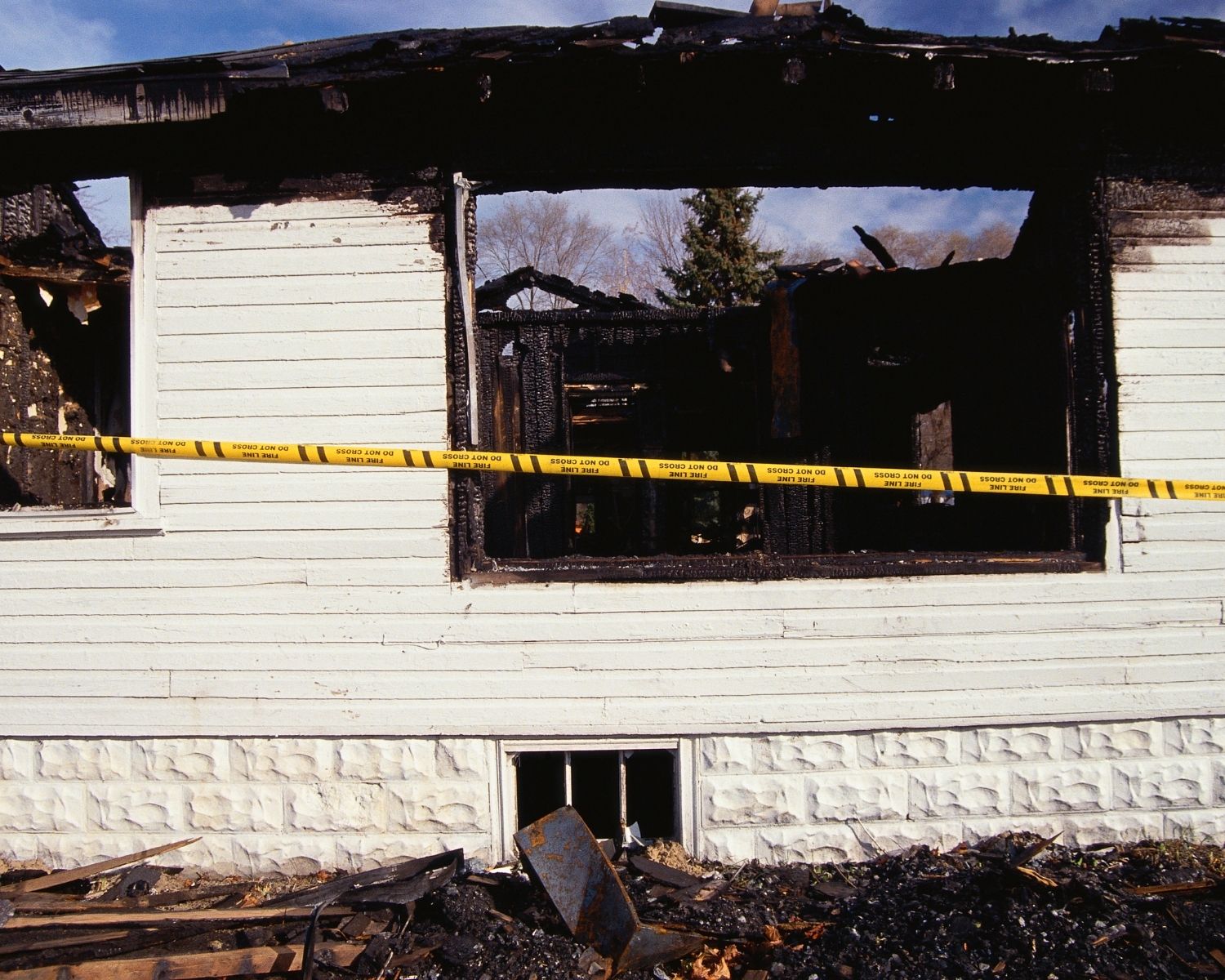
The choice between professional and DIY fire cleanup often comes down to safety, scope, and insurance coverage.
When to Call a Professional vs. Handle It Yourself
Not every fire situation needs a full restoration crew. Here’s a practical breakdown.
You Might Handle It If:
- Damage is limited to a very small area (a single stovetop flare-up)
- No structural damage whatsoever
- Soot is only on non-porous, wipeable surfaces
- No lingering smoke odor after thorough ventilation
- No water was used to extinguish the fire
Call a Professional When:
- Fire affected multiple rooms or structural elements
- Smoke odor persists after cleaning and ventilation
- Water damage from firefighting is present
- Soot is on porous surfaces like drywall, carpet, or wood
- Any concern about electrical or structural safety
- Your insurance adjuster recommends professional restoration
For homeowners across Redmond, Woodinville, and the Greater Eastside, our team at PuroClean of Redmond/Woodinville is available 24/7. We provide free estimates and work directly with your insurance company. If you’re dealing with fire damage or just want to understand your options, contact our team anytime. For tips on avoiding secondary water damage from firefighting efforts, check out the common water damage mistakes post.
Dealing With Fire Damage on the Greater Eastside?
PuroClean of Redmond/Woodinville: 24/7 emergency response, free estimates, and direct insurance coordination. IICRC-certified with 45+ years of combined team experience.
Request Your Free EstimateFrequently Asked Questions
Is it safe to clean fire damage without professional equipment?
For very minor incidents with surface soot on non-porous materials and no structural concerns, basic cleanup may be safe. However, fire residue often contains toxic compounds that require proper respiratory protection. If there’s any doubt about structural integrity or air quality, get a professional assessment first.
Does homeowner’s insurance cover professional fire restoration?
Most standard homeowner’s policies cover professional fire damage restoration, including smoke remediation, water extraction, and content cleaning. Restoration companies typically work directly with adjusters to document damage and streamline claims, often resulting in better coverage than DIY efforts.
How long does professional fire cleanup take compared to DIY?
Professional restoration for a moderately damaged home typically takes one to three weeks. DIY cleanup for the same scope can stretch across months, because homeowners lack the industrial equipment that speeds up odor elimination, water extraction, and soot removal.
Can smoke odor be removed without professional equipment?
Minor surface-level smoke smell from a brief incident can sometimes be addressed with ventilation and cleaning. But when smoke has penetrated porous materials like drywall, carpet, or insulation, household methods won’t reach the embedded particles. Professional thermal foggers and hydroxyl generators neutralize odor at the molecular level, which is the only reliable solution for persistent smoke smell.



 PuroClean of Redmond/Woodinville