 PuroClean of Redmond/Woodinville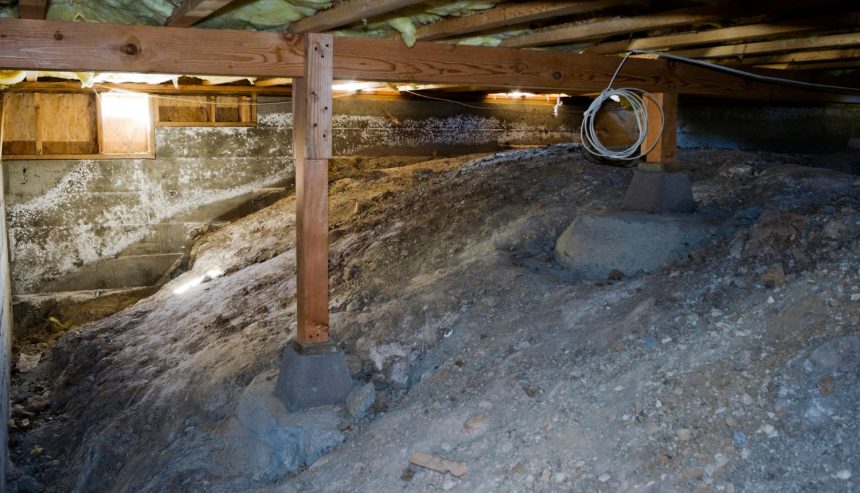
In This Guide:
Western Washington is in the middle of one of the most significant weather events in recent memory. A series of atmospheric river storms began hammering our region on December 8, 2025, bringing record rainfall, widespread flooding, and water damage that many homeowners are still discovering. For families throughout King and Snohomish counties, understanding what’s happening beneath your home could mean the difference between a quick recovery and months of costly repairs.
At PuroClean of Redmond/Woodinville, our team has been responding to calls across the Greater Eastside since the storms began. Many homeowners are finding water where they least expected it: in their crawlspaces. We want to help our neighbors understand what they’re dealing with and what steps to take next.
What Happened: The December 2025 Atmospheric River
This isn’t your typical Pacific Northwest rainstorm. Meteorologists identified this as a strong, long-lasting atmospheric river system. You might hear it called a “Pineapple Express” because it pulls warm, moisture-laden air from near Hawaii. Multiple waves of this system have drenched western Washington for over a week, dumping approximately two feet of rain in some mountain regions.

Washington’s governor declared a state of emergency as rescue operations pulled thousands of residents from flooded neighborhoods. Severe windstorms knocked out power for hundreds of thousands across the region. And here’s the part that matters for Eastside homeowners: additional storm systems are forecast through Christmas week. The flood risk isn’t over yet.
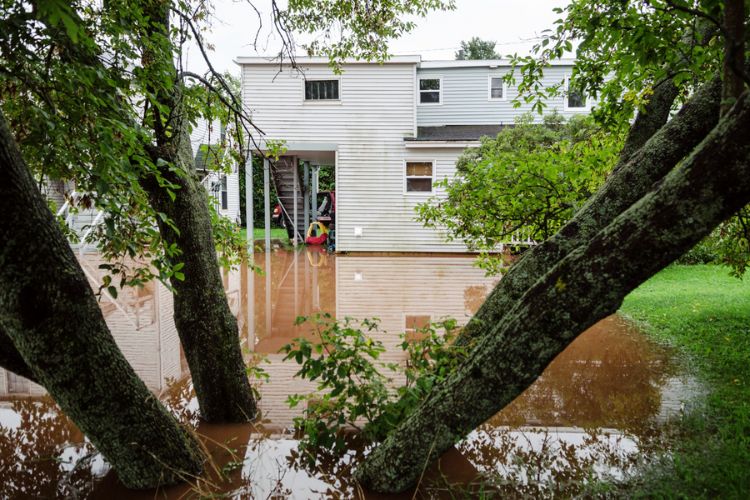
The ground is completely saturated. When soil becomes this waterlogged, it has nowhere else to send excess water. It pushes against foundations, finds cracks and gaps you didn’t know existed, and creates hydrostatic pressure that forces moisture into crawlspaces through foundation walls, vents, and any available opening. Our post on how weather patterns affect water damage risk in Snohomish County explains why our region faces these unique challenges.
How the Greater Eastside Is Being Affected
Communities from Redmond and Woodinville to Kirkland, Bellevue, Bothell, and throughout Snohomish County are seeing the effects of this prolonged rain event. While we may not have experienced the dramatic river flooding seen in other parts of the state, the saturated soil conditions are creating problems that many homeowners won’t notice until they check beneath their homes.
The Eastside’s terrain creates unique vulnerabilities. Many neighborhoods sit on hillsides where water naturally flows downhill, often toward home foundations. Clay-heavy soils common in our area don’t drain well, which means water pools and builds pressure against foundation walls. Homes built in lower-lying areas or near natural drainage paths are seeing water intrusion they’ve never experienced before.
Dealing with crawlspace flooding from the December storms?
Our IICRC-certified team is responding to calls throughout King and Snohomish counties. At PuroClean of Redmond/Woodinville, we work directly with insurance companies to make the process easier. As the 2019 PuroClean Franchise of the Year, we bring nearly 20 years of local experience to every job.
Get Emergency Help Now24/7 emergency response available
Local homeowners are discovering damage they didn’t initially expect. Sump pumps that worked fine during normal rains couldn’t keep up with this volume. If your pump has been struggling, our guide on sump pump failure recovery walks through the essential steps. Water found its way through foundation vents that had never been a problem before. Vapor barriers are floating in standing water. The extended duration of this storm system has overwhelmed drainage systems that typically handle our wet winters just fine.
Signs of Crawlspace Water Damage After Heavy Rain
Crawlspace flooding doesn’t always announce itself dramatically. Sometimes it seeps in through one tiny foundation gap you never knew existed. After an event like this, it’s worth checking even if you don’t think you were directly affected.
Where to Look and What You’ll Find
Inside your crawlspace (if you can safely access it):
Start at the foundation walls. Water stains, mineral deposits, or damp concrete all indicate moisture intrusion. Check the vapor barrier on the ground. Is it floating? Bunched up? Showing puddles on top? These are signs water has been accumulating. Look up at the floor joists and subfloor. Dark staining, visible moisture, or soft spots suggest prolonged exposure to humidity or direct water contact.
Inside your living space:
Your home will tell you something’s wrong below, even if you can’t get into the crawlspace yourself. Musty or earthy odors drifting up through floors are the most common giveaway. Doors that suddenly stick or won’t close properly indicate shifting from moisture-related swelling. Soft or spongy spots in flooring, especially near exterior walls, suggest the subfloor is absorbing moisture from below. Increased humidity throughout the home or unusual condensation on windows can point to a moisture source you haven’t found yet.
Your mechanical systems:
Is your sump pump running constantly? Can you hear it cycling on and off more than usual? A pump that can’t keep up is telling you the water volume exceeds what your system was designed to handle.
Why Crawlspace Flooding Is Especially Dangerous
Here’s the thing about crawlspace water damage: it’s out of sight and out of mind. Most homeowners don’t regularly check their crawlspace, which means problems can develop for weeks before anyone notices. By then, the damage has often spread far beyond the initial water intrusion.
The Hidden Moisture Problem
Studies suggest that 40% or more of the air you breathe inside your home rises up from your crawlspace. That air travels through gaps in flooring, around pipes, and through any opening between the crawlspace and your living space. Whatever is in your crawlspace air eventually becomes part of your indoor air. If mold is growing below, those spores are making their way into every room of your house.
How Fast Does Mold Actually Grow?
According to EPA guidance on mold and moisture, if wet materials aren’t dried within 24 to 48 hours, mold growth becomes likely. Mold spores exist naturally everywhere in our environment. They’re just waiting for moisture and organic material to feed on. A wet crawlspace provides ideal conditions: darkness, organic materials like wood joists and paper-faced insulation, and stagnant air.
Understanding the Mold Timeline
The timeline is aggressive. Within the first two days, spores begin colonizing wet surfaces. By the end of the first week or two, visible colonies typically appear. After that, mold can spread through wall cavities and into HVAC systems. The longer water sits, the more complex and costly remediation becomes.
The CDC notes that mold exposure can cause respiratory symptoms, skin irritation, and more severe reactions in people with asthma or allergies. This is why the 48-hour window matters so much.
Structural Concerns
Wood floor joists and subfloor materials don’t fail immediately when wet. But prolonged moisture exposure leads to rot, weakening the structural components that support your entire home. This damage happens gradually, often unnoticed until floors start sagging or bouncing more than they should.
Protecting Your Crawlspace After Storm Damage
The steps you take in the coming days will largely determine your recovery experience. Based on nearly two decades of helping Greater Eastside homeowners through water emergencies, here’s what our team recommends.
Put safety first. If flooding was significant, ensure the area is safe before entering your crawlspace. Check for any electrical hazards. Water and electricity don’t mix. If you have any concerns about safety, stay out and call a professional.
Document everything before you touch anything. Take photos and videos of any water or damage you can see. Your insurance company will need this documentation, and it’s much easier to capture now than try to recreate later. Many policies have specific timelines for reporting water damage, so contact your insurer promptly.
Assess your sump pump situation. If you have one, make sure it’s running and keeping up with water levels. Many homeowners are finding that pumps rated for normal conditions simply can’t handle the volume from this extended storm system. If your pump is running constantly or water levels aren’t dropping, that’s a sign you need additional help.
Pay attention to what your nose tells you. If you notice musty odors inside your home, don’t assume they’ll go away on their own. That smell usually indicates moisture and potential mold growth somewhere, often in spaces you can’t easily see.
Know when DIY makes sense and when it doesn’t. For minor moisture affecting small areas, homeowner efforts might work if you can dry everything within 48 hours. But crawlspaces present unique challenges. Limited access, confined spaces, and the sheer volume of water from an event like this often require professional equipment and expertise. Industrial dehumidifiers and air movers dry crawlspaces far more effectively than household fans. Our post on common water damage mistakes covers what to avoid during recovery.
When to Call a Professional
Not every bit of moisture requires professional restoration. But there are clear situations where calling in experienced help makes sense.
Professional assessment is recommended when standing water won’t recede on its own, when musty odors persist or intensify over several days, when you see any signs of mold growth, when water has been present for more than 48 hours, when your sump pump can’t keep pace with incoming water, when you’re not comfortable or able to safely access your crawlspace, or when your insurance company requires professional documentation.
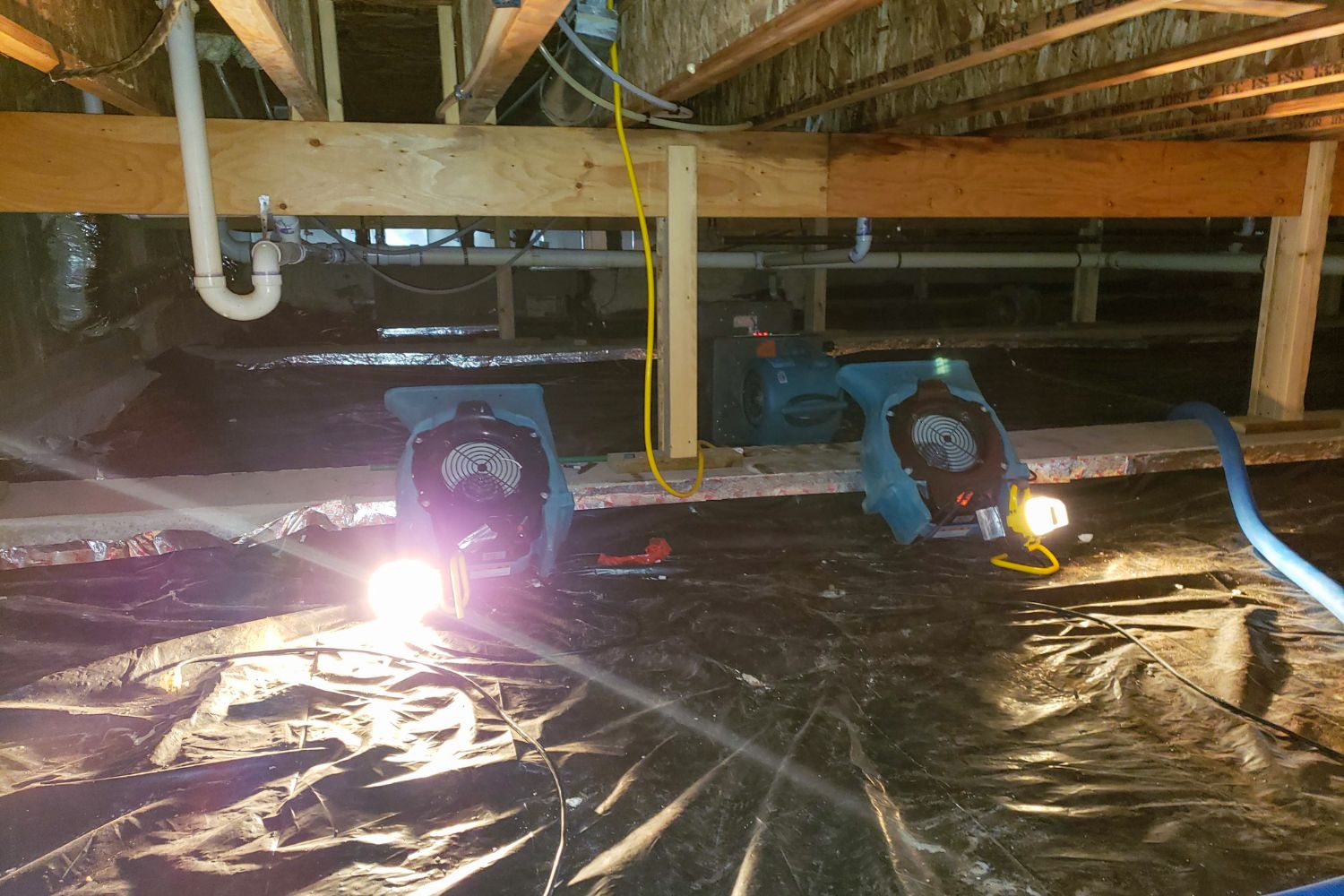
When you do call for help, here’s what to expect from the water damage restoration process. It starts with a thorough inspection using moisture meters and thermal imaging to find all affected areas. Then comes water extraction using commercial-grade equipment. Next, technicians strategically place dehumidifiers and air movers to dry the space thoroughly. Finally, ongoing monitoring ensures moisture levels return to normal before equipment is removed.
Concerned about your crawlspace after the December storms?
At PuroClean of Redmond/Woodinville, we’ve served Greater Eastside families for nearly 20 years. Our IICRC-certified team provides free estimates and works directly with your insurance company.
Schedule Your Free EstimateWe’re your neighbors, and we’re here to help.
One important note: our focus is on water damage mitigation, which means stopping the damage, drying the space, and preventing mold growth. If you need structural repairs or reconstruction work, we can point you toward trusted contractors who handle that side of the recovery.
For more guidance on responding to heavy rain events in our area, check out our heavy rain flooding response guide for Greater Eastside residents.
Frequently Asked Questions
How do I know if my crawlspace has water damage from the December 2025 storms?
The most reliable way is to physically inspect the crawlspace if you can safely access it. Look for standing water, saturated soil, moisture on the vapor barrier, or water stains on foundation walls. Inside your home, watch for musty odors, increased humidity, condensation on windows, or soft spots in flooring. Professional inspection using moisture meters and thermal imaging can detect hidden moisture you might miss.
Will homeowners insurance cover crawlspace flooding from heavy rain?
Coverage depends on your specific policy and how water entered your home. Standard homeowners insurance typically covers sudden water damage like burst pipes or roof leaks. However, damage from rising groundwater or surface flooding usually requires separate flood insurance through the National Flood Insurance Program. Contact your insurance company promptly, as many policies have specific timelines for reporting water damage.
How quickly does mold grow in a flooded crawlspace?
Mold can begin growing within 24 to 48 hours after materials become wet. Visible colonies typically appear within one to two weeks. The dark, enclosed environment of a crawlspace with limited airflow actually accelerates this process. If your crawlspace had standing water for more than a couple of days, mold assessment is strongly recommended.
Can I clean up crawlspace water damage myself?
For minor moisture affecting small areas, DIY cleanup may work if you can dry everything within 48 hours. However, crawlspaces present unique challenges: limited access, confined spaces, and difficulty achieving thorough drying with household equipment. Professional restoration is recommended when flooding was extensive, water has been present for more than 48 hours, or you notice musty odors indicating possible mold growth.
What’s the difference between mitigation and reconstruction?
Mitigation focuses on stopping ongoing damage. This includes extracting water, drying the space, preventing mold growth, and stabilizing the environment. Reconstruction involves repairing or replacing damaged structural elements like floor joists, subfloor, or insulation. Many restoration companies, including ours, specialize in mitigation work and partner with contractors for any reconstruction needs.

 PuroClean of Redmond/Woodinville