 PuroClean of Redmond/Woodinville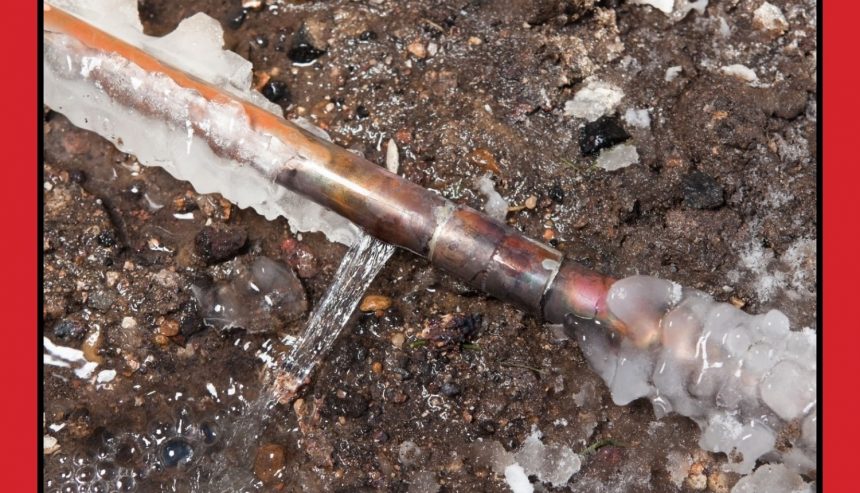
Jump to Section:
There’s something magical about waking up to a snowy Eastside morning, until you turn on the faucet and nothing comes out. That sinking feeling? Yeah, we know it well. At PuroClean of Redmond/Woodinville, we’ve seen our fair share of frozen pipe disasters over our nearly two decades serving the Northshore area, and trust us, it’s a headache nobody wants to deal with.
The good news? Most frozen pipe situations are totally preventable. You don’t need to be a plumbing expert or spend a fortune on complicated systems. Sometimes it’s the simple stuff that makes all the difference between a cozy winter and a very expensive emergency call.
Why Eastside Winters Are Tough on Pipes
Let’s talk about our weather for a second. We don’t get the brutal cold that some parts of the country experience, but that almost makes things trickier. Our temperatures hover right around that freezing mark, especially late December through January. One day it’s 38 degrees and rainy, the next it drops to 28 overnight. That freeze-thaw cycle? It’s brutal on plumbing.

A fully frozen pipe during a typical December cold snap on the Eastside. This is what we’re trying to prevent.
Add in the fact that many homes in Redmond, Woodinville, and surrounding areas were built when builders weren’t as focused on insulating pipes in crawl spaces and exterior walls, and you’ve got a recipe for trouble. According to the Insurance Institute for Business & Home Safety, pipes can freeze when temperatures drop to 20 degrees Fahrenheit or below, even for just a few hours.
Eastside Temperature Guide: When to Take Action
| Temperature | Risk Level | Action Needed |
|---|---|---|
| 32°F and above | Low | Monitor forecast |
| 25°F – 31°F | Moderate | Open cabinets, check insulation |
| 20°F – 24°F | High | Let faucets drip, maintain heat |
| Below 20°F | Critical | All precautions, monitor closely |
The Real Cost of Frozen Pipes
Here’s the thing about frozen pipes: the freezing itself isn’t usually the disaster. It’s what happens when they thaw. Water expands when it freezes, creating pressure that can crack pipes. Then when everything warms up again, you’ve got water gushing into places it definitely shouldn’t be.

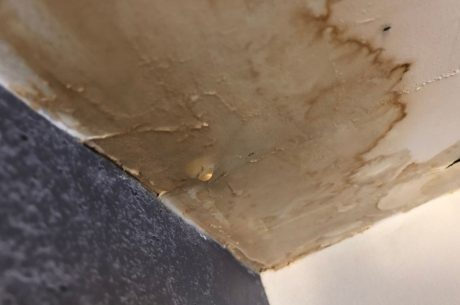
The aftermath of a burst pipe after thawing. This is why prevention is so critical.
We’ve responded to calls where a burst pipe dumped hundreds of gallons into a basement before anyone noticed. Water damage can escalate quickly, affecting flooring, walls, personal belongings, and even your home’s structure if not addressed right away.
Already Dealing with a Frozen Pipe Emergency?
Our team is available 24/7 to help with emergency water damage situations. Don’t wait until a small freeze becomes a major flood.
Your Frozen Pipe Prevention Checklist
Ready to protect your home? Here’s your game plan for keeping pipes flowing all winter long.
Winter Pipe Protection Timeline
Early Preparation
- Insulate exposed pipes in crawl spaces and attics
- Seal gaps around pipes entering your home
- Disconnect and drain garden hoses
- Service your heating system
Peak Freeze Season
- Let faucets drip when temps drop below freezing
- Open cabinet doors under sinks on exterior walls
- Keep thermostat steady (at least 55°F)
- Close garage doors if pipes run through garage
Stay Vigilant
- Continue monitoring weather forecasts
- Don’t let your guard down yet
- Inspect for any damage from winter freezes
Before the Cold Hits
- ✓ Insulate exposed pipes in crawl spaces, attics, and exterior walls. Foam pipe insulation costs about $1 per foot at any hardware store and takes minutes to install.
- ✓ Seal gaps and cracks around pipes where they enter your home. Even small openings let in cold air that can freeze pipes.
- ✓ Disconnect garden hoses and drain outdoor faucets. Water left in exterior lines is a prime candidate for freezing.
- ✓ Know where your water shut-off valve is and make sure everyone in your household knows too. In an emergency, every second counts.
- ✓ Service your heating system before winter arrives. A furnace failure during a cold snap can lead to frozen pipes throughout your home.
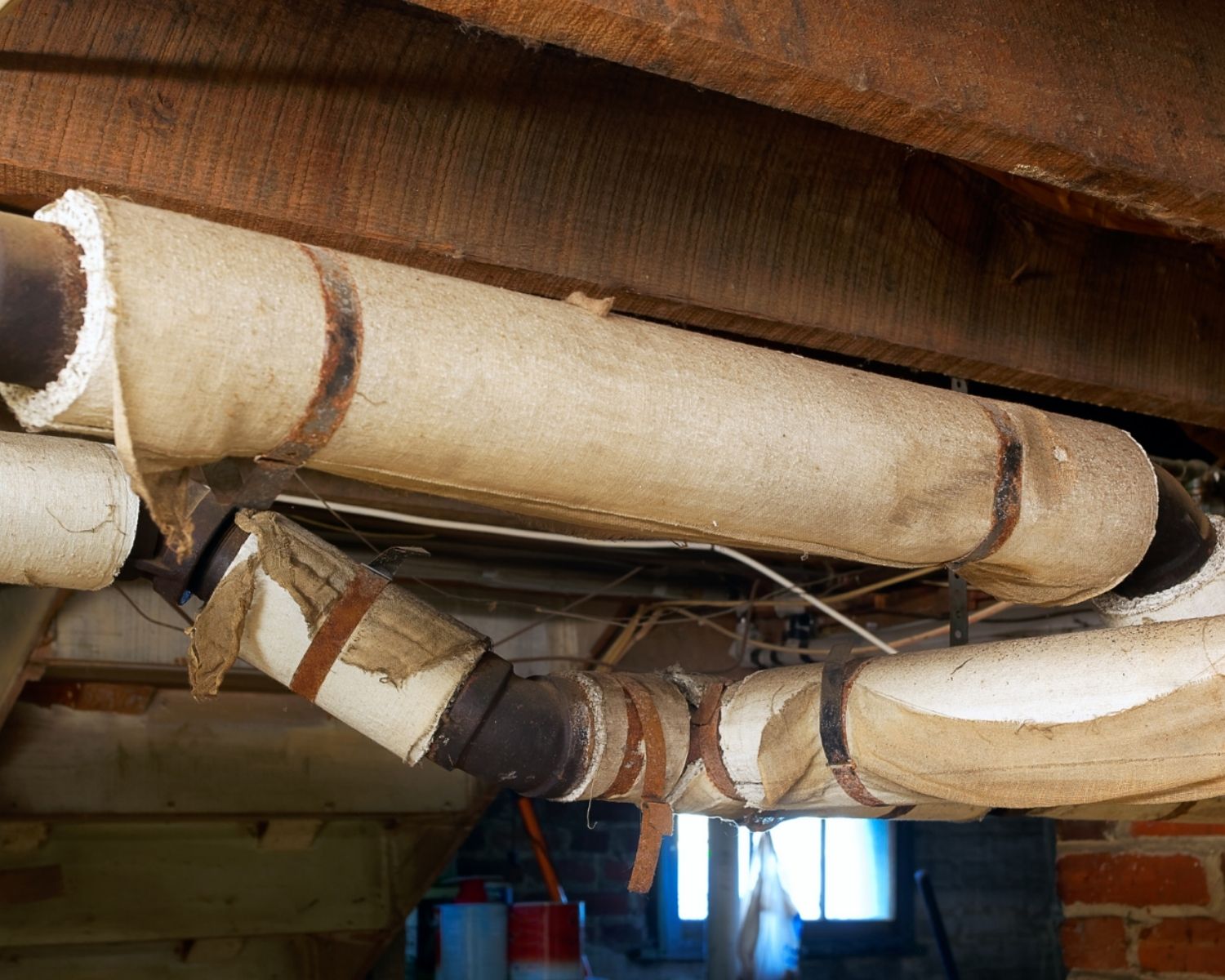
This is what proper pipe insulation looks like. Simple foam insulation like this can make all the difference in preventing freezing.
When Temperatures Drop
- ✓ Let faucets drip when temps drop below freezing. Moving water is much harder to freeze. Even a trickle helps.
- ✓ Open cabinet doors under sinks, especially those on exterior walls. This lets warm air circulate around the pipes.
- ✓ Keep your thermostat steady, even when you’re away. Dropping it too low at night or while traveling saves a few bucks but can cost thousands in damage.
- ✓ Close garage doors if you have water lines running through the garage. Those spaces get cold fast.
Special Attention Areas
Some spots in your home are more vulnerable than others. In our service area, we see the same problem areas over and over.
Crawl spaces are huge culprits around here. Many homes have minimal insulation in these areas, and cold air flows right through. Consider adding insulation and making sure vents are properly managed. You want some ventilation to prevent moisture buildup, but not so much that frigid air is constantly circulating under your house.
Exterior walls with plumbing, particularly in bathrooms and kitchens, need attention. If you’ve got a bathroom on the north side of your house, you know what we’re talking about. Those pipes get cold.
Attics can be tricky too, especially if you have plumbing running through them. Heat rises, so you’d think attics would stay warmer, but once that heat escapes through your roof, attic temps can plummet.
What to Do If a Pipe Freezes
Despite your best efforts, sometimes a pipe still freezes. If you turn on a faucet and only a trickle comes out, you likely have ice blocking the line somewhere. Here’s what to do:
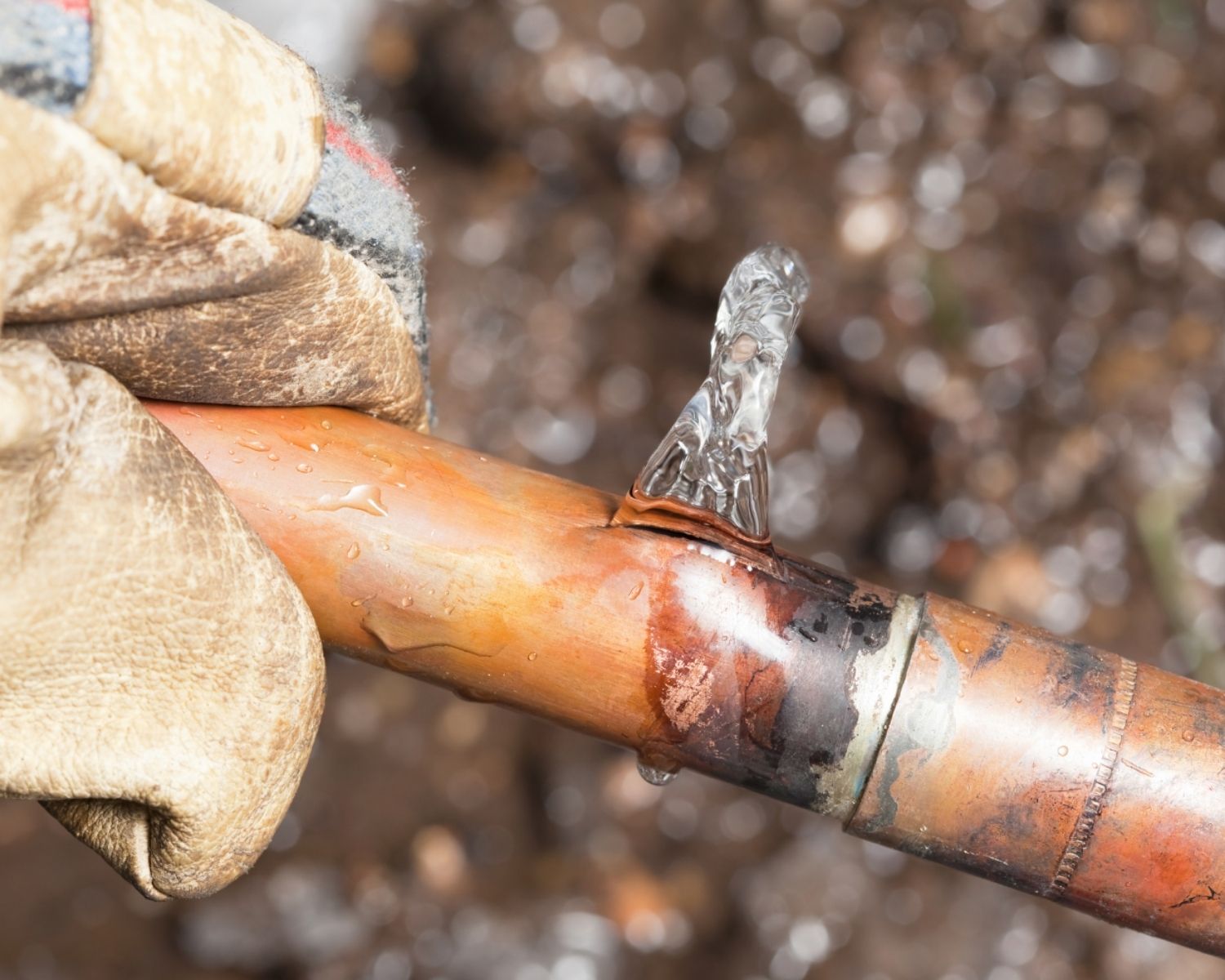
A burst copper pipe from freezing. Acting quickly when you suspect a freeze can prevent this kind of damage.
First, keep that faucet open. As you work to thaw the pipe, the water needs somewhere to go. Running water, even just a bit, will help melt ice inside the pipe.
Next, apply gentle heat to the frozen section. A hair dryer works great. So does wrapping the pipe in towels soaked in hot water. Space heaters can help too, just keep them away from anything flammable. Never use an open flame, a propane torch, or anything that could damage the pipe.
If the frozen pipe is behind a wall or if you can’t locate it, call a professional. Trying to fix what you can’t see can lead to bigger problems. Our team at PuroClean of Redmond/Woodinville has helped countless homeowners through these situations, and we’re always just a phone call away.
When Prevention Isn’t Enough
Sometimes, despite everything you do right, a pipe bursts. Maybe the cold snap was just too severe, or there was a weak spot in your plumbing you didn’t know about. It happens.
If you discover water damage from a burst pipe, time is critical. Shut off your main water valve immediately if you haven’t already. Then give us a call. We provide emergency water damage restoration 24/7 because we know disasters don’t wait for business hours.
Our IICRC-certified technicians will extract the water, dry out affected areas, and help prevent mold growth that often follows water damage. We also handle water damage from firefighting efforts when frozen pipes aren’t the only winter emergency. We’ve been serving Redmond, Woodinville, and the Greater Eastside for nearly 20 years, so we know exactly how to handle the unique challenges our local weather throws at homes.
We also work directly with your insurance company to make the claims process as smooth as possible. Many homeowners don’t realize that water damage restoration is often covered by homeowners insurance, especially when it’s from a sudden event like a burst pipe. And if winter brings other water emergencies like sewage backups from frozen sewer lines, we handle those situations too.
A Little Prevention Goes a Long Way
Look, we get it. Adding “winterize pipes” to your already long to-do list isn’t exactly thrilling. But investing a few hours and a few dollars now beats dealing with water damage later. Plus, there’s something satisfying about knowing you’ve protected your home before Old Man Winter shows up.
Keep your home warm, insulate vulnerable pipes, and let those faucets drip when the forecast looks dicey. Those simple steps will get you through most of what our Eastside winters can dish out.
And hey, if you do run into trouble, we’re here. Our team has seen it all, from minor leaks to major floods, and we treat every home like it’s our own. Stay warm out there!
Need Help with Water Damage?
We’re available 24/7 for emergency water damage restoration in Redmond, Woodinville, and throughout the Greater Eastside.
Frequently Asked Questions About Preventing Frozen Pipes
Pipes in crawl spaces, along exterior walls (especially north-facing), in unheated attics, and running through garages are the most vulnerable to freezing in our area.
Yes, insulation slows heat loss but doesn’t prevent freezing during prolonged cold snaps, so letting faucets drip adds an extra layer of protection for vulnerable pipes.
Yes, but only use space heaters designed for unattended operation, keep them away from flammable materials, and never use extension cords as they can overheat.
Keep the faucet open and start applying gentle heat (hair dryer or hot towels) to the pipe closest to the faucet, working backward toward the frozen section, but never use open flames.

 PuroClean of Redmond/Woodinville