 PuroClean of Redmond/Woodinville
Jump To:
A kitchen fire can go from terrifying to traumatic in minutes. Once the flames are out and firefighters leave, you’re standing there wondering where to start. Should you grab cleaning supplies and tackle this yourself, or is this a job for professional fire damage restoration? The answer depends on factors most homeowners underestimate.
At PuroClean of Redmond/Woodinville, our IICRC-certified technicians have responded to fire emergencies across King and Snohomish Counties for nearly two decades. We’ve seen homeowners make damage worse by attempting cleanup before understanding what they were dealing with.
Understanding Fire Damage Beyond What You See
Fire damage is sneaky. Visible char marks and soot represent just a fraction of actual damage. Smoke travels through your entire home, seeping into HVAC systems, behind walls, and into insulation. According to the U.S. Fire Administration, smoke residue continues causing damage long after flames are extinguished.

Fire damage extends far beyond visible burn marks, with smoke penetrating throughout the home.
Different materials burn at different temperatures, creating various soot types. Protein fires from kitchen accidents leave nearly invisible residue that smells terrible. Synthetic materials create sticky, smearing soot. Each requires specific cleaning methods, and using the wrong approach can permanently set stains into porous surfaces like drywall and fabric.
Here’s what makes assessment tricky: you can’t always see where smoke traveled. It rises, cools, and settles in patterns that depend on airflow, temperature, and your home’s layout. A fire in the kitchen might leave soot deposits in bedrooms on the opposite side of the house.
When DIY Fire Cleanup Might Work
Not every fire requires professionals. Small incidents with minimal smoke spread can sometimes be handled by homeowners who act quickly.
DIY May Work When:
- Fire was contained to a single small area (under 10 square feet)
- No structural damage to walls, ceilings, or flooring
- Smoke didn’t spread beyond the immediate room
- HVAC system wasn’t running during the fire
- No electrical systems were affected
- You can complete cleanup within 24 to 48 hours
Even with small fires, timing matters enormously. Soot becomes increasingly difficult to remove as hours pass. The acidic compounds in smoke residue start etching into surfaces almost immediately. Wait too long, and what could have been a simple cleaning becomes permanent damage.
Not Sure About Your Situation?
Our team provides free assessments to help you understand what you’re dealing with.
Get a Free AssessmentSigns You Need Professional Fire Damage Restoration
Most fire situations require professional expertise. Here’s a straightforward checklist.
| Warning Sign | Why It Matters |
|---|---|
| Smoke spread to multiple rooms | Hidden soot requires professional detection equipment |
| Firefighting water used | Water damage compounds fire damage, requiring specialized drying |
| Structural char marks | May indicate compromised structural integrity |
| Melted plastics or synthetics | Creates toxic residue needing specialized cleaning |
| HVAC running during fire | Smoke circulated throughout duct system |
| Persistent smoke odor | Indicates deep material penetration |
If even one item applies, professional assessment is recommended. We’ve seen homeowners spend weeks on DIY cleanup only to discover smoke odor returns because residue remained in their HVAC system.
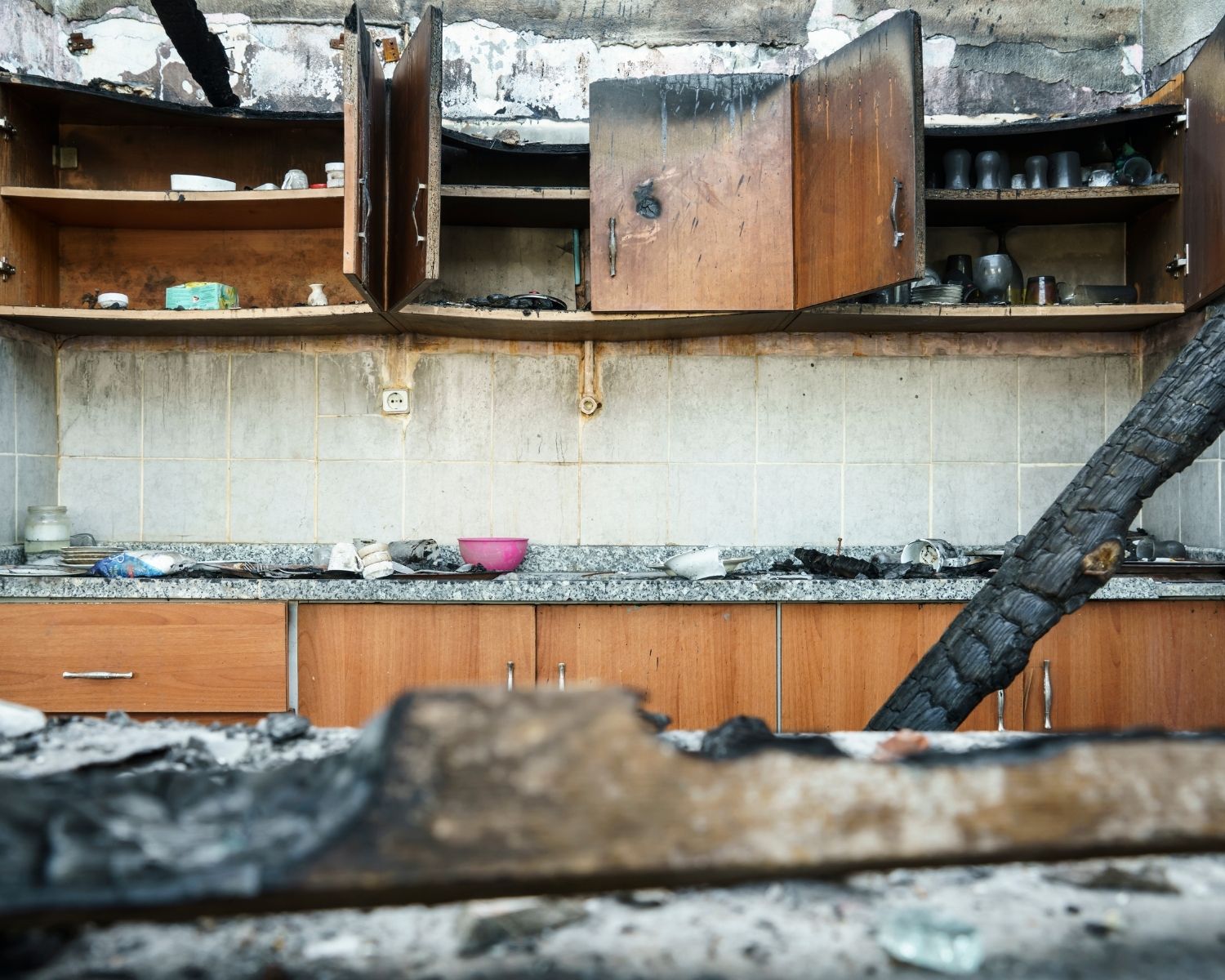
Kitchen cabinets often harbor smoke residue in areas homeowners can’t easily access.
How to Assess Fire Damage Safely
Before touching anything, safety comes first. The American Red Cross recommends waiting for officials to declare your home safe. Once cleared, assess systematically.
Step 1: Document Everything First
Before cleaning, photograph every room from multiple angles. Your insurance claim depends on thorough documentation. Capture close-ups of damaged items, wide shots showing overall impact, and anything significant.
Step 2: Check Structural Safety
Look for sagging ceilings, warped floors, or compromised walls. If anything looks questionable, stop and call professionals. Weakened structures can collapse without warning.
Step 3: Trace the Smoke Path
Walk through noting where smoke traveled. Check ceilings for soot, examine HVAC vents, and look behind furniture. Our fire damage assessment guide covers additional Washington-specific considerations.
Hidden Dangers Homeowners Miss
Fire creates hazards that aren’t immediately obvious.
Hidden Fire Damage Risks

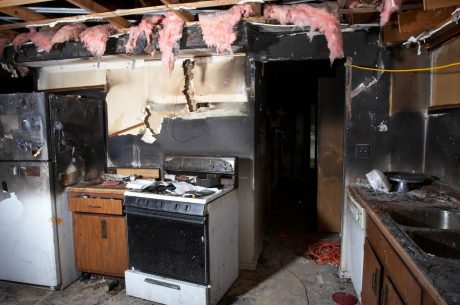
Hidden hazards throughout the home require careful professional evaluation.
We frequently encounter Greater Eastside homes where firefighting water saturates crawlspaces. Our Renton fire recovery story illustrates how comprehensive restoration addresses these interconnected damage types.
Making the Right Decision
The honest truth? Most fire situations benefit from at least a professional assessment. Even if you decide to handle some cleanup yourself, having an IICRC-certified technician evaluate damage ensures you understand the full scope before making decisions that affect your family’s health and your home’s value.
At PuroClean of Redmond/Woodinville, we provide free estimates throughout Redmond, Woodinville, Bellevue, Kirkland, and surrounding communities. Our team responds 24/7 because fire damage doesn’t wait for convenient timing. The goal isn’t convincing you that every situation requires professional help. It’s making sure you have accurate information to protect your home and your family.
Frequently Asked Questions
How long before fire damage becomes permanent?
Soot bonds to surfaces within hours. Some materials show permanent staining in 24 to 48 hours, and metals corrode within days from acidic residue. The sooner cleanup begins, the more salvageable your belongings will be.
Can I stay home during fire restoration?
It depends on damage extent. Small, contained damage in non-essential rooms may allow you to stay. However, smoke in HVAC systems, structural concerns, or affected bedrooms typically require temporary relocation.
Does insurance cover professional fire restoration?
Most homeowner’s policies cover fire restoration, including smoke cleanup, firefighting water damage, and content cleaning. Professional restoration companies typically work directly with adjusters to streamline claims.
Why does smoke smell return after cleaning?
Residue remains hidden inside walls, HVAC ductwork, and porous materials. Professional restoration uses thermal foggers and hydroxyl generators to neutralize odors at the molecular level in these hidden areas.
 PuroClean of Redmond/Woodinville