 PuroClean of Redmond/Woodinville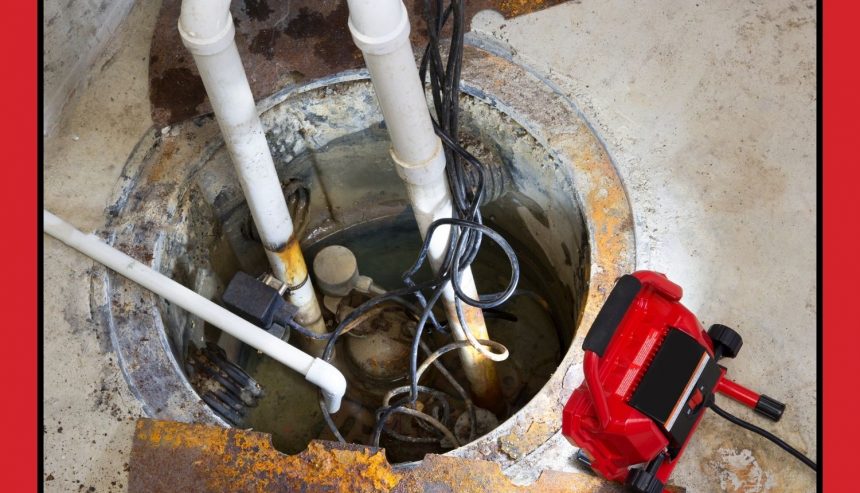
Quick Navigation
That moment when you head downstairs and hear it: the sound of water where water shouldn’t be. Your sump pump, that trusty basement guardian you probably forgot existed, has called it quits. And now your basement looks more like an indoor pool than a storage space. Before panic sets in, take a deep breath. At PuroClean of Redmond/Woodinville, we’ve helped hundreds of Northshore homeowners through this exact situation, and there’s a clear path forward when you need water damage restoration.
Understanding Why Sump Pumps Fail in the Greater Eastside
Sump pumps are like that reliable friend who never complains, until one day they just stop showing up. In our rainy corner of Washington, these mechanical heroes work overtime, especially during those notorious Pacific Northwest downpours. The most common culprits? Power outages during storms (ironic, right?), worn-out motors from years of faithful service, frozen discharge lines during those surprise January cold snaps, or simply overwhelmed systems when Mother Nature decides to really test our drainage capacity.
Sometimes it’s the float switch getting stuck, like a doorbell that won’t stop ringing. Other times, debris clogs the system, or the pump just reaches the end of its 7 to 10 year lifespan. Whatever the cause, the result is the same: water where you definitely don’t want it.
Step 1: Ensure Safety First During Initial Assessment
Here’s where we get serious for a moment. Water and electricity are a dangerous combo, like pineapple on pizza (kidding, sort of). Before doing anything else, make sure the power to your basement is turned off at the breaker. If you can’t safely reach the breaker without walking through water, stop right there and call for professional help.
Check for these critical safety hazards:
- Standing water near electrical outlets or appliances
- Structural damage to walls or foundation
- Contaminated water (if it’s sewage backup, that’s a whole different ballgame)
- Slippery surfaces that could cause falls
Once you’ve confirmed it’s safe to proceed, document everything with photos and videos for your insurance company. Trust us, Future You will thank Present You for this thoroughness. The Red Cross emergency preparedness guide emphasizes that safety should always be your first priority during any home disaster.
Facing Water Damage Right Now?
Don’t wait for the damage to worsen. Our emergency response team is available 24/7.
Get Emergency Help NowStep 2: Stop Additional Water From Entering
Time to play defense against more water invasion. First, check if your pump is actually broken or just overwhelmed. Sometimes a simple reset or clearing debris from the intake can get things running again. If the pump is truly deceased, you’ll need to redirect water away from your foundation.
Temporary Water Diversion Techniques
Use sandbags or water barriers around basement windows and doors. Extended downspouts should point at least six feet away from your foundation, not straight down like a waterfall feeding your problem. If you have a backup pump (and if you don’t, consider this your wake-up call), now’s the time to deploy it.
Clear your gutters too, because clogged gutters during a rainstorm are basically just foundation irrigation systems. And if heavy rain is still falling, sometimes a simple tarp strategically placed can work wonders for keeping additional water at bay. For those dealing with heavy rain flooding, these preventive measures become even more critical.
Step 3: Remove Standing Water Quickly and Efficiently
Here’s where things get labor-intensive. Standing water in your basement isn’t just an inconvenience; it’s actively damaging your home every minute it sits there. The EPA recommends starting water removal within 24 to 48 hours to prevent mold growth, and in our humid climate, mold can throw a party faster than you’d think.
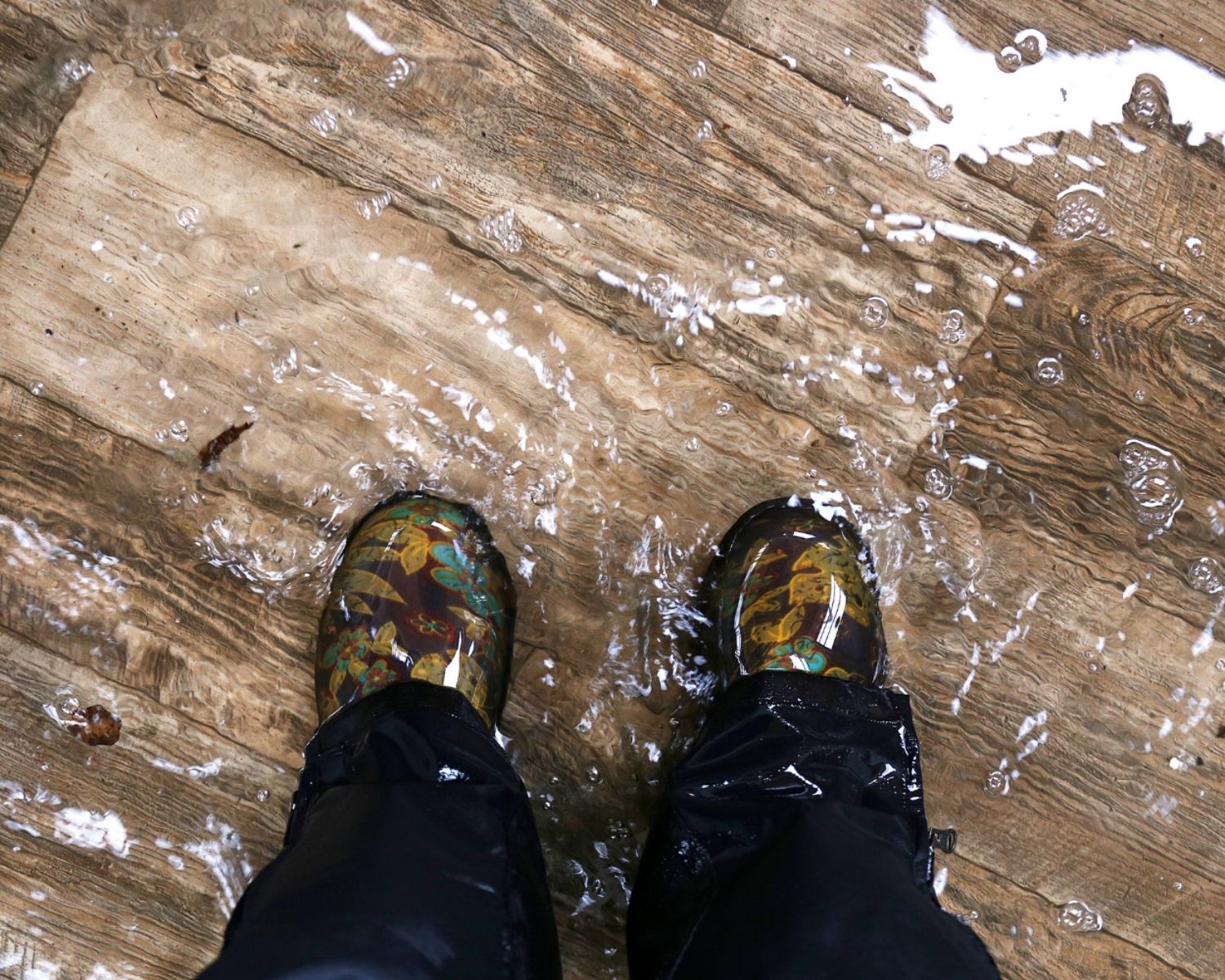
Standing water from sump pump failure requires immediate extraction to prevent structural damage and mold growth.
Water Extraction Methods by Volume
| Water Depth | Recommended Method | Time Estimate |
|---|---|---|
| Less than 1 inch | Wet/dry vacuum | 2-4 hours |
| 1-3 inches | Submersible pump | 4-8 hours |
| 3-6 inches | Multiple pumps + wet vac | 8-12 hours |
| Over 6 inches | Professional extraction | Varies |
For small amounts, a wet/dry vacuum can handle the job, though you’ll be emptying it more times than you’d like. For deeper water, rent or buy a submersible pump from your local hardware store. Place it at the lowest point and run the discharge hose well away from your house (we’re talking 20 feet minimum, and downhill if possible).
Step 4: Dry and Dehumidify Affected Areas Thoroughly
Getting the standing water out is just round one. Now comes the heavyweight battle: moisture that’s hiding in your walls, flooring, and everything else. This invisible enemy is what leads to warped floors, peeling paint, and that musty smell that announces “water damage” to anyone who walks in.
Drying Timeline Checklist
☐ Minor Water Damage (Surface Water Only)
Drying time: 3-5 days
Equipment needed: Standard fans and residential dehumidifiers
☐ Moderate Water Damage (Water in Walls/Flooring)
Drying time: 5-7 days
Equipment needed: Industrial fans, commercial-grade dehumidifiers, moisture meters
☐ Severe Water Damage (Deep Saturation)
Drying time: 7-14 days
Equipment needed: Professional water extraction equipment, industrial drying systems, infrared cameras
Pro Tip: Use this checklist to identify your damage level and plan accordingly. Professional assessment recommended for moderate to severe damage.
Set up industrial fans (you can rent these) to create air circulation. Point them at walls and wet areas, creating a wind tunnel effect. Dehumidifiers are your new best friends; run them continuously until moisture meters show levels below 50%. This isn’t a one-day job. Proper drying typically takes 3 to 5 days, sometimes longer for basement flooding scenarios.
Remove wet carpeting and padding immediately, they’re usually not salvageable after sump pump failure. Drill small holes near the floor in wet drywall to help air circulate inside wall cavities. And here’s a pro tip: don’t crank up your furnace thinking heat will help. Without proper air movement, you’re just creating a sauna that mold will love.
Step 5: Clean, Sanitize, and Prevent Mold Growth
Once everything’s dry, it’s cleaning time. Everything that got wet needs sanitizing, especially if the water was contaminated. Mix a solution of water and bleach (1 cup bleach to 1 gallon water) for non-porous surfaces. For porous materials like wood, consider professional antimicrobial treatments.
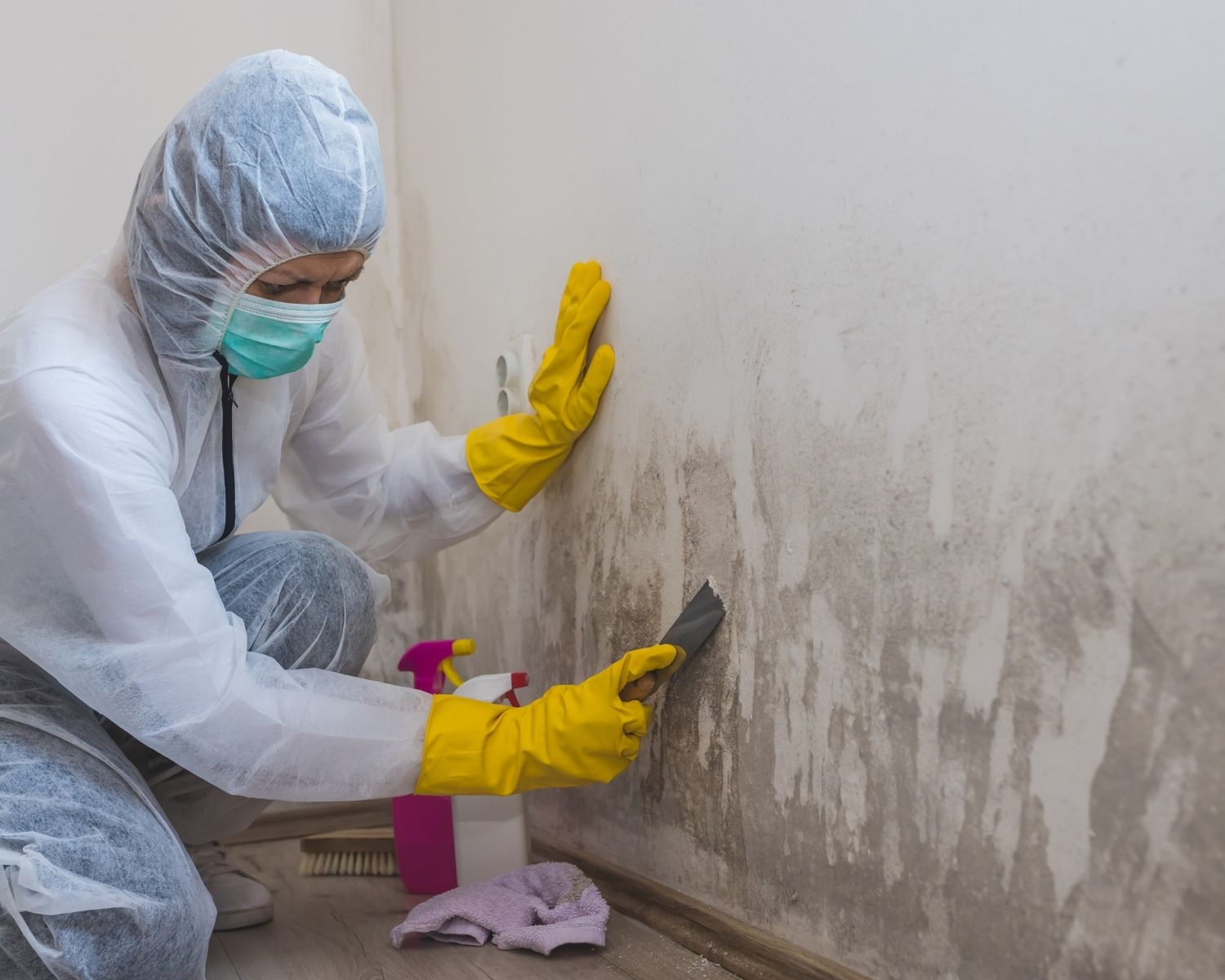
Professional mold remediation ensures complete removal and prevents future growth after water damage.
Watch for hidden water damage signs in the coming weeks. If you start seeing discoloration, smell something musty, or notice bubbling paint, moisture is still lurking somewhere. When mold does appear despite your best efforts, professional mold removal services become essential to protect your family’s health and your home’s structural integrity.
When to Call Professional Restoration Services
Sometimes DIY just isn’t enough. Call in the pros when you’re dealing with more than two feet of water, sewage contamination, or structural damage. If mold starts appearing despite your best efforts, that’s definitely professional territory. At PuroClean of Redmond/Woodinville, we handle these emergencies 24/7 because water damage doesn’t follow business hours. For homeowners specifically in Redmond dealing with water damage, local expertise makes all the difference in proper restoration.
Your Sump Pump Recovery Action Plan
Recovery from sump pump failure isn’t just about cleanup; it’s about getting your life back to normal and preventing future flooding. Install a backup pump system, consider a battery backup for power outages, and test your pump monthly (yes, monthly, we know it’s a pain but so is a flooded basement). Making prevention a priority protects both your home and your peace of mind.
Remember, you’re not alone in this. Whether you’re tackling it yourself or need professional help, having a plan makes all the difference. If you’re facing sump pump failure right now and feeling overwhelmed, contact us for immediate assistance.
Frequently Asked Questions
How long do I have before mold starts growing after sump pump failure?
Mold can begin growing within 24 to 48 hours in wet conditions. In the Pacific Northwest’s humid climate, this timeline can be even shorter, making quick water extraction and thorough drying critical to preventing mold growth.
Will homeowners insurance cover damage from sump pump failure?
Coverage varies by policy, but standard homeowners insurance typically doesn’t cover sump pump failure unless you have specific water backup coverage. Document everything and contact your insurance company immediately to understand your coverage.
Can I save carpeting and furniture after sump pump flooding?
Furniture might be salvageable if dried quickly and properly sanitized. However, carpet padding almost always needs replacement, and carpeting that’s been wet for over 48 hours usually harbors too much contamination to safely keep.
What’s the typical cost for professional sump pump failure cleanup?
Professional water damage restoration for sump pump failure typically ranges from $3,500 to $4,000 for cleanup and mitigation services in King County homes, though costs vary based on water volume and affected areas.


 PuroClean of Redmond/Woodinville