 PuroClean of Redmond/Woodinville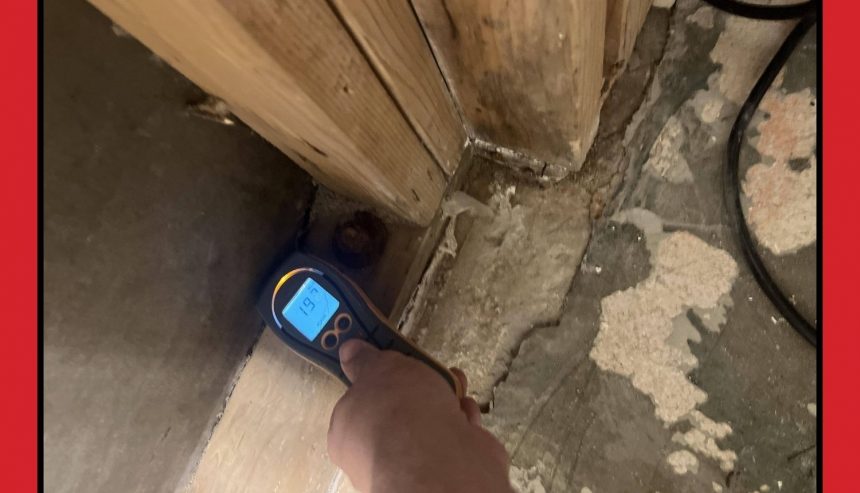
Jump to Section:
- → Mistake #1: Waiting Too Long to Call for Help
- → Mistake #2: Trying to DIY Major Water Extraction
- → Mistake #3: Ignoring Hidden Moisture
- → Mistake #4: Moving or Using Damaged Belongings Too Soon
- → Mistake #5: Not Understanding Your Insurance Coverage
- → Mistake #6: Stopping the Drying Process Too Early
- → Mistake #7: Not Addressing the Root Cause
- → FAQs
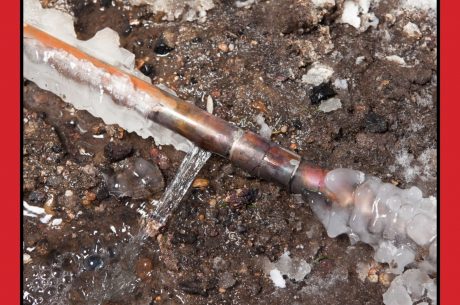
A pipe bursts at 2am, water starts pooling in your basement, and panic sets in. In those first chaotic moments, the decisions you make can either save you thousands of dollars or turn a manageable situation into a disaster. After nearly 20 years of helping Redmond and Woodinville homeowners through water emergencies, we’ve noticed the same mistakes keep popping up. Here’s what to watch out for, and more importantly, how to handle water damage the right way.
Mistake #1: Waiting Too Long to Call for Help
Nobody wants to make that emergency call at midnight. You might think you can handle it yourself, or maybe you’re hoping the leak will just stop. But water damage doesn’t take a break, and it definitely doesn’t wait until business hours to get worse.
Within 24 hours, water can seep into your walls, floors, and furniture. By 48 hours, mold starts growing. After a week? You’re looking at serious structural damage and potential health hazards. The longer you wait, the more extensive the damage becomes, and the more expensive the cleanup gets.
| Timeframe | What Happens |
|---|---|
| 0-24 Hours | Water spreads, drywall begins to swell, furniture absorbs moisture |
| 24-48 Hours | Mold and mildew begin growing, metal surfaces start to tarnish |
| 48-72 Hours | Mold spreads rapidly, wood flooring warps, serious odors develop |
| 1 Week+ | Structural damage, biohazard contamination, restoration costs multiply |
Mistake #2: Trying to DIY Major Water Extraction
Look, we’re all for a good DIY project. Building a deck? Awesome. Painting the living room? Go for it. But when it comes to extracting hundreds of gallons of water from your basement, your wet-dry vac just isn’t going to cut it.
Professional moisture detection equipment finds hidden water damage that DIY methods miss.
Professional water damage restoration involves industrial-grade extraction equipment, moisture meters to detect hidden water, and specialized drying equipment that your home fans can’t match. IICRC-certified professionals follow strict industry standards for water damage restoration to ensure complete and proper drying. Plus, there’s the safety factor. Standing water can hide electrical hazards, contain sewage or chemicals, and create slip hazards.
Dealing With Water Damage Right Now?
Don’t let the situation get worse. Our team responds to emergencies 24/7 across the Greater Eastside area. We’ll assess the damage, extract the water, and get your property drying properly, all while helping you navigate the insurance process.
Contact Us for Emergency HelpMistake #3: Ignoring Hidden Moisture
Just because you can’t see water anymore doesn’t mean it’s gone. This is probably the sneakiest mistake homeowners make, and it comes back to bite them months later when mold shows up or floors start buckling.
Water loves to hide in wall cavities, under flooring, in insulation, and inside cabinetry. Your eyes can’t see it, but your nose might eventually smell it. Professional moisture detection uses thermal imaging cameras and moisture meters to find water you can’t see, which is exactly why we use them on every job. The EPA emphasizes that controlling moisture within 24 to 48 hours is critical to preventing mold growth.
Common Hiding Spots for Water Damage
Water seeps between walls where it can sit undetected for weeks
Subfloors and padding trap moisture beneath visible surfaces
Kitchen and bathroom cabinets hide water from pipe leaks
Insulation acts like a sponge, holding moisture for extended periods
Mistake #4: Moving or Using Damaged Belongings Too Soon
We understand the urge to grab your stuff and move it somewhere dry. But moving items too soon can actually spread contamination throughout your home or cause items to deteriorate faster.
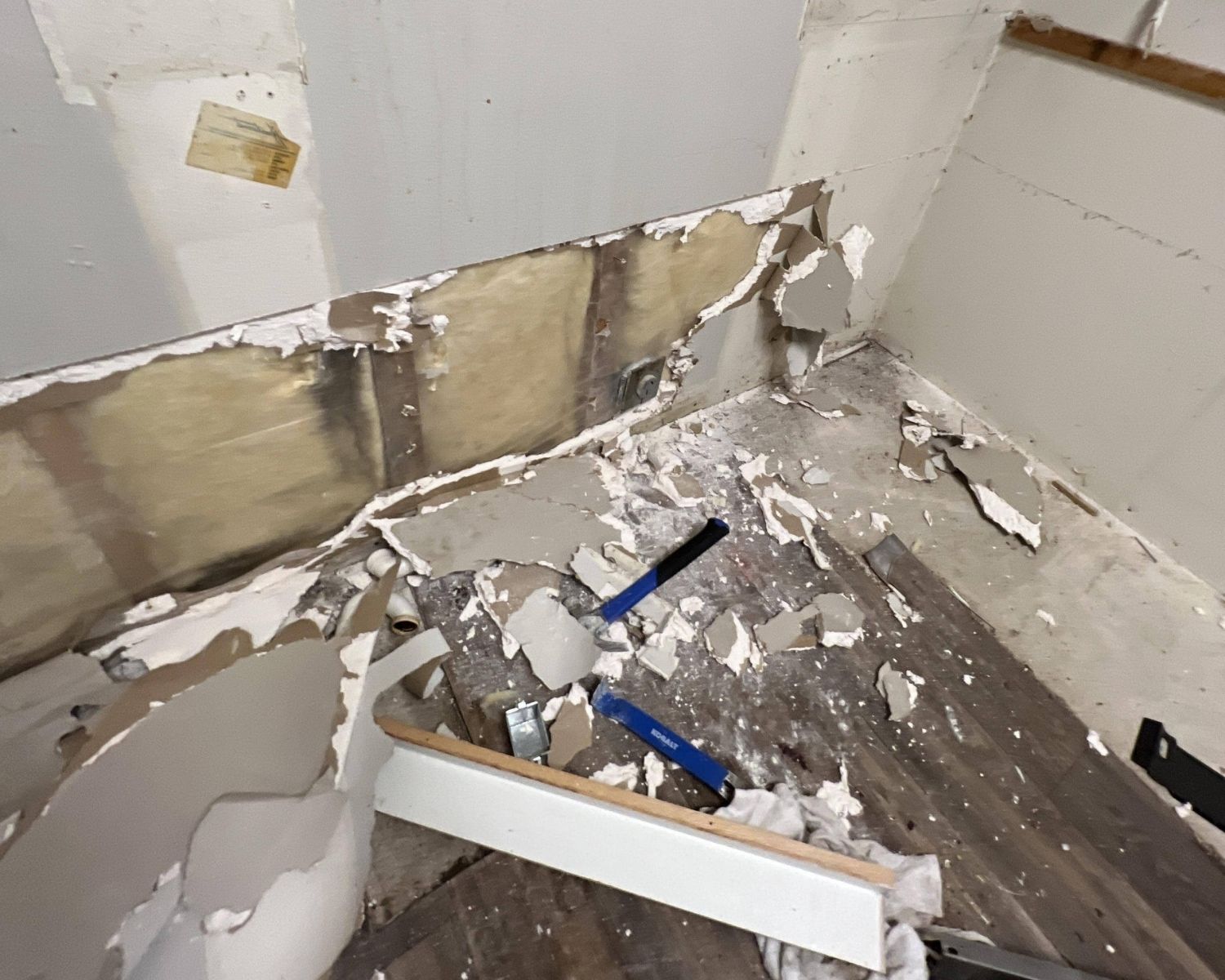
Professional assessment determines what can be safely moved and what requires specialized treatment.
Furniture sitting in water for even a few hours can develop mold. Electronics exposed to moisture need time to dry completely before being powered on. Hardwood floors require special attention to prevent warping and buckling. Document everything with photos for insurance, but let the professionals assess what can be moved safely.
Mistake #5: Not Understanding Your Insurance Coverage
Insurance claims and water damage go hand in hand, but so many homeowners discover too late that they’re not covered the way they thought they were. Not all water damage is created equal in the eyes of your insurance company.
A burst pipe? Usually covered. Your sump pump failed during Washington’s increasingly heavy rainstorms? Maybe not, depending on your policy. Flood damage from natural disasters? That typically requires separate flood insurance entirely. Before you even have an emergency, review your homeowner’s insurance policy. We work with insurance companies regularly and can help guide you through the claims process.
Quick Response Checklist When Water Damage Strikes
- ✓ Shut off the water source if safe to do so
- ✓ Turn off electricity to affected areas (if you can safely reach the breaker)
- ✓ Document the damage with photos and videos
- ✓ Call emergency restoration services immediately
- ✓ Contact your insurance company to start a claim
- ✓ Remove small valuable items if safe (jewelry, documents, electronics)
- ✓ Do NOT enter standing water near electrical sources
- ✓ Avoid using regular vacuum cleaners on water
Mistake #6: Stopping the Drying Process Too Early
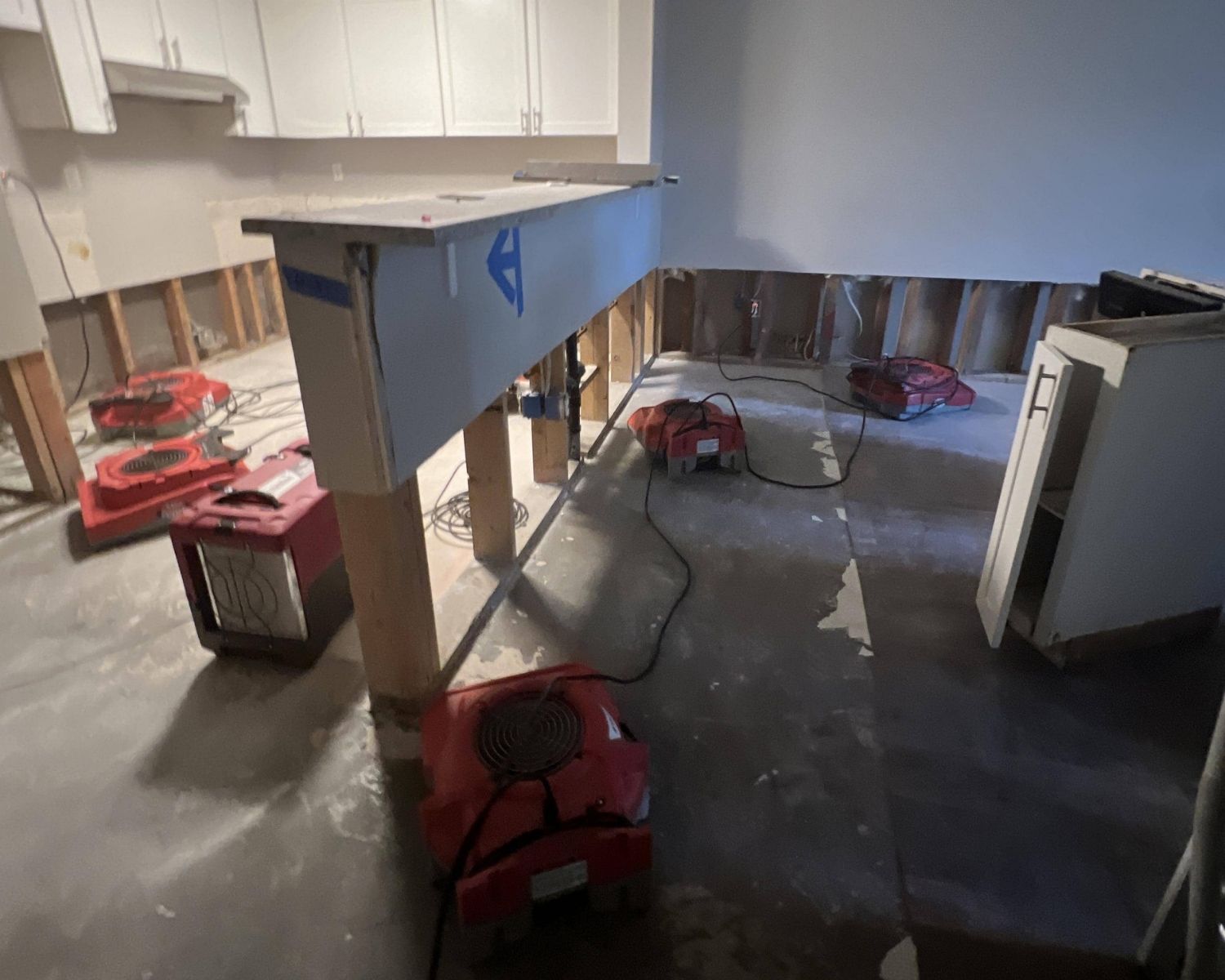
You might look at your basement after three days and think it’s dry. But surface drying and actual drying are two very different things. Professional water damage restoration follows moisture readings, not visual inspections. We check moisture levels in materials multiple times per day and won’t consider a job complete until readings return to normal conditions.

Industrial dehumidifiers and air movers work continuously until moisture readings confirm complete drying.
Drywall can look fine while holding moisture inside. Concrete floors might feel dry while still containing significant moisture that will eventually cause problems. Trust the equipment and the professionals monitoring it, not your eyes.
Mistake #7: Not Addressing the Root Cause
Here’s where we see homeowners waste money on repeat water damage incidents. They clean up the water, dry everything out, then the same thing happens six months later because they never fixed what caused the problem.
If a pipe burst, why did it burst? If your basement flooded, do you need better drainage or a functioning sump pump? While we focus on mitigation and restoration in Redmond, we can often identify the underlying issues. Prevention is always cheaper than repeated restoration.
The Bottom Line on Water Damage in Redmond
Water damage is stressful enough without making mistakes that make everything worse. Act fast, call professionals who know what they’re doing, let the proper equipment do its job, and fix the root cause so it doesn’t happen again.
At PuroClean of Redmond/Woodinville, we’ve built our reputation over nearly 20 years by helping our neighbors through these emergencies with honesty, expertise, and genuine care. Questions about water damage or dealing with an emergency right now? Reach out to us. We’re here 24/7, and we’ll always give you straight answers about what you’re dealing with and what needs to happen next.
Common Questions About Water Damage Mistakes
Yes, because mold can begin growing within 24 to 48 hours and structural damage accelerates rapidly once water penetrates building materials.
Consumer equipment lacks the power to extract water from deep within materials and can’t detect hidden moisture in walls, floors, and ceilings where professional thermal imaging and moisture meters are needed.
Without professional moisture meters, you can’t reliably know, which is why DIY drying often leads to mold problems weeks or months later when hidden moisture finally reveals itself.
Stop everything and call professional water damage restoration immediately, as trying to correct multiple mistakes on your own typically compounds the problem rather than fixing it.

 PuroClean of Redmond/Woodinville