 PuroClean of Redmond/Woodinville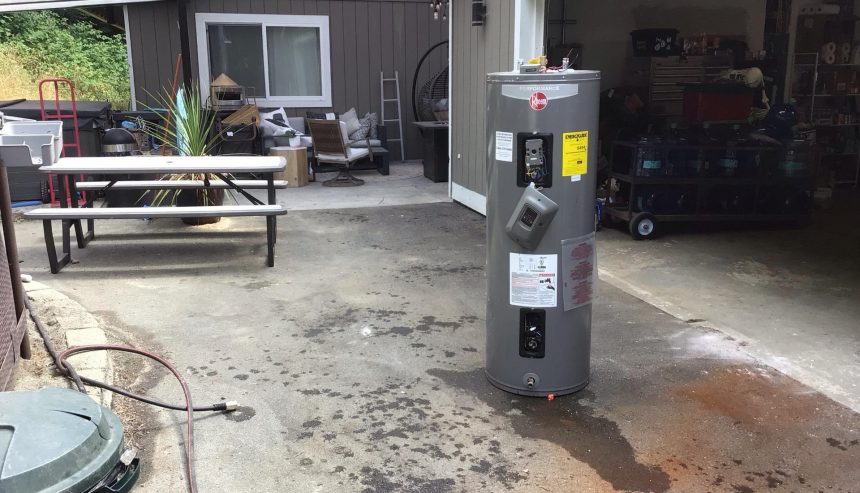
When a water heater fails, it rarely picks a convenient time. For one Snohomish homeowner, the first sign of trouble was a growing puddle in the garage that quickly became something much worse. What started as a single appliance leak spread through the garage, soaked into an adjoining room, and left the family scrambling to figure out what to do next. Our team at PuroClean of Redmond/Woodinville arrived that same day to begin emergency water damage restoration, and what we found reminded us why these situations need fast, professional attention.
The Call: Water Heater Failure in Snohomish
The homeowner discovered the leak on a typical weekday morning. The water heater, tucked in a corner of the garage, had developed a significant breach. Gallons of water had spread across the concrete floor, seeped under the shared wall, and saturated carpet in the adjacent living space.
By the time we got the call, moisture had already begun wicking up the drywall. The ceiling showed signs of water intrusion with visible staining and hairline cracks along the seams. Furniture near the wall sat in damp carpet, and the family had already started moving items away from the affected area.

The failed water heater at the source of the damage |
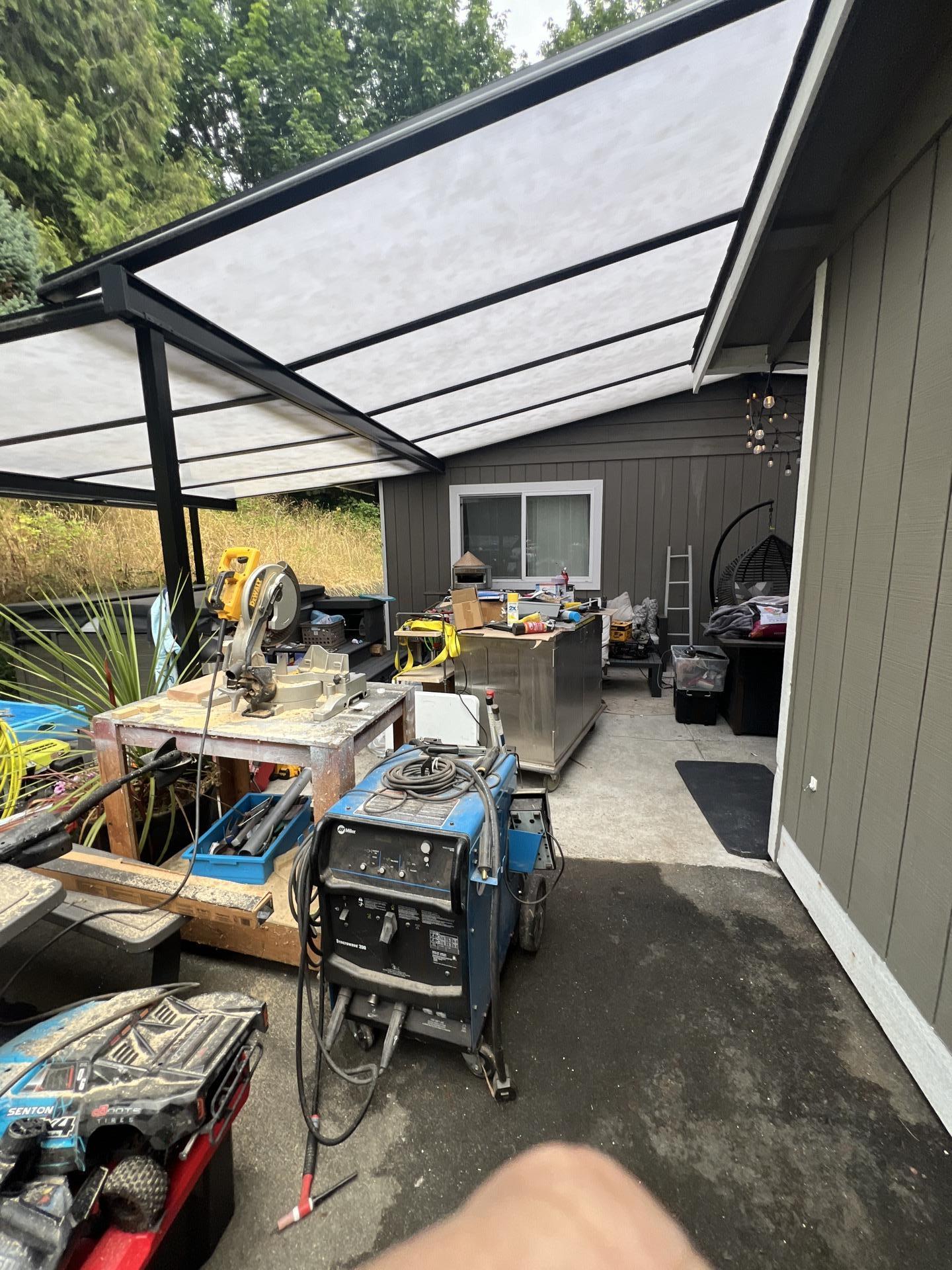
Water spread across the garage floor |
Assessing the Full Scope of Water Damage
Water heater leaks are deceptive. The visible puddle is just the beginning. Our technicians used moisture meters and thermal imaging to map exactly how far the water had traveled, and the damage extended well beyond what the homeowner could see.
According to the IICRC S500 Standard for Water Damage Restoration, moisture migration through porous materials can begin within minutes of exposure. In this case, the subfloor beneath the carpet had absorbed significant moisture, and the wall cavity showed elevated readings nearly three feet up from the floor.
Dealing with Water Damage in Your Home?
Our IICRC-certified team responds 24/7 to water emergencies across Snohomish and King County. The faster you act, the more we can save.
Get Emergency Help NowThe Restoration Process
We got to work immediately. The first priority was extracting standing water from both the garage and the living area. Carpet in the affected room needed to be pulled back so we could address the saturated padding and subfloor. Some materials were beyond saving, but we preserved more than the homeowner expected.
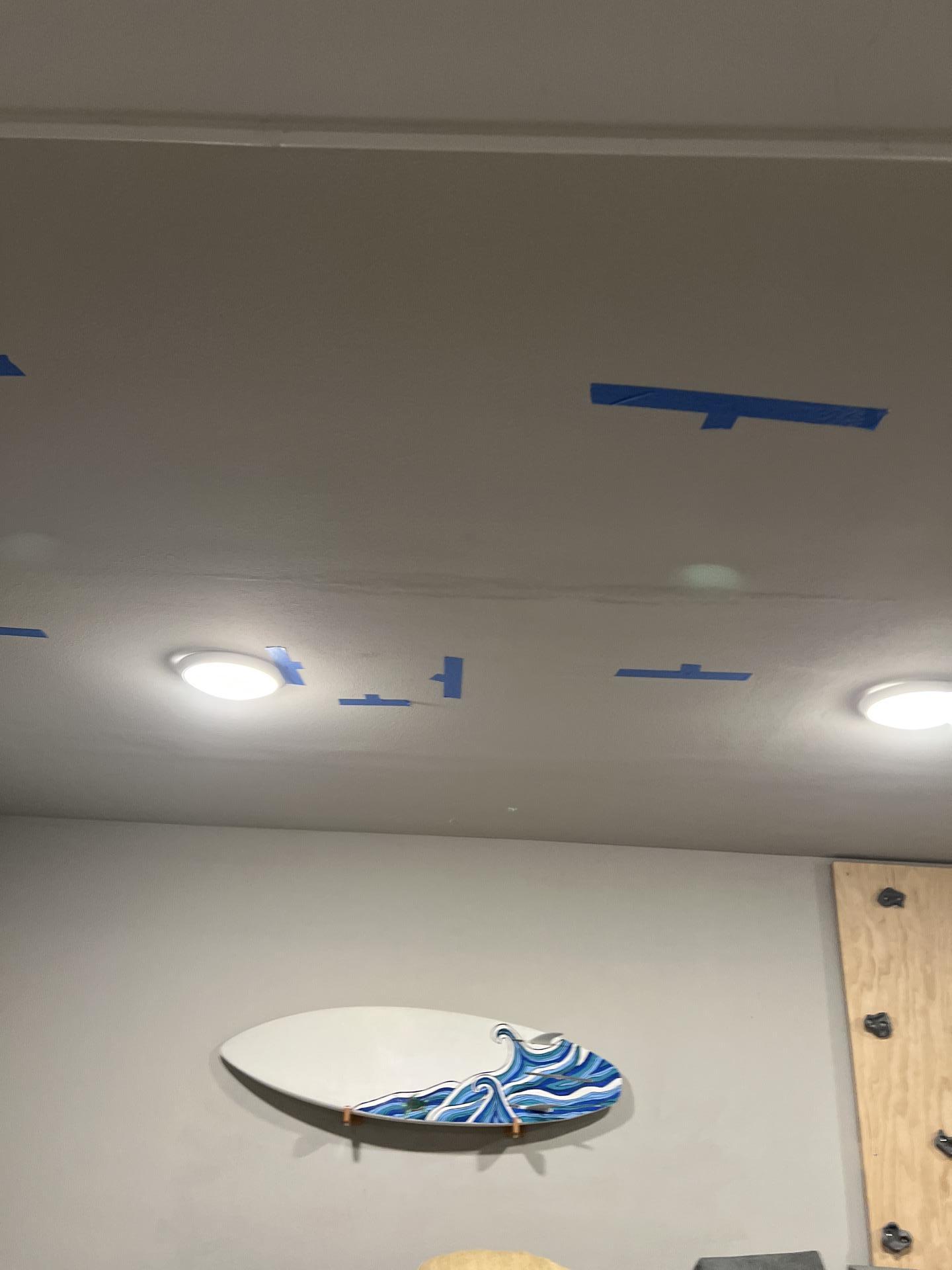
Ceiling damage showing water intrusion patterns |
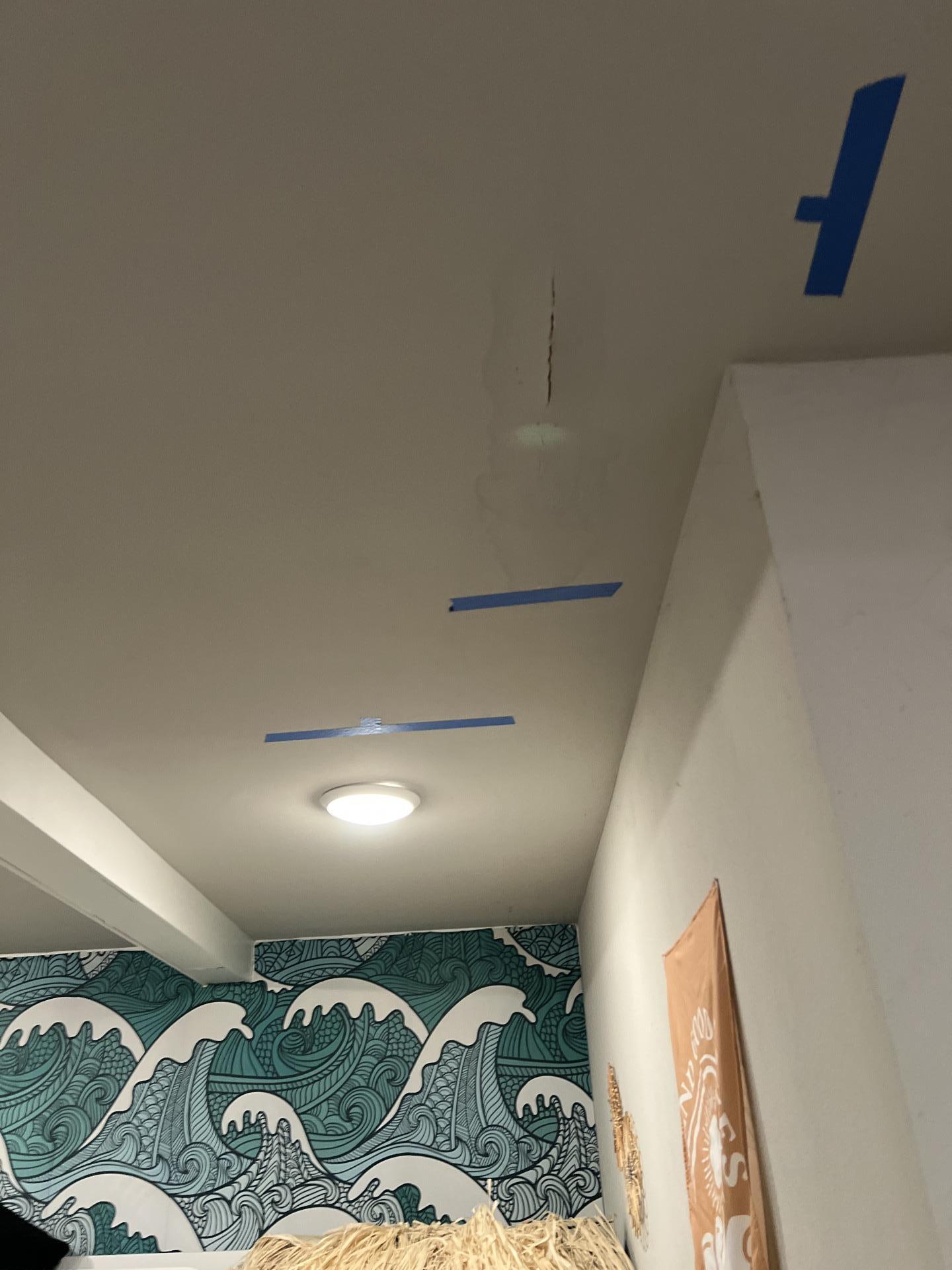
Cracking along ceiling seams from moisture |
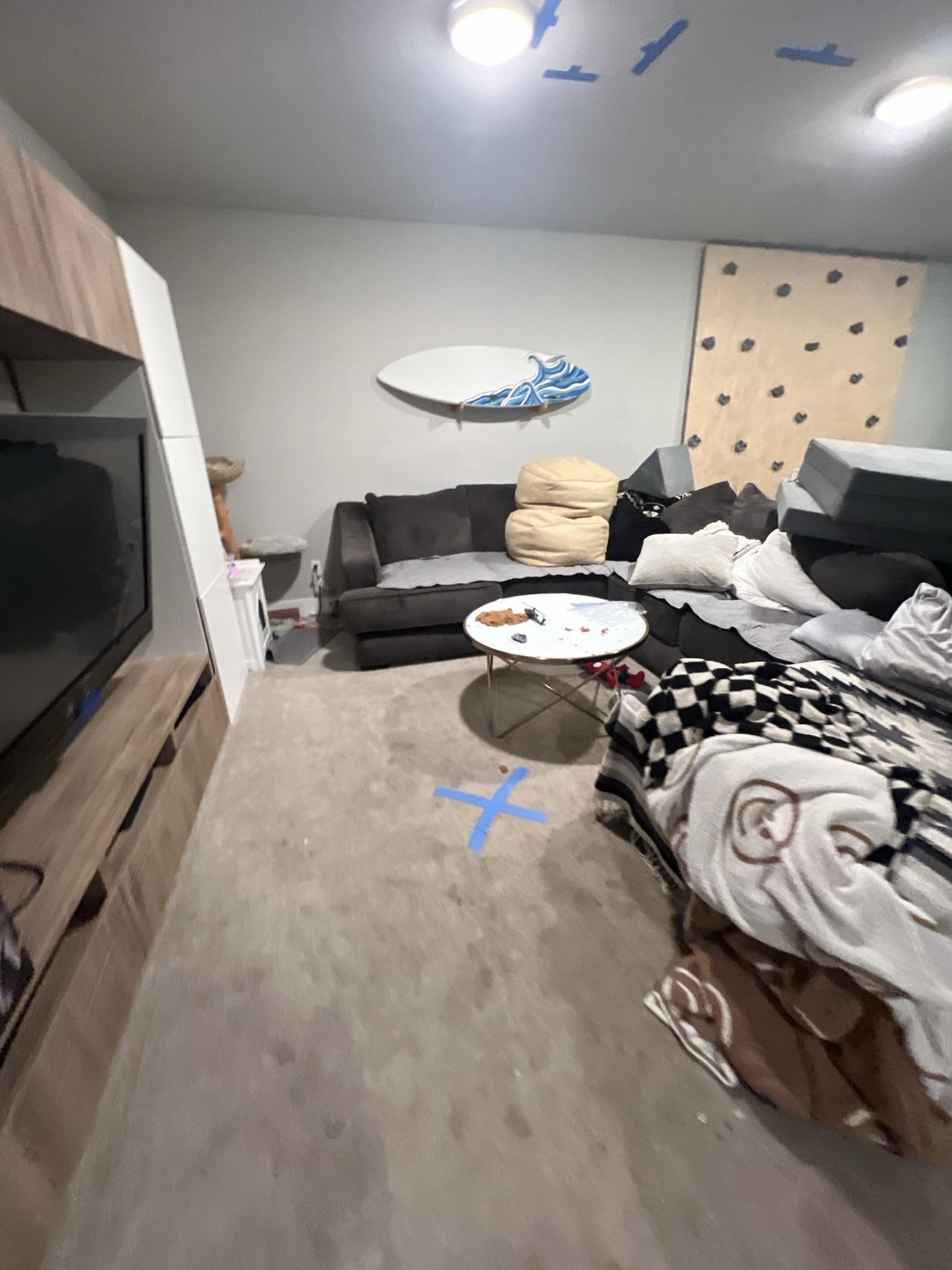
Water damage reached the living space carpet and furniture |

Saturated carpet near furniture required extraction |
What Our Team Tackled
- Garage water extraction and debris removal from around the water heater area
- Carpet and pad removal in the affected living area
- Structural drying of walls, subfloor, and ceiling using professional dehumidifiers and air movers
- Moisture monitoring throughout the drying process to ensure materials reached safe levels
- Contents protection including moving and covering furniture to prevent further damage
The drying process took several days. We returned daily to check moisture readings and adjust equipment. Rushing this step is one of the most common mistakes homeowners make after water damage, and it often leads to additional damage or structural issues.

Equipment set up for structural drying |
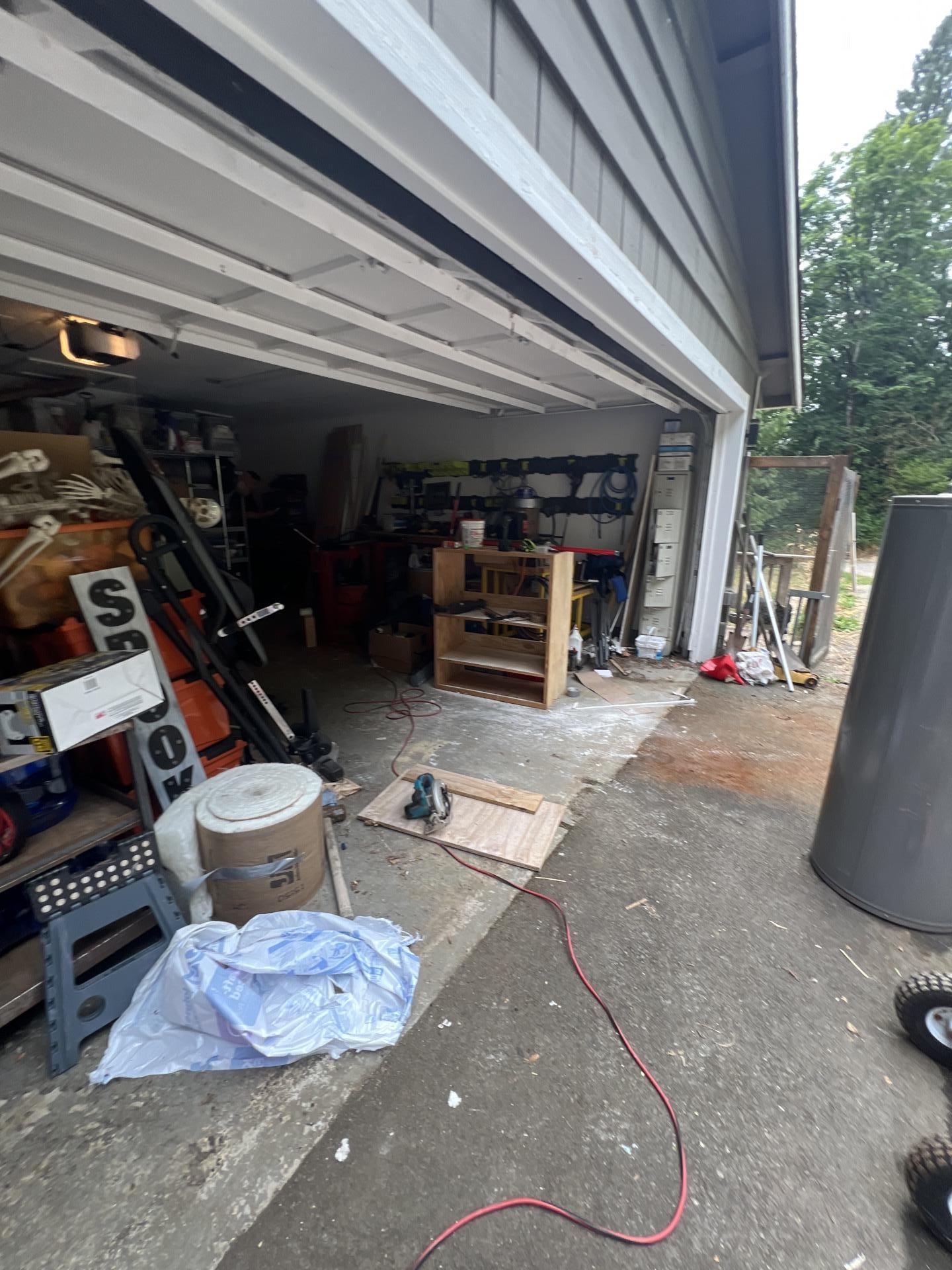
Our team’s worksite in the garage |
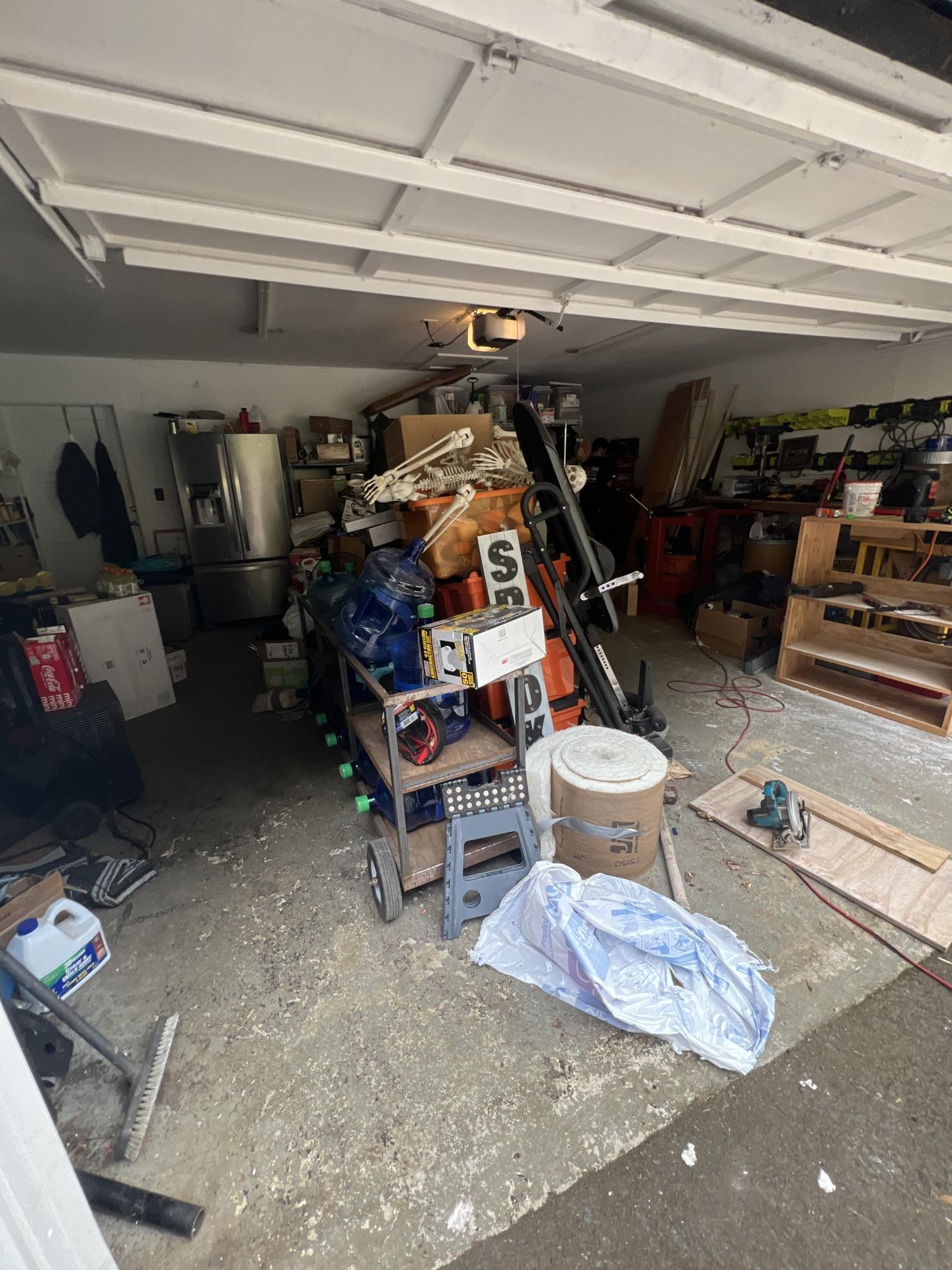
Cleanup progress in the garage |
Why Water Heater Leaks Need Immediate Attention
Water heater failures can cause extensive damage quickly. Most residential water heaters hold 40 to 50 gallons, and when that tank fails, the water has to go somewhere. In a garage, it often finds its way into adjacent spaces.
The homeowner did the right thing by calling quickly. Waiting even 24 hours could have meant dealing with additional damages on top of the water damage, which would have complicated the restoration significantly. The EPA recommends addressing water damage within 24 to 48 hours to prevent further damage. If you have an older water heater, checking it periodically for signs of rust, pooling water, or unusual sounds can help you catch problems before they become emergencies. Our guide on water heater leak cleanup covers the warning signs to watch for.
Helping Snohomish Homeowners Recover
Every water damage situation is different, but the stress feels the same. Our job is to bring calm to that chaos and get to work quickly. With nearly 20 years serving the Greater Eastside and Snohomish County, we assess damage accurately and move efficiently. For this family, we completed the mitigation, dried out their home, and set them up for the next steps.
Frequently Asked Questions
How quickly should I call for help after a water heater leak?
Call immediately. Water damage worsens by the hour. The sooner extraction and drying begin, the more of your home and belongings can be saved.
Will my homeowner’s insurance cover water heater leak damage?
Most homeowner’s policies cover sudden water damage from appliance failures like water heaters. Coverage typically includes water extraction, drying, and damaged materials. We work directly with insurance adjusters to document damage thoroughly and help streamline your claim.
How long does it take to dry out a home after water damage?
Drying time depends on the extent of damage, materials affected, and environmental conditions. Most residential water damage jobs take 3 to 5 days with professional equipment. We monitor moisture levels daily and keep equipment running until readings confirm the structure is dry.
Can water damage from a garage reach other parts of my home?
Yes. Water follows gravity and can seep under walls, through flooring, and into adjacent rooms quickly. Garages that share walls with living spaces are especially vulnerable. Professional moisture detection helps identify all affected areas, including hidden damage inside wall cavities.
Water Damage Emergency? We’re Here 24/7
PuroClean of Redmond/Woodinville serves Snohomish, King County, and the Greater Eastside with fast, professional water damage restoration. Call us anytime for immediate emergency response.


 PuroClean of Redmond/Woodinville