 PuroClean of Redmond/Woodinville
Jump To:
Winter storms in Woodinville can turn from beautiful snowfall to serious water damage emergencies faster than most homeowners expect. At PuroClean of Redmond/Woodinville, our IICRC-certified technicians have responded to hundreds of winter storm damage calls across the Greater Eastside over nearly two decades. We know firsthand how ice dams, frozen pipes, and heavy snow loads can wreak havoc on local homes.
January is peak season for these problems. The combination of freezing temperatures, occasional snow accumulation, and our region’s tendency for rapid temperature swings creates perfect conditions for water intrusion. The good news? Most winter storm damage is preventable with the right preparation.
Why January Is Peak Season for Water Damage in Woodinville
Woodinville sits in a unique microclimate. Cold air from the Cascade foothills meets moisture from Puget Sound, creating unpredictable winter weather patterns. According to our service records, water damage calls spike dramatically from late December through February.
Three main culprits cause most winter water damage in our area: ice dams forming on roofs, frozen pipes bursting inside walls, and roof leaks from snow and ice accumulation. Understanding these risks helps you protect your home before problems start.
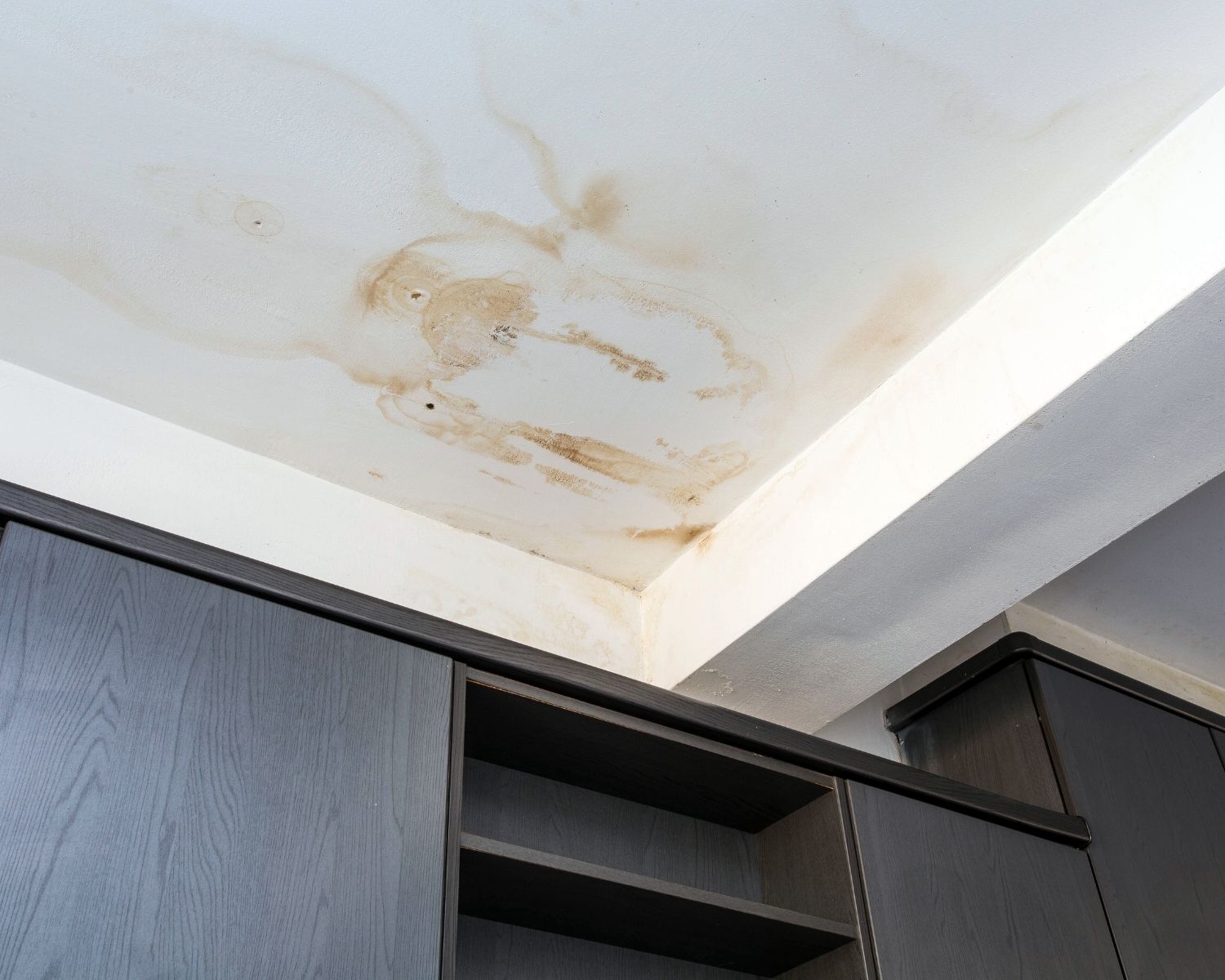
Water stains like these often indicate ice dam damage or roof leaks from winter storms. Catching these signs early prevents larger restoration projects.
Ice Dam Prevention: Protecting Your Roof from Winter Water Damage
Ice dams form when heat escaping through your attic melts snow on your roof. That water runs down until it hits the cold eaves, where it refreezes and creates a dam. Water pools behind this ice barrier and seeps under shingles into your home. The University of Minnesota Extension explains that this process requires just three conditions: snow on the roof, warm attic temperatures, and freezing eaves.
Many Woodinville homeowners mistake icicles for a charming winter feature. In reality, large icicles hanging from your eaves often signal ice dam formation happening just out of sight.
Long-Term Ice Dam Solutions
The real fix involves keeping your roof consistently cold. This means adding insulation to prevent heat transfer and ensuring proper attic ventilation. Most Woodinville homes built before 2000 have inadequate attic insulation by today’s standards.
Ventilation works alongside insulation. Ridge vents at the roof peak allow warm air to escape, while soffit vents under the eaves let cold air enter. This keeps your roof deck at a consistent temperature.
Ice Dam Prevention Checklist
- Inspect attic insulation for bare spots
- Seal air leaks around lights and vents
- Clean gutters before freezing weather
- Check soffit vents for blockages
- Remove snow buildup with a roof rake
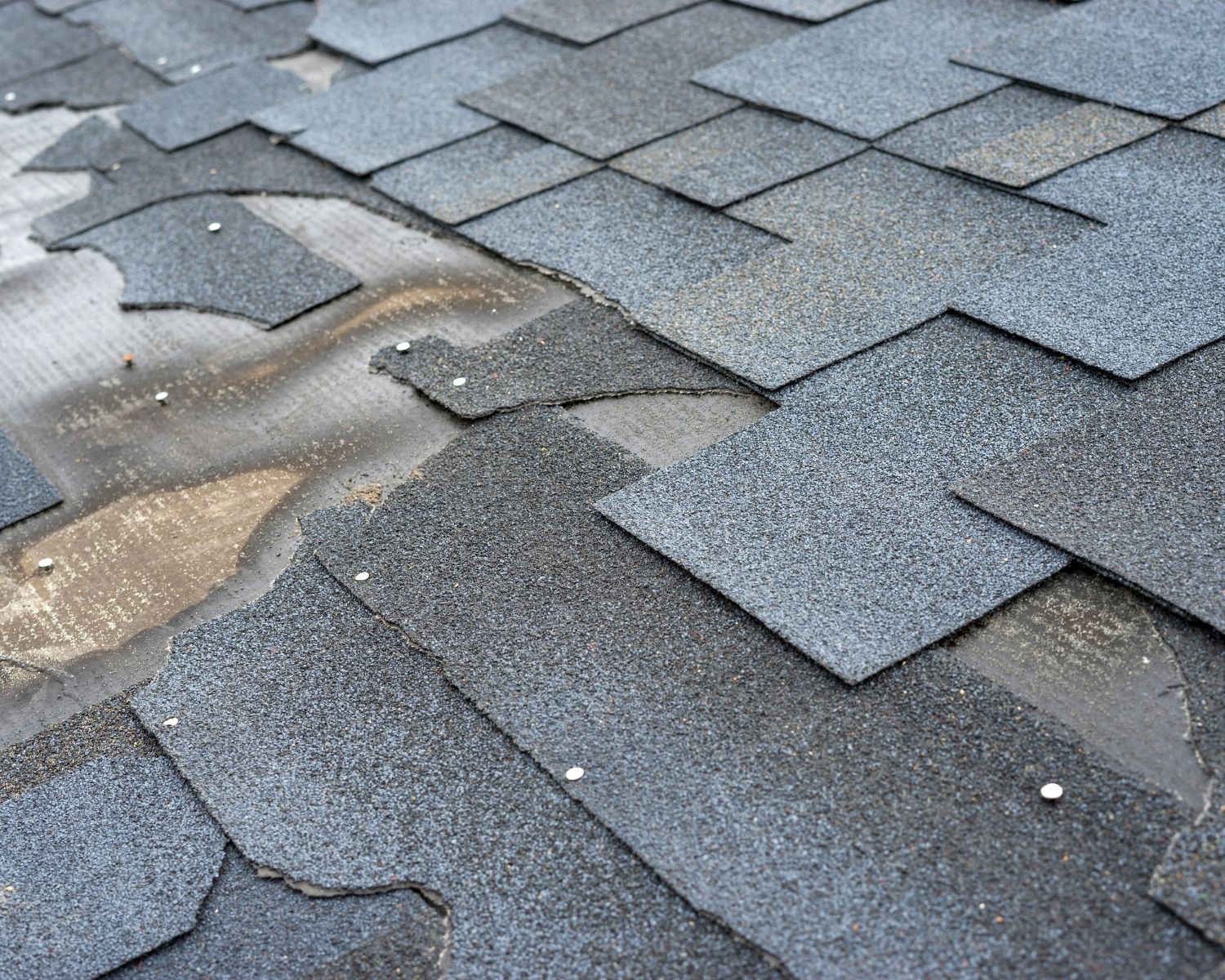
Ice dams cause shingle damage that allows water intrusion. Regular roof inspections help catch these problems before they lead to interior damage.
Experiencing Water Damage from Winter Weather?
Our team responds 24/7 to water emergencies across Woodinville, Redmond, and the Greater Eastside.
Contact Us for a Free EstimateFrozen Pipe Prevention: What Woodinville Homeowners Need to Know
Frozen pipes burst when expanding ice creates enough pressure to split the pipe wall. Water expands by about 9% when it freezes, and that force is enough to rupture even metal pipes. The American Red Cross recommends keeping your thermostat at the same temperature day and night during cold snaps. A burst pipe easily costs ten times what you save by lowering the heat at night.
Pipes in unheated spaces are most vulnerable. Think crawl spaces, garages, attics, and exterior walls. Our technicians frequently find burst pipes in these exact locations throughout Redmond and Woodinville homes. Older homes with original plumbing face even higher risk because pipes may run through uninsulated areas.
When temperatures drop below 20°F, take extra precautions. Open cabinet doors under sinks on exterior walls to let warm air circulate around pipes. Let faucets drip slightly to keep water moving, since flowing water resists freezing better than standing water.
| High-Risk Location | Protection Method |
|---|---|
| Crawl spaces | Pipe insulation, seal vents |
| Exterior walls | Open cabinets, let faucets drip |
| Garage | Keep door closed, insulate pipes |
| Outdoor hose bibs | Disconnect hoses, cover spigots |
| Attic | Add insulation, use heat tape |
Signs of a Frozen Pipe
When you turn on a faucet and only get a trickle, you likely have a frozen pipe. Frost on exposed pipes is another dead giveaway.
If you suspect a frozen pipe, keep the faucet open and apply gentle heat using a hair dryer or heating pad. Never use an open flame. Water damage from a burst pipe can cause extensive damage to walls and belongings, often leading to mold growth if not addressed quickly. Our burst pipe emergency guide covers the complete response process.

Quick action when you discover a leak can significantly reduce water damage. Know your main water shutoff location before emergencies happen.
What to Do When Winter Storm Damage Strikes
Sometimes prevention fails. When water starts flowing into your home from a burst pipe or ice dam, every minute counts.
First, shut off the water supply at the main valve. Know where this is before an emergency. Second, if safe, turn off electricity to affected areas. Third, document everything with photos for your insurance claim.
Emergency Response: First 60 Minutes
Shut Off Water
Kill Power
Document Damage
Call Professionals
According to IICRC standards, water damage restoration should begin within 24 to 48 hours to prevent secondary damage like mold growth. Our team at PuroClean of Redmond/Woodinville provides emergency response around the clock. We work directly with insurance companies to simplify the claims process.
Understanding how weather patterns affect water damage risk in our region helps you stay prepared.
Ready to Winterize Your Home?
Our team offers free estimates for water damage restoration. As the 2019 PuroClean Franchise of the Year, we bring award-winning service to every job.
Get Your Free EstimateFrequently Asked Questions
How quickly can ice dams cause water damage inside my Woodinville home?
Ice dams can cause water intrusion within hours of forming. As water pools behind the ice, it works its way under shingles and into your attic. During freeze-thaw cycles common to Woodinville winters, this process can repeat daily, compounding damage each time.
What temperature causes pipes to freeze in the Pacific Northwest?
Pipes can begin freezing when temperatures drop below 20°F, though pipes in unprotected areas like crawl spaces may freeze at higher temperatures. Wind chill accelerates the process. Pipes in crawl spaces are particularly vulnerable in our region.
Does homeowners insurance cover winter storm water damage in Washington?
Most standard homeowners policies cover sudden and accidental water damage from burst pipes and ice dams. However, coverage depends on whether the damage resulted from neglect or lack of maintenance. Review your specific policy with your insurance agent.
How long does professional water damage drying take?
Professional drying typically takes 3 to 5 days depending on the extent of water intrusion and materials affected. Our team uses moisture meters and thermal imaging to verify complete drying before finishing the job.

 PuroClean of Redmond/Woodinville