


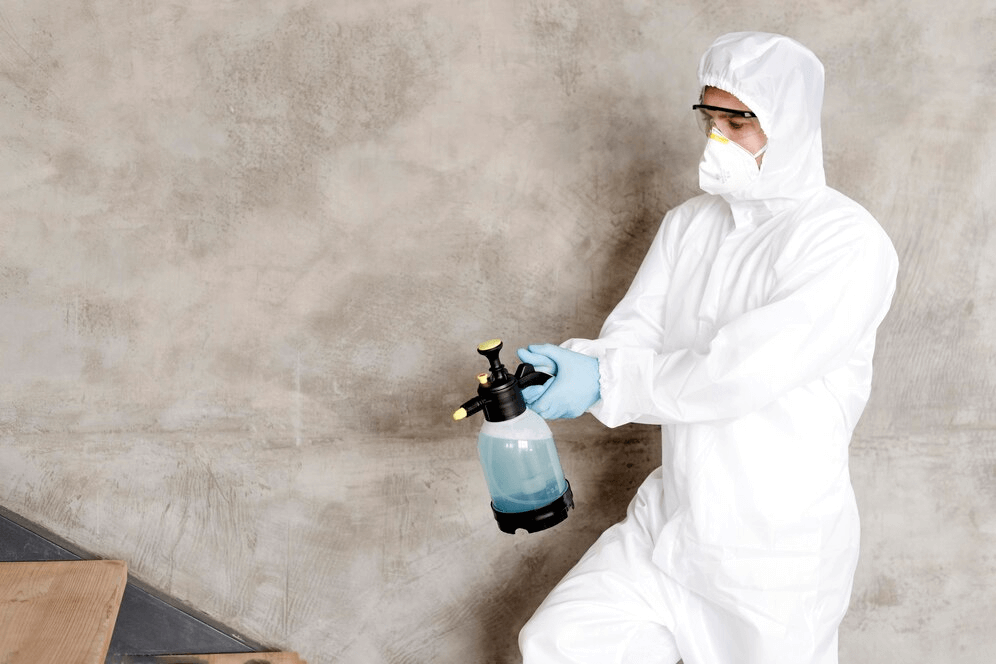
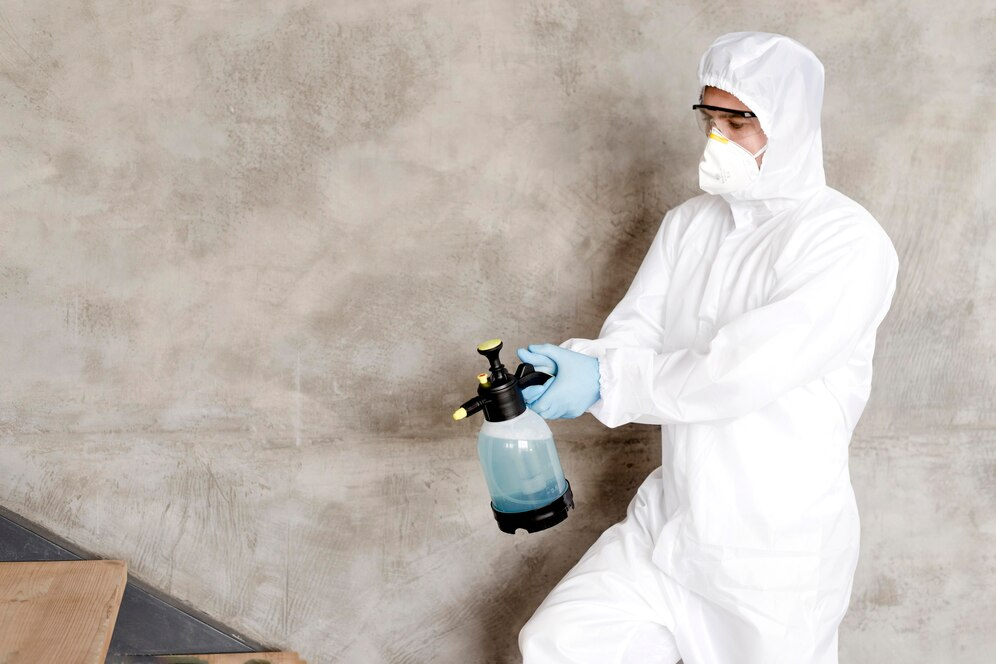
Whether you’re considering a DIY approach or hiring a professional, it’s crucial to get it right. In this article, we’ll walk you through detecting green mold on wood, various removal processes, and how to prevent future mold growth. Let’s get started.
You’ve spotted an unsightly patch of green on your favorite wooden furniture. Don’t panic – you’re dealing with green mold. This mold typically thrives in damp, dark environments and can spread quickly if not addressed promptly. Before you start scrubbing away, it’s essential to know that effective mold removal is not just about surface cleaning. It’s a process that requires a balance of the right tools, techniques, and safety precautions.
What is Green Mold Exactly
You’ve probably noticed that pesky green mold on your wood surfaces and wondered, what’s this all about, right?
Mold, specifically green mold, is a type of fungus that grows in damp environments and feeds on organic materials such as wood. This means areas with high humidity levels, leaks, or condensation are prime real estate for these unwanted guests.
Exposure to green mold can lead to allergic reactions, respiratory issues, and, in severe cases, neurological problems and immune system suppression. It’s important to note that these health risks aren’t limited to just those with pre-existing conditions or allergies.
Detecting Green Mold on Wood
One of the first identification techniques you should use is visual inspection. Green mold tends to have a fuzzy or slimy appearance and can range in color from light to dark green. It often grows in circular patterns and spreads outwards. The location of the mold can also be a clue, as it tends to thrive in damp, humid areas where wood is exposed to moisture. If you discover green mold in your bathroom, it’s important to consider bathroom mold removal to prevent further damage and potential health risks.
In addition to visual inspection, there are other identification techniques that you can use. These methods will help you to detect and confirm the presence of green mold:
- Smell — Mold often has a musty, damp, or earthy odor. If you notice this kind of smell in your home, especially near wooden surfaces, it could be a sign of mold.
- Touch — Affected areas may feel damp or wet, and the mold itself can have a soft or slimy texture.
DIY Mold Removal Process
Before you begin, it’s crucial to gather the necessary tools and materials to ensure a successful DIY project. We’ll provide a detailed, step-by-step guide to help you navigate through the process safely and effectively, giving you the confidence to handle this common household issue.
Necessary Tools and Materials
Let’s gather up some essential tools and materials that’ll make the job easier and more effective. Safety should be your top priority, so you’ll want to ensure you have appropriate protective gear.
- Gloves to protect your hands
- Goggles to shield your eyes
- Respirator mask to avoid inhaling harmful mold particles
- Mold-resistant paint to prevent mold growth
Now, aside from your protective gear and mold-resistant paint, there are a few other tools and materials you’ll need to effectively deal with green mold:
- Scrub brush — This is essential for physically removing the mold from the wood surface. Make sure it’s sturdy enough to withstand some thorough scrubbing.
- Mold-removal solution — You can either purchase a commercial mold removal product or make your own using a mixture of bleach and water.
- Plastic sheeting — This will help contain the mold spores when you’re cleaning, preventing them from spreading to other areas.
- Spray bottle — Fill this with your mold removal solution and use it to thoroughly dampen the moldy area before scrubbing.
Step-by-Step Guide
Armed with your tools and safety gear, let’s dive straight into the action with a step-by-step guide to tackle that unwelcome guest lurking on your surfaces.
- First, you need to secure the area. This is vital to prevent mold spores from spreading to other parts of your house. Cover the affected area with a plastic sheet, seal the edges with duct tape, and set up an exhaust fan to vent the moldy air outside.
- Your safety is paramount, and it’s important to understand the mold health risks associated with this task. So, always wear gloves, goggles, and an N-95 mask before starting the cleanup.
- Next, mix a solution of one part bleach to four parts water and spray it onto the moldy area. Let it sit for about 15 minutes to kill the mold spores. After that, scrub the surface with a stiff brush, getting into all the nooks and crannies.
- Once you’ve removed all visible traces of the mold, rinse the surface thoroughly with warm water and wipe it dry. Remember, mold thrives in damp conditions, so it’s crucial to dry the wood thoroughly.
- Lastly, apply a mold-resistant sealant to the surface to prevent future infestations. Armed with this knowledge and your tools, you can tackle green mold on wood head-on.
Professional Mold Removal
Professional mold removers come equipped with advanced tools and expertise to deal with mold infestations, ensuring your home is safe and mold-free. Prolonged exposure can lead to mold health effects like respiratory issues, allergic reactions, and, in severe cases, neurological problems.
Moreover, professional mold removal might be covered under your homeowner’s insurance, depending on the cause and extent of the damage. Before you proceed, review your policy or contact your insurance provider to verify coverage.
Professional remediation not only saves your property from further damage but also:
- Provides peace of mind knowing that mold infestation is being handled by experts.
- Mitigates the risk of potential health effects caused by mold exposure.
- Protects your valuable wooden items from irreversible mold damage.
- Potentially saves you money in the long run by preventing extensive repairs and replacements.
Preventing Future Mold Growth
Regular home maintenance is your first line of defence, the key to keeping your spaces dry and uninhabitable for mold. We’ll delve into specific tips for mold prevention, ensuring you’re well-armed with the know-how to ward off any future mold issues.
Regular Home Maintenance
Regular home maintenance isn’t just about sprucing up your space—it’s your first line of defense against pesky green mold on your wooden surfaces. Routine inspections and seasonal upkeep play a crucial role in the early detection and prevention of mold growth.
- Monitoring for potential leaky pipes, checking for proper ventilation, ensuring adequate insulation, and inspecting your wooden surfaces for early signs of mold are all essential tasks.
- Conduct routine home inspections, focusing on areas with wooden surfaces and spaces prone to high humidity.
- During seasonal upkeep, clean gutters and drainage areas to prevent water accumulation, a significant contributor to mold growth.
- Regularly check plumbing fixtures and repair any leaky pipes promptly to minimize damp conditions.
- Ensure your home is well-ventilated, especially in the attic and basement. Consider using dehumidifiers in these areas.
- Regularly clean, dry, and, if needed, treat your wooden surfaces to prevent mold spores from taking root.
Tips for Mold Prevention
One of the crucial steps for mold prevention is humidity control. Since mold thrives in damp environments, ensuring that your home’s humidity levels stay below 50% can significantly cut the risk of green mold formation on wood.
- Invest in a good quality dehumidifier for your home and regularly check and maintain it to ensure it’s functioning effectively.
- Additionally, consider using moisture-resistant products in areas that are prone to dampness, such as the bathroom, basement, and kitchen.
- Improving home ventilation is another effective method to prevent the growth of mold on wood. Ensure your home is well-ventilated, especially in moisture-prone areas.
- Install exhaust fans in your kitchen and bathroom to help steam escape. Furthermore, ensure your dryer vents outside to avoid trapping moist air indoors.
Conclusion
With the knowledge you need to tackle green mold on wood effectively, from detection to DIY and professional removal, you’ve got it covered. You also understand how to prevent future growth, ensuring long-term protection for your wood. If you need help with comprehensive mold removal done right the first time, contact us today.