


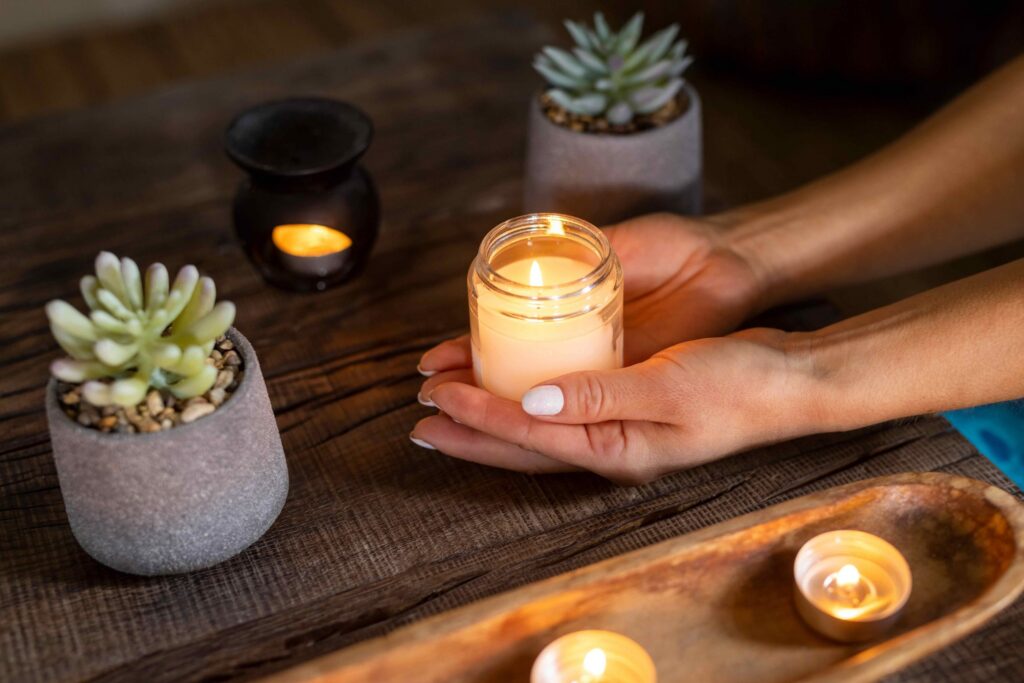
Candles hold a special place in our hearts, infusing our spaces with warmth and tranquility. However, it’s essential to ask ourselves, “How long can a candle burn safely?” While we appreciate the mesmerizing flicker and delicate fragrance, we must also acknowledge the potential hazards associated with a prolonged candle burning.
In this article, you’ll learn about the different factors involved in determining how long you can safely enjoy your scented wax creations. So let’s get right into it!
Candle Types & Burning Times
Candle types and their burning times can vary based on factors such as wax type, wick type, and whether the candle is scented or unscented. Here are some general guidelines:
- Paraffin Wax Candles: Paraffin wax candles are commonly used and have longer burn times than other wax types. On average, paraffin-based candles can burn for about 10 to 15 hours per inch of diameter.
- Soy Wax Candles: Soy wax candles are crafted from soybean oil and are considered more eco-friendly. They generally have a shorter burn time than paraffin wax candles, typically ranging from 7 to 10 hours per inch of diameter.
- Beeswax Candles: Beeswax candles are made from natural beeswax and have a pleasant honey-like scent. They have a longer burn time than soy wax candles and can typically burn for about 8 to 12 hours per inch of diameter.
- Scented Candles: Scented candles contain added fragrance oils, which can affect their burn time. The additional oils can cause the candle to burn faster compared to unscented candles. On average, scented candles may have a burn time of 7 to 10 hours per inch of diameter, but this can vary depending on the specific fragrance and wax type used.
- Wick Type: The type of wick used in a candle can also impact its burn time. Cotton core wicks are commonly used and tend to provide a steadier flame, resulting in longer burn times. On the other hand, wooden wicks may produce more smoke and have a shorter burn time.
It’s important to note that these are general guidelines, and actual burn times can vary depending on factors such as candle size, shape, and the specific candle manufacturer. Always follow the instructions provided by the candle manufacturer for the recommended burn time and safety guidelines for each particular candle.
With this knowledge in hand, let’s move on to exploring some factors that may influence how long a candle can safely remain lit.
Factors That Affect Burn Time
Now that we have discussed candle types and burning times, let’s explore the factors that can affect how long can a candle burn safely. There are several key elements to consider when assessing the potential length of a candle burn:
- Candle Size: Larger candles generally take longer to burn than smaller ones. That is because a larger candle has more wax to melt before reaching a full wax pool and potentially extinguishing itself.
- Wick Size: The thickness of the wick is crucial for a balanced burn. If the wick is too thick, it may not be able to melt enough wax at a time, resulting in a shorter overall burn time. Conversely, a too-thin wick may not provide enough fuel for a steady flame.
- Fragrance Type: Scented candles contain fragrance oils and can have a shorter burn time than unscented candles. The fragrance oils have a higher density, which slows down the melting of the surrounding wax and can shorten the overall burn time.
- Air Circulation: Proper air circulation around a lit candle is essential. Insufficient airflow can lead to the accumulation of carbon dioxide produced during combustion, causing the flame to snuff out prematurely. Adequate ventilation helps maintain a steady burn.
- Temperature: Temperature plays a substantial role in the burn time of a candle. Colder temperatures increase the liquid wax’s viscosity, slowing its flow toward the center wick. That can result in a longer burn time. Conversely, warmer temperatures reduce the viscosity, allowing the wax to flow more easily and potentially shortening the burn time.
By considering these aspects, you can better understand and manage the burn time of your candles. Following safety guidelines and manufacturer instructions when using candles is important to ensure a safe and enjoyable experience.
Proper Care to Maximize Burn Time
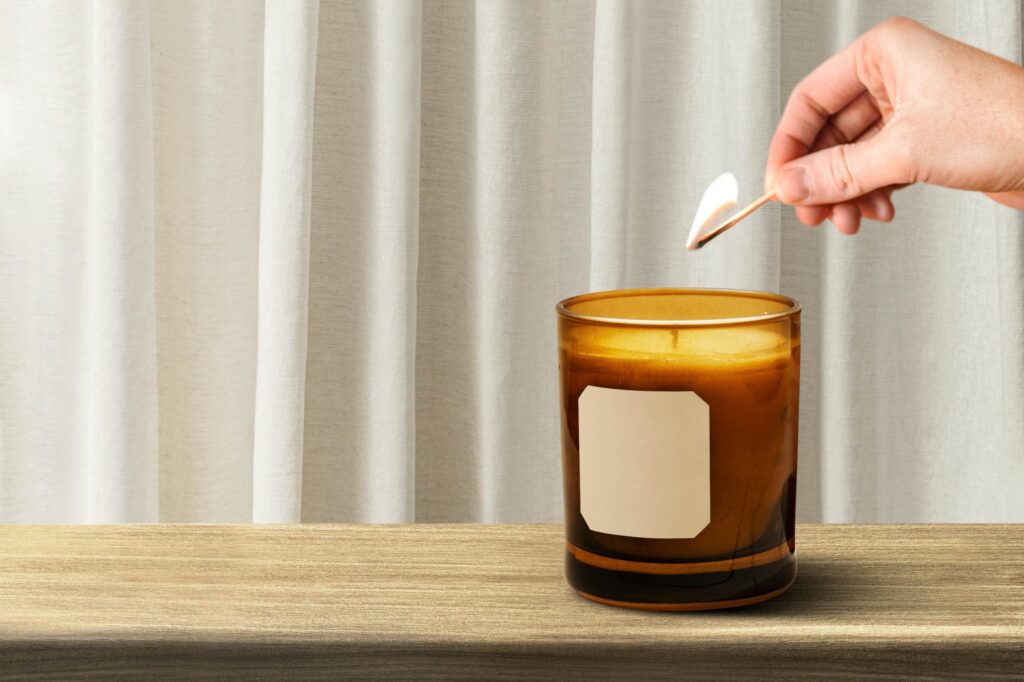
Proper care and maintenance of candles can significantly extend their burn time and ensure a clean and safe burning experience. Here are the key points to maximize burn time and safety:
- Trim the Wick Prior to Each Use: Trim the wick to about 1/4 inch (6mm) in length before lighting the candle. It prevents the wick from becoming too long and producing excessive smoke when the wax melts.
- Keep Candles Away From Air Drafts: Air drafts can cause uneven burning and lead to soot formation. Place your candles without being exposed to drafts from open windows, air circulators, or air conditioning vents.
- Use Glass Holders or Candle Containers: Using glass holders or containers can protect the flame from drafts while preventing dripping wax from damaging surfaces or causing fires. They also help contain the melted wax and ensure it burns efficiently.
- Allow the Candle to Burn Long Enough: On the first burn, let the candle create a full and even pool of melted wax across the entire surface. It helps to avoid tunneling, where the candle only burns down the center, leaving a lot of unused wax on the sides.
- Burn the candle for the Appropriate Time: Don’t leave the candle burning for more extended periods than recommended by the manufacturer. Extinguish the candle when it reaches the maximum recommended burn time, usually around 3-4 hours, to prevent overheating.
Following these basic care instructions, you can enjoy a longer-lasting, safer, and cleaner burning experience with your candles. Always remember to exercise caution and never leave a burning candle unattended.
Extinguishing a Candle Safely
Extinguishing a candle safely is important to prevent accidents and potential fire hazards. Here are the steps to safely extinguish a candle:
– Prepare a Candle Snuffer or an Upright Candle Holder
Before you light the candle, make sure you have a candle snuffer or an upright candle holder nearby. These tools will help you extinguish the flame without causing wax splatters or smoke.
– Position the Snuffer or Holder
If you’re using a candle snuffer, hold it about 6 inches above the flame. Position the bell-shaped cup of the snuffer over the top of the wick, ensuring that it covers the flame completely. Be careful not to touch the liquid wax pool with the snuffer.
– Extinguish the Flame
Gently press the snuffer down to smother the flame. Keep it in place until the flame is completely extinguished. This method prevents any sparks or hot wax from flying around.
– Remove the Snuffer or Holder
Once you’re sure the flame is out, and no heat is coming from the candle, carefully lift the snuffer or holder away from the wick. Be cautious not to touch the hot wax or the snuffer/holder, as it may still be hot.
– Check for Any Remaining Embers
After extinguishing the flame, check that there are no remaining embers or glowing parts on the wick. Make sure the candle is completely cool before leaving it unattended.
Remember, exercising caution and being vigilant when using candles is important. Never leave a burning candle unattended; keep them away from flammable materials, drafts, and pets. If possible, consider using flameless LED candles as a safer alternative for ambiance.
Final Thoughts
To ensure safe candle burning, always monitor lit candles closely, regardless of their advertised burn time. Consider factors like air quality and wick size to gauge burning speed. Additionally, proper candle care is crucial for safety and longevity. Trim the wicks before and during burning to maximize burn time and minimize risks. By extinguishing candles correctly, you can prevent smoke and soot buildup in your home.
As for the question of how long can a candle burn safely, it depends on various factors such as candle size, material, and ventilation, so it’s important to exercise caution and follow the manufacturer’s guidelines.
At PuroClean of Zephyrhills, we recognize the significance of candle safety. If you ever experience a candle-related incident, don’t hesitate to contact us for expert assistance and restoration services. Stay safe!