


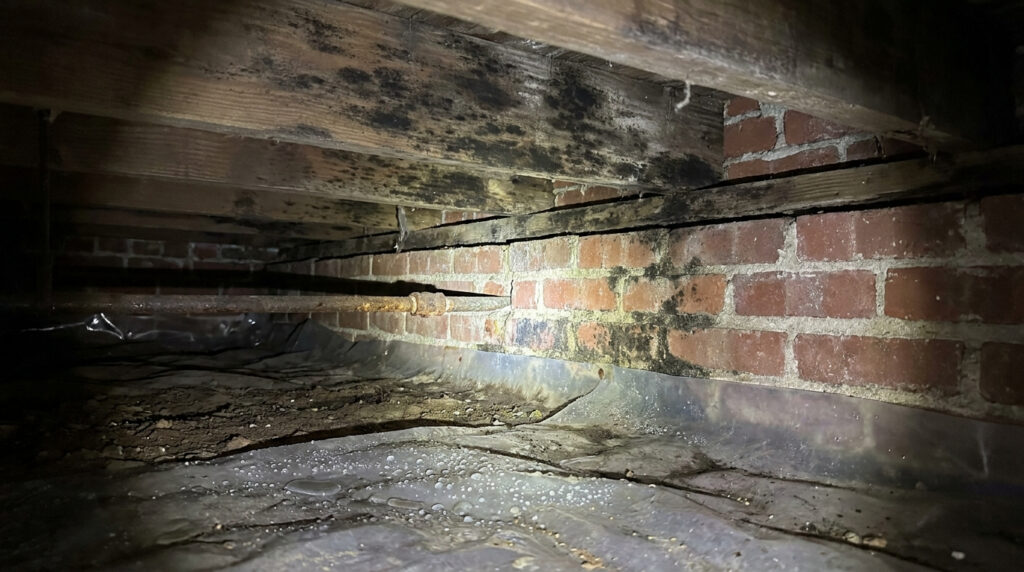
Introduction
Alexandria homeowners often discover mold in places they rarely check until there is a smell, a stain, or a larger problem. Basements and crawl spaces are especially vulnerable, not because of poor maintenance alone, but due to a mix of climate, construction patterns, and moisture behavior that is easy to underestimate.
Once you understand how moisture moves through these spaces, the issue of basement mold Alexandria properties face becomes much easier to predict and prevent. This article breaks down the real reasons mold thrives in these areas and what you can do to stop it before it spreads.
Alexandria’s Climate Creates Ideal Mold Conditions
Alexandria sits in a humid subtropical climate zone, which means warm summers and consistent moisture in the air for much of the year. That humidity does not stay outside. It finds its way into your home, especially below ground level.
Basements and crawl spaces naturally stay cooler than the rest of the house. When warm, humid air enters these cooler areas, condensation forms on surfaces like concrete walls, pipes, and wooden beams. This moisture becomes a reliable food source for mold.
Seasonal shifts make the problem worse. Spring and summer bring higher humidity, while fall introduces temperature swings that increase condensation cycles. Without proper moisture control, these spaces rarely dry out fully, creating a stable environment for mold growth.
Soil And Groundwater Pressure Around Foundations
The ground surrounding Alexandria homes plays a major role in how moisture enters basements and crawl spaces. Clay-heavy soil, common in parts of Northern Virginia, retains water instead of draining it efficiently.
After rainfall, this soil expands and holds moisture against foundation walls. Over time, hydrostatic pressure builds and pushes water through tiny cracks, porous concrete, and joints in the foundation.
Even well-built homes are not immune. Concrete is not waterproof. It absorbs moisture and slowly releases it into the interior space. That means even without visible leaks, your basement may constantly be exposed to elevated humidity levels.
Common Moisture Entry Points In Basements
Moisture does not need a major crack to get inside. Small vulnerabilities are enough to allow ongoing dampness.
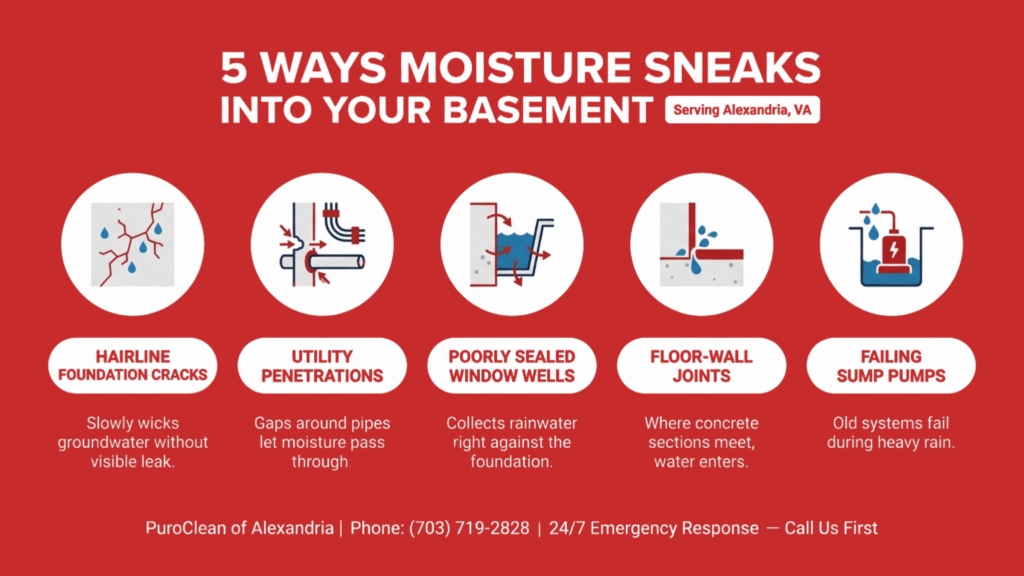
Here are the most common entry points homeowners overlook:
– Hairline foundation cracks that wick in groundwater slowly
– Gaps around utility penetrations like pipes and cables
– Poorly sealed window wells that collect rainwater
– Floor-wall joints where concrete sections meet
– Old sump pump systems that fail during heavy rain
These entry points rarely cause immediate flooding, but they sustain the moisture levels mold needs to grow.
Crawl Spaces Trap Moisture More Than You Think
Crawl spaces are often out of sight, which makes them easy to ignore. Many older homes in Alexandria were built with vented crawl spaces, a design that was once standard but now creates more problems than it solves.
Open vents allow humid outdoor air to enter during warm months. When that air meets cooler surfaces under the home, condensation forms. Insulation, wooden joists, and subflooring absorb that moisture quickly.
Plastic vapor barriers, if installed incorrectly or damaged over time, fail to block ground moisture. Bare soil releases water vapor continuously, raising humidity levels inside the crawl space even without external leaks.
The result is a confined, damp environment with minimal airflow, perfect for mold growth.
Signs Your Crawl Space Has A Moisture Problem
Crawl space issues rarely announce themselves clearly, but there are early indicators you can catch.
Watch for these signs:
– Musty odors coming from floors or vents
– Warped or sagging floorboards above the crawl space
– Visible condensation on pipes or insulation
– Increased indoor humidity without a clear cause
– Pest activity, which often accompanies damp conditions
Catching these signals early can prevent structural damage and indoor air quality issues.
Poor Ventilation And Airflow Design
Many basements and crawl spaces in Alexandria were not designed with modern moisture control in mind. Airflow is either insufficient or misdirected.
In basements, limited ventilation allows humidity to build up, especially if the space is partially finished without proper sealing. In crawl spaces, vented designs introduce humid air instead of removing moisture.
Mechanical systems can also contribute to the problem. HVAC ducts running through unsealed crawl spaces may leak conditioned air, creating temperature differences that increase condensation. Exhaust fans, if improperly installed, can pull humid air into lower levels instead of pushing it out.
The issue is not just a lack of airflow, but the wrong kind of airflow.
Organic Materials Feed Mold Growth
Moisture alone is not enough for mold. It also needs organic material to grow on, and basements and crawl spaces provide plenty.
Wood framing, insulation, cardboard storage boxes, dust, and even paint all serve as food sources. Once moisture levels rise above about 60 percent relative humidity, mold can begin to grow within 24 to 48 hours.
Finished basements are particularly at risk. Drywall and carpeting absorb moisture quickly and hold it, making mold harder to detect until it spreads behind walls or under flooring.
Even small, repeated moisture exposure can lead to long-term mold colonies if conditions are not corrected.
Why Mold Problems Often Go Undetected
Basements and crawl spaces are not part of daily living space, so early mold growth often goes unnoticed. By the time signs appear upstairs, the problem is usually well established.
Mold can grow behind insulation, under flooring, and inside wall cavities without visible surface clues. Odors may be the first noticeable sign, but they are often dismissed or masked.
Home inspections may miss early-stage mold unless specifically looking for moisture issues. This delay in detection allows mold to spread further and increases the cost and complexity of remediation.
Why Small Moisture Issues Turn Into Big Mold Problems
What starts as a minor issue can escalate quickly due to compounding factors.
Here is how small problems grow:
– A tiny leak keeps materials damp for long periods
– Humidity prevents natural drying between wet cycles
– Organic materials provide continuous food sources
– Limited airflow traps moisture in confined areas
– Delayed detection allows mold to spread unchecked
Addressing moisture early is far easier than removing established mold colonies.
Practical Steps To Reduce Mold Risk In Basements
Preventing mold is about controlling moisture consistently, not reacting after the fact.
Use these targeted actions to protect your basement:
– Install a dehumidifier and keep humidity below 50 percent
– Seal foundation cracks and waterproof interior walls
– Ensure gutters and downspouts direct water away from the home
– Upgrade sump pump systems with battery backup
– Avoid storing cardboard or fabric items directly on floors
These steps reduce the conditions mold depends on and help stabilize the environment year-round.
Crawl Space Mold Prevention Strategies That Work
Crawl spaces require a different approach focused on sealing and moisture control rather than ventilation.
Follow these proven strategies:
– Install a sealed vapor barrier across floors and walls
– Close and seal vents to prevent humid air entry
– Use a crawl space dehumidifier designed for low-clearance areas
– Insulate walls instead of the floor above for better moisture control
– Schedule regular inspections to catch early signs of dampness
These measures form the foundation of effective crawl space mold prevention and long-term home protection.
When Professional Help Becomes Necessary
Some mold and moisture issues go beyond what DIY solutions can handle. If water intrusion is persistent or mold covers large areas, professional assessment is the safer route.
Experts use moisture meters, thermal imaging, and air quality testing to identify hidden problems. They can also address structural causes, not just surface mold.
If you notice recurring mold despite preventive efforts, strong odors, or visible growth spreading across surfaces, it is time to bring in a specialist. Acting early limits damage and keeps remediation manageable.
Conclusion
Basements and crawl spaces in Alexandria homes are naturally vulnerable due to climate, soil conditions, and outdated construction practices. Moisture enters quietly and stays longer than most homeowners expect, creating ideal conditions for mold to grow.
Understanding how and why this happens is the first step toward control. With consistent monitoring and the right upgrades, you can reduce the risk of basement mold Alexandria homeowners often face and build a more stable indoor environment. Prioritizing crawl space mold prevention alongside basement care gives you full coverage where it matters most.
If you suspect a moisture or mold issue, do not wait for visible damage. Take action early or consult a professional to protect your home from long-term complications.
FAQs
Q: Why is mold more common in basements than in other parts of the house?
A: Basements are cooler, closer to groundwater, and often poorly ventilated, which creates consistent moisture levels that support mold growth.
Q: Can I eliminate mold permanently from my crawl space?
A: You can control and prevent mold by sealing the space, managing humidity, and removing moisture sources, but ongoing maintenance is essential.
Q: How quickly can mold grow in a damp basement?
A: Mold can begin growing within 24 to 48 hours if moisture and organic materials are present, especially in humid conditions.