


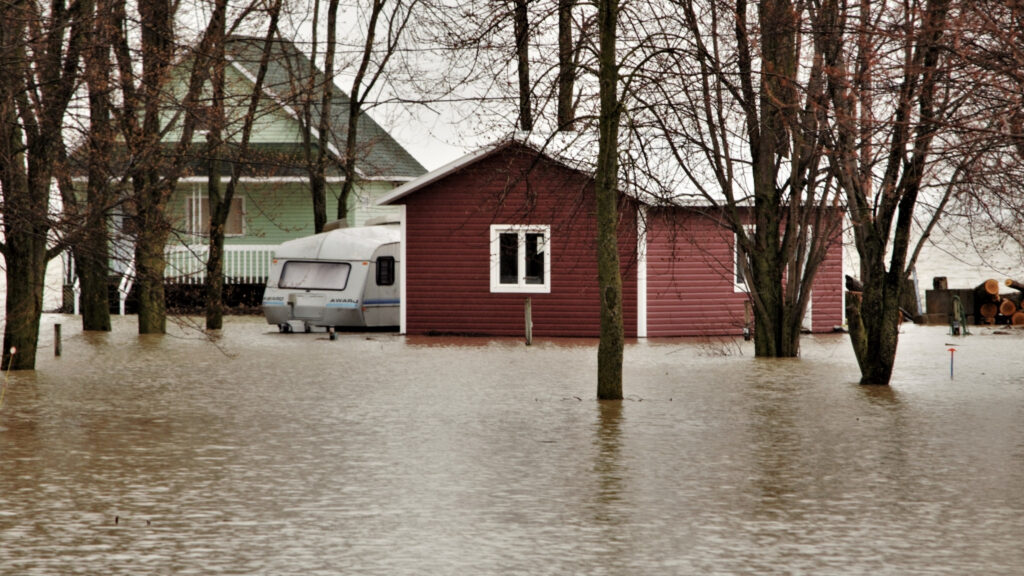
Water intrusion can be devastating, and how you respond in the first 24 hours can determine the extent of the damage and the cost of restoration. Be it a ruptured pipe, a faulty roof, or a flood, taking immediate action is crucial. The water damage restore process involves quick intervention to prevent mold growth, structural issues, and costly repairs. In this guide, we will walk you through the essential steps to handle water intrusion within the first 24 hours, ensuring a complete water dry out and restoration of your home.
Why the First 24 Hours Are Crucial in Water Damage Restore
Water spreads quickly, soaking into walls, flooring, and furniture. If left untreated, it can cause severe damage and create a breeding ground for mold. The faster you act, the better you can prevent long-term issues.
How Water Damage Progresses Over Time
- First Few Minutes: Water seeps into porous materials like wood, drywall, and carpets.
- Within 1-4 Hours: Wooden structures begin swelling, and drywall starts absorbing moisture.
- Within 12-24 Hours: Mold spores activate, and bacteria multiply in contaminated water.
- After 24 Hours: Mold growth becomes visible, structural integrity weakens, and air quality deteriorates.
To prevent extensive damage, following a structured water intrusion restoration plan within the first 24 hours is essential.
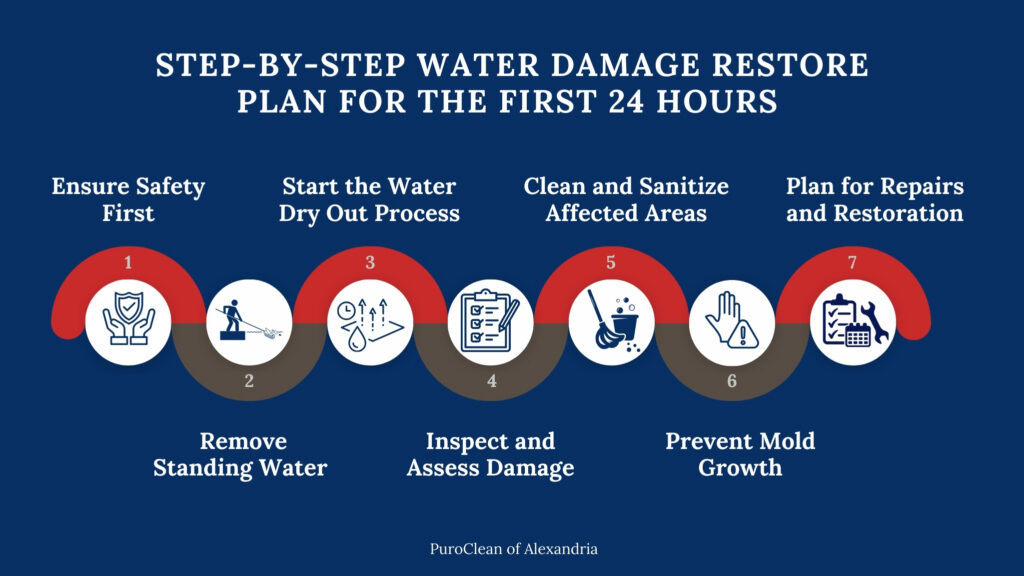
Step-by-Step Water Damage Restore Plan for the First 24 Hours
- Ensure Safety First
Before starting the cleanup process, prioritize safety:
- Turn Off Electricity: Avoid electrical hazards by shutting off power in affected areas.
- Shut Off the Water Source: If a pipe burst causes the flooding, locate and close the main water supply.
- Assess Structural Stability: Check for signs of ceiling sagging or weakened flooring before entering the affected area.
- Wear Protective Gear: Use gloves, boots, and masks when dealing with contaminated water.
If the water intrusion is extensive, it’s best to contact a professional water damage restoration service immediately.
- Remove Standing Water
A fast water-drying process begins with eliminating standing water:
- Use a Wet/Dry Vacuum – Ideal for small to moderate water levels.
- Mop and Towels – For minor leaks, absorb excess water quickly.
- Use a Sump Pump – In case the water level is high, a pump can remove it efficiently.
The sooner the standing water is removed, the lower the risk of further structural damage.
- Start the Water Dry Out Process
Proper drying prevents mold and reduces damage:
- Open Windows and Doors: Increase air circulation for faster drying.
- Use High-Powered Fans and Dehumidifiers: This speeds up the water dry out process.
- Lift Carpets and Rugs: Prevent moisture from getting trapped underneath.
- Remove Water-Damaged Items: Relocate wet furniture and documents and move electronic devices to a moisture-free space.
A thorough drying of the water ensures no lingering moisture that could cause hidden mold growth.
- Inspect and Assess Damage
Once the visible water is removed, examine the Impact of the damage:
- Walls and Ceilings: Check for swelling, discoloration, and dampness.
- Floors and Carpets: Warped flooring or soggy carpets may need removal.
- Furniture and Personal Belongings: Items soaked for too long might not be salvageable.
For severe damage, hiring a professional water damage restoration team ensures proper restoration and repairs.
- Clean and Sanitize Affected Areas
Water intrusion can introduce bacteria, mold, and unpleasant odors. Proper sanitation is essential:
- Disinfect Surfaces: Use antimicrobial treatments to prevent mold.
- Steam Clean Carpets and Upholstery: If salvageable, deep cleaning removes contaminants.
- Deodorize the Space: Use odor-neutralizing solutions to eliminate musty smells.
- Professional-grade disinfectants can further ensure a completely sanitized space.
- Prevent Mold Growth
Mold can develop in 24-48 hours, making immediate prevention critical:
- Keep the Area Ventilated: Continue using fans and dehumidifiers.
- Monitor for Mold Signs: Look for discoloration, musty odors, or fuzzy growth on surfaces.
- Use Mold Inhibitors: Apply specialized treatments to prevent spores from forming.
If mold is already present, a professional water damage restore team should handle the removal safely.
- Plan for Repairs and Restoration
Depending on the extent of the damage, some materials may need replacing:
- Replace Damaged Drywall: Swollen or crumbling drywall must be removed.
- Repair Flooring: Warped wooden floors or soaked carpets may require replacement.
- Check Power and Water Systems: Ensure all wiring and pipes are functional and safe.
The final step in the water intrusion restore process is ensuring the home is fully repaired and protected against future incidents.
When to Call a Professional Water Damage Restore Service
While small leaks may be manageable with DIY efforts, large-scale damage requires professional expertise. Contact a water damage restore team if:
- Water has penetrated walls, ceilings, or floors.
- Mold has started growing or is suspected.
- Sewage or contaminated water is involved.
- The damage covers multiple rooms or levels of your home.
Professional services ensure a thorough water dry out, proper sanitization, and complete restoration of your property.
Preventing Future Water Damage
Taking preventive steps can save you from costly repairs in the future:
- Inspect Plumbing Regularly: Look for leaks and fix them immediately.
- Maintain Your Roof and Gutters: Prevent water from seeping inside.
- Use a Water Detection System: Early leak detection can prevent major damage.
- Seal Cracks and Foundation Gaps: Block potential entry points for water.
By staying proactive, you reduce the risk of needing another water damage restore process.
Conclusion:
Dealing with water damage can be overwhelming, but quick action in the first 24 hours is key to minimizing long-term damage and costly repairs. By following the essential steps outlined in this guide, you can effectively protect your home from further destruction. Whether you’re handling a minor leak or a more significant flood, knowing how to respond quickly can make all the difference.
If the damage is extensive or if you’re unsure how to handle the situation, don’t hesitate to call a professional water damage restoration service. Experts like PuroClean of Alexandria are equipped with the tools, knowledge, and experience to restore your home safely and efficiently so you can get back to your normal life as quickly as possible.
Stay proactive by preventing future water damage through regular maintenance and early detection, ensuring your home remains safe and secure for years to come.