

Table of Contents
After mold removal, the most important step is confirming your indoor environment is truly safe. Post-remediation mold testing verifies that mold levels are back to normal and that no hidden contamination remains. Without proper testing, spores can linger in the air or inside materials, leading to recurring issues. In Wolf Creek, GA, PuroClean helps property owners ensure clean, breathable air and long-term protection after mold remediation.
What Is Post-Remediation Mold Testing?
Post-remediation mold testing is a professional evaluation performed after mold removal to confirm the job was successful. It focuses on measuring airborne spores, checking surfaces, and verifying that moisture issues are resolved.
Key goals:
- Ensure mold spore levels are within normal indoor ranges
- Confirm no hidden mold remains behind walls or in HVAC systems
- Verify that humidity and moisture sources are under control
This process is often referred to as mold clearance testing or post mold remediation verification, both of which serve the same purpose: confirming your property is safe to occupy.
Why Air Quality Testing Matters After Mold Removal
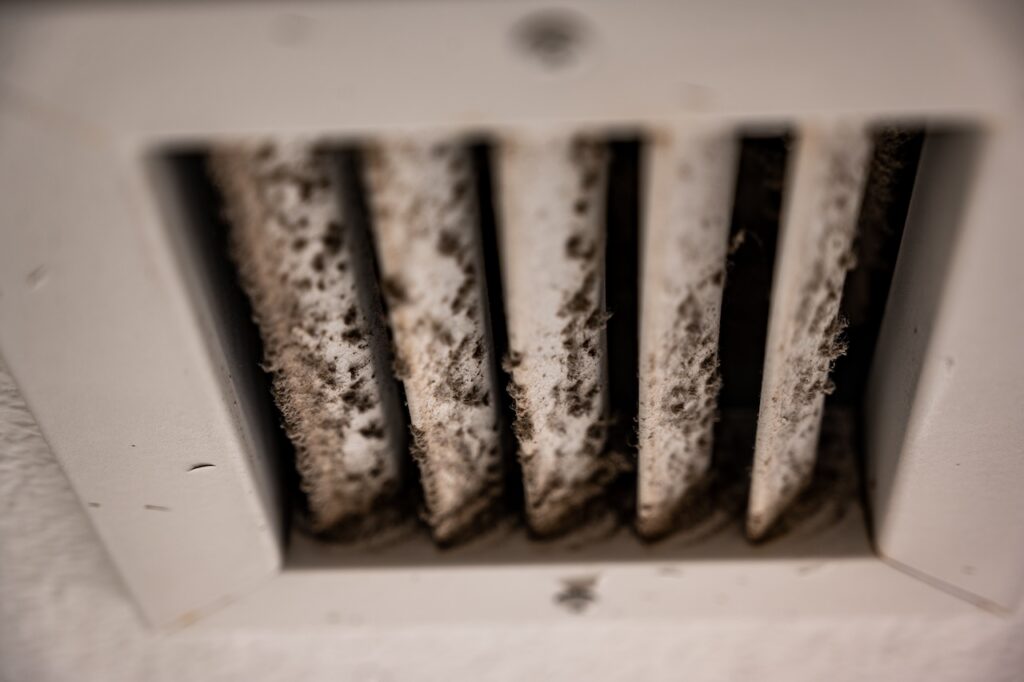
Ceiling vents are often grounds for mold development.
Even if visible mold is gone, microscopic spores can remain suspended in the air or settle into porous materials. Without proper testing, these spores can spread and trigger new growth.
Common risks without testing:
- Lingering musty odors
- Respiratory irritation or allergies
- Mold returning within weeks or months
- Hidden contamination in ductwork or insulation
In humid areas like Wolf Creek, GA, indoor air quality after mold removal is especially important due to conditions that encourage regrowth.
How Post-Remediation Mold Testing Works
Professional testing follows a structured process designed to provide clear, measurable results.
Step-by-step overview:
- Visual Inspection. Check previously affected areas for visible signs of mold or moisture
- Air Sampling. Collect indoor air samples and compare them to outdoor baseline levels
- Surface Testing (if needed). Swab or tape-lift samples from surfaces to detect hidden spores
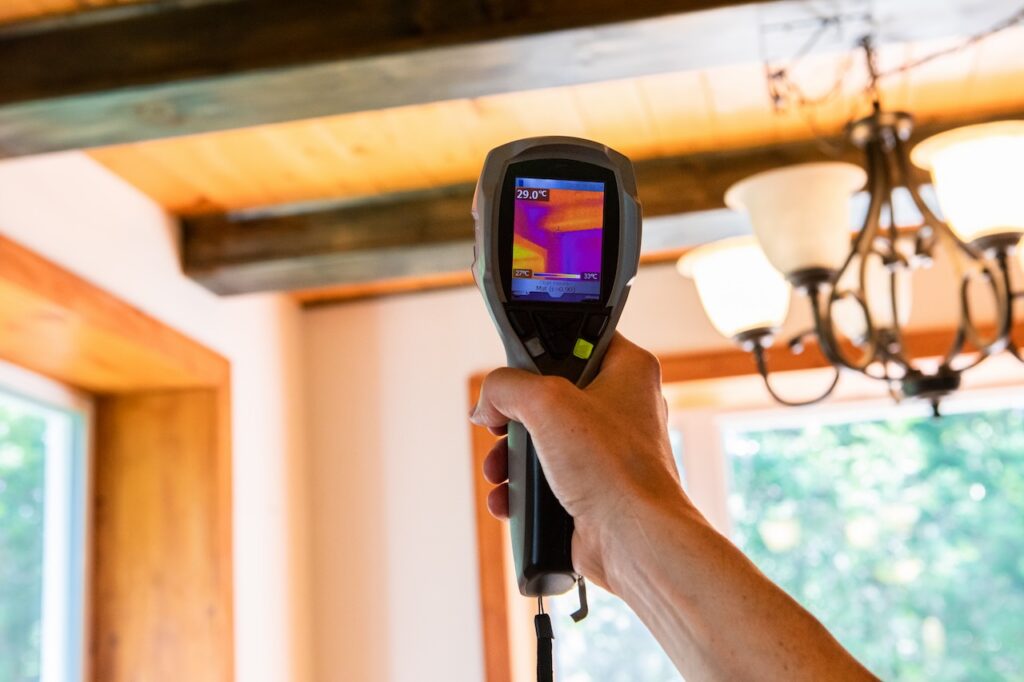
- Moisture Assessment. Use specialized tools to confirm that materials are dry
- Lab Analysis. Samples are analyzed to identify mold types and concentrations
- Clearance Report. A final report confirms whether the property passes or needs further action
Air Quality Improvement After Mold Removal

These Petri dishes were used as a growth media to isolate a potential air contamination source.
Testing confirms the problem is solved—but improving air quality ensures it stays that way.
Effective ways to improve indoor air:
- HEPA Air Filtration. Removes airborne mold spores and fine particles
- HVAC Cleaning. Prevents spores from circulating through duct systems
- Dehumidification. Keeps indoor humidity below 50% to stop mold growth
- Ventilation Improvements. Increases airflow in high-moisture areas like bathrooms and basements
- Material Replacement (if needed). Removes contaminated porous materials that can’t be fully cleaned
These steps support long-term mold prevention after remediation and protect indoor air quality.
Testing vs. No Testing: What’s the Difference?
| Factor | With Testing | Without Testing |
|---|---|---|
| Air safety confirmation | Verified with data | Unknown |
| Mold recurrence risk | Lower | Higher |
| Hidden mold detection | Likely identified | Often missed |
| Property value protection | Stronger | Weaker |
| Peace of mind | High | Limited |
Skipping post-remediation mold testing may save time upfront but often leads to higher long-term risks and costs.
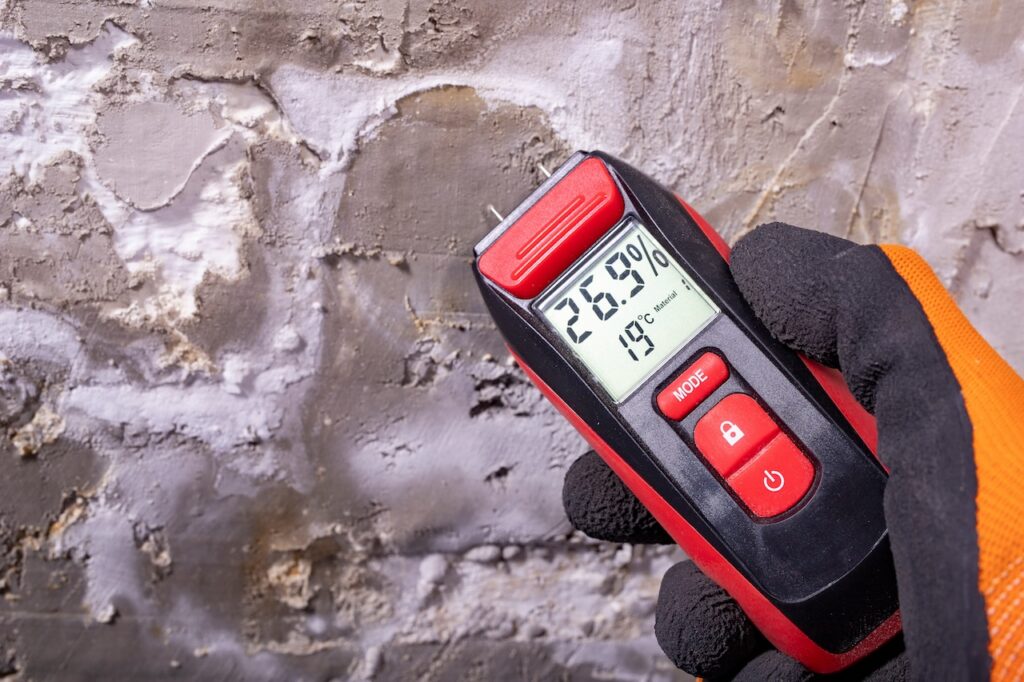
Moisture meters are a great way to keep an eye on potential problem areas within the home.
When Should You Schedule Testing?
Timing is critical. Testing should be done:
- After all mold removal and cleaning is complete
- Before rebuilding or replacing materials
- Once drying equipment is removed
- When the environment has returned to normal conditions
Delaying testing can allow new contamination to develop before verification.
Why Choose PuroClean in Wolf Creek, GA
PuroClean provides professional post-remediation mold testing services designed to meet industry standards and ensure reliable results.
What sets us apart:
- Local expertise in Wolf Creek, GA climate conditions
- Advanced air sampling and moisture detection tools
- Clear, easy-to-understand reports
- Focus on long-term indoor air quality improvement
Our goal is not just to confirm mold removal—but to help prevent it from returning.
Frequently Asked Questions
How do I know if mold is completely gone?
The only reliable way is through post-remediation mold testing. Visual inspection alone cannot detect airborne spores or hidden contamination.
Is air testing always necessary after mold removal?
While not always required, it is strongly recommended. It provides proof that the environment is safe and helps prevent future issues.
How long does mold testing take?
Most inspections and sampling take a few hours, but lab results typically take 1–3 days depending on the testing method.
Can mold come back after remediation?
Yes, especially if moisture issues are not resolved. Proper testing and humidity control significantly reduce this risk.
What is a normal mold level indoors?
Indoor mold levels should be similar to or lower than outdoor levels. Elevated indoor readings indicate a potential problem.
Get Professional Mold Testing in Wolf Creek, GA
If you’ve recently completed mold removal, don’t assume the problem is fully resolved. PuroClean offers expert post-remediation mold testing in Wolf Creek, GA to verify clean air and protect your property.
Contact PuroClean today at (404) 682-5400 to schedule an inspection and ensure your home or business is safe, healthy, and mold-free.
Key Takeaways
- Post-remediation mold testing confirms mold removal was successful
- Air quality testing detects invisible spores and hidden contamination
- Skipping testing increases the risk of mold returning
- HEPA filtration, dehumidification, and ventilation improve air quality
- Testing should be done immediately after remediation is complete
- Professional evaluation provides reliable, data-backed results
- PuroClean helps ensure long-term indoor safety in Wolf Creek, GA
Read more on the subject: