 PuroClean of Wolf Creek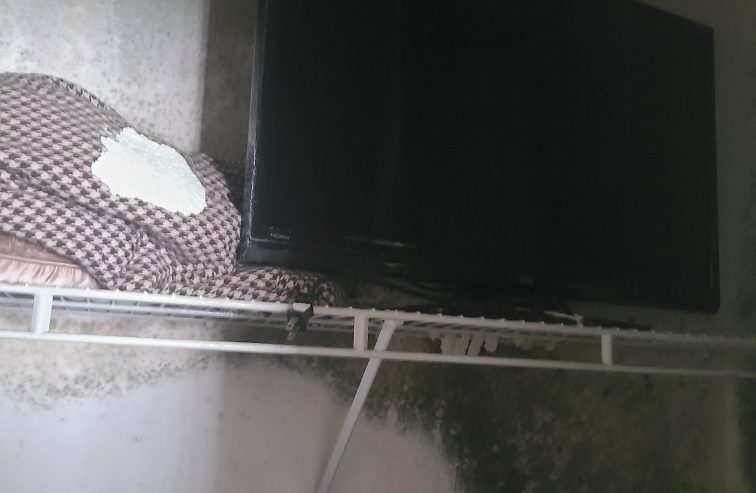
Table of Contents
With weeks of humid weather and frequent rainfall, mold from rain has become a growing concern for homeowners across Atlanta, GA. When moisture seeps into walls, basements, or crawlspaces, it creates the perfect breeding ground for mold—threatening both your property and your health.
This guide from PuroClean of Wolf Creek explains how mold develops after rainy conditions, how to prevent it, and what steps to take if it shows up in your home. You’ll also learn when to call professionals to ensure your home stays safe, clean, and mold-free.
What Causes Mold from Rain?
Mold is a microscopic fungus that thrives anywhere moisture and organic materials meet. After heavy rain or long periods of humidity, water can infiltrate your home through cracks, poor insulation, or leaking roofs. Once inside, that trapped moisture allows mold spores to multiply rapidly.
Common Causes of Rain-Induced Mold in Atlanta Homes
- Roof or Gutter Leaks: When gutters clog or roofs age, water often seeps into attics and ceilings.
- Poor Drainage Around the Foundation: In Metro Atlanta’s clay-heavy soil, poor drainage keeps water pooled near the house, increasing basement dampness.
- Humidity and Condensation: High humidity levels (above 60%) encourage mold growth on walls, window sills, and even clothing.
- Faulty Sealing Around Windows and Doors: Water intrusion through unsealed joints is a frequent source of interior moisture damage.
Fact: According to the Environmental Protection Agency (EPA), indoor humidity above 60% significantly increases the risk of mold growth.
How to Prevent Mold from Rain and Humidity
Prevention is the most effective way to protect your home from the damage and health hazards caused by mold from rain. In Atlanta’s warm, humid climate, moisture control and regular maintenance are crucial to stopping mold before it starts. Below are six key prevention strategies every homeowner should follow to keep their home dry, clean, and mold-free year-round.

A closet often lacks proper ventilation, so it’s essential to ensure adequate air circulation inside.
Control Indoor Humidity
Mold thrives in environments where humidity levels stay above 60%. To prevent this, aim to keep your indoor humidity between 30% and 50%.
- Use a dehumidifier during the humid months—especially from May through September when Atlanta’s moisture levels peak. Place units in basements, laundry rooms, or other enclosed areas that tend to trap humidity.
- Install ventilation fans in kitchens, bathrooms, and laundry rooms. These help expel excess steam and moisture that can otherwise settle on walls and ceilings.
- Keep HVAC filters clean. Dirty filters restrict airflow and trap humidity indoors. Replace them every 60–90 days.
- Use a hygrometer to monitor humidity. This affordable device provides real-time readings, helping you respond quickly if moisture levels rise.
Pro Tip: Set your air conditioner to “auto” instead of “on.” The auto setting allows the system to cycle off, giving moisture a chance to drain properly instead of recirculating humid air.
Ensure Proper Ventilation
Good ventilation is one of the most overlooked aspects of mold prevention—especially in tightly sealed homes designed for energy efficiency. Without proper airflow, moisture lingers, and mold can take hold within days.
- Open windows when weather allows to release damp indoor air and bring in fresh, dry air.
- Run exhaust fans whenever you cook, shower, or wash clothes. Even a few minutes of ventilation after these activities can dramatically lower humidity levels.
- Install vents or small fans in closed spaces like basements, closets, and crawlspaces. These dark, airless areas are mold hot spots.
- Use ceiling fans to keep air circulating evenly throughout rooms.
In Atlanta’s humid summers, consistent ventilation helps balance indoor temperatures and prevents condensation from forming on cool surfaces like windows and tile floors.

Remove the affected drywall and carpeting or you run the risk of leaving mold behind.
Fix Leaks Promptly
Even minor leaks can lead to significant mold growth if left unchecked. Since Atlanta often experiences sudden downpours, make a habit of inspecting for leaks right after storms.
- Inspect your roof, gutters, and downspouts every few months. Missing shingles, sagging gutters, or rusted seams can let rainwater seep into attics and walls.
- Seal plumbing leaks under sinks, around toilets, and behind appliances such as washing machines and dishwashers.
- Check windows and siding for bubbling paint, stains, or soft spots—early signs that water may be penetrating.
- Look for condensation around air conditioning units, pipes, or vents. Condensation can drip into drywall or flooring and go unnoticed until mold develops.
Quick Fix: Apply waterproof caulk around windows, vents, and pipe joints. It’s a simple step that can prevent major repairs later.

If mold reappears, it is time to call a professional.
Use Mold-Resistant Materials
If you’re remodeling or repairing water-damaged areas, consider investing in mold-resistant materials. These products are designed to resist moisture absorption and inhibit mold growth.
- Mold-resistant drywall and paint work well in high-moisture zones like bathrooms, kitchens, and basements.
- Waterproof sealants protect wooden trim, windows, and concrete foundations from water intrusion.
- Vapor barriers in crawlspaces and basements block moisture rising from the soil.
- Anti-microbial coatings on insulation and wall materials can further reduce the risk of future mold infestations.
While these upgrades may cost a bit more initially, they can save thousands in potential mold remediation and structural repairs down the road.
Keep Surfaces Dry
Moisture that lingers for more than 24–48 hours is all mold needs to start growing. Maintaining dry surfaces is one of the simplest yet most effective ways to prevent mold from rain and humidity.
- Wipe down kitchen counters and bathroom surfaces after cooking or bathing.
- Use a squeegee on shower walls and glass doors to remove leftover moisture.
- Hang wet towels and bath mats in well-ventilated areas instead of leaving them piled on the floor.
- Clean up spills and standing water immediately, even small puddles near sinks or windows.
- Check hidden areas like under sinks and behind toilets, where unnoticed moisture can linger.
Pro Tip: For persistent dampness, consider using moisture-absorbing products like silica gel packs or calcium chloride tubs in closets, pantries, or storage rooms.
Maintain Gutters and Drainage Systems
Atlanta’s frequent thunderstorms can quickly overwhelm poorly maintained gutters, sending rainwater straight toward your foundation. Proper drainage is essential to keeping moisture out of your basement and walls.
- Clean gutters and downspouts regularly—at least twice a year, or more often if you have overhanging trees. Leaves and debris can block water flow, causing overflow and seepage.
- Ensure downspouts extend at least five feet from your home’s foundation. This prevents pooling that can lead to basement leaks or foundation cracks.
- Grade your yard properly. The soil should slope away from your house to encourage runoff instead of accumulation near the base.
- Install gutter guards or extensions if water tends to overflow during heavy rainfall.
If you notice puddles forming near your home after rain, it’s a sign your drainage system may need improvement. Addressing it early prevents mold from forming in basements and crawl spaces later.
Frequently Asked Questions about Mold from Rain
1. How long does it take for mold to grow after rain?
Mold can begin developing within 24 to 48 hours on damp surfaces if not dried quickly.
2. Can mold from rain cause structural damage?
Yes. Over time, mold breaks down drywall, insulation, and wooden framing, weakening the structure and lowering your property’s value.
3. Is bleach the best way to remove mold?
Bleach disinfects but doesn’t always kill mold roots on porous materials. Professional-grade biocides and removal methods are often more effective.
4. Does homeowners insurance cover mold from rain?
Coverage depends on the source of the water. Sudden leaks may be covered, but long-term moisture or maintenance issues often aren’t.
5. How can I tell if mold is returning?
Watch for recurring musty odors, dark spots on walls or ceilings, or rising humidity levels. If you notice these signs, contact a professional immediately.
Professional Mold Remediation in Atlanta, GA
Dealing with mold from rain can be stressful and unhealthy, but you don’t have to face it alone. PuroClean of Wolf Creek provides expert mold inspection, cleanup, and moisture control services tailored to Atlanta’s humid climate. Our certified technicians are available 24/7 to protect your property and restore your peace of mind.
Call PuroClean of Wolf Creek at (404) 682-5400 today for fast, reliable mold remediation in Atlanta, East Point, Camp Creek, and surrounding areas.
Summary
- Professional remediation ensures long-term mold prevention and better indoor air quality.
- Mold from rain is common in Atlanta’s humid, rainy climate.
- Keep humidity below 60% and fix leaks quickly to prevent growth.
- Clean small mold spots safely, but call experts for large infestations.
Read more on the subject:


 PuroClean of Wolf Creek