 PuroClean Property Savers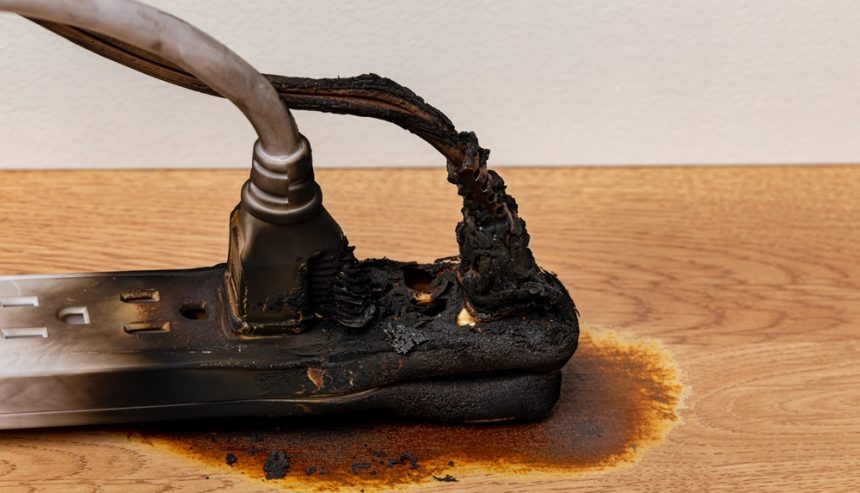
Table of Contents
Electrical overload fire risk increases when circuits are pushed beyond their capacity, causing wires to overheat and potentially ignite nearby materials. To reduce this risk, homeowners must avoid overloading outlets, ignoring warning signs, and delaying professional inspections. Understanding these common mistakes—and how to prevent them—can significantly lower the chance of fire damage in homes and businesses across Austin.
What Is Electrical Overload Fire Risk?
Electrical overload fire risk refers to the danger of fire caused when an electrical circuit carries more current than it is designed to handle. Excess current generates heat, and if that heat is not safely interrupted, it can damage wiring insulation and ignite combustible materials.
This risk often develops quietly behind walls, making prevention and early awareness critical.
Why Electrical Overloads Lead to Fires
Electrical systems are built with safety limits. When those limits are exceeded repeatedly, components degrade over time rather than failing immediately.
Common contributing factors include:
- Plugging too many devices into one outlet
- Using extension cords as permanent solutions
- Running high-wattage appliances on shared circuits
Over time, these habits increase the likelihood of fire.
Don’ts to Reduce Electrical Overload Fire Risk
1. Don’t Overload Outlets or Power Strips
One of the most common causes of electrical overload fire risk is overcrowded outlets. Power strips are often mistaken as solutions, but they do not increase circuit capacity.
Avoid:
- Plugging multiple high-demand devices into one outlet
- Daisy-chaining power strips
- Running space heaters or microwaves on shared circuits
Each circuit has limits that should never be exceeded.
2. Don’t Ignore Warning Signs
Electrical systems often show warning signs before a fire occurs. Ignoring these signals allows damage to worsen over time.
Watch for:
- Flickering or dimming lights
- Buzzing sounds from outlets or switches
- Frequently tripped breakers or blown fuses
These symptoms indicate stress on the circuit and should be addressed promptly.
3. Don’t Delay Professional Inspections
DIY fixes or postponing inspections can increase electrical overload fire risk. Electrical issues are not always visible and require trained evaluation.
Professional electricians can:
- Identify overloaded circuits
- Upgrade panels or wiring if needed
- Ensure code compliance and safety
Timely inspections help prevent costly and dangerous outcomes.
The Role of Circuit Breakers and Fuses
Circuit breakers and fuses are designed to interrupt power when overloads occur. They act as safety mechanisms to prevent overheating and fire.
However, repeated tripping is not normal operation. It is a warning that the circuit is being pushed beyond its intended use.
Common Myths About Electrical Fires
A common misconception is that newer homes are immune to electrical fires. While modern systems are safer, improper use can still overload circuits.
Another myth is that breaker trips “fix” the problem. In reality, they signal an underlying issue that needs attention.
What Happens If a Fire Does Occur?
Fire damage caused by electrical overloads can impact structural materials, wiring, and indoor air quality. Smoke and soot can spread beyond the immediate area, increasing cleanup complexity.
Prompt professional restoration is essential to prevent secondary damage and ensure safe occupancy.
When to Contact PuroClean Property Savers
If a fire occurs—or if you suspect damage caused by an electrical overload—contact PuroClean Property Savers. Their team provides fire and smoke damage restoration services throughout the Austin area.
Early response helps limit damage and speeds up recovery.
FAQs: Electrical Overload Fire Risk
What causes electrical overload fire risk in homes?
It usually results from drawing more power through a circuit than it can safely handle, often due to overloaded outlets or high-wattage appliances.
Are power strips safe to use?
Yes, when used properly. They should not be used to increase circuit capacity or power multiple high-demand devices.
Do frequent breaker trips mean I need repairs?
Yes. Repeated trips indicate a circuit problem that should be evaluated by a professional.
Can electrical overloads happen in new homes?
Yes. Even modern homes can experience overloads if circuits are misused.
Who should I call after fire damage caused by an overload?
A licensed electrician for safety repairs and a restoration company like PuroClean Property Savers for fire and smoke damage cleanup.
Call to Action
If you’re concerned about electrical overload fire risk or need help after fire damage, contact PuroClean Property Savers in Austin, TX at (512) 956-5700 for professional guidance and restoration services.
Key Takeaways
- Electrical overload fire risk increases when circuits exceed safe limits
- Overloaded outlets and power strips are a major cause
- Warning signs should never be ignored
- Circuit breakers signal problems, not solutions
- Professional inspections reduce long-term risk
- Fire damage requires immediate expert restoration

 PuroClean Property Savers