


Table of Contents
When extensive mold was discovered inside an Austin home containing valuable fine art, PuroClean Property Savers had to address two priorities at once: complete the mold remediation safely and protect the homeowners’ high-value belongings. Our team carefully packed and relocated the artwork before removing affected materials, completing remediation, and reconstructing damaged areas of the home.
This project shows why mold cleanup requires additional planning when irreplaceable or valuable contents are located inside the affected property.
Why Mold Remediation Requires Care Around Valuable Artwork
Mold remediation is the controlled process of identifying and addressing mold contamination, removing affected materials when necessary, cleaning impacted areas, and correcting the moisture conditions contributing to the problem.
Artwork can make the process more complicated. Paintings, frames, paper, textiles, wood, and other porous materials can be sensitive to moisture and environmental changes. When mold damage to artwork is possible, moving or handling those items without a plan may cause additional damage.
The U.S. Environmental Protection Agency (EPA) recommends addressing moisture problems and drying wet materials quickly because controlling moisture is fundamental to controlling mold.
Mold Discovered Inside an Austin Home

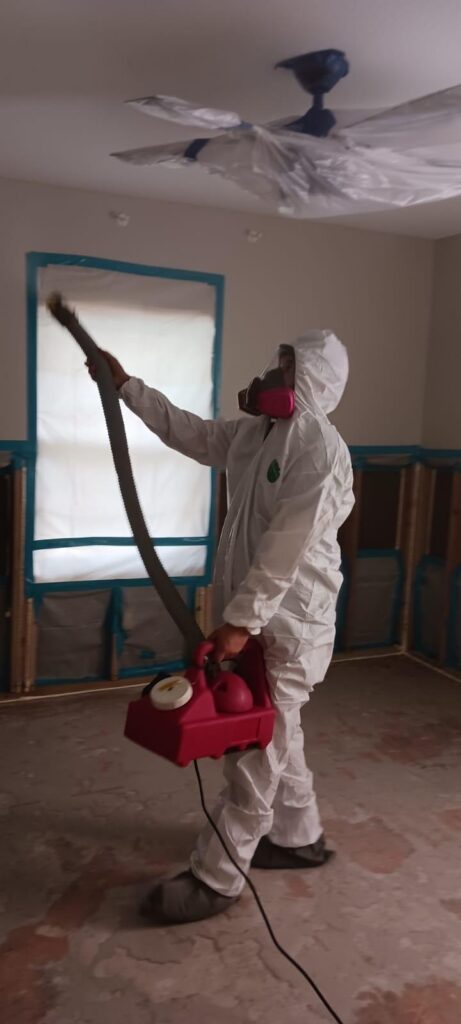
PuroClean Property Savers was called to a residential property in Austin, TX, after a certified inspector identified significant mold growth within the home.
Before remediation could begin, our technicians evaluated the affected areas and the contents inside the property. One challenge became apparent immediately: the homeowners owned several expensive pieces of fine art that needed to be protected throughout the restoration process.
Leaving the artwork inside the active work area could have exposed it to dust, debris, moisture, and the disruption associated with removing contaminated building materials.
How We Handled the Mold Remediation Project
Because the property contained valuable belongings, the project required careful coordination before demolition and cleanup could begin.
1. Protecting and Removing the Fine Art
Our first priority was moving the valuable artwork away from the affected environment.
The team carefully packed the pieces and transported them offsite to our storage facility for safekeeping and appropriate cleaning. Removing them before structural work began reduced their exposure to the remediation environment.
This step was especially important because addressing mold-contaminated contents can require a different approach than cleaning walls, flooring, or other building materials.
2. Beginning Mold Removal
Once the valuable contents were protected, technicians could focus on the affected structure.
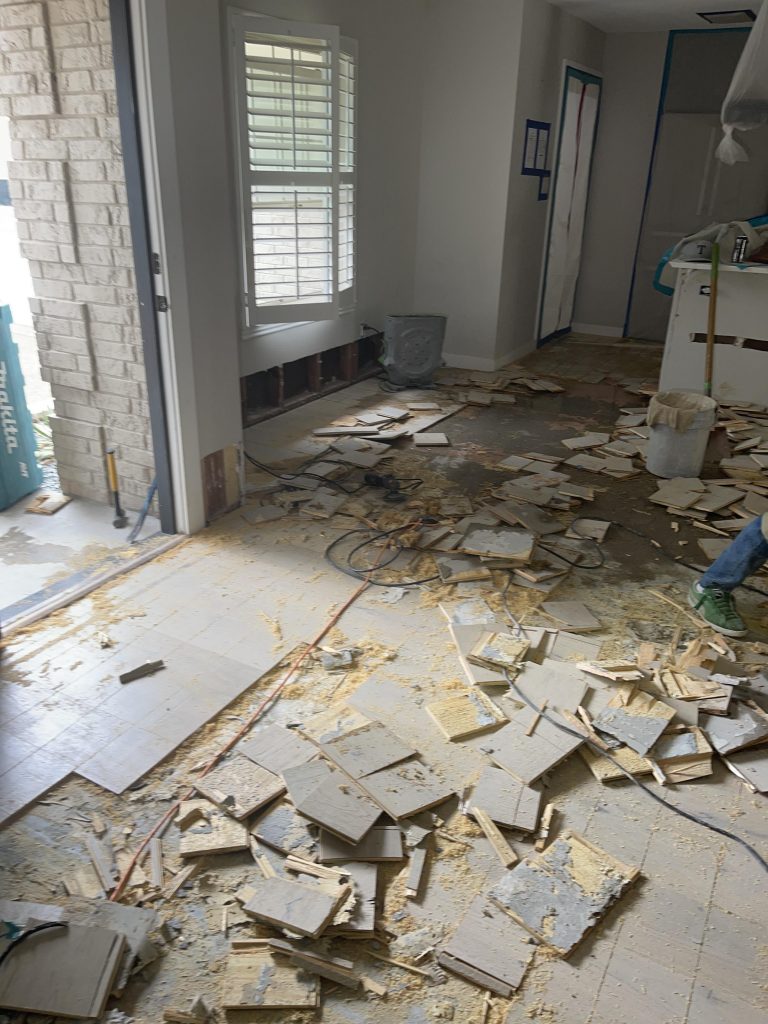
The team addressed areas where mold contamination had been identified and removed building materials that could not be adequately restored. Depending on the extent of a mold problem, this may involve drywall, flooring, insulation, or other porous materials.
3. Cleaning the Affected Areas
After contaminated materials were removed, the remaining work areas were thoroughly cleaned as part of the remediation process.
Professional mold cleanup focuses not only on visible growth but also on controlling contaminated materials and addressing the affected environment so that reconstruction can proceed appropriately.

4. Reconstructing the Damaged Areas
The project did not end when the remediation work was completed.
PuroClean Property Savers also reconstructed the affected portions of the house, allowing the homeowners to move from mold removal into property restoration without having to coordinate a completely separate process.
Austin Mold Remediation Project at a Glance
The presence of fine art added an important contents-protection stage to what would otherwise have been primarily a structural remediation project.
| Project Stage | What Our Team Did |
|---|---|
| Mold assessment | Reviewed affected areas after mold was identified |
| Contents protection | Packed and relocated valuable artwork |
| Mold removal | Removed contaminated materials where necessary |
| Cleaning | Cleaned affected areas during remediation |
| Reconstruction | Rebuilt damaged sections of the home |
| Project completion | Finished within the expected project timeframe |
Table: Key stages of the Austin mold remediation and fine-art protection project.
Why Valuable Contents Should Be Addressed Before Major Remediation Work
Homes often contain belongings that are difficult or impossible to replace. Artwork, antiques, photographs, collectibles, and important documents may require special consideration before demolition or extensive remediation begins.
When valuable contents are located near mold growth, homeowners should avoid automatically cleaning or moving delicate items without understanding their condition. In some situations, specialized conservation expertise may also be appropriate, particularly when mold has directly affected valuable or historically significant artwork.
The restoration team can focus on the property and contaminated environment, while an art conservator may be better suited for highly specialized treatment of individual works when necessary.
The Result: Mold Remediation and Home Reconstruction Completed
After the artwork was safely removed, our technicians completed the mold remediation and reconstructed the affected areas of the Austin home.
The project was completed within the estimated timeframe, and the homeowners were pleased with the finished restoration. Their valuable possessions had been protected while the underlying mold problem and resulting property damage were addressed.
For PuroClean Property Savers, the project demonstrated how contents protection can be integrated into a larger mold damage restoration plan rather than treated as an afterthought.
If you discover mold in your Austin home, especially near valuable belongings, contact PuroClean Property Savers at (512) 956-5700. Our team can assess the property, complete professional mold remediation, protect affected contents when appropriate, and help move the property toward restoration.
Frequently Asked Questions
Q: Can mold damage valuable artwork?
A: Yes. Mold can affect materials commonly used in paintings, paper, textiles, frames, and other artwork, particularly when moisture remains elevated. Valuable pieces should be handled carefully, and specialized conservation assistance may be appropriate if mold is growing directly on the artwork.
Q: Should artwork be removed during mold remediation?
A: Valuable artwork may need to be moved away from the contaminated work area before remediation begins. This can help protect it from mold particles, dust, demolition debris, and other conditions associated with restoration work.
Q: What happens during mold remediation?
A: Mold remediation may include identifying affected areas, containing the work area, removing materials that cannot be restored, cleaning remaining surfaces, and addressing moisture conditions. The exact process depends on the extent and location of the contamination.
Q: Can a home be reconstructed after mold removal?
A: Yes. Once remediation has been completed and affected areas are ready for repairs, reconstruction can replace removed drywall, flooring, and other building materials. In this Austin project, PuroClean Property Savers handled both remediation and reconstruction.
Q: Can water damage lead to mold growth?
A: Yes. Unresolved water damage can create moisture conditions that support mold growth. Finding and correcting the underlying moisture source is an important part of preventing the problem from continuing.
Key Takeaways
- Mold remediation can become more complex when valuable artwork is stored in the affected property.
- The Austin homeowners had several high-value pieces that needed protection before remediation began.
- PuroClean Property Savers carefully packed and relocated the artwork before structural work started.
- Contaminated building materials were removed and affected areas were cleaned.
- The team also completed reconstruction after the mold remediation.
- Moisture control is an essential part of addressing mold and reducing the risk of recurring growth.
- Valuable or mold-affected artwork may require additional guidance from a qualified art conservation specialist.
Explore more helpful articles: