


Table of Contents
When a leak flooded multiple areas of an Austin home, PuroClean Property Savers responded quickly to assess the water damage, remove standing water, dry affected materials, and prepare the property for repairs. Because water can spread into flooring, walls, and other building materials, fast professional intervention can help limit secondary damage and make the restoration process more manageable for the property owner.
This Austin water damage claim shows what professional restoration can involve from the initial inspection through drying and preparation for reconstruction.
What Caused the Water Damage in This Austin Home?
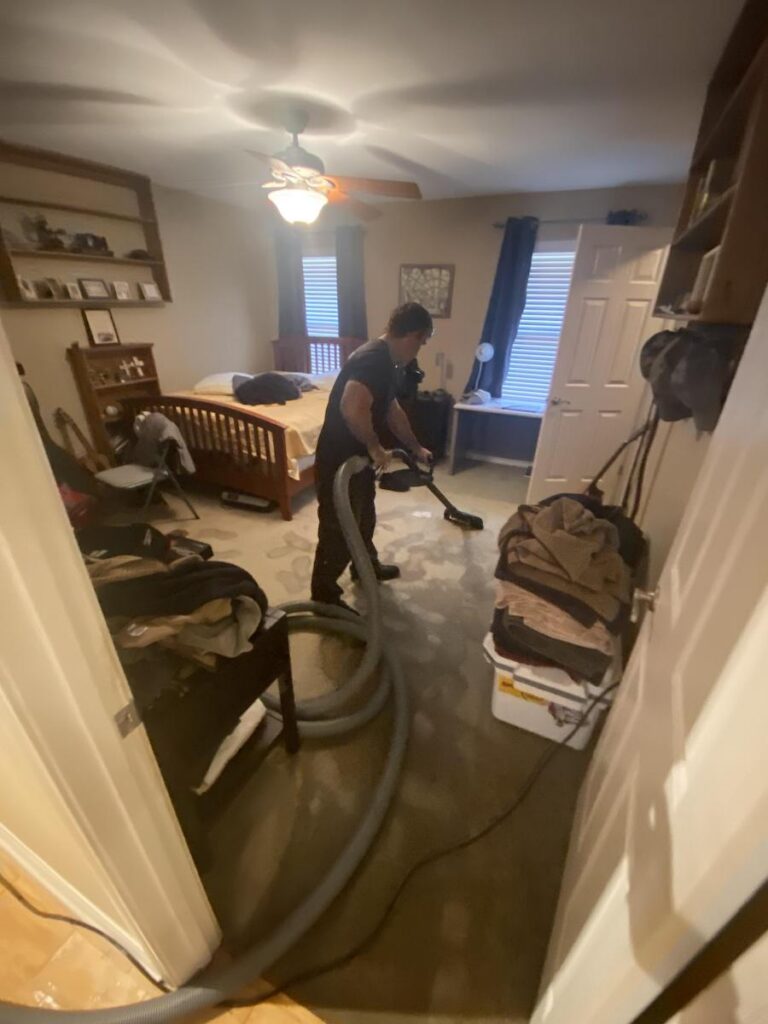
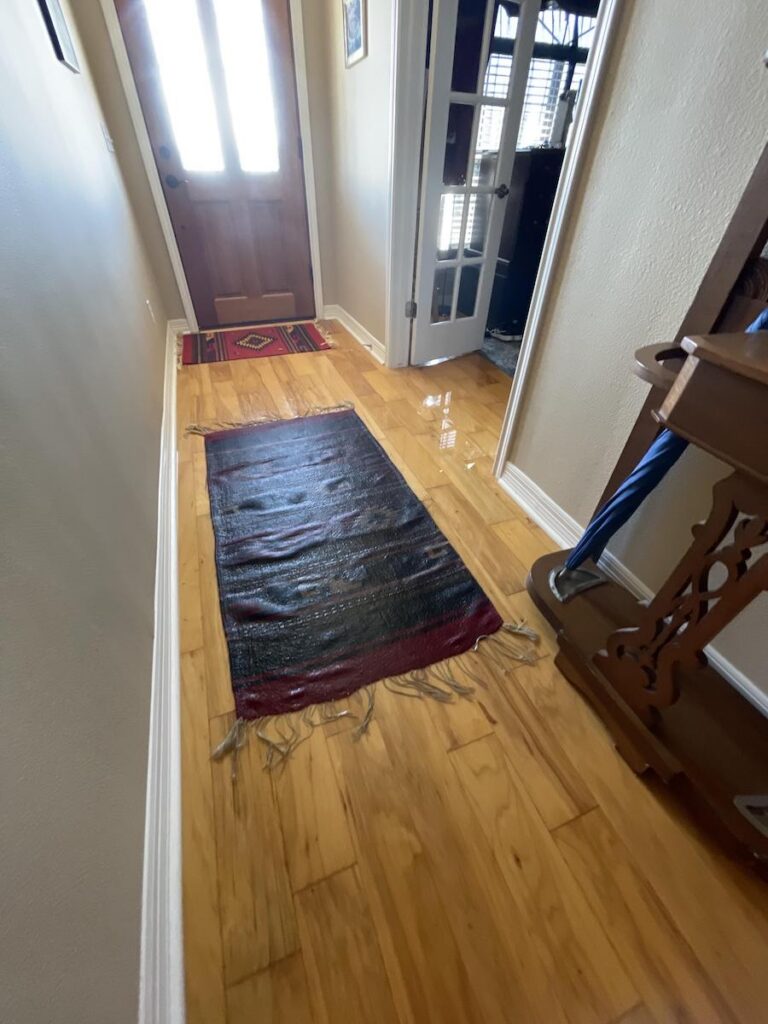
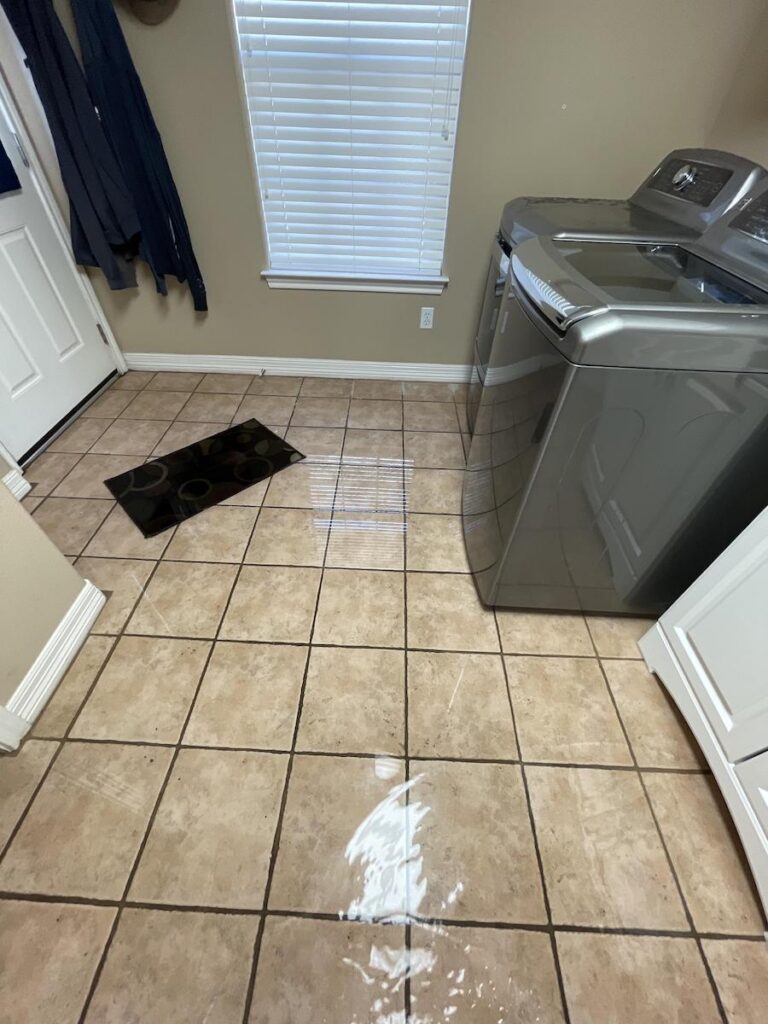
PuroClean Property Savers was called to an Austin, Texas, residence after a leak resulted in extensive flooding throughout the property. Standing water had reached several areas of the home, requiring more than surface-level cleanup.
Water damage can result from many sources, including:
- Plumbing leaks or burst pipes
- Appliance or washing machine failures
- Roof or exterior water intrusion
- Overflowing fixtures
- Faulty sprinkler systems
- Storm-related flooding
Regardless of the source, the priority is to stop additional water from entering the property and begin water removal as soon as it is safe to do so.
What Is Water Damage Restoration?
Water damage restoration is the process of removing unwanted water, drying affected materials, evaluating damaged building components, and preparing the property for necessary repairs.
Depending on the extent of the damage, the work may include water extraction, structural drying, removal of materials that cannot be restored, moisture monitoring, and coordination with the homeowner regarding reconstruction.
How PuroClean Property Savers Responded to the Water Damage
After arriving at the Austin property, our technicians assessed the affected areas and developed a plan for removing the water and drying the home.
The restoration process included several important steps.

1. Assessing the Affected Areas
The first step was determining where the water had traveled and which parts of the property required attention.
Visible standing water can be only part of the problem. Moisture may also migrate underneath flooring or into drywall, baseboards, and other porous building materials.
2. Removing Standing Water
Our technicians began extracting water from the affected areas to reduce continued absorption into the structure.
Removing excess water promptly is an important part of limiting additional damage and creating conditions where professional drying equipment can work effectively.
3. Setting Up Professional Drying Equipment
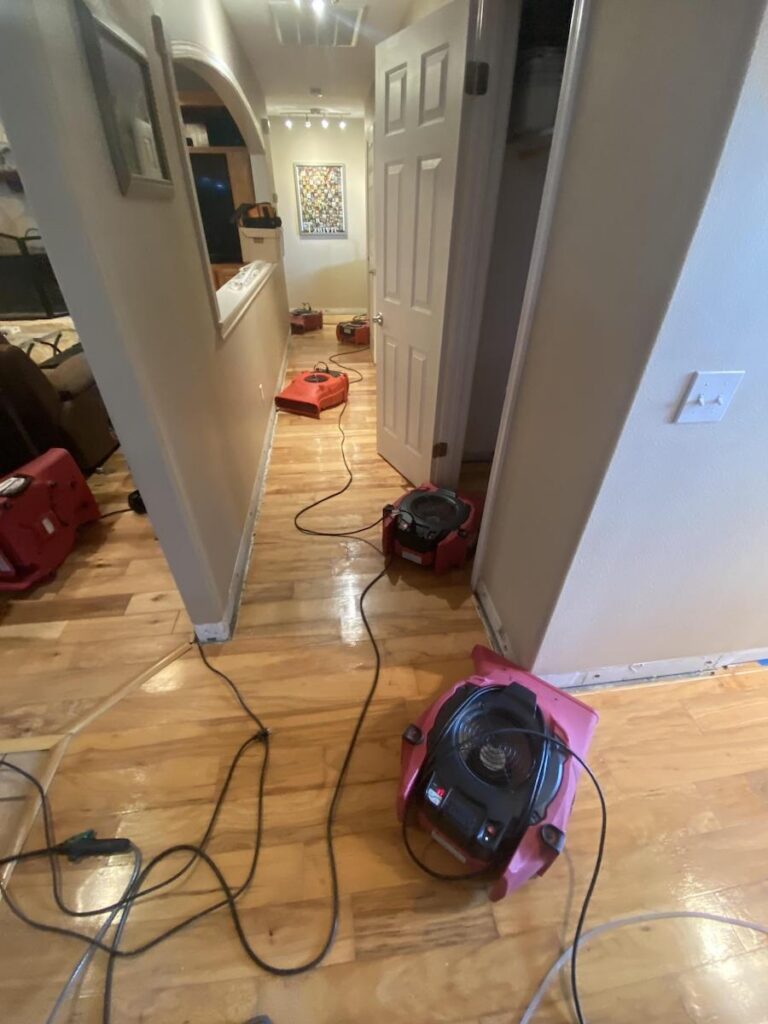
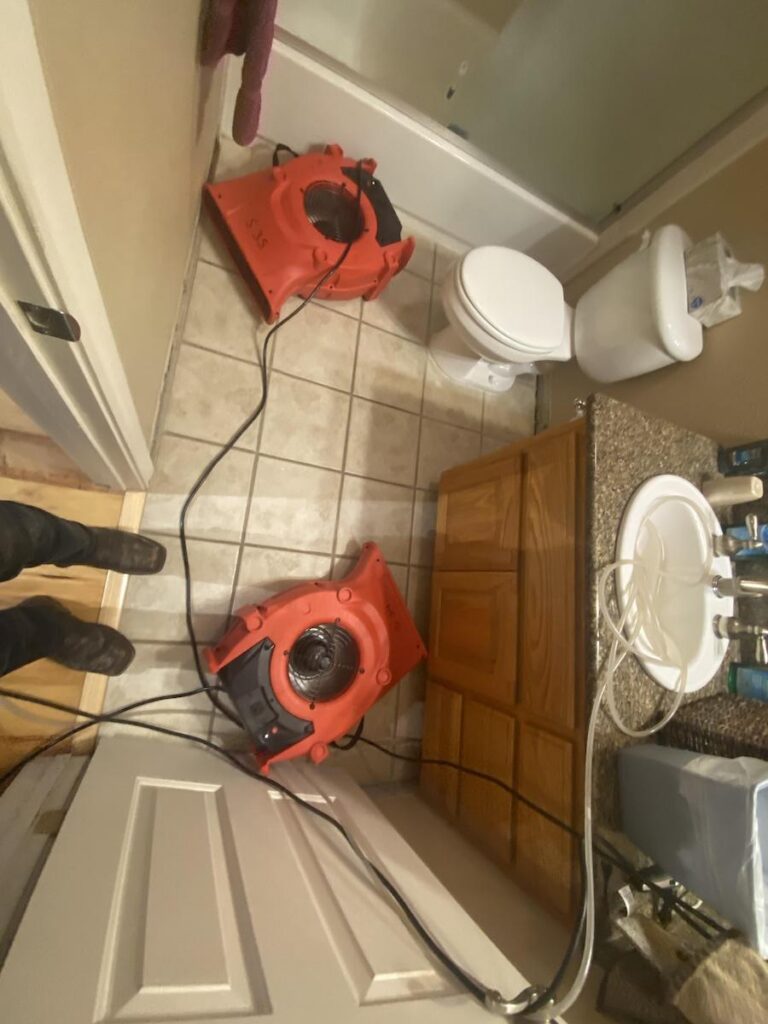
After water removal, drying equipment was positioned throughout affected areas of the home.
Professional restoration equipment helps move air and manage moisture as wet structural materials dry. The goal is not simply to make surfaces appear dry but to address moisture that may remain within affected materials.
The U.S. Environmental Protection Agency also emphasizes the importance of controlling moisture and drying water-damaged materials promptly to reduce the potential for mold growth. Homeowners can review the EPA’s guidance on mold and moisture for additional information.
4. Removing Materials That Could Not Be Restored
Some materials had sustained enough damage that demolition was required.
Removing unsalvageable materials can provide access to wet areas and prepare the property for reconstruction once the drying process is complete.
5. Preparing the Home for Rebuilding
After mitigation work was completed, our team explained what would need to happen next so the homeowner could move forward with repairs.
Clear communication is particularly important during a water damage claim because homeowners may be coordinating restoration work, insurance documentation, and reconstruction at the same time.
Austin Water Damage Claim: Restoration at a Glance
| Stage | What Happened |
|---|---|
| Initial problem | A leak flooded multiple areas of the Austin home |
| Assessment | Technicians evaluated the extent of the water intrusion |
| Water removal | Standing water was extracted from affected areas |
| Structural drying | Professional drying equipment was installed |
| Material removal | Damaged materials that could not be restored were removed |
| Next steps | The homeowner received guidance about rebuilding and restoration |
Table: Key Steps in the Austin Water Damage Restoration Process
Completing the Restoration on a Tight Schedule
Timing was especially important for this project because the homeowner was an aeronautical pilot with a demanding travel schedule. He needed the mitigation work completed efficiently so the property could move into the next stage of recovery without unnecessary delays.
PuroClean Property Savers completed the scheduled work while maintaining the restoration procedures required for the affected areas.
The homeowner was pleased with the condition of the property following the mitigation work and could move forward with the rebuilding process.
What Should You Do After Discovering Water Damage?
If you discover significant water intrusion in your home, avoid waiting to see whether the affected areas will simply dry on their own.
Instead:
- Stop the water source when it can be done safely.
- Avoid electrical hazards in flooded areas.
- Document visible damage with photographs or video.
- Contact a professional water damage restoration company.
- Notify your insurance provider if you plan to file a water damage claim.
- Keep relevant photographs, invoices, and restoration documentation.
Professional assessment is particularly important when water has reached drywall, flooring, insulation, cabinetry, or other materials where moisture may remain hidden.
Water Damage Restoration in Austin, TX
Water damage can disrupt a home quickly, but a structured response can make the recovery process easier to manage. PuroClean Property Savers provides professional water damage restoration services in Austin for homeowners dealing with leaks, flooding, and other unexpected water-related property damage.
Our technicians can assess the affected areas, remove water, dry the structure, and explain the mitigation process so you know what needs to happen next.
If you need help after water damage in your Austin property, contact PuroClean Property Savers at (512) 956-5700 for professional assistance.
Frequently Asked Questions
Q: What should I do first after finding water damage in my house?
A: Stop the source of the water if it is safe to do so, avoid electrical hazards, and contact a water damage restoration professional. Fast action can help reduce the amount of water absorbed into building materials.
Q: How long does it take to dry a house after water damage?
A: Drying time depends on the amount of water, the materials affected, ventilation, temperature, and other property conditions. Restoration professionals typically monitor moisture levels during the process rather than relying on a fixed number of days.
Q: What does a water damage restoration company do?
A: A restoration company can assess the damage, extract standing water, dry affected structural materials, remove materials that cannot be restored, and prepare the property for repairs or reconstruction.
Q: What should I document for a water damage claim?
A: Take photos or videos of the affected areas and damaged belongings when it is safe to do so. Keep restoration reports, invoices, receipts, and relevant communications that may be useful during the insurance claim process.
Q: Can water damage cause mold?
A: Yes. Persistent moisture can create conditions that allow mold to grow. Prompt water removal and proper drying are important steps for reducing that risk.
Key Takeaways
- Water damage should be assessed and addressed as soon as possible.
- The Austin property had standing water affecting multiple areas of the home.
- PuroClean Property Savers performed water extraction and structural drying.
- Damaged materials were removed where necessary before reconstruction.
- Moisture management is an important part of reducing secondary problems such as mold growth.
- Documentation can be helpful when managing a water damage claim.
- Austin homeowners can contact PuroClean Property Savers at (512) 956-5700 for water damage restoration assistance.