 PuroClean Property Savers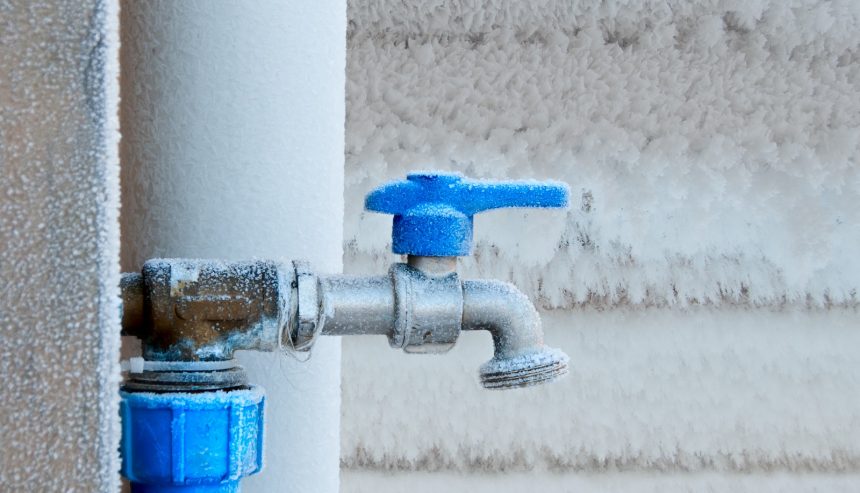
Table of Contents
Water damage from outdoor faucets happens when hose bibs crack, freeze, leak behind walls, or fail at worn connections—often without obvious warning. In Austin’s climate, quick temperature swings, aging fixtures, and constant hose use make exterior faucets a frequent source of hidden leaks that can damage walls, foundations, and flooring.
For homeowners in Austin, understanding how and why these failures occur is the first step toward prevention and fast response.
What Are Outdoor Faucets and Hose Bibs?
Outdoor faucets—also called hose bibs or sillcocks—are exterior water valves that connect your home’s plumbing to hoses, sprinklers, and irrigation systems.
They pass through exterior walls and tie directly into interior supply lines. When a hose bib fails, water can travel into wall cavities or crawl spaces, creating exterior faucet water damage that stays hidden until stains or odors appear.
Why Outdoor Faucets Commonly Cause Water Damage in Austin
Temperature Swings and Short Freezes
Austin doesn’t experience long winters, but brief freezes are common. When temperatures dip overnight, water trapped in hose bibs can freeze and expand.
As temperatures rise, cracks open and water flows freely—often inside the wall—leading to frozen hose bib damage discovered hours or days later.
Hoses Left Connected
Leaving a hose attached prevents water from draining out of the faucet. This traps water in the line and increases pressure during cold snaps.
That pressure can crack the faucet body or the pipe behind the wall, a frequent cause of hose bib water damage in Austin homes.
Aging or Poorly Installed Fixtures
Older homes may still have non–frost-free hose bibs or fittings that were not sealed properly during installation.
Over time, washers degrade, threads loosen, and seals fail. These slow leaks can cause outdoor faucet leak damage long before homeowners notice a problem.
Where Water Damage From Hose Bibs Usually Appears
Outdoor faucet leaks rarely show up right next to the faucet. Instead, water follows gravity and framing paths.
Common signs include damp drywall near exterior walls, warped baseboards, musty odors, or unexplained increases in water bills. In some cases, moisture reaches flooring or foundations, escalating water damage from outdoor faucets into a larger restoration issue.
Outdoor Faucets vs. Other Plumbing Leak Sources
| Source | Detection Speed | Typical Damage |
|---|---|---|
| Outdoor faucets | Slow | Hidden wall and foundation damage |
| Burst supply pipes | Fast | Immediate flooding |
| Appliance hoses | Moderate | Localized floor damage |
Hose bib leaks are especially problematic because they often go unnoticed until damage spreads.
How to Reduce Water Damage Risk From Outdoor Faucets
Before winter, disconnect all hoses and drain exterior lines. Installing frost-free hose bibs and adding insulated covers helps reduce freeze-related failures.
Regularly inspecting faucet connections, wall penetrations, and shutoff valves lowers the risk of Austin water damage from faucets year-round.
What to Do If You Suspect a Hose Bib Leak
Act quickly if you notice moisture near exterior walls or dripping from a faucet when it’s turned off.
Start by shutting off the water supply to the faucet if possible. Avoid opening walls yourself, and document visible signs of damage. Calling a professional restoration company early limits secondary damage and mold growth.
How PuroClean Helps Austin Homeowners
PuroClean provides professional water damage restoration for leaks caused by outdoor faucets and hose bibs. Our team uses moisture detection tools to find hidden water, then performs targeted drying and restoration to protect structural materials.
This fast response is critical for limiting water damage from outdoor faucets, especially when leaks occur behind walls.
FAQs About Water Damage From Outdoor Faucets
Can an outdoor faucet leak even when it’s turned off?
Yes. Worn washers or cracked pipes behind the wall can leak continuously, even when the faucet appears off.
Are hose bib leaks covered by homeowners insurance?
Often yes, if the damage is sudden and accidental. Gradual leaks may have limited coverage depending on the policy.
Do frost-free hose bibs eliminate freeze damage risk?
They reduce risk but do not eliminate it, especially if hoses are left connected.
How fast can mold grow after a hose bib leak?
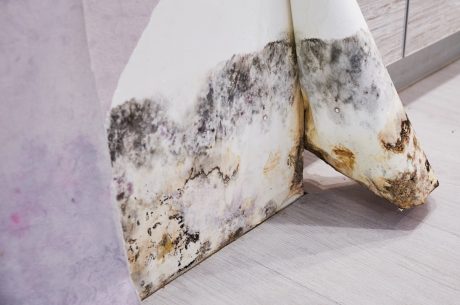
Mold can begin developing within 24–48 hours if moisture is not properly dried.
Should I call a plumber or a restoration company first?
If water damage is present, contact a restoration company first to mitigate damage, then address plumbing repairs.
Call PuroClean for Water Damage Help in Austin
If your home is affected by water damage from outdoor faucets, PuroClean is ready to help in Austin. Contact us at (512) 956-5700. Our experienced team responds quickly to locate leaks, dry affected areas, and restore your property before damage spreads.
Key Takeaways
- Water damage from outdoor faucets is common in Austin homes
- Short freezes and temperature swings increase hose bib failures
- Leaving hoses attached raises freeze and pressure risk
- Leaks often occur behind walls and go unnoticed
- Early detection prevents mold and structural damage
- Professional restoration limits long-term repair costs

 PuroClean Property Savers