


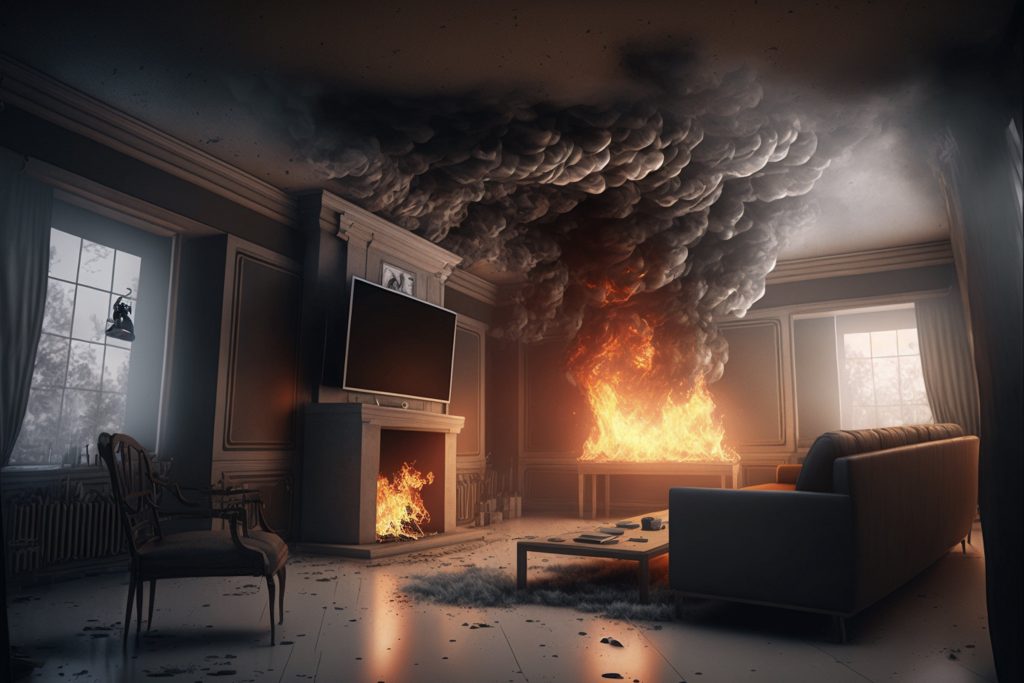
Understanding Wildfire Risks and Fire Damage Prevention
Wildfires—just hearing the word can send shivers down your spine. These uncontrollable blazes can reduce lush forests and homes to ashes in a matter of hours. But what if we tell you that understanding wildfire risks and fire damage is the first step in protecting your home and community? It’s not just about living in fear; it’s about being prepared and proactive. In this article, we’ll break down the essentials of wildfire risks, how they cause fire damage, and what you can do to minimize the danger.
Table of Contents
What are a Wildfire Risks?
Wildfires are large, uncontrolled fires that spread rapidly across forested or grassland areas. Unlike your typical campfire or backyard bonfire, wildfires are fueled by natural elements like dry vegetation, high winds, and low humidity. Imagine a spark in a dry forest—a single spark can lead to a raging inferno that consumes everything in its path.
But what exactly causes these fires? And more importantly, how can they be stopped? Let’s dive deeper.
How Wildfires Risks Start
Wildfires can ignite in various ways, but the common thread is that they all need a combination of fuel, heat, and oxygen—often referred to as the fire triangle. Without these three elements, a fire simply can’t exist. In many cases, wildfires start naturally due to lightning strikes. However, a significant number are caused by human activities, which we’ll explore in more detail later on.
- Natural Causes:
- Lightning Strikes: When lightning hits dry vegetation, it can start a fire that quickly spreads.
- Volcanic Eruptions: The heat from lava flows can ignite nearby vegetation.
- Human Causes:
- Campfires: Unattended or poorly managed campfires are a frequent cause.
- Cigarettes: A discarded cigarette butt can be all it takes.
- Power Lines: Faulty or downed power lines can generate sparks that ignite nearby vegetation.
The Devastating Effects of Fire Damage
Wildfires riks aren’t just about flames—they’re about destruction. The effects of fire damage extend far beyond the initial blaze. Think about it: wildfire risks don’t just burn trees; it destroys homes, disrupts communities, and can even cause long-term environmental damage.
- Environmental Impact:
- Loss of Vegetation: Wildfire risks can wipe out vast areas of forests and grasslands, leading to soil erosion and loss of habitat for wildlife.
- Air Quality: The smoke from wildfires risks contains harmful pollutants, which can cause respiratory problems for people miles away.
- Water Contamination: Ash and debris from wildfire riks can wash into rivers and streams, contaminating water supplies.
- Human Impact:
- Property Damage: Homes, businesses, and critical infrastructure can be destroyed in minutes.
- Economic Losses: The cost of fighting wildfire risks, rebuilding, and dealing with the aftermath can run into billions of dollars.
- Health Risks: Exposure to smoke and flames poses serious health risks, especially for those with pre-existing conditions.
Wildfire Risk Factors
Wildfire risk isn’t the same everywhere. Several factors can increase the likelihood of a wildfire, and understanding these can help you assess the risk in your area.
- Geographical Factors:
- Vegetation: Areas with dense forests or dry grasslands are more prone to wildfires.
- Topography: Fires spread more easily uphill, so mountainous regions may be at higher risk.
- Weather Conditions:
- Temperature: Hot, dry conditions are perfect for wildfires.
- Wind: Strong winds can fan the flames and spread the fire more quickly.
- Humidity: Low humidity dries out vegetation, making it more flammable.
- Human Presence:
- Population Density: Areas with more people tend to have more human-caused fires.
- Infrastructure: Power lines, roads, and other infrastructure can contribute to fire risks.
Human Activities and Wildfire Risks
We’ve already touched on how human activities can cause wildfires, but let’s delve a bit deeper. It’s easy to think that wildfires are primarily a natural disaster, but the reality is that humans play a significant role in both causing and preventing them.
- Campfires and Barbecues:
- Improper Extinguishing: Not fully extinguishing a campfire or barbecue can leave embers that reignite later.
- Unattended Fires: Leaving a fire unattended, even for a short time, is a recipe for disaster.
- Agricultural Burns:
- Controlled Burns Gone Wrong: Farmers sometimes use controlled burns to clear land, but if these get out of hand, they can cause wildfires.
- Industrial Activities:
- Construction: Sparks from equipment or machinery can ignite dry grass or brush.
- Transportation: Hot vehicle exhaust systems can ignite vegetation along roadways.
- Negligence and Arson:
- Accidental Ignition: Even something as simple as glass bottles left in the sun can start a fire by concentrating sunlight on dry grass.
- Deliberate Acts: Unfortunately, some wildfires are started intentionally, leading to devastating consequences.
Climate Change and Its Role
Climate change is more than just a buzzword—it’s a significant factor in the increasing frequency and severity of wildfires. Warmer temperatures, prolonged droughts, and changing weather patterns all contribute to the heightened risk of wildfires and the extent of fire damage.
- Prolonged Droughts:
- Drying Out Vegetation: Extended periods without rain lead to extremely dry vegetation, which is highly flammable.
- Reduced Water Supplies: Droughts also reduce the availability of water for firefighting efforts.
- Increased Temperatures:
- Longer Fire Seasons: Warmer temperatures extend the fire season, giving wildfires more time to start and spread.
- Increased Lightning Strikes: Warmer air can hold more moisture, leading to more thunderstorms and, consequently, more lightning strikes that could start wildfires.
- Changing Wind Patterns:
- Stronger Winds: As weather patterns shift, stronger winds can fan the flames and spread wildfires more rapidly.
- Unpredictable Directions: Changing wind directions can make wildfires more erratic and harder to control.
How Wildfires Spread
Understanding how wildfires spread is crucial in predicting their path and implementing effective fire damage prevention strategies. A wildfire’s movement is influenced by a variety of factors, including fuel type, topography, and weather conditions.
- Fuel:
- Type of Vegetation: Grass, shrubs, and trees all burn differently. Grass fires spread quickly but are easier to control, while forest fires spread slower but are far more destructive.
- Moisture Content: Dry vegetation burns more easily, while green, moist plants can resist flames longer.
- Topography:
- Slope: Fires move faster uphill due to the heat rising and preheating the vegetation above.
- Aspect: South-facing slopes receive more sunlight and are usually drier, making them more susceptible to wildfires.
- Weather:
- Wind Speed: High winds can carry embers long distances, starting new fires far from the original blaze.
- Temperature: Hotter temperatures can increase the speed at which a fire spreads.
- Humidity: Low humidity dries out vegetation, making it easier for fires to ignite and spread.
Protecting Your Home from Fire Damage
When it comes to wildfires, the best offense is a good defense. There are several steps you can take to protect your home from fire damage, many of which are simple yet highly effective.
- Fire-Resistant Materials:
- Roofing: Use fire-resistant materials like metal, tile, or asphalt shingles to prevent embers from igniting your home.
- Siding: Opt for non-combustible siding materials such as stucco, brick, or concrete.
- Defensible Space:
- Clearing Vegetation: Maintain a defensible space by clearing at least 30 feet of vegetation around your home.
- Pruning Trees: Trim branches that hang over your roof or near windows to prevent the fire from spreading to your home.
- Gutters: Keep gutters clear of leaves and debris that could catch fire from flying embers.
- Fire-Resistant Landscaping:
- Plant Selection: Choose fire-resistant plants that are less likely to ignite.
- Mulch: Use non-flammable mulch like gravel or rocks instead of wood chips.
- Spacing: Space plants far enough apart to prevent the fire from spreading from one to another.
Creating a Fire-Resistant Landscape
A fire-resistant landscape is your first line of defense against wildfire risks. It’s like creating a buffer zone around your home that helps to slow down or even stop a fire in its tracks.
- Choosing the Right Plants:
- Fire-Resistant Species: Opt for plants that are low in resin and sap content, as these are less likely to catch fire. Examples include succulents, certain types of perennials, and deciduous trees.
- Maintenance: Keep plants well-watered and pruned. Remove any dead branches or leaves, as these can act as fuel for fires.
- Designing Your Landscape:
- Zoning: Divide your landscape into different zones, starting with the area closest to your home. This zone should have the most fire-resistant plants and materials.
- Irrigation Systems: Install an irrigation system to keep your plants hydrated, especially during the dry season.
- Hardscaping:
- Firebreaks: Use gravel paths, stone walls, and other non-flammable materials to create firebreaks that can help slow down or stop the spread of fire.
- Patios and Driveways: Hard surfaces like patios and driveways can act as additional barriers against fire spread.
Emergency Preparedness: What to Do Before, During, and After
Wildfires can strike quickly, so being prepared is essential. Having a plan in place before a wildfire occurs can make all the difference in ensuring the safety of you and your loved ones.
- Before the Fire:
- Create an Emergency Plan: Know your evacuation routes, and have a family communication plan in place.
- Prepare a Go-Bag: Pack essentials like water, food, medications, and important documents.
- Sign Up for Alerts: Subscribe to local emergency alerts to stay informed about wildfire conditions.
- During the Fire:
- Evacuate Early: If you’re advised to evacuate, don’t wait. Leave immediately to avoid being trapped by fire.
- Stay Informed: Keep a battery-powered radio on hand to receive updates if the power goes out.
- – **Wear Protective Clothing:** If you must stay, wear protective clothing like long sleeves, pants, and sturdy shoes.
- After the Fire:
- Return Safely: Only return home when authorities say it’s safe.
- Check for Hazards: Be aware of hot spots that could reignite. Inspect your home for fire damage and structural integrity.
- Document Losses: Take photos and make a list of damaged items for insurance purposes.
Community Involvement in Wildfire Prevention
Preventing wildfires isn’t just a job for firefighters—it’s something that involves entire communities. By working together, you and your neighbors can reduce wildfire risks and minimize fire damage.
- Firewise Communities:
- What is Firewise? Firewise is a national program that encourages communities to take action to prevent wildfire damage.
- How to Get Involved: Join or start a Firewise community group in your area to work on local wildfire prevention projects.
- Community Programs:
- Volunteer Firefighters: Consider volunteering as a firefighter or supporting local firefighting efforts.
- Community Fire Drills: Participate in or organize community fire drills to ensure everyone knows what to do in an emergency.
- Education and Awareness:
- ublic Workshops: Attend workshops and seminars on wildfire prevention and safety.
- School Programs: Encourage local schools to include wildfire education in their curricula.
Recovering from Fire Damage
If your home has been affected by a wildfire, the road to recovery can be long and challenging. However, knowing the steps to take can help you get back on your feet more quickly.
- Immediate Steps:
- Contact Your Insurance: Notify your insurance company as soon as possible to start the claims process.
- Safety First: Before entering your home, make sure it’s structurally safe and free of hazards.
- Document the Damage: Take photos and videos of all fire damage before you start cleaning up or making repairs.
- Cleanup:
- Remove Debris: Clear away any debris, but be cautious of sharp objects or hazardous materials.
- Smoke Damage: Use professional cleaning services to remove smoke and soot from your home.
- Water Damage: If your home was doused by firefighters, you might also need to address water damage.
- Repairs:
- Structural Repairs: Hire a licensed contractor to assess and repair any structural damage.
- Replacing Personal Items: Inventory and replace personal items lost in the fire.
- Rebuilding: If your home was severely damaged, consider rebuilding with fire-resistant materials.
Insurance and Fire Damage
Having the right insurance coverage is crucial in recovering from fire damage. Understanding your policy can make a significant difference in how much support you receive.
- Homeowners Insurance:
- Fire Coverage: Most standard homeowners insurance policies cover fire damage, but it’s essential to know the specifics of your policy.
- Replacement Cost vs. Actual Cash Value: Understand whether your policy covers the replacement cost (the cost to replace an item with a new one) or the actual cash value (the item’s value at the time of the loss).
- Additional Living Expenses:
- Temporary Housing: If your home is uninhabitable, your insurance may cover the cost of temporary housing.
- Food and Other Expenses: Some policies also cover additional living expenses like food and transportation while your home is being repaired.
- Filing a Claim:
- Document Everything: Keep detailed records of all communication with your insurance company and any expenses related to the fire.
- Hire a Public Adjuster: Consider hiring a public adjuster to help you navigate the claims process and ensure you receive the maximum payout.
Wildfire Prevention Legislation
While individual actions are crucial, government legislation also plays a significant role in wildfire prevention. Understanding these laws can help you stay compliant and contribute to broader wildfire prevention efforts.
- Building Codes:
- Fire-Resistant Materials: Many areas have building codes that require the use of fire-resistant materials in new constructions.
- Defensible Space Requirements: Some regions mandate that homeowners maintain a certain amount of defensible space around their properties.
- Burn Bans:
- What is a Burn Ban? Burn bans are temporary prohibitions on outdoor burning during high-risk periods.
- Compliance: It’s essential to adhere to burn bans to avoid inadvertently starting a wildfire.
- Land Management Practices:
- – Controlled Burns:** Governments may conduct controlled burns to reduce fuel for wildfires.
- Thinning Forests: Thinning out forests and removing dead trees can also help reduce wildfire risks.
Conclusion
Wildfires are a powerful force of nature, but by understanding the risks and taking proactive steps, we can significantly reduce the potential for fire damage. Whether it’s creating a fire-resistant landscape, staying informed about wildfire risks, or getting involved in community prevention efforts, there’s something each of us can do to protect our homes and loved ones. Remember, the key to surviving and thriving in a wildfire-prone area isn’t just reacting—it’s being prepared.
PuroClean Property Savers provides emergency restoration services 24 hours a day, seven days a week. Our services include water damage, fire & smoke damage, mold remediation, biohazard cleanup, reconstruction and large-scale commercial property damage. We service Austin, Bastrop, Buda, Cedar Creek, Cedar Park, Del Valle, Dripping Springs, Elgin, Georgetown, Hutto, Kyle, Leander, Manor, Marble Falls, Pflugerville, Round Rock, Taylor, and Wimberley. Our average “on-site” time is 60 minutes, and we work directly with your local insurance provider.
Our role goes beyond just repairing properties; it’s also repairing lives. Visit us online at “PuroClean Property Savers.” Give us a call now at (512) 956-5700 or email us at [email protected] to schedule a visit.