


At PuroClean Emergency Restoration of NE Ohio, we know that high indoor humidity is one of the most overlooked threats homeowners face. Unlike a burst pipe or major flood, excess moisture in the air quietly causes damage over time – often hidden behind walls, under flooring, or inside ceilings.
The good news? The most effective way to control humidity in your home is to keep indoor relative humidity below 55% through proper ventilation, moisture-control habits, and dehumidification. Taking these steps can help prevent mold growth, protect your home’s structure, and improve indoor comfort year-round.
If you’re dealing with moisture issues, mold concerns, or water damage in Northeast Ohio, call PuroClean Emergency Restoration of NE Ohio at (440) 653-8222 for professional help.
Quick Answer: How to Control Humidity in Your House
To effectively control humidity in your home:
- Keep indoor relative humidity between 30–55%
- Vent moisture-producing areas outdoors
- Reduce daily moisture sources from showers, cooking, and plants
- Use dehumidifiers when necessary
- Maintain your HVAC system
- Fix leaks immediately
If humidity remains high despite these efforts, professional assessment may be necessary to identify hidden moisture sources or developing mold problems.
Why High Humidity in Homes Is a Serious Problem
High humidity doesn’t just make your home feel uncomfortable – it can lead to serious property damage and health concerns. When indoor air contains too much moisture, porous materials such as drywall, insulation, wood, and furniture begin to absorb water.
According to the United States Environmental Protection Agency, indoor humidity above 60% significantly increases the risk of mold growth and dust mites.
Over time, excess humidity can lead to:
- Mold and mildew growth
- Wood rot and structural damage
- Peeling paint and wallpaper
- Rust and metal corrosion
- Increased pest activity
- Poor indoor air quality
Common Effects of High Humidity in House
Mold and Mildew Growth
Mold spores naturally exist indoors, but they thrive in damp environments. Excess humidity creates the perfect conditions for mold growth on:
- Walls and ceilings
- Carpeting
- Furniture
- HVAC systems
- Cabinets and insulation
Mold exposure may worsen asthma, allergies, and respiratory conditions.

Wood Damage and Structural Issues
Wood absorbs moisture from humid air, which can cause:
- Swelling
- Warping
- Cracking
- Rot
This can affect hardwood floors, doors, furniture, framing, and structural supports.
Peeling Paint and Wallpaper
High moisture levels weaken adhesives and finishes, leading to:
- Bubbling wallpaper
- Blistering paint
- Peeling wall surfaces
Metal Corrosion
Humidity accelerates rust and corrosion on:
- Plumbing fixtures
- Appliances
- Door hardware
- Window frames
Over time, corrosion can weaken materials and lead to leaks or equipment failure.
Increased Pest Activity
Damp environments attract pests like:
- Cockroaches
- Silverfish
- Termites
High humidity creates ideal breeding conditions for these unwanted visitors.
Signs Your Home Has High Humidity
Watch for these common warning signs:
- Condensation on windows
- Musty or earthy odors
- Damp walls or ceilings
- Visible discoloration
- Sticky or clammy indoor air
- Increased allergy symptoms indoors
Moisture trapped inside walls or ceilings can quickly lead to hidden mold growth and should be addressed immediately.
How to Control Humidity in House (Step-by-Step)
1. Keep Relative Humidity Below 55%
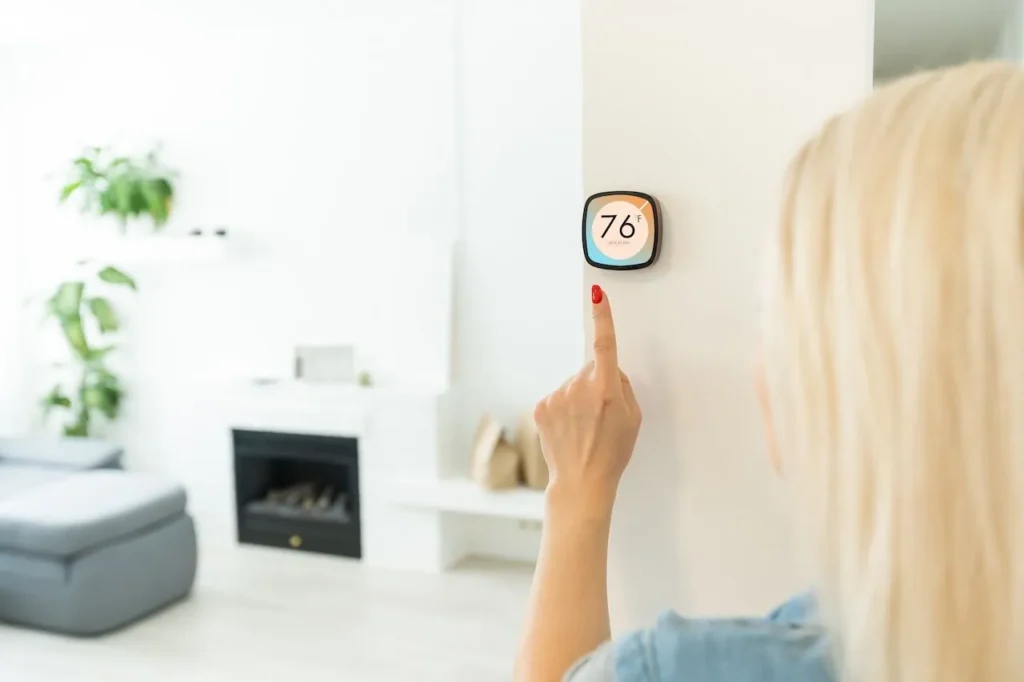
Use a hygrometer to monitor humidity levels if your thermostat doesn’t display them. Industry recommendations generally suggest maintaining indoor humidity between 30–50%, especially during warmer months.
2. Vent Moisture-Producing Areas
Install and regularly use exhaust fans in:
- Bathrooms
- Kitchens
- Laundry rooms
Make sure fans vent outdoors — not into attics, crawlspaces, or basements.
3. Reduce Moisture From Daily Activities
Simple habit changes can significantly lower humidity levels:
- Take shorter, cooler showers
- Use low-flow showerheads
- Cover pots while cooking
- Run exhaust fans during and after showers or cooking
- Use slow cookers when possible

4. Control Indoor Moisture Sources
A few overlooked items can add unnecessary moisture to your home:
- Store firewood outdoors
- Limit excessive indoor plants
- Avoid overwatering plants
Plants release moisture through transpiration, which can increase indoor humidity.
5. Use Dehumidifiers Correctly
If humidity remains high, especially in basements or older homes:
- Use properly sized dehumidifiers
- Keep doors and windows closed while running
- Place units away from walls and furniture
- Empty and clean units regularly
6. Maintain Your HVAC System
Your HVAC system plays a major role in moisture control. To keep it working efficiently:
- Replace air filters regularly
- Schedule routine maintenance
- Allow the system to run during and after moisture-producing activities
An improperly maintained HVAC system may struggle to remove excess humidity effectively.
Humidity Control Methods Comparison
| Method | Best For | Pros | Cons |
|---|---|---|---|
| Exhaust Fans | Bathrooms & Kitchens | Immediate moisture removal | Requires proper venting |
| Dehumidifiers | Basements & Humid Homes | Adjustable and effective | Uses electricity |
| HVAC Systems | Whole-Home Control | Balanced humidity control | Requires maintenance |
| Daily Habit Changes | All Homes | Preventative and inexpensive | Requires consistency |
What To Do If Humidity Has Already Caused Damage
If you already notice signs of moisture damage or mold:
- Contact a mold remediation professional for an inspection
- Replace severely warped or corroded materials
- Address the humidity source before repairs begin
Ignoring the root cause often leads to recurring damage and larger restoration costs later.
Frequently Asked Questions
What is the ideal humidity level inside a home?
Indoor humidity should generally stay between 30–55% year-round.
Can air conditioning control humidity?
Yes, air conditioners help remove moisture from the air, but in very humid conditions they may not be enough on their own.
Do dehumidifiers prevent mold?
Dehumidifiers help reduce mold risk by lowering moisture levels, but they do not remove existing mold growth.
Can too many indoor plants increase humidity?
Yes. Plants release moisture into the air through transpiration.
When should I call a professional?
If humidity remains high despite your efforts, or if you notice mold growth, musty odors, or water damage, professional restoration services are recommended.
Professional Mold & Moisture Help in Northeast Ohio
If high humidity has already caused mold growth, water damage, or lingering moisture problems, professional remediation is the safest solution.
At PuroClean Emergency Restoration of NE Ohio, our team provides expert water damage restoration, mold remediation, and emergency property restoration services throughout Northeast Ohio.
We’re available 24/7 to help homeowners restore their property to a safe, healthy condition.
📞 Call PuroClean Emergency Restoration of NE Ohio today at (440) 653-8222 to schedule an assessment or emergency response service.