


A musty smell, dark spots, or persistent dampness in your basement can be early signs of a mold problem that needs attention. Basement mold removal is about more than wiping visible growth away, because moisture can remain behind walls, beneath flooring, and in other hidden areas. At PuroClean of Bloomington, we help homeowners in Bloomington, IL identify moisture problems, remove mold, clean affected areas, and restore damaged parts of the home.
This guide explains why basement mold develops, how to recognize warning signs, what causes recurring growth, what you can safely do yourself, and when professional mold remediation is the smart next step.
1. Why Does Mold Grow in Basements?
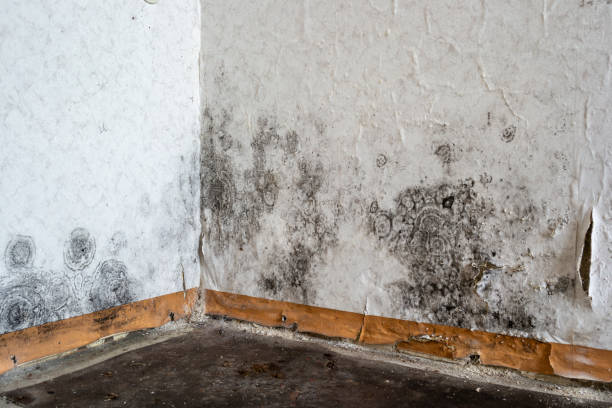
Basements provide several conditions that can support mold growth, especially when moisture is not controlled. Effective basement mold removal starts by finding and correcting the moisture source instead of treating visible mold as an isolated problem.
Mold spores are common in indoor and outdoor environments, but moisture can allow them to grow on suitable materials.
Moisture Is the Main Concern
A damp environment can create favorable conditions for mold.
- Water leaks can keep walls, floors, and other materials wet.
- High humidity can add moisture even when there is no obvious leak.
- Condensation can form on cool basement surfaces.
- Flooding can saturate porous building materials.
Basements Can Trap Humidity
Basements often have limited airflow compared with upper levels of a home.
- Poor ventilation can allow humid air to linger.
- Wet belongings can add moisture to the room.
- Condensation may collect around windows and pipes.
- A dehumidifier can help control excessive humidity.
Organic Materials Can Support Growth
Mold can grow on many common household materials when moisture is present.
- Wood framing can support mold growth when it stays damp.
- Paper and cardboard can absorb moisture.
- Dust and other organic debris can provide nutrients.
- Some types of insulation can retain moisture.
Understanding why mold grows is the first step toward effective basement mold removal.
You can also read Black Mold Growth: 7 Critical Ways Summer Heat Makes It Worse
2. What Are the Signs of Basement Mold?
Mold does not always appear as an obvious patch of black, green, or white growth. Recognizing the early warning signs can help you address a basement problem before it spreads.
A persistent odor or moisture problem deserves attention even when you cannot immediately see mold.
Musty Odors
Your sense of smell can sometimes reveal a problem before your eyes do.
- A persistent musty smell can indicate damp materials or mold.
- Odors may become stronger in enclosed storage areas.
- A smell that returns after cleaning can indicate an unresolved moisture source.
- Covering the odor with air fresheners does not remove the underlying problem.
Visible Mold Growth
Mold can appear in different forms and colors.
- Growth may appear on drywall, wood, or other materials.
- Mold can develop behind stored items where airflow is limited.
- Small spots can spread when moisture remains uncontrolled.
- Do not disturb extensive growth unnecessarily.
Water Damage
Previous water damage can increase the risk of mold.
- Water stains can indicate past or ongoing moisture intrusion.
- Peeling paint may occur when walls remain damp.
- Warped flooring can indicate water exposure.
- Damp insulation can hold moisture inside wall cavities.
These signs can indicate that your basement needs more than routine cleaning and may require professional assessment.
3. What Causes Basement Mold to Keep Coming Back?
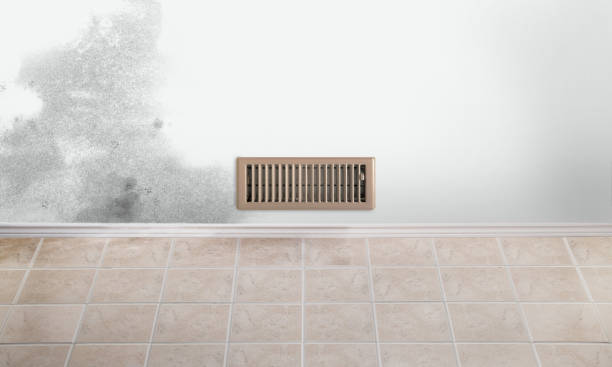
Recurring mold usually means the underlying moisture problem has not been corrected. Basement mold removal can address existing growth, but lasting results also depend on controlling the conditions that allowed the mold to develop.
If mold repeatedly returns to the same location, investigate the moisture source.
Foundation Water Intrusion
Water can enter through the foundation.
- Cracks can allow water to seep through basement walls.
- Hydrostatic pressure can push moisture through foundation materials.
- Poor exterior drainage can direct water toward the foundation.
- Damaged waterproofing can contribute to recurring dampness.
Plumbing Leaks
A hidden plumbing problem can keep materials damp.
- Leaking pipes can release moisture behind walls.
- Water heaters can develop leaks.
- Washing machine connections can fail.
- Small leaks can continue for a long time before becoming obvious.
Condensation
Not every mold problem comes from a leak.
- Warm humid air can condense on cool basement walls.
- Cold pipes can collect water droplets.
- Poor ventilation can increase condensation.
- High humidity can keep surfaces damp.
Previous Flooding
Past flooding can leave moisture behind.
- Carpet padding can remain damp beneath the surface.
- Drywall can absorb water.
- Wood can retain moisture after a flood.
- Hidden moisture can support recurring mold growth.
Finding the source of moisture is essential if you want basement mold removal to provide lasting results.
People also read: Water Extraction After Flood: 8 Critical Steps to Protect Your Home
4. Can You Remove Basement Mold Yourself?
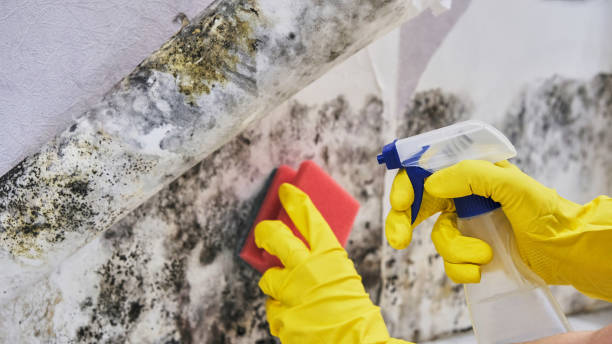
Small areas of surface mold may sometimes be addressed by homeowners, but larger or recurring mold problems require greater caution. Basement mold removal becomes more complicated when mold has spread into porous materials, when the moisture source remains active, or when the affected area is extensive.
Do not assume that visible cleaning solves the entire problem.
Consider the Size of the Affected Area
The amount of mold matters.
- Small isolated areas may require a different response than widespread growth.
- Extensive mold can indicate a larger moisture problem.
- Mold behind walls may require investigation before cleaning.
- Significant growth may require professional remediation.
Consider the Material
Some materials are more difficult to clean effectively.
- Nonporous surfaces may be easier to clean.
- Porous drywall can absorb moisture and support hidden growth.
- Carpet and padding can retain moisture.
- Insulation may require removal when heavily affected.
You should read this: Water Extraction From Carpet: 8 Critical Steps to Prevent Damage
Protect Yourself
Disturbing mold can release particles into the air.
- Avoid unnecessary contact with extensive mold growth.
- Do not aggressively scrub large affected areas without appropriate protection.
- Keep children and pets away from heavily affected areas.
- Seek professional guidance when you are unsure how extensive the problem is.
If you are already seeing signs of basement mold, call PuroClean of Bloomington at (309) 433-0900 for a fast response.
5. How Does Professional Basement Mold Removal Work?
Professional basement mold removal involves identifying the source of moisture, assessing the affected area, containing the problem when appropriate, removing affected materials, and cleaning the remaining surfaces.
The exact process depends on the extent of growth and the materials involved.
Inspection and Moisture Assessment
The first step is determining what caused the mold.
- Technicians inspect areas where mold is visible.
- Moisture levels can be checked in appropriate materials.
- Potential water sources are evaluated.
- Hidden moisture may require additional investigation.
Containment
Containment can help limit the spread of mold particles during remediation.
- Affected areas may be separated from unaffected portions of the home.
- Air movement may be managed during remediation.
- Work practices are selected based on the condition of the property.
- Occupants may be advised to avoid affected areas.
Removal and Cleaning
Affected materials are addressed based on their condition.
- Damaged porous materials may require removal.
- Cleanable surfaces can be treated using appropriate methods.
- Debris is removed carefully.
- The affected area is cleaned as part of the remediation process.
Moisture Correction
Mold treatment is incomplete if moisture continues.
- Leaks should be repaired.
- Excess humidity should be controlled.
- Wet materials should be properly dried.
- Drainage problems should be addressed.
Professional basement mold removal focuses on both the visible problem and the moisture conditions behind it.
6. How Can You Prevent Mold in Your Basement?
Prevention starts with moisture control. Once you complete basement mold removal, maintaining a dry environment can help reduce the conditions that allow mold to return.
Your basement should be inspected regularly, especially after heavy rain or water damage.
Control Humidity
Humidity management is one of the most important preventive steps.
- Use a dehumidifier when needed.
- Monitor basement humidity with a reliable humidity meter.
- Keep the basement adequately ventilated when appropriate.
- Investigate persistent condensation.
Keep Water Away From the Foundation
Exterior drainage can help reduce water intrusion.
- Clean gutters regularly.
- Keep downspouts clear.
- Direct downspout discharge away from the foundation.
- Look for areas where rainwater collects around your home.
Fix Leaks Quickly
Do not ignore small water problems.
- Repair plumbing leaks promptly.
- Address foundation seepage.
- Check around water heaters and appliances.
- Investigate damp spots as soon as they appear.
Avoid Trapping Moisture
Your storage habits can affect basement conditions.
- Keep cardboard boxes away from damp floors.
- Leave space between stored items and exterior walls.
- Avoid overcrowding storage areas.
- Keep wet belongings out of enclosed basement spaces.
Good moisture management can make basement mold removal less likely to become a recurring need.
7. How Does Basement Humidity Contribute to Mold?
High humidity is one of the most common moisture problems affecting basements. Even without standing water, excess humidity can create damp surfaces and contribute to conditions where mold can develop.
The EPA recommends keeping indoor relative humidity below 60%, ideally between 30% and 50% when possible. EPA: A Brief Guide to Mold, Moisture, and Your Home
Watch Your Humidity Level
A humidity meter can help you recognize changing conditions.
- Check humidity during warm, humid weather.
- Monitor the basement after heavy rain.
- Pay attention to sudden changes.
- Investigate consistently high readings.
Reduce Condensation
Condensation can keep surfaces damp.
- Insulate cold pipes when appropriate.
- Improve airflow around damp areas.
- Keep humid air under control.
- Inspect windows for repeated condensation.
Maintain Your Dehumidifier
A poorly maintained unit may not work effectively.
- Clean the filter according to the manufacturer’s instructions.
- Keep the unit operating properly.
- Empty the collection container as needed.
- Arrange proper drainage when the unit is designed for continuous operation.
Keeping humidity under control can significantly improve your basement’s moisture conditions.
8. What Should You Do After Basement Water Damage?
Water damage and mold often go hand in hand when wet materials are not dried quickly. After a basement flood or major leak, addressing moisture promptly can reduce the conditions that support mold growth.
The EPA recommends drying wet or damp materials within 24 to 48 hours when possible to help prevent mold growth. EPA: A Brief Guide to Mold, Moisture, and Your Home
Begin Water Removal Quickly
Standing water should not be allowed to remain unnecessarily.
- Address the source of the water when it is safe.
- Remove standing water promptly.
- Move unaffected belongings to a dry area.
- Use professional extraction equipment for significant flooding.
Dry Hidden Areas
Visible water is only part of the problem.
- Check flooring and subfloor materials.
- Inspect drywall near the floor.
- Look for moisture behind stored belongings.
- Consider professional moisture detection when water may have entered hidden spaces.
Watch for Mold Warning Signs
Continue monitoring the area after drying.
- Watch for musty odors.
- Look for discoloration or visible growth.
- Pay attention to recurring dampness.
- Investigate mold that returns after cleaning.
Fast water damage response can help reduce the likelihood of needing extensive basement mold removal later.
9. When Should You Call a Professional for Basement Mold?
Knowing when to call a professional can help you avoid spreading mold or overlooking hidden moisture. Basement mold removal is especially important when growth is extensive, recurring, connected to water damage, or located inside building materials.
Professional assessment can help determine the scope of the problem.
Call When Mold Keeps Returning
Recurring growth usually deserves further investigation.
- Mold returns after cleaning.
- The same wall repeatedly becomes damp.
- Musty odors continue.
- Humidity remains difficult to control.
Call After Significant Water Damage
Flooding can create hidden moisture.
- Basement walls were exposed to significant water.
- Carpet and padding were saturated.
- Water entered drywall or insulation.
- The basement remained wet for an extended period.
Call When Mold Is Hidden
Visible mold may not represent the full extent of the problem.
- Mold may grow behind drywall.
- Insulation can hide dampness.
- Flooring can trap moisture underneath.
- Professional moisture detection can help identify affected areas.
At PuroClean of Bloomington, we provide professional mold removal and remediation, water damage restoration, moisture detection, and reconstruction services. Our team can help identify the moisture source, address affected areas, and restore parts of your property that require repair.
FAQs About Basement Mold Removal
How do I know if my basement has mold?
Common warning signs include visible mold growth, persistent musty odors, damp materials, water stains, and recurring moisture problems. Mold can also exist in hidden areas that are not immediately visible.
Can I remove basement mold myself?
Small areas of surface mold may sometimes be handled by a homeowner, but extensive, recurring, or hidden mold should be professionally assessed. The underlying moisture source also needs to be addressed.
Why does mold keep coming back in my basement?
Recurring mold often means moisture remains uncontrolled. Common causes include leaks, foundation seepage, condensation, high humidity, poor drainage, and previous water damage.
How can I prevent mold from growing in my basement?
Control humidity, repair leaks quickly, keep rainwater away from your foundation, improve airflow where appropriate, and dry wet materials promptly. The EPA recommends keeping indoor humidity below 60%, ideally between 30% and 50%. EPA: A Brief Guide to Mold, Moisture, and Your Home
When should I call a professional for basement mold removal?
You should consider professional help when mold is widespread, keeps returning, is connected to significant water damage, or may be hidden inside walls, flooring, or insulation.
Final Thoughts – Keep Your Basement Dry and Mold-Free
Effective basement mold removal starts with identifying the moisture source, safely addressing existing mold, and keeping the basement dry afterward. The most important steps are to control humidity, repair leaks and drainage problems, respond quickly to water damage, and seek professional help when mold is extensive or hidden.
📞 Call PuroClean of Bloomington for basement mold removal or mold remediation today at (309) 433-0900, or visit our website.
Don’t let basement mold ruin your home or belongings. Get trusted professional help today.