



If you’ve ever walked into a room and noticed a musty, earthy smell, you might have thought, “Eh, it’s just humidity.” But in Bradenton, FL, that odor could be a warning sign of mold lurking behind your walls, under your floors, or even inside your HVAC system. Mold is more than just unsightly—it’s a health hazard and a structural threat to your home. Understanding why it grows, how to detect it, and what steps to take can save homeowners time, money, and stress.
Why Mold Loves Florida Homes
Florida’s warm, humid climate makes it the perfect breeding ground for mold. Even small amounts of moisture can cause mold to sprout and spread quickly. Mold spores are everywhere—they float through the air constantly—but they only grow when they find damp, dark conditions. This makes certain areas of your home especially vulnerable:
- Bathrooms and kitchens with poor ventilation: Steam from showers and cooking can create the perfect humidity for mold growth.
- Leaky roofs or windows: Even minor leaks allow water to seep into walls or ceilings over time.
- Areas near plumbing: Under sinks, around water heaters, or near appliances are frequent hotspots.
- Basements, attics, and crawl spaces: These less-frequented areas can go unnoticed while moisture quietly accumulates.
A minor plumbing leak or an unnoticed roof drip may not seem like a big deal—but if left unchecked, it can escalate into a full-blown mold infestation. Unlike a visible stain, mold often grows hidden from plain sight, meaning it can spread for months before detection.
Health Impacts of Mold Exposure
Mold isn’t just unsightly; it can seriously affect your health. Mold spores released into the air can trigger allergic reactions and respiratory issues. Common symptoms of mold exposure include:
- Allergies and nasal congestion
- Sneezing, coughing, or wheezing
- Skin irritation and rashes
- Eye irritation or watery eyes
- Headaches, fatigue, or difficulty concentrating
Certain groups are more vulnerable, including young children, the elderly, individuals with asthma, and those with weakened immune systems. Even short-term exposure can trigger unpleasant symptoms, making early identification and action essential for maintaining a healthy home environment.
How to Spot Mold in Your Home
Detecting mold early is crucial to preventing larger infestations. While some mold is visible, it often grows in hidden areas. Here are some signs to watch for:
- Musty odors: A persistent, earthy smell often indicates mold behind walls, under flooring, or inside ductwork.
- Water damage signs: Warped wood, bubbling paint, or discoloration on walls and ceilings can signal hidden mold.
- Health symptoms: If family members experience unexplained allergy-like reactions indoors, mold could be the culprit.
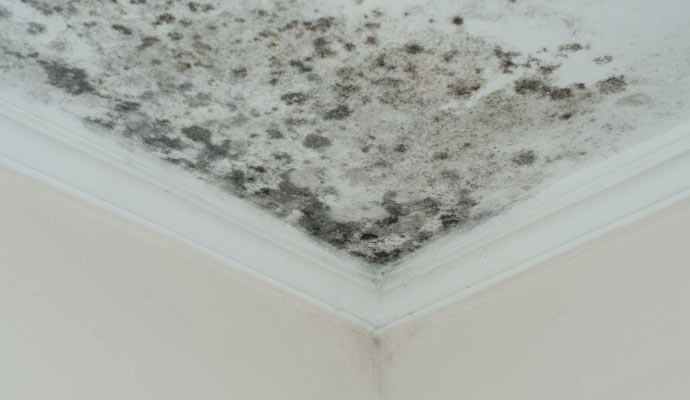
- Visible mold: Green, black, or white spots on walls, ceilings, or floors are a clear indication that mold is present.
Even if you don’t see mold, unusual odors, ongoing moisture issues, or recurrent allergy symptoms should prompt further investigation.
Preventing Mold Before It Starts
The best approach to mold management is prevention. Here are practical tips Bradenton homeowners can implement:
- Control humidity: Keep indoor humidity levels below 50% using air conditioning or dehumidifiers.
- Fix leaks immediately: Address plumbing issues, roof leaks, or window seepage as soon as they are discovered, and dry affected areas thoroughly.
- Ventilate properly: Use exhaust fans in bathrooms, kitchens, and laundry rooms to remove moisture.
- Regular inspections: Check attics, basements, crawl spaces, and other hidden areas for dampness or signs of water damage.
Routine maintenance is key. Even a minor leak ignored for months can create a significant mold problem that requires professional remediation.
When to Consider Professional Help
Small patches of mold may sometimes be removed with household cleaners, but larger infestations require professional attention. Certified mold remediation specialists are trained to:
- Locate hidden mold growth behind walls, under flooring, and in ductwork
- Safely remove contaminated materials without spreading spores
- Thoroughly dry affected areas to prevent regrowth
- Address underlying moisture issues to prevent future mold
Attempting to remove extensive mold yourself can inadvertently spread spores throughout the home, increasing health risks and making the problem worse. Professionals also have access to specialized equipment and cleaning agents that ensure mold is fully eradicated.
Local Factors to Keep in Mind
Bradenton’s climate and seasonal storms can make mold a recurring issue. Heavy rains can lead to roof leaks, window seepage, or flooding in low-lying areas. Landscaping should slope away from your foundation to prevent water accumulation, and gutters should be regularly cleaned to avoid overflow. Seasonal storm preparation, such as inspecting roofs and sealing windows, can reduce the risk of moisture intrusion and mold growth.
Practical Tips for Bradenton Homeowners
- Consider investing in a high-quality dehumidifier for humid months.
- Regularly inspect areas around plumbing, including washing machines, dishwashers, and water heaters.
- Keep an eye on window seals and flashing to prevent leaks during rainy seasons.
- If you’ve experienced water damage, act quickly to dry the area thoroughly.
By combining awareness, prevention, and professional guidance, you can significantly reduce the risk of mold in your home.
Conclusion
Mold may be small, but its effects can be significant. In Bradenton, FL, where humidity and seasonal storms are common, homeowners must remain vigilant. By understanding the risks, spotting early warning signs, and taking proactive steps, you can protect both your family’s health and the structural integrity of your home. Awareness, prevention, and timely intervention are essential—don’t wait until a small patch of mold becomes a major problem.