


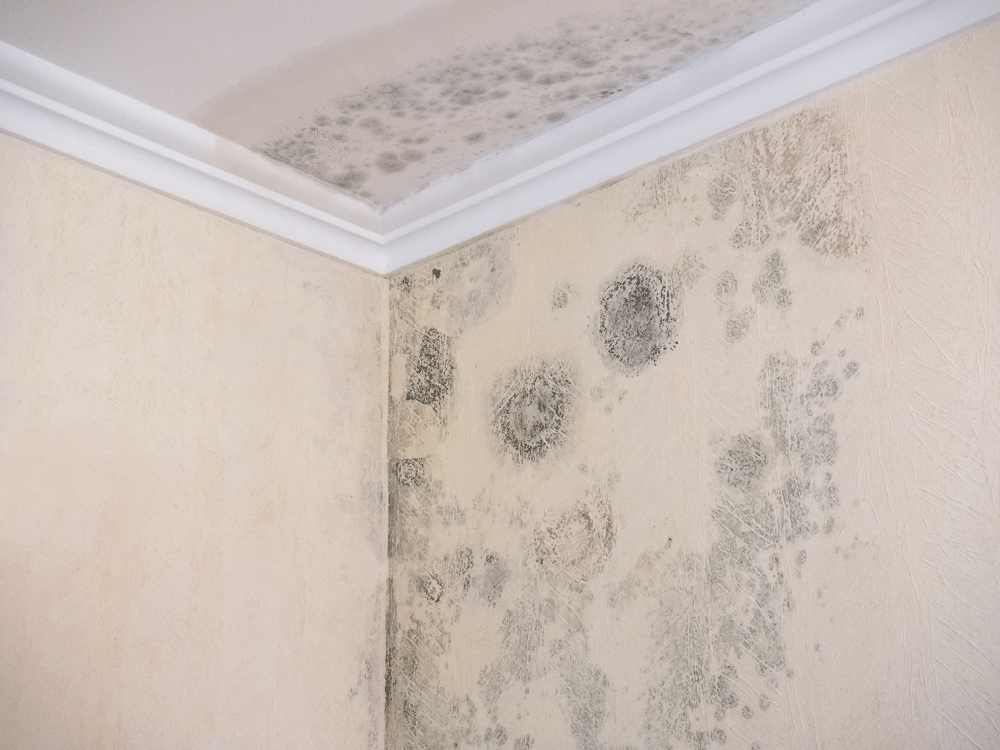
You’ve spotted dark patches on your bathroom ceiling or caught a musty smell in the basement. Now you’re Googling at 2 AM, wondering: how dangerous is mold in your house, really? Should you panic, pack up, and call a hazmat team? Or is it just another household nuisance?
The truth lies somewhere between the hysteria and the shrugs. Let’s cut through the noise and look at what science actually tells us about the dangers of mold in your home.
The Real Deal: What Makes Mold Dangerous?
Mold isn’t a single entity; it’s a massive kingdom of fungi with over 100,000 species. Most are harmless. Some are helpful (hello, penicillin and blue cheese). But certain types can cause problems when they’re growing inside your home.
Here’s what actually matters:
The danger of mold depends on three key factors:
- The type of mold (some species are more problematic than others)
- The amount of mold (a small patch vs. extensive growth)
- Your personal health status (healthy adult vs. compromised immune system)
Think of it like pollen. For most people, a little pollen is no big deal. For someone with severe allergies or asthma, it’s a different story. Mold works similarly.
Myth #1: “All Black Mold Will Kill You”
The Reality: Not all black-colored mold is the infamous Stachybotrys chartarum (toxic black mold). And even Stachybotrys rarely causes severe illness in healthy adults.
Here’s what research shows: While Stachybotrys does produce mycotoxins, the CDC states that the link between this mold and serious health conditions in people is not proven. The dramatic stories you’ve heard? Often exaggerated or based on extreme exposure scenarios.
What IS true: Any mold—black, green, white, or fuzzy pink—can trigger allergic reactions or respiratory issues in sensitive people. The color matters less than the amount and your personal sensitivity.
Myth #2: “A Little Mold Is No Big Deal”
The Reality: This depends entirely on the “little” part and who’s living in your house.
For healthy adults, a small amount of surface mold (like the grout in your shower) typically isn’t a medical emergency. But here’s the catch: mold grows. Fast. What looks like a small spot today can become a major problem in weeks, especially if there’s a moisture source feeding it.
When “a little mold” IS a big deal:
- You have asthma or respiratory conditions
- Young children or elderly family members are in the home
- Anyone with a compromised immune system
- The mold keeps coming back (a signal of a bigger moisture problem)
- You’re noticing health symptoms that improve when you leave the house
The Actual Health Risks: What Science Says
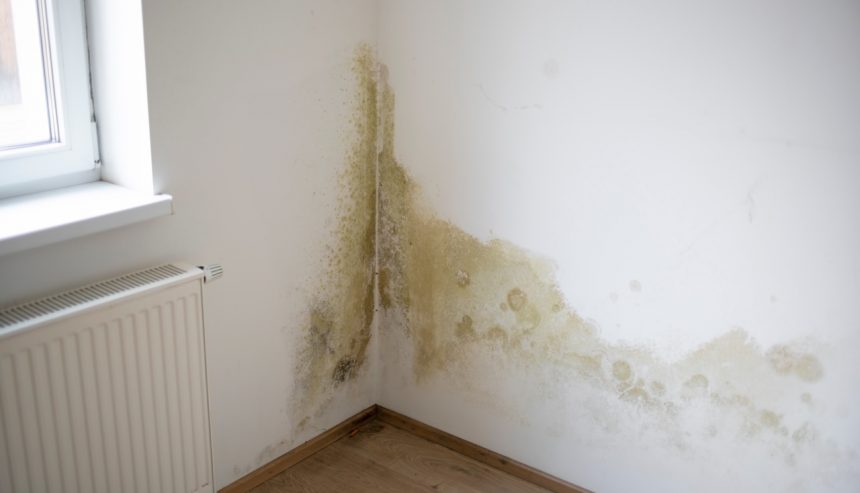
Let’s talk evidence, not fear. According to the EPA and WHO, mold exposure primarily affects the respiratory system and can trigger allergic reactions.
Proven health effects of mold exposure include:
Mild to Moderate (Most Common):
- Stuffy nose and sinus congestion
- Coughing and throat irritation
- Eye irritation and watery eyes
- Skin irritation or rashes
- Headaches
More Serious (Less Common):
- Asthma attacks in people with asthma
- Severe allergic reactions
- Lung infections (primarily in immunocompromised individuals)
- Chronic respiratory issues with prolonged exposure
What’s NOT proven: Despite internet claims, there’s insufficient scientific evidence that typical household mold exposure causes:
- Memory loss or “brain fog” in healthy individuals
- Chronic fatigue syndrome
- Fibromyalgia
- Most neurological conditions
That doesn’t mean symptoms aren’t real—it means the connection isn’t as direct as some sources claim.
Myth #3: “Mold Only Affects People With Allergies”
The Reality: While people with mold allergies or asthma are definitely more vulnerable, prolonged exposure to high levels of mold can affect anyone.
The Institute of Medicine found sufficient evidence linking indoor mold exposure to upper respiratory tract symptoms, coughing, and wheezing in otherwise healthy people.
Think of it as a threshold effect. Everyone has a breaking point—some people just hit it faster than others.
The Types of Mold That Actually Matter
Not all mold is created equal. Here’s what you should know:
Common Indoor Molds:
- Cladosporium – Usually harmless, appears olive-green or brown
- Penicillium – Blue or green, can trigger allergies
- Aspergillus – Various colors, can cause problems for people with weakened immune systems
- Alternaria – Dark green or brown, common allergen
- Stachybotrys (Black mold) – Greenish-black, slimy texture, produces mycotoxins
The honest assessment: Unless you have lab testing, you won’t know exactly what type you’re dealing with. And here’s the thing, it doesn’t really matter for your immediate action. All mold needs to go, regardless of species.
When to Actually Worry: Red Flags
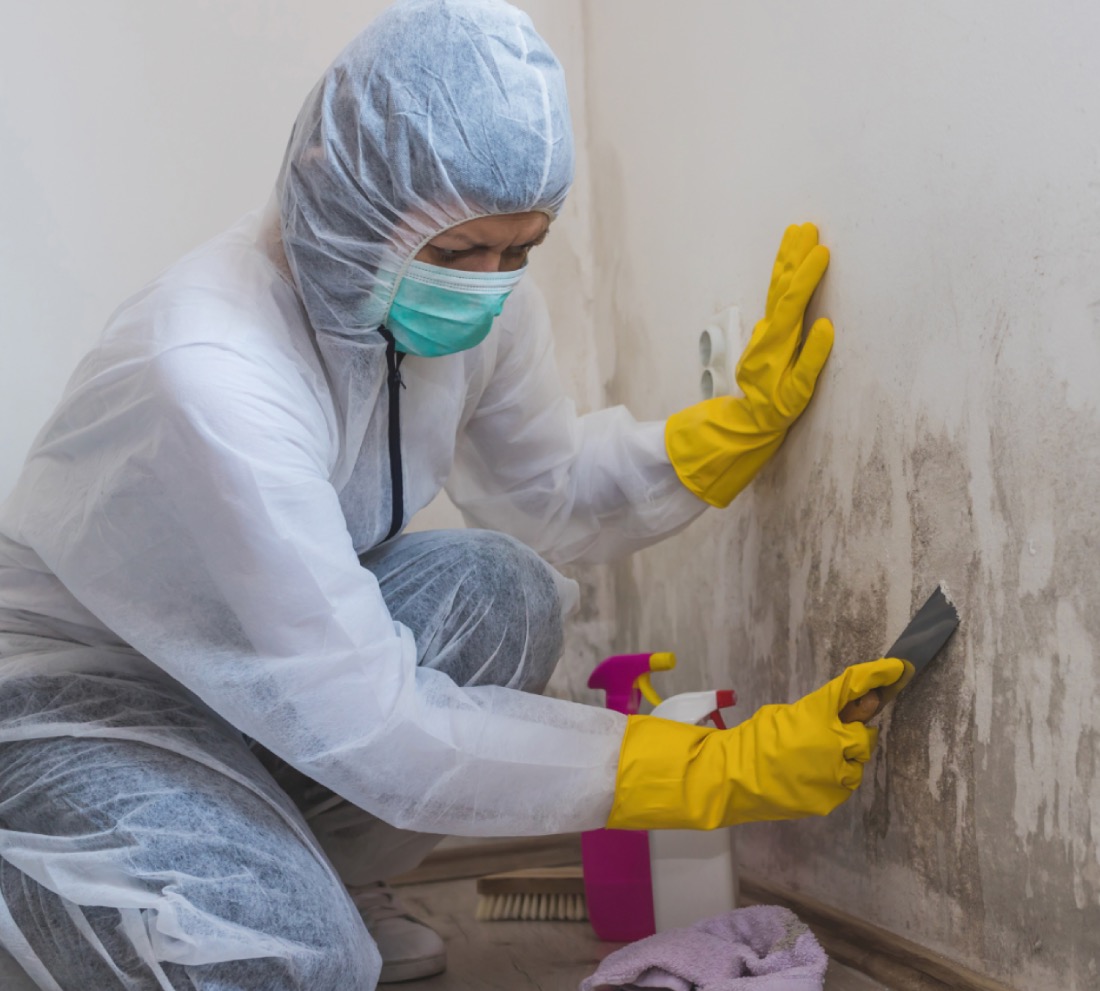
Stop researching and take action if:
Immediate concern:
- Mold covers more than 10 square feet
- You smell persistent musty odors even without visible mold
- There’s been water damage or flooding
- Mold is in your HVAC system (spreads spores throughout your home)
- You’re experiencing respiratory symptoms that improve when you leave
Get professional help ASAP if:
- Anyone in your household has asthma, COPD, or immune system issues
- Mold is behind walls or in crawl spaces
- Previous remediation didn’t work (mold came back)
- You suspect mold but can’t find the source
Myth #4: “Bleach Kills All Mold”
The Reality: Bleach works on non-porous surfaces like tile, but it’s actually counterproductive on porous materials like drywall or wood.
Here’s why: Bleach’s chlorine can’t penetrate porous surfaces, while its water component actually feeds the mold roots deeper in the material. You’re essentially making the problem worse.
What works better:
- Detergent and water for hard surfaces
- Professional remediation for porous materials
- Fixing the moisture source (the only real solution)
The Real Danger Nobody Talks About
The biggest risk isn’t the mold itself—it’s ignoring the underlying moisture problem.
Mold is a symptom. The actual issue is:
- A leaking pipe is slowly damaging your walls
- Poor ventilation creates chronic dampness
- Roof damage is letting water seep in
- Foundation problems allowing groundwater intrusion
These structural issues can cost tens of thousands to fix if left unchecked. The mold is just the visible warning sign.
Can Mold Actually Kill You?
Let’s address the dramatic question directly: Can house mold kill you?
For the vast majority of people: No. Death from household mold exposure is extremely rare and typically only occurs in people with severely compromised immune systems.
However, mold can seriously impact quality of life, trigger asthma emergencies, and indicate serious home damage. It’s not about immediate mortality; it’s about chronic health effects and property damage.
Myth #5: “You Can Remove All Mold From Your House”
The Reality: Mold spores are literally everywhere. They’re floating in the air right now as you read this.
The goal isn’t to eliminate every single spore (impossible). It’s to:
- Remove active mold growth
- Control moisture levels below 50% humidity
- Prevent conditions where mold can thrive
Your house will always have some mold spores. The question is whether you’re giving them the damp environment they need to grow into a colony.
Who’s Actually at High Risk?
Be extra cautious if anyone in your household:
- Has asthma or chronic respiratory conditions
- Is undergoing chemotherapy or taking immunosuppressant medications
- Has HIV/AIDS or other immune system disorders
- Is an infant or an elderly person with declining immune function
- Has chronic obstructive pulmonary disease (COPD)
- Is recovering from an organ transplant
For these individuals, even moderate mold exposure can pose genuine health risks that warrant immediate professional remediation.
The Bottom Line: Smart Response vs. Panic
How dangerous is mold in your house? It’s concerning enough to address promptly, but not so dangerous that you need to evacuate in the middle of the night.
Your action plan:
Small surface mold (less than 3 feet):
- Clean with detergent and water
- Fix the moisture source
- Improve ventilation
- Monitor for return
Larger areas or recurring mold:
- Call a professional mold inspector
- Get proper remediation
- Address underlying moisture/ventilation issues
- Consider testing if health symptoms are present
Immediate evacuation warranted if:
- Extensive mold throughout the home
- Strong musty odors even after cleaning
- Severe health reactions
- Mold after major flooding (often includes sewage contamination)
Prevention: The Best Strategy
Since we’re separating facts from myths, here’s a fact: preventing mold is 100 times easier than removing it.
Keep mold away with:
- Humidity below 50% (use dehumidifiers in damp areas)
- Proper ventilation in bathrooms and kitchens
- Quick response to any water leaks or spills (within 24-48 hours)
- Regular inspection of areas prone to moisture
- Ensuring proper drainage away from your foundation
The Truth About Mold Testing
Should you test the mold in your house? Usually not necessary for these reasons:
- Testing costs $200-$600
- Results don’t change your action plan (all mold needs removal)
- Visual inspection by a professional is often sufficient
When testing DOES make sense:
- You suspect hidden mold, but can’t locate it
- You’re experiencing health issues, but mold isn’t visible
- Post-remediation verification
- Legal/insurance purposes
Frequently Asked Questions About Mold Dangers
How long does it take for mold to make you sick?
The timeline varies based on individual sensitivity and mold concentration. Some people experience symptoms within minutes to hours of exposure (such as sneezing, itchy eyes, or coughing). Others may take days or weeks of exposure to develop noticeable symptoms. Chronic health effects typically develop after prolonged exposure—weeks to months—in environments with significant mold growth. If you notice symptoms that improve when you leave your house, that’s a strong indicator mold may be affecting you.
What are the first signs that mold is making you sick?
The earliest signs of mold-related illness include a persistent stuffy nose, sneezing, watery or itchy eyes, throat irritation, and coughing that worsens at home. You might also notice headaches, skin rashes, or increased asthma symptoms. A key indicator: your symptoms improve when you’re away from home and return when you come back. If you’re experiencing these patterns along with a musty smell in your house, mold exposure is likely the culprit.
Should I leave my house if there’s mold?
You don’t need to immediately evacuate for small mold patches (under 10 square feet). However, consider temporary relocation if: the mold covers extensive areas (entire walls or rooms), you smell strong musty odors throughout the home, anyone in your household has severe asthma or immune system issues, or you’re experiencing significant respiratory symptoms. During professional remediation of large mold problems, it’s often recommended to stay elsewhere, especially for vulnerable individuals.
Can you live in a house with mold?
You can live in a house with minor mold issues while addressing them, but extensive mold growth poses health risks that shouldn’t be ignored. Many homes have small amounts of mold in bathrooms or basements that can be safely managed with proper cleaning and moisture control. However, if mold is widespread, hidden behind walls, or causing health symptoms, the situation requires professional remediation before the home is safe for long-term occupancy, particularly for children, elderly residents, or those with health conditions.
How do I know if mold is making me sick?
Track your symptoms: Do they worsen at home and improve when you’re away? Common mold-related symptoms include persistent congestion, coughing, eye irritation, headaches, and fatigue. Keep a symptom diary for two weeks, noting when symptoms are better or worse. If there’s a clear pattern tied to being home, and you’ve noticed musty odors or visible mold, exposure is likely the cause. Consider consulting an allergist for mold sensitivity testing if symptoms are significant.
What level of mold is acceptable in a house?
There’s no “safe” threshold for mold in your home because individual sensitivity varies greatly. The EPA doesn’t set specific mold concentration limits for residential properties. The general rule: if you can see or smell mold, it needs to be removed. Any visible mold growth, regardless of size, indicates a moisture problem that requires attention. For air testing, labs compare indoor spore counts to outdoor counts—indoor levels shouldn’t exceed outdoor levels for the same species.
Does everyone react to mold?
No. Mold sensitivity varies dramatically between individuals. About 10-30% of people are genetically predisposed to mold allergies and will react to relatively small exposures. Others can tolerate higher levels with minimal symptoms. However, everyone has a threshold—prolonged exposure to high mold concentrations can eventually cause respiratory symptoms even in people without allergies. Those with asthma, allergies, or compromised immune systems react much more severely and quickly than healthy adults.
Can mold behind walls make you sick?
Yes, absolutely. Mold doesn’t need to be visible to affect your health. Hidden mold behind walls, under flooring, or in ceiling cavities releases spores and mycotoxins into your home’s air. You might notice musty odors, unexplained health symptoms, or visible signs like wall discoloration or bubbling paint. Hidden mold is often more dangerous because it can grow extensively undetected. If you suspect mold behind walls—especially after water damage—professional inspection with moisture meters and thermal imaging is essential.
How bad is mold for your health long-term?
Long-term mold exposure can lead to chronic respiratory issues, persistent allergies, sinus infections, and worsened asthma that may not fully resolve even after remediation. Some studies suggest prolonged exposure may cause lasting respiratory sensitivity. However, most health effects improve significantly once mold is removed and you’re no longer exposed. The severity depends on exposure duration, concentration, and individual health. Permanent damage is rare in healthy individuals but more likely in those with pre-existing conditions or severely compromised immune systems.
Is all mold in houses dangerous?
Not all mold is equally dangerous, but all indoor mold growth is problematic. Common molds like Cladosporium and Penicillium primarily cause allergic reactions. More concerning types like Stachybotrys (black mold) and Aspergillus can produce mycotoxins or cause infections in vulnerable people. However, you can’t identify mold species by appearance alone—lab testing is required. The practical approach: treat all indoor mold as unacceptable, regardless of type, and focus on removal and moisture control rather than identification.
Final Thoughts: Respect, Don’t Fear
Mold in your house deserves respect and prompt action, not panic. It’s a legitimate concern, especially for vulnerable populations, but it’s not the silent killer some sources portray.
The real takeaway? Address mold promptly, fix moisture issues permanently, and know when to call professionals like PuroClean of Burlington. That’s the balanced approach that protects both your health and your home.
If you’re still asking, “How bad is mold in your house?”—the answer is bad enough to fix, but manageable with the right approach. Trust the science, ignore the hysteria, and take practical action.
PuroClean of Burlington 📞 Call Now: (262) 342-2226 🕒 Available 24/7 — Because disasters don’t wait.
🔗 Quick Links: Instagram | Google Reviews & Directions | Facebook | Pinterest