


Spring arrived in Burlington. Temperatures climbed into the 50s. Snow melted rapidly. Then you noticed it.
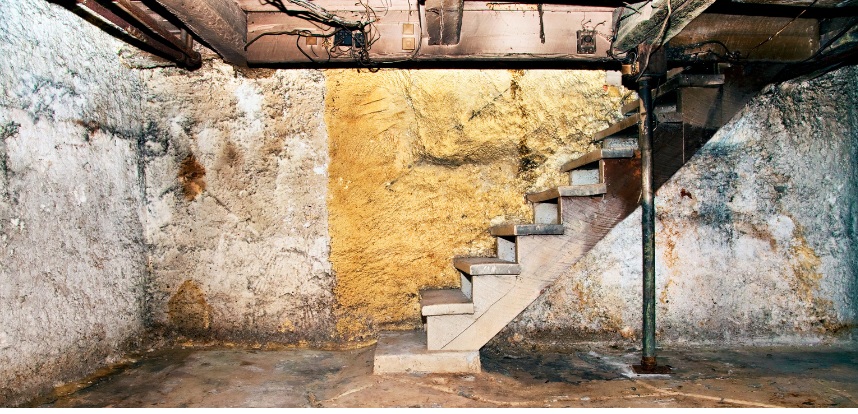
That unmistakable musty smell in your basement. Yesterday everything was fine. Today, the odor hits you immediately upon descending the stairs.
Why does basement mold smell, and spring flooding appear so suddenly? And what should you do about it?
For immediate professional help with basement mold smell spring situations serving Burlington and all of southeastern Wisconsin, call PuroClean of Burlington at (262) 342-2226 for 24/7 emergency mold and water damage response.
I have helped countless Burlington homeowners address basement mold, smells, and spring problems over the years. Spring flooding creates unique conditions, producing rapid mold growth unlike any other season. Understanding why this happens helps you prevent future occurrences and respond appropriately when musty odors appear.
This comprehensive guide reveals five reasons spring flooding creates sudden basement mold smells, why Burlington faces particular vulnerability, and how professional services protect your home from recurring spring mold problems.
Because recognizing basement mold smell spring patterns enables proactive protection, preventing annual springtime mold disasters.
Reason 1: Rapid Snowmelt Overwhelms Drainage
Why does snowmelt cause basement mold smell spring flooding?
Answer: Rapid snowmelt creates a basement mold smell in spring flooding when temperatures suddenly rise 40-60°F, melting accumulated winter snow within days, releasing months of precipitation simultaneously, with volumes overwhelming drainage systems, gutters, downspouts, and foundation waterproofing, allowing water intrusion, while Burlington’s average 40-50 inches of annual snowfall concentrated in winter provides a massive water source when temperatures spike, causing immediate basement flooding and mold growth within 24-48 hours.
Spring temperature swings release tremendous water volumes.
Burlington’s snow accumulation patterns:
Wisconsin winters bring 40-50 inches of snow to Burlington and the surrounding Walworth County. This snow accumulates through December, January, and February, creating substantial frozen water reserves around properties.
One inch of snow contains roughly one-tenth inch of water. That 40-50 inches of accumulated snow represents 4-5 inches of liquid water waiting to be released when temperatures rise.
Sudden warming events:
Spring temperature patterns frequently bring rapid warming. Temperatures jump from 20 to 30°F to 60-70°F within 24 to 48 hours. This sudden heat melts snow quickly rather than gradually, allowing drainage systems to keep pace.
According to the National Weather Service, rapid snowmelt events create flooding risks similar to heavy rainfall, with the added complication of frozen ground preventing absorption.
Drainage system overwhelmed:
Gutters, downspouts, foundation drains, and municipal storm sewers handle normal rainfall. However, simultaneous snowmelt from roofs, yards, streets, and surrounding areas creates volumes exceeding design capacity.
Water backs up, pools against foundations, and finds entry through cracks, floor-wall joints, and porous concrete, creating immediate basement water intrusion and subsequent basement mold smell spring problems.
Immediate mold growth:
Mold begins growing within 24-48 hours after water exposure. Spring flooding from rapid snowmelt provides perfect conditions: moisture, organic materials like drywall and wood, and moderate temperatures. Basement mold smell appears within days of flooding as colonies establish and release volatile organic compounds, creating characteristic musty odors.
Understanding rapid snowmelt dynamics helps Burlington homeowners prepare drainage systems and monitor conditions during spring temperature swings, preventing basement flooding and mold.
Reason 2: Frozen Ground Prevents Water Absorption
How does frozen ground contribute to basement mold smell spring?
Answer: Frozen ground creates basement mold smell spring conditions by preventing water absorption, forcing snowmelt and rainfall to flow across surfaces toward foundations rather than soaking into soil, with Wisconsin frost depth reaching 48-60 inches during harsh winters, creating impermeable barriers beneath yards, driveways, and landscaping that remain frozen into April despite surface warming, causing surface water accumulation, foundation pooling, and hydrostatic pressure driving moisture through basement walls, creating immediate flooding and rapid mold development.
Frost-locked soil acts like pavement, directing water toward basements.
Wisconsin frost depth:
Wisconsin soil freezes deeply during winter. Frost depth regularly reaches 48-60 inches in southeastern Wisconsin, depending on winter severity and snow cover insulation. This creates a solid frozen barrier preventing water penetration.
Surface soil thaws first during spring warming. However, deeper soil remains frozen for weeks after surface temperatures moderate. This creates unusual hydrology where surface water cannot drain downward.
Surface water runoff concentration:
With frozen ground preventing absorption, all snowmelt and spring rainfall flow across surfaces, following grade and topography. This concentrates water in low areas and against foundations, creating volumes far exceeding typical conditions.
Properties with proper grading directing water away from foundations gain some protection. However, frozen ground reduces even well-designed drainage’s effectiveness when surrounding areas channel runoff toward properties.
Hydrostatic pressure development:
Water accumulating against foundations creates hydrostatic pressure, pushing moisture through porous concrete, foundation cracks, and floor-wall joints. This pressure increases with water depth, making basement water intrusion almost inevitable during major spring melt events.
Extended spring flooding risk:
Unlike summer, when soil quickly absorbs water, spring flooding risks persist for weeks as deep frost slowly thaws. Multiple freeze-thaw cycles extend this period, creating repeated flooding potential and continuous basement mold smell and spring problems.
Climate change impacts:
Recent climate trends show more extreme temperature swings and wetter springs. These patterns intensify frozen ground flooding issues, making spring basement water intrusion increasingly common in Burlington and southeastern Wisconsin.
Frozen ground represents a critical yet often overlooked factor in basement mold smell spring situations, requiring proactive drainage management and foundation waterproofing.
Reason 3: Spring Rainfall Combines with Snowmelt
Why is spring rainfall especially problematic for basements?
Answer: Spring rainfall creates severe basement mold smell spring conditions when combining with snowmelt, doubling or tripling water volumes and simultaneously challenging drainage systems, with Burlington averaging 3-4 inches of April precipitation arriving while 10-20 inches of snow remain on the ground, effectively releasing 4-6 inches of water within days, overwhelming gutters, soil absorption capacity, and foundation waterproofing, causing basement flooding and immediate mold growth that produces characteristic musty odors within 48 hours.
Combined precipitation creates perfect flooding storms.
Burlington spring precipitation patterns:
April and early May bring heavy rainfall to Burlington and Walworth County. Monthly averages of 3-4 inches arrive often in intense storms, dropping 1-2 inches within hours.
This rainfall occurs while substantial snow remains from winter accumulation. The combination creates water volumes exceeding either precipitation type alone.
Compounding drainage challenges:
Drainage systems sized for typical rainfall cannot handle simultaneous snowmelt and heavy rain. This compound effect overwhelms gutters, causing overflow against foundations; saturates soil beyond absorption capacity; and floods basement window wells.
Storm sewers and drainage systems throughout Burlington face similar challenges during spring, creating widespread basement flooding affecting numerous properties simultaneously.
Lake Geneva weather influence:
Burlington’s proximity to Lake Geneva influences weather patterns. Lake effect precipitation increases spring rainfall totals. Moisture from the lake, combined with spring storm systems, creates conditions producing heavy, sustained rainfall during vulnerable snowmelt periods.
Basement vulnerability timeline:
The highest basement mold smell spring risk occurs from mid-March through early May when snowmelt and spring rainfall overlap. This 6-8 week window sees the majority of annual basement flooding incidents in Burlington and surrounding communities.
Prevention timing importance:
Understanding this timeline enables proactive prevention. Late winter and early spring provide optimal periods for drainage improvements, foundation sealing, and sump pump upgrades before peak flooding season, protecting basements during the highest-risk months.
The rainfall-plus-snowmelt combination creates unique spring flooding severity, producing widespread basement mold smell spring problems throughout Burlington, requiring community-wide awareness and preparation.
Reason 4: Clay Soil Retains Moisture Against Foundations
How does soil type affect basement mold smell spring problems?
Answer: Burlington’s clay-heavy soil creates persistent basement mold smell spring conditions by retaining moisture against foundations for extended periods, with clay absorbing water slowly during spring flooding then releasing it gradually over weeks, maintaining continuous hydrostatic pressure and moisture exposure causing ongoing seepage even after initial flooding subsides, while clay soil expansion when saturated can crack foundations, creating new water entry points that persist year-round, making spring moisture events progressively worse over time.
Clay soil amplifies and extends spring flooding impacts.
Southeastern Wisconsin soil composition:
Walworth County and southeastern Wisconsin feature clay-heavy soils from glacial deposits. These soils contain 30-50% clay content, significantly affecting water drainage and retention characteristics.
Clay particles are microscopic and densely packed. This creates soil that absorbs water very slowly compared to sandy or loamy soils. Once saturated, clay holds moisture for extended periods.
Moisture retention against foundations:
During spring flooding, clay soil adjacent to foundations becomes completely saturated. This saturation persists for weeks after surface water disappears, maintaining constant moisture contact with foundation walls.
This extended exposure creates continuous opportunities for water intrusion through porous concrete and foundation defects. The result: basement mold smell spring problems continuing long after initial flooding events end.
Hydrostatic pressure persistence:
Saturated clay soil exerts significant hydrostatic pressure against foundation walls. This pressure persists as long as soil remains wet pushing moisture through even small foundation weaknesses.
According to FEMA flood guidance, hydrostatic pressure from saturated soil represents one of the most common causes of basement water intrusion, requiring proper drainage and waterproofing for prevention.
Soil expansion and foundation damage:
Clay soil expands when wet and contracts when dry. This cycle creates significant pressure against foundations. Over time, this expansion can crack concrete, displace walls, and create permanent water entry points making basement mold smell spring problems progressively worse each year.
Long-term moisture management:
Clay soil challenges require comprehensive moisture management approaches including exterior drainage, interior drainage systems, and foundation waterproofing. Surface solutions alone prove inadequate for long-term basement protection in clay soil regions like Burlington.
Understanding clay soil behavior helps property owners implement appropriate prevention strategies addressing the extended moisture retention creating basement mold smell spring conditions.
Reason 5: Sump Pump System Failures During Peak Demand
Why do sump pumps fail during spring, causing basement mold smell?
Answer: Sump pump failures create basement mold smell spring disasters when systems fail during peak spring demand from accumulated debris reducing pump efficiency; frozen discharge lines prevent water removal; power outages during spring storms disable pumps; float switches fail from sediment accumulation; and inadequate pump capacity for spring water volumes, with pump failures allowing immediate basement flooding, creating ideal conditions for mold growth within 24-48 hours, requiring emergency water extraction and mold prevention services protecting Burlington homes.
Spring puts maximum stress on sump pump systems.
Debris accumulation impacts:
Sump basins accumulate sediment, dirt, and debris throughout the year. By spring, this accumulation can interfere with float switches, clog intake screens, and reduce pump efficiency exactly when maximum performance becomes critical.
Regular sump pump cleaning and inspection prevent debris-related failures. However, many Burlington homeowners neglect this maintenance, discovering problems only when pumps fail during spring flooding.
Frozen discharge line problems:
Sump pump discharge lines freeze solid during harsh winters. When spring flooding occurs, pumps run but cannot discharge water as lines remain frozen. Water backs up into basements, creating flooding despite functioning pumps.
Buried discharge lines running underground prove particularly vulnerable to freezing. Proper installation with check valves and freeze-protected discharge methods prevents this common spring failure mode.
Spring storm power outages:
Heavy spring rains often bring storms, causing power outages. Without electricity, sump pumps stop working exactly when basements need them most. This coincidence creates numerous spring flooding emergencies.
Battery backup sump pump systems provide protection during outages. Water-powered backup systems using municipal water pressure offer alternatives for extended outages. These backup solutions prevent basement mold smell spring problems from power failures.
Float switch failures:
Float switches activating sump pumps accumulate sediment and debris, interfering with proper operation. Switches can stick, preventing pump activation, or fail to deactivate, burning out motors.
Testing sump pumps monthly throughout winter and spring identifies float switch problems before flooding occurs, enabling repairs and preventing failures during critical periods.
Inadequate capacity:
Sump pumps installed years ago may have adequate capacity for normal conditions but prove insufficient during spring peak water volumes. Upgrading to higher-capacity pumps or installing secondary backup pumps addresses capacity limitations preventing basement flooding during extreme spring conditions.
Sump pump reliability determines whether spring flooding produces minor concerns or major basement mold smell spring disasters requiring professional water damage restoration and mold remediation.
Preventing Basement Mold Smell Spring Problems
What prevents spring basement flooding and mold?
Answer: Preventing basement mold smell spring problems requires comprehensive approaches including late winter gutter cleaning and downspout extension ensuring 10+ foot water discharge; early spring sump pump testing and battery backup installation; foundation crack sealing before spring thaw; proper grading maintaining a 6-inch slope away from foundations over 10 feet; and professional basement waterproofing for properties with chronic issues, with proactive February and March preparation preventing April and May flooding, protecting Burlington homes from recurring basement mold smell spring disasters.
Prevention proves far less expensive than remediation.
Late winter preparation timeline:
February and early March provide optimal periods for spring flooding preparation. Completing projects before the spring thaw ensures systems function properly when flooding risks peak.
Waiting until problems appear often proves too late, with services overwhelmed during peak spring flooding periods, delaying response when immediate action becomes critical.
Essential prevention measures:
Clean gutters, removing winter debris and ice buildup. Extend downspouts, ensuring discharge 10+ feet from foundations. Test sump pumps monthly through winter and spring. Seal visible foundation cracks before the spring thaw. Verify proper grading around foundations.
These basic measures prevent many basement mold-smelling problems, providing cost-effective protection requiring minimal investment compared to damage repair and mold remediation.
Professional waterproofing solutions:
Properties with chronic spring flooding require comprehensive professional solutions, including interior or exterior foundation waterproofing, advanced drainage systems, and permanent moisture-management infrastructure.
Professional basement waterproofing provides long-term protection, eliminating recurring basement mold smell, spring problems through systematic moisture control.
Annual maintenance programs:
Establishing annual spring preparation routines ensures consistent protection. Calendar reminders for February gutter cleaning, March sump pump inspection, and early April foundation monitoring create systematic approaches to preventing spring flooding through consistent diligence.
Prevention through proper preparation eliminates or minimizes basement mold smell spring occurrences, protecting property values and family health throughout Burlington and southeastern Wisconsin.
When Professional Help Becomes Necessary
When should you call professionals for basement mold smell spring?
Answer: Call professional mold remediation immediately when basement mold smell spring appears within days of flooding; visible mold growth accompanies musty odors; health symptoms develop from exposure; flooding affects large basement areas; or multiple rooms show simultaneous odors, with the 24-48 hour mold growth timeline making rapid professional response critical for preventing extensive contamination requiring expensive remediation, while certified professionals provide proper containment, HEPA filtration, complete removal, and moisture elimination for preventing recurrence.
Certain situations absolutely require professional intervention.
Immediate response situations:
Any basement flooding beyond minor seepage requires professional water extraction and drying within 24 hours to prevent mold growth. Once the basement mold smell appears in the spring, professional mold remediation becomes necessary for proper decontamination.
Health symptoms, including respiratory distress, allergic reactions, or asthma attacks accompanying basement mold smell, require immediate professional services and potential medical attention to protect family well-being.
Professional assessment value:
Even when the basement mold smell seems minor in spring, professional assessment identifies hidden contamination behind walls, in insulation, or under flooring, requiring specialized detection equipment.
Moisture meters, thermal imaging cameras, and professional experience locate problems homeowners miss, preventing inadequate DIY approaches that leave hidden mold producing recurring odors and ongoing health risks.
Complete remediation requirements:
Proper mold remediation requires containment, preventing spore spread, HEPA air filtration, capturing airborne particles, complete removal of contaminated materials, antimicrobial treatment of remaining surfaces, and verification testing confirming successful elimination.
These requirements exceed DIY capabilities, making professional services essential for basement mold smell spring situations, ensuring thorough, safe decontamination, and protecting long-term property and health.
Professional response to basement mold smell spring problems provides permanent solutions rather than temporary relief, protecting Burlington homes and families from recurring seasonal mold disasters.
Frequently Asked Questions: Basement Mold Smell Spring
Why does basement mold smell appear immediately after spring flooding?
Basement mold smell spring appears within 24-48 hours after flooding because mold grows extremely rapidly in ideal conditions, including moisture from water intrusion; organic materials like drywall and wood framing; moderate spring temperatures; and humidity. Mold colonies establish quickly, releasing volatile organic compounds and creating characteristic musty odors detectable at very low concentrations. This rapid growth timeline makes immediate professional water extraction and drying critical, preventing mold establishment that creates health hazards and requires expensive remediation.
Can I prevent spring basement flooding in Burlington?
Yes, Burlington homeowners can significantly reduce basement mold smell spring risks through proactive measures, including cleaning gutters and extending downspouts before the spring thaw; testing sump pumps monthly and installing a battery backup; sealing foundation cracks in late winter; ensuring proper grading directs water away from foundations; and installing professional basement waterproofing for chronic problems. While extreme flooding events may overwhelm even prepared properties, these measures prevent the most common spring basement flooding, creating mold conditions requiring remediation.
Does homeowners insurance cover spring basement mold?
Wisconsin homeowners insurance coverage for basement mold smell spring situations depends on policy specifics and damage causes. Mold from sudden, covered water damage, such as sump pump failure or burst pipes, typically receives coverage. However, mold from gradual seepage, maintenance neglect, or flooding often faces exclusions. Spring basement flooding from surface water or groundwater usually requires separate flood insurance. Professional documentation from certified restoration services supports insurance claims. Contact your insurance agent to discuss specific coverage before the spring flooding season begins.
How quickly should I call professionals after spring basement flooding?
Call professional water damage restoration immediately upon discovering spring basement flooding, ideally within the first few hours. Rapid response within 24 hours prevents mold establishment, eliminating basement mold smell and spring problems before they develop. Professional services extract standing water, dry structures using commercial equipment, and implement mold prevention protocols protecting health and property. Delays allow mold growth beginning within 24-48 hours, requiring more extensive, expensive remediation compared to immediate proper drying, preventing mold establishment.
What areas does PuroClean Burlington serve for spring flooding?
PuroClean of Burlington provides 24/7 emergency water damage and mold services throughout southeastern Wisconsin, including Burlington, Kenosha, Racine, Lake Geneva, Elkhorn, Delavan, Whitewater, Fontana, Franklin, New Berlin, Greendale, Caledonia, Mt. Pleasant, Pleasant Prairie, Antioch, Gurnee, Grayslake, Fox Lake, Twin Lakes, Salem Lakes, Waterford, Beloit, Janesville, Mukwonago, Muskego, and Wind Lake. Regional coverage ensures rapid response during spring flooding events when numerous properties require simultaneous assistance. Call (262) 342-2226 any time for immediate professional help.
Will the basement mold smell go away on its own?
No, the basement mold smell spring never resolves without addressing the underlying mold growth and moisture sources. Odors indicate active mold colonies requiring removal. While smells may seem to fade temporarily as noses adapt, mold continues growing, releasing spores, creating ongoing health risks and property damage. Professional mold remediation removes contamination sources permanently. Moisture elimination through proper drainage and dehumidification prevents recurrence. Ignoring basement mold smell, hoping it disappears, allows extensive contamination to develop, requiring major remediation to protect health and property values.
Can spring basement flooding damage foundations permanently?
Yes, repeated spring basement flooding can create permanent foundation damage through several mechanisms, including hydrostatic pressure cracking concrete, freeze-thaw cycles widening existing cracks, water erosion undermining footings, and structural wood rot weakening floor systems. Additionally, chronic moisture creates conditions for extensive mold growth throughout basement structures. Professional foundation inspection and waterproofing prevent progressive damage, protecting structural integrity. Addressing basement mold smell problems promptly prevents cumulative damage that threatens foundation stability, requiring expensive structural repairs.
Professional Basement Mold Remediation Serving Southeastern Wisconsin
When basement mold smell spring flooding affects your property, immediate professional response prevents health hazards and extensive damage.
PuroClean of Burlington provides complete spring flooding and mold services, including:
✓ 24/7 emergency water extraction, responding within hours ✓ Rapid Structural Drying using commercial dehumidifiers and air movers ✓ Complete Mold Remediation with proper containment and HEPA filtration ✓ Moisture Source Identification preventing recurrence ✓ Professional basement waterproofing coordination ✓ Insurance Documentation supporting coverage claims ✓ Air Quality Testing verifying safe decontamination
Spring flooding situations we handle:
Snowmelt basement flooding | Spring rain intrusion | Sump pump failures | Foundation seepage | Sewage backups | Crawl space flooding
Serving all southeastern Wisconsin:
Burlington | Kenosha | Racine | Lake Geneva | Elkhorn | Delavan | Whitewater | Fontana | Franklin | New Berlin | Greendale | Caledonia | Mt. Pleasant | Pleasant Prairie | Antioch | Gurnee | Grayslake | Fox Lake | Twin Lakes | Salem Lakes | Waterford | Beloit | Janesville | Mukwonago | Muskego | Wind Lake
Why choose our spring flooding services?
🌊 Local Spring Expertise: Understanding Burlington Seasonal Challenges 🌊 IICRC Certified water damage and mold specialists 🌊 Rapid Emergency Response typically within 1-2 hours 🌊 Complete Services from emergency extraction through reconstruction 🌊 Veteran-Owned, bringing disciplined service excellence 🌊 Insurance Specialists maximizing coverage
Beyond spring flooding:
Complete mold remediation
Fire damage restoration
Biohazard cleanup
Basement mold smell spring requires immediate professional intervention, preventing health risks and extensive property damage.
Spring Flooding Created Basement Mold Smell? Call Now.
PuroClean of Burlington: 24/7 Emergency Response
☎️ CALL: (262) 342-2226
Rapid Water Extraction | Complete Mold Removal | Prevention Solutions
Serving All Southeastern Wisconsin
Summary: Basement Mold Smell Spring Flooding
Basement mold smell spring flooding result from five critical factors: rapid snowmelt releasing accumulated winter precipitation and overwhelming drainage; frozen ground preventing water absorption, forcing surface runoff toward foundations; spring rainfall combining with snowmelt, doubling water volumes; clay soil retaining moisture, creating persistent hydrostatic pressure; and sump pump failures during peak demand, allowing basement flooding.
Burlington’s location, Lake Geneva proximity, Wisconsin climate, and clay soil create perfect conditions for basement mold smell spring problems with mold growing within 24-48 hours after water intrusion, requiring immediate professional response and preventing health hazards and extensive contamination.
Prevention through late winter preparation, including gutter cleaning, sump pump testing, foundation sealing, and proper grading, reduces spring flooding risks. Professional waterproofing provides long-term solutions for chronic problems.
When basement mold smells spring appears, call PuroClean of Burlington at (262) 342-2226 for immediate professional water damage restoration and mold remediation, protecting homes throughout Burlington, Lake Geneva, Kenosha, Racine, and all southeastern Wisconsin communities.
PuroClean of Burlington 📞 Call Now: (262) 342-2226 🕒 Available 24/7 — Because disasters don’t wait.
🔗 Quick Links: Instagram | Google Reviews & Directions | Facebook | Pinterest