


Why Bleach on Mold Fails
Using chemical bleach on mold creates five dangerous problems: bleach on mold only kills surface growth, leaving mycelium roots inside materials, enabling rapid regrowth; water content in bleach solutions saturates porous materials, supporting increased mold proliferation; chemical reactions produce toxic fumes, creating respiratory hazards during application; water introduction accelerates structural damage and wood rot; and bleach on mold misses hidden contamination spreading through wall cavities unaddressed.
Professional mold remediation addressing root causes through complete material removal, structural decontamination, and moisture elimination provides permanent solutions impossible through bleach applications. Do not use bleach on mold, as attempting cost savings that create health hazards, property damage, and recurring contamination requires expensive professional intervention.
You discover mold on drywall in your basement.
Your first instinct might be to grab household bleach to attempt a cleanup. This common mistake creates serious problems worse than the original contamination.
Understanding why chemical bleach treatment on mold fails prevents health hazards and expensive damage from improper treatment.
For professional mold remediation throughout Wisconsin and Illinois, including Kenosha County, Racine County, Walworth County, Milwaukee County, and Waukesha County, call PuroClean of Burlington at (262) 342-2226.
I have remediated countless bleach-damaged properties throughout Burlington, Lake Geneva, Kenosha, Racine, and Milwaukee, where homeowners using chemical bleach treatment on mold created worse situations requiring extensive professional restoration.
This guide reveals why bleach on mold fails and why professional treatment proves essential.
Problem 1: Bleach on Mold Only Kills Surface Growth
Why doesn’t bleach on mold eliminate contamination?
Answer: Bleach on mold kills visible surface growth but cannot penetrate porous materials, reaching mycelium root systems growing deep within drywall, wood, and insulation, allowing rapid mold regrowth within days from surviving roots continuing to spread throughout structures despite surface appearance suggesting contamination elimination.
Bleach on mold addresses only visible portions.
Mycelium root structure:
Mold consists of surface fruiting bodies (visible growth) and extensive mycelium root networks penetrating materials. Chemical bleach solutions cannot reach the internal mycelium, preventing complete elimination.
Properties throughout Pleasant Prairie, Kenosha, Bristol, and Genoa City experiencing bleach treatment often see mold returning within 1-2 weeks when underground networks regenerate growth.
Penetration limitations:
Bleach solutions remain on surfaces because they are liquid. Porous drywall, wood, and insulation absorb minimal bleach, preventing contact with mycelium. Bleach on mold essentially treats symptoms while leaving the disease intact.
Regrowth acceleration:
Surviving mycelium networks after bleach mold treatment often regenerate faster than the original growth. Stressed organisms produce more aggressive spores, enabling rapid reestablishment.
Root system complexity:
Extensive mycelium networks spread through wall cavities, wood framing, and insulation, creating a distribution impossible for bleach on mold to reach. Professional removal addresses complete systems.
Bleaching of mold and failure to address root systems guarantee regrowth within days or weeks.
Problem 2: Water Content in Bleach Solutions Promotes Growth
How does bleach on mold actually encourage more contamination?
Answer: Bleach solutions contain substantial water content, saturating porous materials and creating ideal moisture conditions for mold proliferation, with bleach-on-mold application introducing additional water that supports continued growth of surviving organisms and accelerates colonization of previously unaffected areas.
Bleach on mold paradoxically feeds mold growth.
Moisture feeding mechanism:
Mold requires moisture to thrive. Bleach solutions: adding substantial water to affected materials creates perfect growing conditions. Bleach on mold essentially applies mold food alongside ineffective fungicide.
Racine County, Burlington, Caledonia, Mount Pleasant, and Sturtevant properties treated with bleach on mold often experience expanded contamination from moisture introduction.
Capillary water spread:
Water from bleach on mold solutions travels through porous materials, spreading contamination to previously unaffected areas. Wood, drywall, and insulation absorbing water expand affected zones.
Trapped moisture problems:
Bleach on mold solutions often traps moisture within materials, preventing evaporation. Sustained saturation supports extended mold growth and wood rot development.
Humidity elevation:
Water evaporating from bleach-treated materials increases humidity, supporting spore dispersal and additional colonization. Bleaching on mold applications paradoxically creates worse conditions than untreated contamination.
Bleaching mold water content promotes rather than prevents contamination expansion.
Problem 3: Toxic Fume Production Creates Health Hazards
What health dangers result from using bleach on mold?
Answer: Bleach on mold applications produces toxic chlorine gas and other hazardous fumes, causing respiratory damage, chemical burns, and serious health consequences, particularly when bleach on mold combines with other cleaning chemicals like ammonia, creating deadly gas production requiring emergency medical response.
Bleaching mold creates dangerous vapor hazards.
Chlorine gas production:
Bleach containing chlorine produces toxic chlorine gas during application. Inhalation causes respiratory damage, chest pain, and potentially fatal reactions at high concentrations. Bleach on mold in enclosed spaces concentrates fumes, creating serious hazards.
Walworth County, Lake Geneva, Elkhorn, Delavan, and Whitewater residents using bleach on mold face respiratory exposure risks, particularly in basements and crawl spaces.
Chemical combination dangers:
Mixing bleach with mold with ammonia-based cleaners produces deadly chloramine gas. Many household products contain ammonia, making accidental combinations likely when homeowners use bleach on mold.
Respiratory damage:
Chlorine gas exposure causes coughing, wheezing, shortness of breath, and chest pain. Extended exposure creates pneumonia risks and chemical pneumonitis requiring medical treatment. Children and elderly individuals face particularly severe responses.
Lack of ventilation effects:
Most mold exists in basements, crawl spaces, and attics with poor ventilation, concentrating bleach on mold fumes. Inadequate air circulation prevents fume escape, creating dangerous concentrations.
Occupant vulnerability:
Asthma sufferers, allergy-prone individuals, and people with respiratory conditions face extreme risks from bleach and mold fume exposure, requiring emergency medical response.
Bleaching mold produces serious health hazards from toxic gas exposure.
Problem 4: Water Introduction Accelerates Structural Damage
Answer: Chemical bleach treatment on mold saturates wood framing and structural materials, accelerating wood rot and deterioration, with moisture introduction weakening load-bearing capacity and enabling cavity expansion through material swelling, compromising structural integrity worse than the original mold contamination. Household bleach application damages structures, exacerbating the original problems.
Wood Saturation Effects:
Bleach-based cleaning solutions on moldy surfaces saturate wood, enabling fungal organisms and wood-decay organisms to establish themselves. Wet wood becomes an ideal medium for wood rot, supporting rapid deterioration. Properties throughout Muskego, New Berlin, Brookfield, and Waukesha treated with bleach mold remediation often experience accelerated structural deterioration from moisture.
Load-Bearing Compromise:
Structural members weakened by moisture and rot lose load-bearing capacity. Rafters, joists, and beams deteriorate faster when applying household bleach to mold contamination and moisture introduction.
Drywall Deterioration:
Saturated drywall loses structural strength, becoming soft and weak. Chemical bleach treatment accelerates drywall failure, requiring complete replacement. This deterioration compounds the original damage substantially.
Cavity Expansion:
Swelling from moisture absorption expands cavities behind walls, creating pressure and additional damage. Using bleach on moldy materials causes moisture introduction exceeding the original structural problems.
Restoration Complexity:
Structural damage from bleach-based mold treatment often requires professional restoration, addressing rot and replacing compromised materials, increasing remediation costs substantially. Bleach application damages structures worse than the original contamination through moisture introduction.
Problem 5: Hidden Contamination Spreads Unchecked
Why does bleach on mold miss contamination spreading through structures?
Answer: Bleach on mold treatment only addresses visible growth, while hidden mycelium networks in wall cavities, crawl spaces, and structural members continue spreading undetected, with occupants believing treatment succeeded when contamination actually expands throughout buildings, creating health hazards and structural damage progressing invisibly.
Bleaching mold creates a false sense of solution success.
Wall cavity distribution:
Mold spreading through wall cavities receives no bleach on mold treatment, while visible surface growth appears eliminated. Hidden contamination continues expanding unaddressed.
Milwaukee County, West Allis, Wauwatosa, Oak Creek, and Franklin properties using bleach on mold often develop extensive hidden contamination extending throughout structures.
Occupant false confidence:
Visible surface treatment with bleach on mold creates an impression of successful remediation. Occupants unaware of continuing hidden growth delay professional response, enabling extensive contamination.
Spore dispersal continuation:
Hidden mold continues producing spores, dispersing throughout buildings, affecting air quality and occupant health. Bleach on mold prevents neither spore production nor distribution.
Structural inspection inadequacy:
Homeowners cannot visually assess internal contamination progression. Professional moisture meters and thermal imaging detect spreading that bleach mold treatment cannot prevent.
Professional involvement delay:
The belief that bleach on mold succeeds prevents timely professional intervention, allowing problems to escalate to catastrophic stages requiring expensive restoration.
Bleach on mold masks surface problems while hidden contamination spreads, creating worse situations requiring professional intervention.
Professional Mold Remediation: Proper Approach
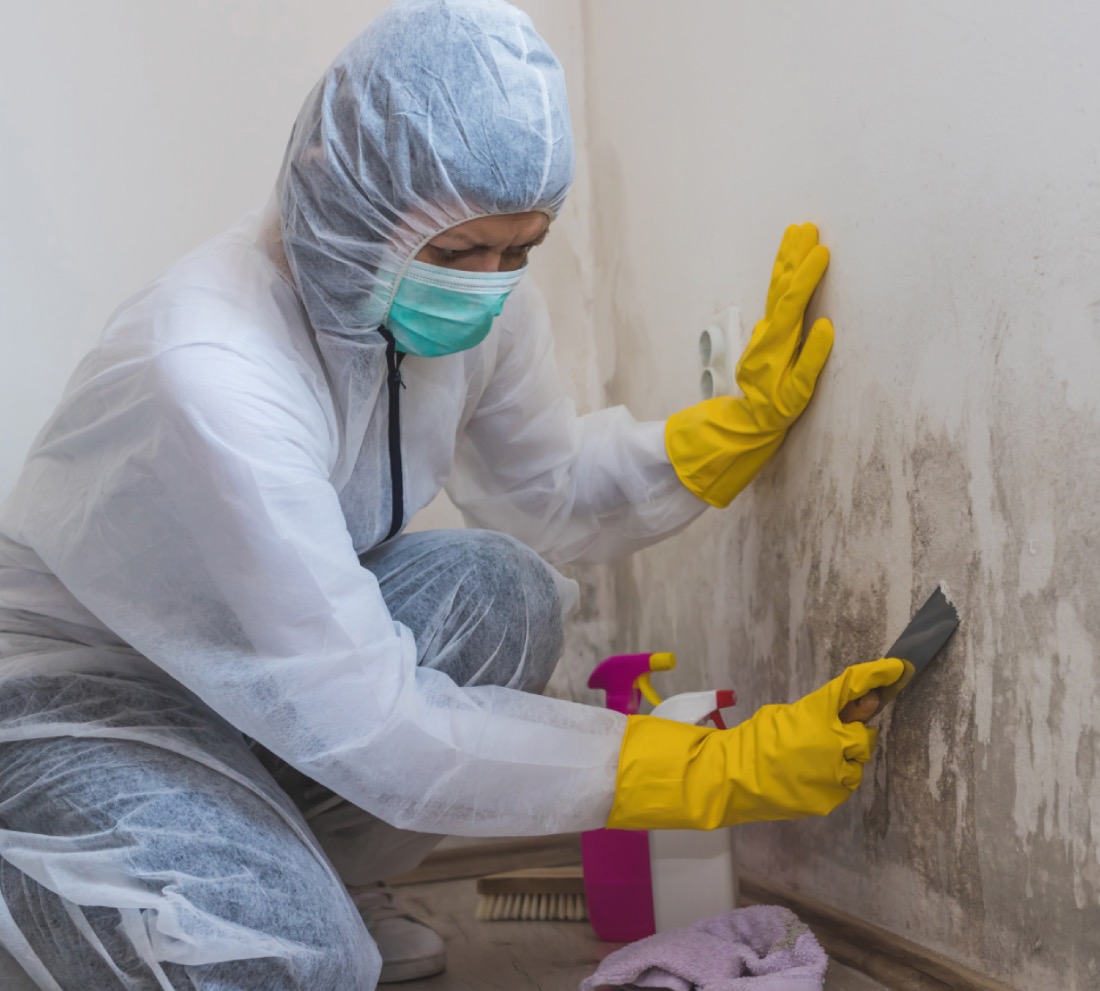
Professional mold elimination addresses problems that bleach cannot solve:
Complete material removal, eliminating all contaminated drywall, insulation, and structural components, preventing mycelium regrowth.
Moisture source elimination addresses the underlying causes preventing recurrence through proper drainage and ventilation.
Structural decontamination treats remaining surfaces, preventing new contamination establishment.
HVAC system inspection to ensure contamination did not spread through ductwork.
Air quality restoration through complete ventilation and filtration systems.
Verification testing confirming remediation success before occupancy restoration.
Frequently Asked Questions About Bleach on Mold
Can I use diluted bleach on mold instead of full-strength bleach?
No. Diluted bleach on mold maintains the same problems as full-strength bleach, including ineffective penetration, water introduction, and health hazards. Dilution does not improve outcomes.
What household products should I never use on mold?
Never use bleach, ammonia, vinegar, baking soda, or other household products on mold. These approaches fail to address contamination while creating additional problems. Professional treatment proves essential.
How long does bleach on mold take to work?
Bleach on mold appears effective, immediately killing surface organisms. However, regrowth typically begins within days as underground mycelium networks regenerate. Short-term appearance of success disguises treatment failure.
What should I do if I have already used bleach on mold?
Contact professional remediation services immediately. Bleach application complicates restoration through moisture introduction. Professional assessment determines the extent of damage and appropriate remediation.
Is chemical bleach treatment on mold safer than other chemicals?
No. Bleaching on mold produces the same health hazards as other chemical approaches while proving equally ineffective. Professional biological approaches prove safer and more effective.
Professional Mold Remediation Services
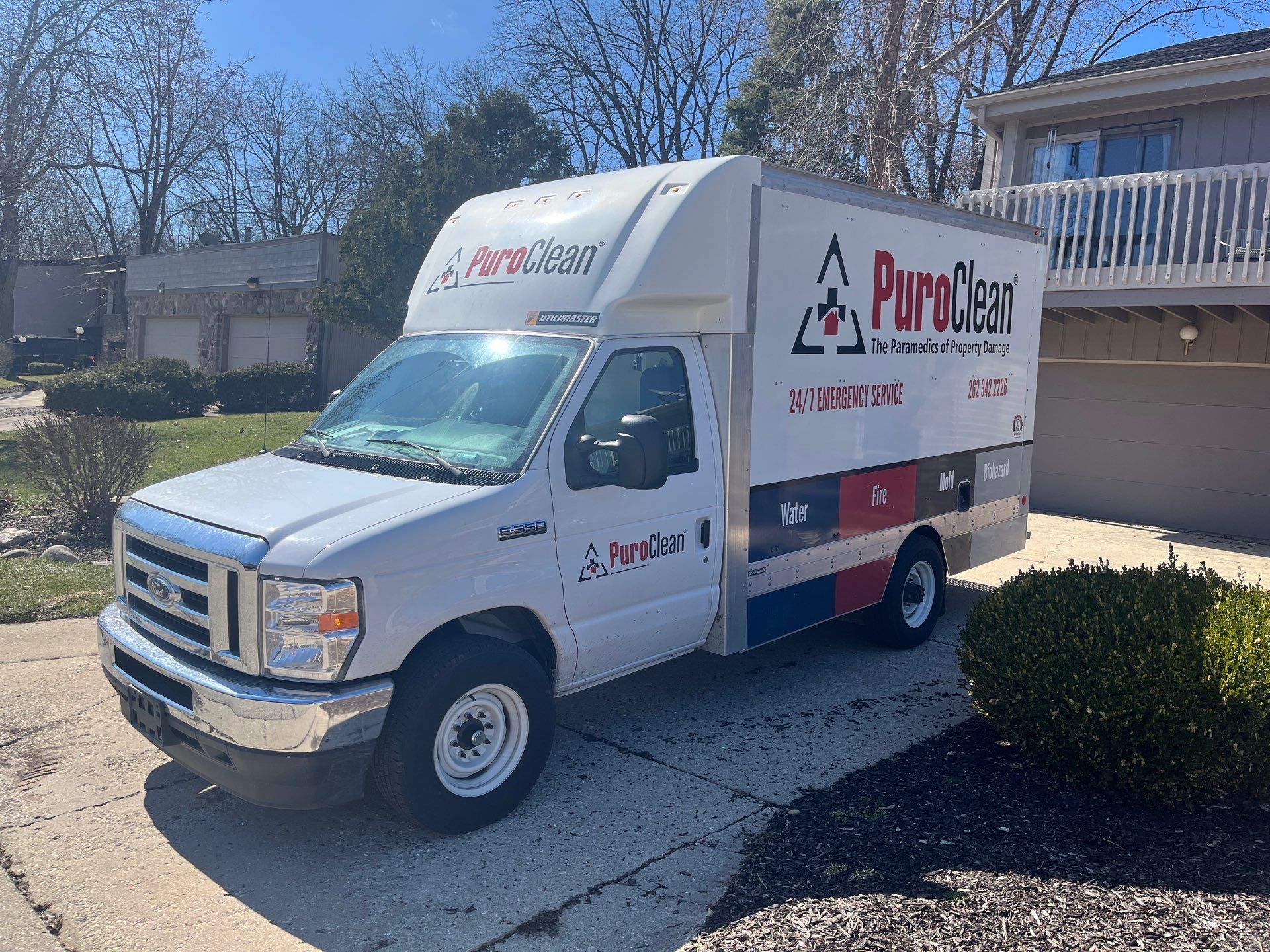
When mold threatens your property, professional specialists provide effective elimination.
PuroClean of Burlington services include the following:
✓ Professional Assessment identifying contamination extent
✓ Safe Complete Removal, eliminating all affected materials
✓ Moisture source elimination, preventing recurrence
✓ Structural decontamination ensuring complete safety
✓ Air quality restoration through ventilation solutions
✓ Verification testing confirming remediation success
Serving Wisconsin and Illinois:
Wisconsin: Kenosha County, Racine County, Walworth County, Milwaukee County, Waukesha County, Ozaukee County, Washington County, Rock County, Dane County, Jefferson County
Illinois: Lake County, McHenry County, Boone County, Winnebago County
Related Services:
Mold Removal Services
Water Damage Restoration
Air Quality Testing
Found Mold? Don’t use bleach. Get Professional Help Now
☎️ CALL: (262) 342-2226
Safe Effective Mold Removal | Expert Solutions | Complete Remediation
24/7 Professional Services Throughout Wisconsin & Illinois
Summary: Never Use Bleach on Mold
Chemical bleach treatment on mold creates five dangerous failures: it kills only surface growth while underground networks regrow; adds water, promoting mold proliferation; produces toxic fumes, causing health hazards; accelerates structural damage through moisture; and misses hidden contamination spreading invisibly.
Professional mold remediation addresses root causes through complete material removal, moisture elimination, structural decontamination, and verification testing. Never attempt bleach mold treatment, risking health and property.
When mold threatens your Wisconsin or Illinois property, call PuroClean of Burlington at (262) 342-2226 for professional remediation, ensuring complete safe elimination throughout all service areas.
PuroClean of Burlington 📞 Call Now: (262) 342-2226 🕒 Available 24/7—because disasters don’t wait.
🔗 Quick Links: Instagram | Google Reviews & Directions | Facebook | Pinterest