


Wisconsin Summer Humidity and Mold Growth
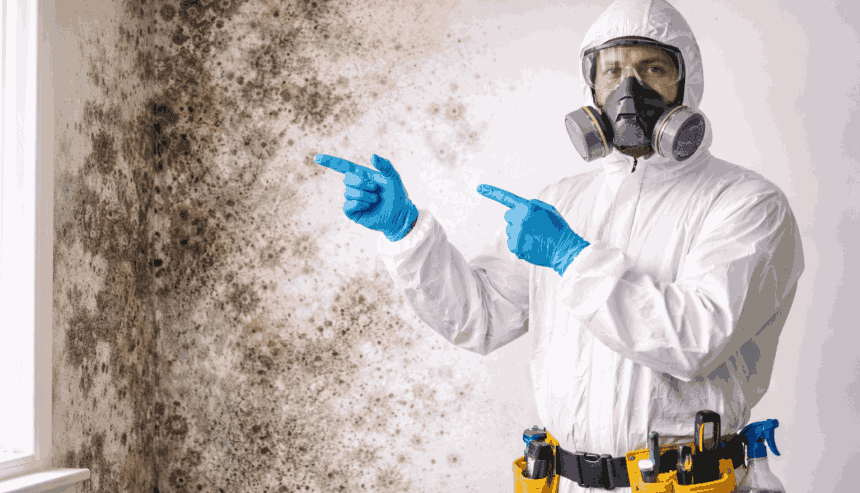
Humidity and mold growth connect directly when Wisconsin summer humidity rises above 60%, creating ideal conditions for colonization within 24-48 hours on organic materials including drywall, wood, carpet, and insulation, with six critical factors amplifying humidity and mold growth risks: Lake Michigan proximity increasing moisture, air conditioning condensation accumulation, poor ventilation trapping humidity, foundation moisture from groundwater and hydrostatic pressure, crawl space saturation from inadequate drainage, and summer temperature-humidity combinations, making Wisconsin summers particularly dangerous for mold establishment requiring professional humidity control, dehumidification systems, and preventive moisture management protecting homes throughout Wisconsin and Illinois communities.
You step into your Wisconsin basement on a warm summer afternoon.
The air feels thick and clammy. Everything seems damp despite no visible water. That musty smell grows stronger each day.
Your air conditioner runs constantly. Windows fog with condensation. Clothes smell moldy even in closets.
This humidity and mold growth scenario plays out repeatedly throughout Wisconsin during the summer months when climate conditions create perfect contamination environments. Understanding the connection between summer humidity and mold growth enables appropriate prevention, protecting your property from health hazards and expensive remediation.
For professional humidity control and mold prevention services serving all southeastern Wisconsin, including Kenosha County, Racine County, Walworth County, Milwaukee County, Waukesha County, and northern Illinois, including Lake County, call PuroClean of Burlington at (262) 342-2226 for expert assessment and comprehensive solutions.
I have addressed countless humidity and mold growth problems throughout Burlington, Lake Geneva, Kenosha, Racine, Milwaukee, Antioch, Gurnee, and surrounding communities. The seasonal nature of summer humidity and mold growth creates patterns where families unknowingly support perfect mold colonization conditions during Wisconsin’s warmest months.
This comprehensive guide reveals how humidity and mold growth interconnect during Wisconsin summers, why certain conditions trigger colonization, and how professional solutions prevent health hazards and structural damage from unchecked mold establishment.
Because understanding humidity and mold growth dynamics motivates appropriate prevention action, protecting Wisconsin homes from summer contamination before expensive remediation becomes necessary.
Condition 1: Lake Michigan Proximity Amplifies Summer Humidity
How does Lake Michigan increase humidity and mold growth?
Answer: Lake Michigan proximity amplifies summer humidity and mold growth by moderating Wisconsin temperatures, preventing rapid humidity decrease; adding moisture through evaporation and lake-effect weather patterns; increasing condensation through temperature differentials between water and air, and creating humidity levels often exceeding 70% in coastal communities like Milwaukee, Kenosha, and Racine, making humidity and mold growth especially problematic in lake-adjacent properties requiring aggressive moisture control preventing colonization during summer months.
Proximity to large water bodies dramatically affects humidity and mold growth patterns.
Lake effect on summer humidity:
Large water bodies like Lake Michigan absorb solar heat more slowly than land. This creates temperature differentials where cooler lake air meets warmer land air, producing moisture-rich conditions and increasing atmospheric humidity.
According to the Environmental Protection Agency, elevated humidity exceeding 60% creates ideal conditions for humidity and mold growth. Lake Michigan communities frequently experience summer humidity levels of 70-85%, creating dangerous colonization conditions.
Evaporative moisture contribution:
Lake surfaces constantly evaporate water into the air. During summer, when the water is warmest, evaporation rates increase substantially. This adds moisture to already humid air, amplifying humidity and mold growth risks.
Properties throughout Pleasant Prairie, Kenosha, Racine, or Milwaukee County within 10-20 miles of Lake Michigan experience noticeably higher summer humidity than inland properties experiencing the same temperatures.
Weather pattern influences:
Lake Michigan weather systems create persistent humid conditions lasting days or weeks. Summer storms interact with lake moisture, creating extreme humidity periods where humidity and mold growth accelerate rapidly.
Weather patterns favor moisture retention rather than the rapid humidity decrease that occurs inland, where dry air prevails.
Condensation cycle amplification:
Air conditioning systems remove moisture from indoor air. However, humidity rapidly returns when outdoor humid air infiltrates through door openings, HVAC system returns, or building envelope gaps.
This continuous reintroduction of outdoor humidity creates conditions where humidity and mold growth persist regardless of dehumidification efforts without source control.
Property type vulnerabilities:
Lakefront properties experience humidity and mold growth especially intensely. Waterfront homes with large windows, sliding doors, and outdoor living spaces struggle to maintain indoor humidity control during humid summers.
Humidity and mold growth prevention require aggressive dehumidification and moisture barrier approaches in Lake Michigan proximity communities.
Seasonal timing intensity:
Lake Michigan humidity and mold growth risks peak from July through September, when the water is warmest. This timing coincides with vacation season, when properties may be vacated, reducing active humidity management attention.
Humidity and mold growth during unoccupied periods can establish serious colonies before discovery, necessitating professional remediation.
Lake Michigan’s proximity creates persistent humidity and mold growth challenges throughout Wisconsin coastal communities, requiring specialized moisture control and understanding regional climate factors unique to lakeside properties.
Condition 2: Air Conditioning Condensation Accumulation Supports Humidity and Mold Growth
Does air conditioning create humidity and mold growth problems?
Answer: Air conditioning systems remove indoor humidity through condensation on cold evaporator coils, with condensate requiring proper drainage to prevent accumulation, supporting humidity and mold growth, while failed condensate systems allow water accumulation in basements and crawl spaces, creating ideal colonization conditions, and AC operation with improperly sealed ductwork can introduce outdoor humid air into buildings, perpetuating humidity and mold growth despite dehumidification efforts.
Paradoxically, AC systems both prevent and potentially create humidity and mold growth problems.
Condensate drainage importance:
AC systems produce substantial condensate as moisture condenses on cold coils. A typical residential system removes 5-20 gallons of water daily during summer cooling cycles. This condensate must properly drain, preventing accumulation, supporting humidity, and mold growth.
Clogged condensate drains, disconnected drain lines, or failed condensate pumps allow water accumulation, creating damp environments where humidity and mold growth establish rapidly.
Drain line contamination risks:
Condensate drain lines provide warm, dark conditions perfect for biological growth, including bacteria, algae, and mold. These organisms colonize drain lines, causing blockages that prevent proper drainage.
When drain lines clog, humidity and mold growth risks increase dramatically as accumulated condensate creates moisture supporting contamination throughout AC systems and buildings.
HVAC system mold colonization:
Mold growing in AC ductwork, air handlers, or cooling coils distributes spores throughout buildings with every AC cycle. This creates humidity and mold growth, affecting all building spaces simultaneously.
Properties throughout Waukesha, Brookfield, or Milwaukee County with HVAC mold experience humidity and mold growth affecting entire homes, not just isolated areas.
Moisture reintroduction through leaky systems:
Air conditioning systems with ductwork gaps, disconnected joints, or deteriorated seals allow humid outdoor air to infiltrate. This reintroduction of outdoor humidity undermines indoor dehumidification efforts, perpetuating humidity and mold growth.
Professional HVAC maintenance, identifying and sealing leaks, proves essential for preventing humidity and mold growth from uncontrolled outdoor air infiltration.
Thermostat settings affecting humidity:
AC thermostat settings significantly influence humidity control. Set too high, humidity accumulates, allowing for mold growth. Set too low, energy costs become excessive.
Professional humidity assessment determines optimal thermostat settings, preventing humidity and mold growth while maintaining reasonable energy efficiency.
Dehumidifier versus AC coordination:
Standalone dehumidifiers combined with air conditioning provide superior humidity control, preventing humidity and mold growth compared to AC systems alone. Dehumidifiers address the humidity that AC systems struggle to manage in extremely humid conditions.
Coordinated HVAC and dehumidification systems maintain humidity below 50-60% thresholds, preventing humidity and mold growth throughout Wisconsin summers.
AC system condensate management and HVAC moisture control prove essential in preventing humidity and mold growth despite air conditioning operation, removing substantial moisture from buildings.
Condition 3: Poor Ventilation Traps Humidity Supporting Mold Growth
How does inadequate ventilation contribute to humidity and mold growth?
Answer: Inadequate ventilation prevents moisture-laden air from being exchanged with drier outdoor air, creating stagnant indoor environments where humidity levels rise progressively, supporting humidity and mold growth, with bathroom and kitchen moisture having nowhere to escape, laundry producing substantial water vapor, and human occupancy creating humidity that accumulates unchecked, creating conditions where humidity and mold growth establish within days without proper air exchange systems.
Ventilation deficiency directly enables humidity and mold growth.
Moisture source accumulation:
Bathrooms, kitchens, and laundry areas produce substantial moisture through shower steam, cooking moisture, and clothes drying. Without proper ventilation, this moisture accumulates indoors, increasing humidity levels and enabling humidity and mold growth.
Properties throughout Lake Geneva, Elkhorn, or Walworth County with inadequate bathroom ventilation often develop mold in bathrooms where humidity and mold growth accelerate rapidly.
Exhaust fan effectiveness requirements:
Bathroom exhaust fans prove essential for humidity and mold growth prevention, but only if properly sized, installed, and actually used. Many homeowners fail to run exhaust fans, allowing humidity and mold growth.
Additionally, exhaust fans venting into attics rather than outdoors simply relocate humidity and mold growth problems from bathrooms to attics, where serious structural damage occurs undetected.
Kitchen ventilation challenges:
Cooking produces substantial moisture and heat. Range hoods must properly vent outdoors, preventing humidity and mold growth. Recirculating hoods without outdoor venting simply recirculate moisture, perpetuating humidity and mold growth conditions.
Modern open-concept kitchens prove particularly problematic for humidity and mold growth because cooking moisture disperses throughout entire homes uncontrolled by localized ventilation.
Stale indoor air and humidity:
Tightly sealed modern homes designed for energy efficiency sometimes trap indoor air, preventing natural ventilation. This deliberate air sealing can create conditions where humidity and mold growth flourish unchecked without mechanical ventilation maintaining humidity control.
Energy-efficient homes require mechanical ventilation systems, preventing humidity and mold growth from trapped air and accumulated moisture.
Humidity stratification patterns:
Without ventilation, humidity concentrates in upper levels, where warm, moist air accumulates. Attics and upper floors experience progressively higher humidity levels, supporting humidity and mold growth in these areas, while lower levels remain relatively drier.
This uneven humidity distribution creates localized humidity and mold growth hotspots requiring targeted moisture management.
Seasonal ventilation strategy:
Summer ventilation opportunities through open windows prove valuable when outdoor humidity remains lower than indoor conditions. However, many summer days have outdoor humidity as high as indoor conditions, eliminating the ventilation benefit.
Professional humidity assessment determines optimal ventilation strategies, balancing energy efficiency with humidity and mold growth prevention.
Inadequate ventilation prevents moisture removal, creating stagnant indoor environments where humidity and mold growth establish progressively throughout the summer months, requiring professional humidity control solutions.
Condition 4: Foundation Moisture and Hydrostatic Pressure Enable Humidity and Mold Growth
How do foundations contribute to humidity and mold growth?
Answer: Foundation cracks, poor grading, and hydrostatic pressure from groundwater allow moisture intrusion into basements and crawl spaces, elevating indoor humidity levels, enabling humidity and mold growth throughout buildings, with Wisconsin’s clay soil retaining moisture and high water tables creating persistent hydrostatic pressure that systematically drives groundwater into foundations, supporting persistent humidity and mold growth conditions impossible to resolve without addressing moisture sources through professional waterproofing.
Foundation moisture directly drives humidity and mold growth throughout buildings.
Hydrostatic pressure mechanism:
Saturated soil around foundations exerts pressure, pushing water through porous concrete into basements and crawl spaces. This hydrostatic pressure operates continuously during wet periods, creating persistent humidity and mold growth conditions.
Wisconsin’s clay soil and spring flooding create extended periods of saturated soil conditions where hydrostatic pressure forces moisture into properties, supporting humidity and mold growth.
Capillary moisture rise:
Water migrates upward through porous materials through capillary action, independent of gravity. Foundation walls absorb groundwater moisture, spreading upward into walls, insulation, and structural materials, creating conditions supporting humidity and mold growth throughout basements.
This capillary moisture rise continues long after water sources recede, maintaining humidity and mold growth conditions.
Wisconsin clay soil challenges:
Wisconsin’s glacial clay soil retains moisture far longer than sandy soil. This extended moisture persistence creates prolonged humidity and mold growth conditions in spring and early summer when soil remains saturated.
Properties throughout Darien, East Troy, or surrounding Walworth County with clay soil experience persistent humidity and mold growth from soil moisture retained for months after precipitation.
Sump pump system failures:
Sump pump failures during peak water production seasons allow basement flooding, creating severe humidity and mold growth conditions. Non-functional sump pumps or insufficient capacity allows accumulation, supporting catastrophic humidity and mold growth.
Regular sump pump maintenance, preventing failure, proves essential for humidity and mold growth prevention in basements requiring water removal.
Window well drainage deficiency:
Basement window wells concentrate rainwater, creating localized moisture zones where humidity and mold growth establish. Poor window well drainage allows water to pool directly against windows, penetrating into basements.
Professional window well maintenance, preventing water accumulation, protects against localized humidity and mold growth in areas adjacent to windows.
Perimeter drain functionality:
Foundation perimeter drains directing groundwater away from basements prevent hydrostatic pressure accumulation. When drain systems fail or become clogged, humidity and mold growth conditions develop despite otherwise adequate construction.
Professional drain system evaluation, ensuring functionality, proves essential for humidity and mold growth prevention measures.
Foundation moisture management through proper waterproofing, drainage maintenance, and grading correction proves essential in preventing humidity and mold growth driven by hydrostatic pressure throughout Wisconsin basements.
Condition 5: Crawl Space Saturation Creates Humidity and Mold Growth Throughout Buildings
How does crawl space humidity affect entire homes?
Answer: Crawl space moisture increases indoor humidity throughout buildings through the stack effect, where warm, humid crawl space air rises into living spaces, with HVAC systems pulling air from crawl spaces, distributing moisture throughout homes, creating humidity and mold growth, and affecting entire properties despite living space dehumidification efforts, making crawl space moisture control essential for preventing humidity and mold growth throughout building structures.
Crawl space conditions directly influence whole-home humidity and mold growth.
Stack effect moisture distribution:
Warm, humid air in crawl spaces naturally rises into living spaces above through floor gaps, pipe penetrations, and other building gaps. This stack effect creates continuous humidity and mold growth risk, affecting upper floors despite crawl space isolation efforts.
Properties throughout Somers, Twin Lakes, or Kenosha County cannot achieve adequate humidity and mold growth prevention without addressing crawl space moisture sources.
HVAC system air return from crawl spaces:
Many forced air heating and cooling systems pull air from crawl spaces for recirculation. This intentionally distributes crawl space humidity throughout buildings, creating humidity and mold growth affecting entire homes.
A professional HVAC assessment determining air return sources proves essential in identifying whether crawl space humidity and mold growth sources affect home humidity through mechanical distribution.
Inadequate crawl space encapsulation:
Crawl spaces without proper vapor barriers allow ground moisture to freely enter spaces. Even without standing water, soil moisture evaporation creates sustained humidity and mold growth conditions.
Professional crawl space encapsulation with sealed vapor barriers prevents ground moisture from supporting humidity and mold growth.
Dehumidification system inadequacy:
Standalone dehumidifiers in crawl spaces prove insufficient for addressing moisture when no vapor barriers exist. Continuous soil moisture evaporation overwhelming dehumidifier capacity prevents humidity and mold growth.
Professional crawl space solutions combining encapsulation and dehumidification properly address humidity and mold growth sources.
Pest attraction through humidity:
Humid crawl spaces attract termites, carpenter ants, and rodents seeking moisture. These pests compound humidity and mold growth problems through structural damage and biological contamination.
Humidity and mold growth prevention through crawl space moisture management prevents pest attraction alongside contamination control.
Crawl space humidity directly influences whole-home humidity and mold growth, making crawl space moisture management essential for complete humidity and mold growth prevention throughout Wisconsin homes.
Condition 6: Summer Temperature-Humidity Combinations Create Perfect Mold Growth Conditions
Why do Wisconsin summers create ideal humidity and mold growth conditions?
Answer: Wisconsin summer conditions combine warm temperatures (70-85°F) with high humidity (60-85%), creating perfectly balanced conditions for humidity and mold growth colonization within 24-48 hours on organic materials, with temperature ranges supporting maximum mold metabolic activity while humidity provides moisture for growth, and extended summer duration allowing prolonged colonization periods before autumn temperature drops, slowing mold growth rates, making Wisconsin summers critical humidity and mold growth risk periods requiring aggressive prevention.
Temperature-humidity combinations directly determine humidity and mold growth rates.
Optimal mold growth temperature range:
Mold grows most actively when temperatures remain between 70 and 90°F. Wisconsin summer temperatures frequently fall into this optimal range. Combined with humidity exceeding 60%, conditions become ideal for humidity and mold growth.
Spring and autumn, with cooler temperatures, slow humidity, and mold growth despite high humidity. Summer’s heat accelerates growth rates, making warm, humid seasons most dangerous for contamination establishment.
Humidity-temperature saturation relationship:
Air’s moisture capacity increases with temperature. Warm summer air can contain more moisture than cool air, creating persistent humidity and mold growth despite occupant efforts to reduce humidity levels. Cooling air reintroduces moisture, creating condensation, supporting humidity, and mold growth.
This thermodynamic reality means humidity and mold growth prevention prove most challenging during the warmest summer months when moisture capacity peaks.
Extended summer duration:
Wisconsin summers, lasting 3-4 months, provide extended periods supporting humidity and mold growth. Unlike shorter climate seasons, Wisconsin’s duration allows mold to establish substantial colonies and spread extensively throughout properties.
Humidity and mold growth discovered in autumn often represent weeks or months of undiscovered growth established during summer months.
Outdoor-indoor humidity equilibrium:
When outdoor and indoor humidity levels match, infiltration of outdoor air through door openings, windows, and building gaps adds moisture, supporting indoor humidity and mold growth. Summer humid periods create persistent outdoor-indoor humidity with little ventilation benefit.
Professional humidity control proves necessary when outdoor conditions prevent natural ventilation from reducing indoor humidity and mold growth.
Moisture production amplification:
Summer activities increase moisture production through increased bathing, laundry, cooking, and human occupancy. This amplified moisture production, coinciding with peak outdoor humidity, creates humidity and mold growth conditions impossible to manage without mechanical dehumidification.
Household dehumidifiers prove insufficient in addressing amplified summer moisture production, supporting humidity and mold growth.
Nocturnal condensation cycles:
Summer nights cool dramatically despite daytime warmth. This nightly temperature drop creates condensation on cold surfaces, supporting humidity and mold growth. Morning sunshine warms surfaces, eliminating condensation, but the daily cycle perpetually rewets materials.
Extended nightly condensation cycles throughout summer amplify humidity and mold growth compared to seasons with smaller daily temperature swings.
Wisconsin summer temperature-humidity combinations creating optimal humidity and mold growth conditions represent critical seasonal risk periods requiring aggressive prevention through professional moisture management.
Humidity Thresholds Triggering Humidity and Mold Growth
At what humidity levels does mold begin growing?
Answer: Mold begins growing when humidity exceeds 60% for extended periods, with growth accelerating dramatically above 70% and becoming aggressive above 80%, making maintaining indoor humidity below 50% ideal for humidity and mold growth prevention, though Wisconsin summer conditions frequently exceed these thresholds, requiring professional dehumidification to prevent humidity and mold growth establishment despite continuous outdoor humidity challenges.
Specific humidity thresholds determine humidity and mold growth risk.
60% threshold significance:
Humidity and mold growth begin to colonize on organic materials when humidity exceeds 60% for extended periods. While growth remains slow at 60%, this threshold represents the beginning of the risk zone requiring attention.
Properties maintaining humidity below 60% through dehumidification prevent humidity and mold growth, despite warm summer temperatures supporting growth metabolism.
70% critical danger zone:
Humidity and mold growth accelerate substantially when humidity reaches 70%. Growth metabolism increases exponentially within this humidity range, creating rapid colonization.
Wisconsin summer conditions frequently exceed 70% humidity, making this zone critical for humidity and mold growth prevention, requiring aggressive dehumidification.
80% catastrophic growth:
Above 80% humidity, humidity and mold growth become aggressive with colonization visible developing within days on unprotected materials. These extreme humidity conditions represent an emergency-level mold growth risk requiring immediate intervention.
Basements and crawl spaces often experience 80%+ humidity during humid periods, supporting catastrophic humidity and mold growth.
50% ideal prevention target:
Maintaining humidity below 50% represents an ideal threshold, preventing humidity and mold growth while maintaining comfortable living conditions. Professional dehumidification systems maintain this target, preventing colonization.
This 50% target requires continuous dehumidification during Wisconsin’s humid seasons, making mechanical moisture removal essential.
Transient humidity peaks:
Brief humidity spikes above safe thresholds pose limited humidity and mold growth risk if moisture quickly returns to safe levels. However, sustained elevated humidity for hours or days enables colonization despite temporary relief.
Professional humidity management maintains consistent conditions, preventing sustained elevation and enabling humidity and mold growth.
Material-specific thresholds:
Different materials develop humidity and mold growth at different humidity levels. Wood remains vulnerable above 20% moisture content. Drywall supports growth at lower moisture levels than solid wood.
Understanding material-specific humidity and mold growth thresholds guides targeted prevention, protecting the most vulnerable materials.
Maintaining humidity below established thresholds prevents humidity and mold growth colonization on materials. Wisconsin summer conditions frequently exceed safe thresholds, requiring professional dehumidification to achieve prevention levels that household dehumidifiers cannot sustain.
Frequently Asked Questions: Humidity and Mold Growth
How do I know if humidity levels support humidity and mold growth?
Purchase humidity monitors measuring relative humidity percentage. Readings above 60% indicate elevated humidity and mold growth risk. Above 70% indicates significant danger. Above 80% represents emergency levels. Monitor humidity in basements, bathrooms, and crawl spaces where humidity and mold growth risk prove greatest. Professional humidity assessment provides a comprehensive property evaluation identifying areas supporting humidity and mold growth, enabling targeted prevention.
Can I use household dehumidifiers to prevent humidity and mold growth?
Household dehumidifiers help reduce humidity, but rarely achieve complete humidity and mold growth prevention during intense summer humidity. These units remove 30-50 gallons daily, while Wisconsin summer conditions may produce 100+ gallons, requiring professional equipment removing 200-300 gallons daily. Household dehumidifiers prove useful in supplementing professional systems but are inadequate alone in preventing humidity and mold growth during peak summer conditions.
What prevents humidity and mold growth during Wisconsin summers?
Prevent humidity and mold growth through mechanical dehumidification, maintaining humidity below 50%, proper ventilation, exchanging indoor air with outdoor air, effective basement waterproofing, preventing foundation moisture, crawl space encapsulation, preventing ground moisture, HVAC system maintenance, ensuring proper condensate drainage, and moisture barrier installation on vulnerable materials. Comprehensive approaches combining multiple strategies prove most effective in preventing humidity and mold growth throughout the summer months.
Does air conditioning prevent humidity and mold growth?
Air conditioning removes some moisture through condensation, but rarely maintains humidity levels, preventing humidity and mold growth during intense summer humidity. AC systems alone prove insufficient in achieving complete humidity and mold growth prevention, requiring supplemental dehumidification to achieve target humidity levels below 50%.
Should I open windows to prevent humidity and mold growth?
Opening windows helps prevent humidity and mold growth only when outdoor humidity remains lower than indoor conditions. Wisconsin summer outdoor humidity frequently equals or exceeds indoor levels, eliminating ventilation benefits. During humid periods, window opening increases indoor humidity and mold growth risk. Professional humidity assessment determines optimal window operation timing, preventing humidity and mold growth.
What areas develop humidity and mold growth first?
Bathrooms, basements, crawl spaces, and attics develop humidity and mold growth first due to moisture accumulation and poor ventilation. These vulnerable areas require particular attention, preventing humidity and mold growth before contamination spreads throughout properties. Professional assessment identifies high-risk areas, guiding prevention prioritization.
Can humidity and mold growth develop during unoccupied summers?
Yes, vacancy during summer allows humid outdoor air to infiltrate unoccupied properties, supporting humidity and mold growth unchecked. Air conditioning systems may not operate to maintain cooler temperatures, HVAC humidity control ceases, and occupant activities producing moisture stop. These conditions allow humidity and mold growth to establish extensively before autumn discovery. Professional humidity monitoring and dehumidification during vacant periods prevent humidity and mold growth.
How do humidity and mold growth affect property value?
Humidity and mold growth significantly reduce property values through health concerns, visible damage, and remediation requirements. Even after professional remediation, disclosure requirements, and inspection findings, the marketability is reduced. Prevention through humidity and mold growth management protects property investment and resale values.
Professional Humidity and Mold Growth Prevention Services
When humidity and mold growth threaten Wisconsin properties, professional prevention and remediation services protect health and property values.
PuroClean of Burlington provides comprehensive humidity and mold growth services, including:
✓ Professional Humidity Assessment identifying humidity and mold growth risk areas ✓ Commercial dehumidification, maintaining humidity below safe thresholds ✓ HVAC System Optimization ensuring proper condensate drainage ✓ Crawl space encapsulation prevents ground moisture from supporting humidity and mold growth. ✓ Foundation waterproofing, eliminating hydrostatic pressure moisture sources ✓ Mold Prevention Protocols stopping humidity and mold growth colonization ✓ Professional Remediation removing established humidity and mold growth ✓ Ongoing Monitoring ensuring sustained humidity and mold growth prevention
Serving all southeastern Wisconsin and northern Illinois:
Wisconsin service areas include Kenosha County, Racine County, Walworth County, Milwaukee County, Waukesha County, Ozaukee County, Washington County, Rock County, Dane County, and Jefferson County.
Illinois service areas include Lake County, McHenry County, Boone County, and Winnebago County.
Why choose PuroClean for humidity and mold growth prevention:
💧 Comprehensive Solutions addressing all humidity and mold growth sources 💧 Professional Equipment superior to household approaches 💧 Local Climate Expertise: understanding Wisconsin humidity and mold growth patterns 💧 Preventive Approach: stopping humidity and mold growth before establishment 💧 Insurance Coordination supporting humidity and mold growth damage claims
High Summer Humidity Threatens Humidity and Mold Growth in Your Home.
Get Professional Prevention Today
☎️ CALL: (262) 342-2226
Professional Humidity Control | Mold Prevention | Complete Solutions
Serving All Southeastern Wisconsin & Northern Illinois
Summary: Wisconsin Summer Humidity and Mold Growth
Humidity and mold growth connect directly through six critical summer conditions: Lake Michigan proximity increasing atmospheric moisture, air conditioning condensation accumulation, poor ventilation trapping humidity, foundation hydrostatic pressure forcing groundwater into buildings, crawl space saturation distributing moisture throughout homes, and summer temperature-humidity combinations creating perfect colonization conditions.
Wisconsin summer humidity frequently exceeds 60-70% thresholds, triggering humidity and mold growth colonization within 24-48 hours on organic materials. An extended summer duration allows extensive colonies to establish before autumn discovery.
Professional humidity and mold growth prevention through mechanical dehumidification, waterproofing, ventilation management, and comprehensive moisture control maintains safe conditions, preventing health hazards and structural damage. Household approaches prove insufficient in addressing Wisconsin’s intense summer humidity and mold growth challenges.
When humidity and mold growth threaten your Wisconsin property, call PuroClean of Burlington at (262) 342-2226 for professional prevention and remediation, protecting health and property values throughout southeastern Wisconsin and northern Illinois communities.
PuroClean of Burlington 📞 Call Now: (262) 342-2226 🕒 Available 24/7—Because disasters don’t wait.
🔗 Quick Links: Instagram | Google Reviews & Directions | Facebook | Pinterest