


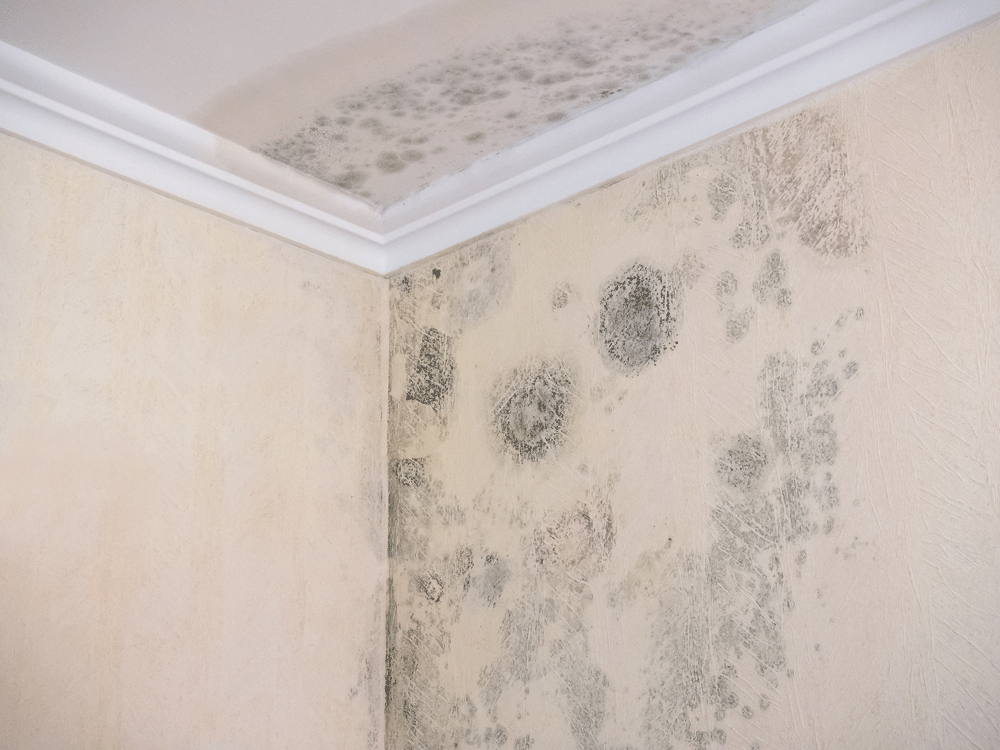
Emergency Mold Cleanup in Kenosha
Emergency mold cleanup in Kenosha requires immediate action within 24-48 hours of water damage through five critical steps: (1) safety assessment evaluating contamination extent and health risks before entering affected areas, (2) damage documentation photographing mold growth and water damage for insurance while identifying contamination severity, (3) moisture source elimination stopping active leaks or water intrusion preventing additional mold growth, (4) professional contact calling certified mold remediation at (262) 342-2226 for proper containment and removal, and (5) temporary protection isolating affected areas and protecting uncontaminated belongings until professionals arrive, with Kenosha’s Lake Michigan proximity creating high humidity accelerating mold growth making rapid professional response essential for health protection and property preservation.
You just discovered mold in your Kenosha home. Maybe after the recent water damage. Maybe in your basement after heavy rain. Maybe you just noticed that musty smell that would not go away.
Now what? Every hour counts when mold appears. Emergency mold cleanup in Kenosha requires immediate professional response. Call PuroClean of Burlington at (262) 342-2226 for 24/7 emergency mold services serving Kenosha and all of southeastern Wisconsin.
I have responded to countless mold emergencies throughout Kenosha. I have seen what happens when homeowners wait too long or attempt inadequate DIY cleanup. I have also witnessed successful outcomes when a proper emergency response begins immediately.
This comprehensive guide reveals five critical steps for emergency mold cleanup in Kenosha, why rapid professional response proves essential, and how Kenosha’s specific conditions accelerate mold growth, requiring faster action than many other areas. Because understanding emergency mold response can mean the difference between minor cleanup and major remediation costing thousands, while threatening your family’s health.
Step 1: Immediate Safety Assessment and Containment
What should you do first when discovering mold in Kenosha?
Answer: Upon discovering mold cleanup in Kenosha situations, immediately assess safety by identifying mold extent (areas exceeding 10 square feet require professional response per EPA guidelines), checking for water damage or active moisture, noting musty odors or visible growth patterns, and keeping children, elderly, and immunocompromised individuals away from affected areas, while avoiding disturbing mold which releases spores creating health hazards and contamination spread.
Your priority is safety, not cleaning.
Assessing mold extent:
Look carefully at all visible mold growth. Measure affected areas. According to the EnvironmentalProtection Agency, mold covering more than 10 square feet (roughly 3×3 feet) requires professional remediation rather than DIY cleanup.
Small isolated patches from minor condensation might respond to homeowner treatment. However, mold from water damage, sewage backups, or flooding always needs professional mold cleanup in Kenosha, regardless of visible size, because hidden growth likely exceeds what you can see.
Identifying health risks:
Different mold types create different health concerns. Black or greenish-black mold suggests Stachybotrys (toxic mold) requiring immediate professional intervention. Any mold causing respiratory symptoms, allergic reactions, or other health effects warrants professional assessment.
Kenosha’s aging housing stock often contains materials like old drywall and insulation that amplify mold growth and health risks when water damage occurs.
Creating temporary containment:
If professionals cannot arrive immediately, create basic containment. Close doors to affected rooms. Turn off HVAC systems serving contaminated areas, preventing spore spread. Place plastic sheeting over doorways if possible. Do not run fans that spread spores.
What NOT to do:
Never scrub or disturb visible mold. This releases massive spore quantities, spreading contamination. Do not use bleach on porous materials like drywall or wood, as it does not kill mold roots. Avoid cleaning extensive mold yourself, risking exposure and inadequate removal.
Protecting vulnerable individuals:
Children, the elderly, pregnant women, and anyone with asthma, allergies, or compromised immunity should leave areas with visible mold immediately. These populations face severe health risks from mold exposure, requiring professional mold cleanup in Kenosha to protect their well-being.
Proper initial assessment sets the foundation for successful emergency mold response, preventing contamination spread while prioritizing health and safety.
Step 2: Document Damage for Insurance and Assessment
How should you document mold for insurance claims?
Answer: Documenting mold cleanup in Kenosha situations requires photographing all visible mold growth from multiple angles, capturing water damage sources like leaks or flooding, recording dates when mold appeared and when water damage occurred, noting musty odors and health symptoms family members experienced, and preserving evidence of attempts to address moisture problems, with thorough documentation supporting insurance claims and helping professionals plan appropriate remediation approaches. Documentation protects your insurance coverage and guides remediation.
Photographic evidence:
Take clear photos of all mold growth, showing extent and location. Include photos showing the mold relationship to water damage sources. Photograph any visible water stains, dampness, or moisture problems. Date all photos for insurance purposes.
Use a ruler or a common object in photos to provide scale reference. This helps insurance adjusters and remediation professionals assess contamination extent accurately.
Written documentation:
Write detailed descriptions, including when you first noticed mold, what water damage or moisture problems preceded it, what areas are affected, and what symptoms family members experienced. This timeline supports insurance claims and identifies contamination sources.
Document any previous water damage, repairs, or moisture issues in affected areas. This history helps professionals understand why mold developed and how to prevent recurrence.
Moisture readings, if available:
If you have a moisture meter, take readings in affected areas and surrounding locations. Document these readings showing moisture levels. Professionals use this baseline information to plan mold cleanup in Kenosha approaches.
Insurance notification:
Contact your insurance company promptly, reporting mold discovery and water damage. Ask about coverage for mold remediation and water damage restoration. Many policies cover mold resulting from sudden water damage like burst pipes, but exclude mold from long-term maintenance neglect.
Professional documentation from certified remediation companies carries more weight with insurance adjusters than homeowner photos alone. However, your initial documentation establishes the timeline and extent supporting your claim.
Preserving evidence:
Do not throw away damaged materials before insurance inspection unless they create immediate health hazards. Adjusters may need to see the extent. Professional mold cleanup in Kenosha services coordinate with insurance companies, ensuring proper documentation throughout remediation.
Thorough documentation protects your financial interests while providing information professionals need for effective remediation planning.
Step 3: Stop the Moisture Source Immediately
Why is eliminating moisture crucial for mold cleanup?
Answer: Eliminating moisture sources proves critical for mold cleanup in Kenosha because mold requires water to grow, with active leaks or water intrusion continuing to feed existing mold while creating new growth, making source elimination the foundation of successful remediation, though Kenosha’s Lake Michigan humidity (often 70-90% in summer) means additional dehumidification beyond leak repair proves necessary, preventing mold recurrence after professional cleanup.
Mold cannot grow without moisture. Stop water, and you stop growth.
Identifying moisture sources:
Common sources include roof leaks, plumbing failures, foundation cracks, basement seepage, condensation problems, and HVAC issues. Kenosha homes near Lake Michigan face additional moisture from humid air infiltration and condensation. Inspect all areas around mold growth, looking for water entry points. Check for dampness, water stains, or active leaking. Sometimes moisture sources are not obvious, requiring professional detection equipment.
Emergency moisture control:
If you can safely stop water intrusion, do so immediately. Shut off the water to the leaking pipes. Place containers to catch dripping water. Cover roof leaks temporarily with tarps if safely accessible. These emergency measures prevent additional water damage while awaiting professional help.
However, do not attempt repairs beyond your capability or that require entering unsafe areas. Some moisture sources, like foundation breaches or major plumbing failures, require professional correction.
Dehumidification importance:
Even after stopping direct water sources, Kenosha’s humidity keeps materials damp, supporting continued mold growth. Professional mold cleanup in Kenosha includes commercial dehumidification, maintaining humidity below 50% where mold cannot thrive.
Consumer dehumidifiers help but rarely provide adequate capacity for water damage situations. Professional equipment removes 200+ pints daily versus consumer units handling 50-70 pints.
Ventilation considerations:
In dry weather, opening windows increases ventilation, helping moisture evaporate. However, during Kenosha’s humid summer months, outdoor air contains more moisture than indoor air. Opening windows then actually increases indoor humidity, worsening mold conditions.
Professional assessment determines appropriate ventilation strategies based on current humidity levels and weather conditions.
Long-term moisture prevention:
Beyond emergency water shutoff, addressing the underlying causes prevents mold recurrence. This might include foundation waterproofing, improved drainage, HVAC modifications, or vapor barriers. Professional mold cleanup in Kenosha services identify these long-term solutions, protecting your property investment.
Moisture elimination represents the foundation of successful mold remediation, making it impossible for mold to return when combined with proper cleanup.
Step 4: Contact Professional Certified Mold Remediation
When should you call a professional mold cleanup in Kenosha?
Answer: Call professional mold cleanup in Kenosha immediately when mold exceeds 10 square feet, appears after sewage or flooding, involves suspected toxic species, creates health symptoms, or results from water damage, with certified IICRC technicians providing proper containment preventing spread, HEPA filtration capturing spores, complete removal of contaminated materials, antimicrobial treatment, moisture correction, and post-remediation verification testing ensuring safe, healthy environments.
Professional response within 24-48 hours prevents minor mold from becoming major problems.
Why professional services prove essential:
Certified professionals understand mold biology, proper containment, safe removal techniques, and health protection protocols. They have commercial equipment, including HEPA air scrubbers, commercial dehumidifiers, moisture meters, and thermal imaging cameras.
Attempting DIY mold cleanup in Kenosha beyond small isolated patches often spreads contamination throughout properties while leaving mold roots that regrow within weeks. Professional remediation eliminates mold while preventing spread.
IICRC certification matters:
The Institute of Inspection Cleaning and Restoration Certification sets industry standards for mold remediation. IICRC-certified technicians receive proper training in containment, removal, and safety protocols, ensuring quality results.
Ask potential mold cleanup in Kenosha providers about certification, licensing, and insurance. Reputable companies gladly provide credentials protecting homeowners from liability and ensuring proper work quality.
What professionals provide:
Complete mold inspection, finding all growth, including hidden contamination. Proper containment using plastic barriers and negative air pressure prevents spore spread. HEPA filtration captures airborne spores during removal. Complete material removal when necessary. Antimicrobial treatment of remaining surfaces. Structural drying addresses moisture. Post-remediation testing verifying elimination.
24/7 emergency response:
Mold emergencies do not wait for business hours. Water damage, creating mold conditions happens at any time. Professional mold cleanup in Kenosha services provide true 24/7 availability, responding within hours, preventing damage escalation.
Call PuroClean of Burlington at (262) 342-2226 for immediate emergency mold response serving Kenosha and all southeastern Wisconsin with certified technicians, commercial equipment, and proven remediation protocols.
Insurance coordination:
Professional companies work directly with insurance carriers, providing documentation supporting claims. They understand policy language and coverage issues, ensuring homeowners receive appropriate compensation for necessary remediation work.
Professional mold cleanup in Kenosha protects health, prevents contamination spread, ensures complete elimination, and provides warranties backing quality work.
Step 5: Protect Unaffected Areas and Belongings
How do you prevent mold spread during emergency response?
Answer: Preventing mold spread during emergency mold cleanup in Kenosha requires isolating affected areas by closing doors and shutting off HVAC serving contaminated zones, avoiding disturbing visible mold, which releases spores, removing uncontaminated belongings from affected areas to clean locations, using plastic sheeting to create temporary barriers, and maintaining separation until professional containment establishes proper isolation, preventing cross-contamination throughout properties.
Protecting uncontaminated areas prevents small problems from becoming whole-house disasters.
Isolation techniques:
Close all doors to rooms with mold growth. If affected areas connect to other spaces through doorways without doors, hang plastic sheeting to create temporary barriers. Seal gaps around barriers using tape.
Turn off HVAC systems serving contaminated areas. Forced air systems spread mold spores rapidly throughout homes if operating during mold events. Leave systems off until professionals establish proper containment.
Protecting belongings:
Remove uncontaminated items from affected rooms to clean dry locations. Do not remove items showing mold growth or water damage, as this spreads contamination. Leave contaminated items for professional assessment and cleaning.
Wipe down items removed from affected areas using damp cloths before placing them in clean areas. This removes any spores that settled on surfaces, preventing transfer.
Creating negative pressure:
If you have window fans, position them blowing outward in the windows of affected rooms. This creates negative pressure, preventing contaminated air from flowing to other areas. However, only use this technique if the weather permits, and professionals will arrive soon.
Traffic control:
Restrict access to contaminated areas. Walking through mold-affected spaces and then tracking through clean areas spreads spores on shoes and clothing. Designate one entry/exit point if access proves necessary.
If you must enter contaminated areas, wear disposable shoe covers and change them when leaving. Wash your hands immediately after any contact with affected areas.
Humidity management:
Run dehumidifiers in unaffected areas if you have them. Lowering humidity throughout the property creates conditions less favorable for mold growth if spores spread despite precautions.
Open windows in unaffected areas (if outdoor humidity allows), increasing ventilation and diluting any spores that might escape contaminated zones.
Professional containment superiority:
These temporary measures help until professionals arrive, but cannot replace proper containment. Professional mold cleanup in Kenosha establishes comprehensive barriers, negative air pressure systems, and HEPA filtration, preventing any spore escape during remediation.
Temporary protection measures minimize contamination spread during the critical hours before professional response, protecting your property and investment.
Why Kenosha Requires Faster Mold Response
What makes mold cleanup in Kenosha more urgent than in other areas?
Answer: Mold cleanup in Kenosha requires faster response than many areas due to Lake Michigan proximity creating persistent high humidity (70-90% summer months), aging housing stock with inadequate moisture barriers, clay soil retaining water against foundations, combined sewer systems backing up during heavy rain, and intense summer storms overwhelming drainage, with these conditions creating ideal mold growth allowing 24-hour spread from minor water damage to extensive contamination requiring rapid professional intervention.
Kenosha’s unique conditions accelerate mold growth, requiring an urgent response.
Lake Michigan humidity:
Living near large water bodies significantly increases ambient humidity. Kenosha’s proximity to Lake Michigan means summer humidity often reaches 70-90%. This persistent moisture helps mold grow rapidly after any water intrusion.
Materials stay damp longer in high humidity. Mold spreads faster. Contamination becomes more extensive in shorter timeframes compared to drier climates.
Older home construction:
Much of Kenosha’s housing stock predates modern building codes. Older homes lack vapor barriers, adequate ventilation, and modern moisture management systems. These deficiencies accelerate mold growth after water damage.
Original materials in older homes also provide excellent mold food. Old drywall, wood lath and plaster, and cellulose insulation support rapid mold colonization.
Stormwater challenges:
Intense summer thunderstorms bring heavy rainfall in short periods. Kenosha’s drainage systems sometimes struggle with these volumes, causing basement flooding and foundation water intrusion.
Combined with the humidity following storms, water damage from Kenosha weather events creates perfect mold conditions requiring immediate professional mold cleanup in Kenosha, preventing extensive contamination.
Basement moisture issues:
Many Kenosha basements experience chronic dampness from clay soil, high water tables, and inadequate waterproofing. This baseline moisture means any additional water from leaks or flooding tips conditions into active mold growth zones quickly.
Understanding these regional factors explains why mold cleanup in Kenosha demands a faster response than many other areas, protecting properties and health from rapid mold proliferation.
Frequently Asked Questions: Mold Cleanup in Kenosha
How quickly does mold grow after water damage in Kenosha?
Mold begins growing within 24-48 hours after water damage in Kenosha, with the city’s Lake Michigan humidity accelerating growth compared to drier climates. Visible mold colonies often appear within 3-5 days of water intrusion. This rapid timeline makes immediate professional mold cleanup in Kenosha essential, preventing minor water damage from becoming major mold contamination requiring extensive remediation. Call (262) 342-2226 immediately after discovering water damage or visible mold for emergency response.
Can I clean mold myself, or do I need professionals?
Small, isolated mold patches under 10 square feet from minor incidents such as condensation may be cleaned by homeowners using proper safety equipment. However, mold from water damage, sewage, flooding, or covering large areas requires professional mold cleanup in Kenosha. Professionals have proper containment, HEPA filtration, commercial equipment, and expertise ensuring complete removal without spreading contamination. DIY attempts often worsen problems by releasing spores throughout homes and failing to eliminate mold roots, which regrow quickly.
Does homeowners insurance cover mold cleanup in Kenosha?
Kenosha homeowners’ insurance typically covers mold cleanup resulting from sudden covered water damage like burst pipes or storm damage. However, policies often exclude mold from long-term maintenance neglect or flooding (requiring separate flood insurance). Professional mold cleanup in Kenosha services work with insurance carriers, providing documentation supporting claims. Contact your insurance agent immediately after discovering mold, and discuss coverage for your specific situation before beginning remediation.
How long does professional mold remediation take?
Professional mold cleanup in Kenosha typically requires 3-7 days, depending on the extent. Small isolated areas might be completed in 1-2 days. Extensive whole-home contamination can take 1-2 weeks, including inspection, remediation, drying, and verification testing. Emergency response begins within hours of calling, with containment and initial work starting immediately, preventing spread, while complete remediation proceeds systematically, ensuring thorough elimination.
What health risks does mold create?
Mold exposure creates health risks, including respiratory problems, allergic reactions, asthma attacks, skin irritation, eye irritation, headaches, and fatigue. Toxic mold species like Stachybotrys can cause severe reactions, including neurological symptoms. Children, the elderly, pregnant women, and immunocompromised individuals face the greatest risks. Any mold causing health symptoms warrants immediate professional mold cleanup in Kenosha, protecting family well-being through complete certified remediation rather than risky, inadequate DIY attempts.
Can mold return after professional cleanup?
Properly executed professional mold cleanup in Kenosha eliminates mold permanently when addressing moisture sources causing growth. However, new water damage or moisture problems can allow mold to return. Professional services include moisture correction and prevention recommendations. Following these guidelines and promptly addressing any new water issues prevents recurrence. Reputable companies warranty their work, guaranteeing mold will not return in treated areas if moisture conditions remain controlled.
What areas of Kenosha do you serve for emergency mold cleanup?
PuroClean of Burlington provides emergency mold cleanup in Kenosha, serving all neighborhoods, including downtown Kenosha, Pleasant Prairie, Somers, Bristol, Salem, Paddock Lake, Silver Lake, Twin Lakes, Camp Lake, and all surrounding areas. We also serve Racine, Milwaukee, Burlington, and all southeastern Wisconsin communities with 24/7 emergency response, certified technicians, and complete remediation services. Call (262) 342-2226 any time for immediate mold emergency assistance.
Professional Emergency Mold Cleanup Serving Kenosha
When mold threatens your Kenosha property, immediate professional response protects health and prevents damage escalation.
PuroClean of Burlington provides complete emergency mold cleanup in Kenosha, including:
✓ 24/7 Emergency Response arriving within hours ✓ IICRC Certified Technicians trained in proper protocols ✓ Comprehensive Mold Inspection finding all contamination ✓ Professional Containment preventing spread ✓ HEPA Air Filtration capturing airborne spores ✓ Complete Material Removal eliminating contaminated items ✓ Antimicrobial Treatment preventing recurrence ✓ Structural Drying addressing moisture sources ✓ Post-Remediation Testing verifying elimination
Emergencies we handle:
Water damage mold | Basement flooding mold | Sewage backup contamination | Storm damage mold | Chronic moisture mold
Serving Kenosha and surrounding areas:
Kenosha | Pleasant Prairie | Somers | Bristol | Salem | Twin Lakes | Paddock Lake | Silver Lake | Camp Lake
Why choose our mold cleanup services:
🔬 IICRC Certified mold remediation specialists 🔬 24/7 Availability responding to emergencies immediately 🔬 Veteran-Owned bringing disciplined excellence 🔬 Commercial Equipment ensuring thorough remediation 🔬 Insurance Coordination maximizing coverage 🔬 Proven Protocols following EPA and CDC guidelines
Beyond mold cleanup:
Complete water damage restoration
Fire and smokedamage restoration
Biohazard cleanupservices
Do not wait until mold appears. Every hour allows additional growth and contamination spread.
Mold Emergency in Kenosha? Get Immediate Professional Help.
PuroClean of Burlington: Certified Emergency Mold Response
☎️ CALL NOW: (262) 342-2226
24/7 Emergency Service | IICRC Certified | Complete Remediation
Serving All Kenosha & Southeastern Wisconsin
Summary: Emergency Mold Cleanup in Kenosha
Emergency mold cleanup in Kenosha requires immediate action through five critical steps: conducting a safety assessment, identifying contamination extent and health risks, documenting damage with photos and descriptions for insurance, eliminating moisture sources, stopping water intrusion and mold growth, contacting a professional certified remediation at (262) 342-2226 for proper response, and protecting unaffected areas through isolation, preventing contamination spread.
Kenosha’s proximity to Lake Michigan creates high humidity, accelerating mold growth from 24-48 hours after water damage to extensive contamination within days, making rapid professional response more critical than in many other areas. Aging housing stock, clay soil moisture retention, and intense storms compound these challenges, requiring expert intervention. Professional mold cleanup in Kenosha provides IICRC-certified technicians, proper containment, HEPA filtration, complete removal, antimicrobial treatment, and verification testing, ensuring safe, healthy environments. DIY attempts often spread contamination while failing to eliminate mold.
When mold appears in your Kenosha property, call PuroClean of Burlington immediately at (262) 342-2226 for 24/7 emergency mold cleanup, protecting your family’s health and your property investment through proven professional remediation.
PuroClean of Burlington 📞 Call Now: (262) 342-2226 🕒 Available 24/7 — Because disasters don’t wait.
🔗 Quick Links: Instagram | Google Reviews & Directions | Facebook | Pinterest