


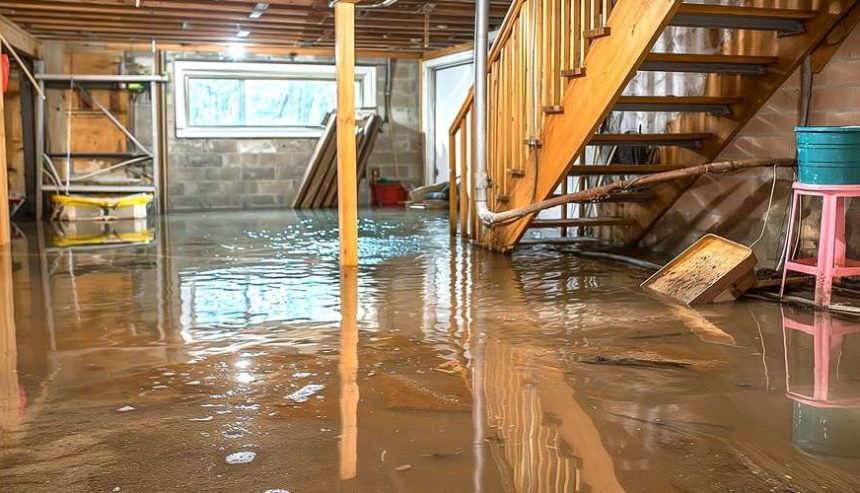
Sealing Foundation Cracks to Prevent Basement Flooding
Sealing foundation cracks prevents Burlington basement flooding by stopping water entry through foundation weaknesses created by soil pressure, freeze-thaw cycles, and settling. The process involves six essential steps: (1) identifying crack types including vertical settlement cracks, horizontal pressure cracks, and stair-step cracks in block foundations, (2) understanding causes specific to Burlington’s expansive clay soil and Wisconsin freeze-thaw cycles, (3) choosing repair methods between epoxy injection for structural cracks and polyurethane foam for active leaks, (4) proper surface preparation cleaning and chiseling cracks before sealing, (5) professional application of injection materials or hydraulic cement, and (6) prevention strategies including proper drainage, gutter maintenance, and soil grading.
Professional sealing of foundation cracks provides permanent waterproofing with warranties, while DIY attempts often fail due to improper materials, technique, or underlying structural issues requiring expert assessment.
You walk into your Burlington basement after heavy rain and find water pooling on the floor. Again.
You trace the leak to a crack in your foundation wall. Water seeps through steadily, no matter how many times you patch it with hardware store products. The crack keeps coming back. The water keeps finding its way inside.
Foundation cracks represent one of the most common causes of basement flooding in Burlington. Our clay soil creates tremendous pressure against foundations. Our freeze-thaw cycles expand and contract concrete relentlessly. Settling and soil movement stress foundations constantly.
But here is what many Burlington homeowners do not realize: properly sealing foundation cracks can permanently stop water intrusion when done correctly with appropriate materials and techniques.
I have helped hundreds of Burlington families finally solve chronic basement water problems through professional foundation crack sealing. I have also seen countless failed DIY attempts with inadequate products and improper methods that waste money and time while water continues to enter basements.
This comprehensive guide reveals six essential steps for sealing foundation cracks effectively, when DIY makes sense versus when professional repair becomes necessary, and how to prevent new cracks from forming in your Burlington foundation.
Because understanding foundation crack repair transforms a frustrating, recurring problem into a permanent solution.
Step 1: Identifying Foundation Crack Types and Severity
What types of foundation cracks require sealing?
Answer: Foundation cracks requiring sealing include vertical cracks from concrete shrinkage or minor settling typically less concerning structurally, horizontal cracks from soil pressure indicating serious issues, diagonal cracks from differential settling or pressure, stair-step cracks in block foundations from movement or pressure, and floor-wall joint gaps where basement floor meets walls, with crack width, location, and active water leakage determining urgency and appropriate sealing foundation cracks methods needed.
Not all foundation cracks are created equal. Understanding what you are dealing with determines the right repair approach.
Vertical cracks:
These run straight up and down foundation walls. Most vertical cracks result from concrete shrinkage as it cures or minor settling. Cracks less than 1/4 inch wide generally do not indicate structural problems but still allow water entry, requiring sealing foundation cracks for waterproofing.
Horizontal cracks:
These run horizontally across foundation walls and represent more serious concerns. Horizontal cracks typically indicate excessive soil pressure pushing against foundations. Common in Burlington, where clay soil exerts tremendous lateral pressure, especially when saturated. These cracks often widen over time and may indicate bowing walls requiring structural evaluation beyond simple sealing.
Diagonal cracks:
Cracks running at angles indicate differential settling where one section of the foundation settles more than another. Also caused by concentrated pressure from soil or tree roots. Diagonal cracks wider than 1/4 inch or showing continued growth need a professional assessment to determine if structural issues exist before sealing foundation cracks.
Stair-step cracks in block foundations:
These follow mortar joints in concrete block foundations, creating distinctive stair-step patterns. Caused by settling, soil pressure, or foundation movement. While following mortar joints, they still compromise waterproofing, requiring proper sealing techniques.
Floor-wall joint separation:
The joint where the basement floor meets the walls often develops gaps, allowing water entry. Not technically cracks, but common water entry points. This joint moves independently from walls, creating openings requiring specific sealing approaches different from wall crack repair.
According to the American Concrete Institute, crack width and activity level matter more than crack type for determining repair urgency. Active leaking cracks require immediate attention, preventing water damage regardless of type.
Measuring crack severity:
Use a crack gauge or ruler to measure crack width. Hairline cracks under 1/16 inch rarely leak but should be monitored. Cracks 1/16 to 1/4 inch can allow water entry, requiring sealing. Cracks exceeding 1/4 inch need professional evaluation for structural concerns beyond waterproofing.
Active versus dormant cracks:
Active cracks show movement or widening over time. Mark the crack ends with a pencil and date, then monitor for extension. Active cracks indicate ongoing foundation movement requiring professional assessment. Dormant stable cracks can be permanently sealed, preventing water intrusion.
Understanding your specific crack type guides appropriate sealing foundation cracks methods and helps determine when professional structural evaluation becomes necessary before waterproofing.
Step 2: Understanding What Causes Foundation Cracks in Burlington
Why do Burlington foundations develop cracks requiring sealing?
Answer: Burlington foundations develop cracks requiring sealing foundation cracks repair due to expansive clay soil creating constant pressure against walls, freeze-thaw cycles causing concrete expansion and contraction, hydrostatic pressure from poor drainage saturating soil, foundation settling from soil compaction or erosion, tree roots growing against foundations, and temperature-driven concrete shrinkage, with Wisconsin’s volatile climate and Burlington’s specific soil conditions making foundation cracking more prevalent than in areas with different geological and weather patterns.
Understanding why cracks form helps prevent new ones while addressing existing damage.
Clay soil pressure:
Burlington sits on clay-heavy soil that expands when wet and contracts when dry. This constant expansion and contraction cycle creates tremendous lateral pressure against foundation walls. Saturated clay after heavy rain or snowmelt pushes against foundations with thousands of pounds of force per square foot. This relentless pressure causes cracks over time.
Freeze-thaw cycle damage:
Wisconsin winters bring repeated freeze-thaw cycles. Water seeps into tiny concrete pores. When temperatures drop below freezing, water expands by 9% as it freezes. This expansion creates internal pressure, fracturing concrete. The cycle repeats dozens of times each winter, progressively widening existing cracks and creating new ones.
Hydrostatic pressure from poor drainage:
Water accumulating around foundations creates hydrostatic pressure pushing against walls. Poor gutter systems, inadequate grading, or missing drainage tiles allow water to pool against foundations rather than draining away. This constant pressure finds and exploits foundation weaknesses, creating cracks and leaks.
Foundation settling and soil movement:
All foundations settle somewhat as soil beneath compacts under the structure’s weight. Uneven settling creates stress points where cracks develop. Soil erosion from water flow or poor compaction during construction causes differential settling. Tree roots can also shift soil, creating foundation movement and cracking.
Concrete shrinkage:
Concrete shrinks slightly as it cures. This natural process creates minor cracks in most foundations. While often hairline and not structural concerns, these shrinkage cracks still provide pathways for water entry, requiring sealing foundation cracks for proper basement waterproofing.
Temperature stress:
Extreme temperature swings cause concrete expansion in heat and contraction in cold. Burlington’s temperature range, from sub-zero winters to 90-degree summers, creates annual expansion and contraction cycles, stressing concrete and contributing to crack development over decades.
The cumulative effect:
No single factor causes most foundation cracks. Rather, the combination of clay soil pressure, freeze-thaw cycles, hydrostatic pressure, settling, and temperature stress working together over the years creates the cracking that Burlington foundations commonly experience. Understanding these multiple causes explains why comprehensive approaches addressing drainage, soil management, and proper crack sealing provide better long-term results than simply filling cracks without addressing root causes.
Step 3: Choosing the Right Foundation Crack Sealing Method
What methods work best for sealing foundation cracks?
Answer: Effective methods for sealing foundation cracks include epoxy injection creating structural bonds for non-leaking cracks, polyurethane foam injection for actively leaking cracks expanding to fill voids and stop water flow, hydraulic cement for wider cracks and surface repairs, concrete crack filler for minor hairline cracks, and carbon fiber reinforcement for structural cracks showing wall movement, with method selection depending on crack width, whether cracks actively leak, structural concerns, and whether interior or exterior access exists.
Different crack situations require different repair approaches for successful sealing of foundation cracks.
Epoxy injection for structural repair:
Epoxy creates incredibly strong bonds, actually fusing cracked concrete back together. Best for dry cracks not actively leaking. The two-part epoxy gets injected under pressure, filling cracks. Once cured, epoxy-sealed cracks are often stronger than the surrounding concrete. However, epoxy does not work for active leaks as water prevents proper bonding.
Polyurethane foam injection for leaking cracks:
This method excels for actively leaking foundation cracks. Polyurethane reacts with water, expanding to fill cracks and voids completely. The foam remains flexible, accommodating minor foundation movement without cracking. Perfect for Burlington foundations experiencing ongoing water intrusion. Professional injection ensures complete crack filling from exterior to interior, preventing water bypass.
Hydraulic cement for wider cracks:
Hydraulic cement sets quickly, even in wet conditions, making it useful for wider cracks and immediate leak stopping. Applied from interior surfaces, it expands slightly as it cures, creating tight seals. Works for cracks up to 1/2 inch wide. Not as permanent as injection methods, but it provides good results for accessible wider cracks when properly applied.
Concrete crack filler for hairline cracks:
Flexible sealants are designed for concrete work for very small hairline cracks under 1/16 inch. These materials remain somewhat flexible, preventing re-cracking from minor movement. Applied from exterior surfaces when possible for better waterproofing. Appropriate for dormant cracks not showing active movement or significant water intrusion.
Carbon fiber reinforcement for structural issues:
When horizontal cracks indicate bowing walls or structural concerns, carbon fiber straps bonded to walls prevent further movement. This addresses structural issues before sealing foundation cracks for waterproofing. Often combined with other sealing methods, providing both structural stability and water intrusion prevention.
Interior versus exterior sealing:
Exterior sealing prevents water from entering foundations, providing superior long-term waterproofing. However, exterior access requires excavation, making it more involved. Interior sealing stops leaks inside basements, is easier to access, but does not prevent water from entering foundation materials. Professional assessment determines which approach best fits your situation.
According to FEMA flood prevention guidelines, proper foundation waterproofing requires addressing water entry pathways, including cracks, while also improving drainage and preventing water accumulation against foundations.
Choosing appropriate sealing foundation cracks methods based on specific crack characteristics ensures effective permanent repairs rather than temporary patches requiring repeated applications.
Step 4: Proper Preparation Before Sealing Foundation Cracks
How should foundation cracks be prepared before sealing?
Answer: Proper preparation before sealing foundation cracks requires cleaning cracks thoroughly removing loose concrete, dirt, and debris using wire brushes and vacuum, chiseling crack edges to create inverted V-shape providing better mechanical bond, ensuring cracks are completely dry for epoxy application or properly wet for polyurethane injection, installing injection ports at regular intervals for professional injection methods, and applying surface seal over crack face leaving only ports exposed, with inadequate preparation causing seal failures regardless of material quality.
Preparation determines whether sealing foundation cracks succeeds or fails.
Thorough crack cleaning:
Use stiff wire brushes, removing all loose concrete particles, dirt, old sealant, and debris from cracks. Compressed air or vacuum cleans deep into cracks, removing fine particles that interfere with bonding. Paint, efflorescence (white mineral deposits), and oils must be completely removed for proper adhesion.
Crack chiseling for mechanical bond:
Chisel crack edges, creating a slightly wider opening at the crack base than the surface, forming an inverted V-shape. This profile provides a mechanical interlock holding sealant in place beyond chemical adhesion alone. Particularly important for hydraulic cement and surface-applied sealants. Professional injection methods may not require chiseling as pressure forces material throughout the crack length.
Moisture management:
For epoxy injection, cracks must be completely dry. Use fans and dehumidifiers to dry cracks for 24-48 hours before application. Even slight moisture prevents epoxy bonding. Conversely, polyurethane foam injection works with wet cracks, actually requiring moisture for proper foam expansion and reaction. Match moisture conditions to the chosen sealing method.
Installing injection ports:
Professional crack injection installs ports every 8-12 inches along the crack length. These ports allow injecting sealant under pressure from bottom to top, ensuring complete crack filling. Surface seal applied over the crack face between ports prevents material from escaping during injection while allowing penetration throughout the crack depth.
Surface sealing for injection:
Before injection begins, apply a quick-setting surface seal over the crack face and along the crack edges. This seal prevents injected material from escaping outward while pressure forces it throughout the crack structure. Surface seal is typically removed after the injection completes and the material cures.
Safety considerations during preparation:
Wear safety glasses when chiseling or wire brushing, preventing concrete particles from eye contact. Use dust masks when creating concrete dust. Ensure adequate ventilation when using chemical sealants. Follow all product safety instructions for specific materials being used.
Proper preparation seems tedious, but it makes the difference between sealing foundation cracks permanently versus having repairs fail within months, requiring rework and continued water problems.
Step 5: When Professional Foundation Crack Sealing Becomes Essential
When should professionals handle sealing foundation cracks?
Answer: Professional sealing foundation cracks becomes essential when cracks exceed 1/4 inch width indicating potential structural issues, horizontal cracks suggest wall bowing from soil pressure, active leaking continues despite DIY attempts, multiple cracks appear simultaneously, cracks show continued widening over time, structural concerns exist requiring engineering assessment, or when warranties and guarantees protecting long-term investment matter, as professional injection equipment, commercial-grade materials, and expertise ensure complete crack filling and permanent waterproofing impossible with consumer products.
Knowing when to call professionals saves money, time, and frustration in the long run.
Structural concerns require expert assessment:
Horizontal cracks, wide vertical cracks, or patterns suggesting foundation movement need structural engineer evaluation before sealing. Professionals determine whether stabilization or repair beyond simple crack sealing is necessary. Sealing structural cracks without addressing underlying issues wastes money as cracks reopen or new ones form.
Professional injection equipment superiority:
Commercial injection equipment generates hundreds of PSI pressure, forcing materials throughout the crack depth and length. This complete filling proves impossible with DIY methods, typically applying sealants only at crack surfaces. Professional equipment ensures material reaches crack exteriors, stopping water at its source rather than just where cracks become visible inside.
Commercial materials outperform consumer products:
Professional-grade epoxies and polyurethanes have superior bonding strength, flexibility, and longevity compared to consumer products from hardware stores. These materials are specifically formulated for foundation waterproofing under hydrostatic pressure conditions, while consumer products often fail when subjected to constant moisture and pressure from Burlington’s saturated clay soil.
Experience identifies underlying problems:
Professional foundation specialists recognize patterns indicating more than simple cracks. They identify poor drainage, inadequate waterproofing, settlement issues, or other problems contributing to cracking. Addressing these root causes along with sealing foundation cracks provides comprehensive solutions rather than temporary patches.
Warranties protect your investment:
Reputable professionals warrant their sealing foundation cracks work, typically for 10-20 years or even lifetime warranties transferable to home buyers. This protection provides peace of mind and financial security, impossible with DIY approaches. If sealed cracks leak, professionals return to address issues at no additional charge.
Exterior excavation and sealing:
When exterior foundation sealing provides superior waterproofing, the excavation, proper drainage installation, waterproof membrane application, and backfilling require professional equipment and expertise. DIY exterior waterproofing risks inadequate drainage, improper backfill, or membrane damage, compromising the entire project.
Insurance and resale considerations:
Documented professional foundation repair maintains property value and satisfies disclosure requirements for home sales. DIY repairs may raise buyer concerns and complicate mortgage approvals. Professional work demonstrates proper foundation maintenance, protecting investment value.
For Burlington homeowners, calling professionals for sealing foundation cracks often costs less than repeated DIY attempts with inferior results, while providing permanent solutions and warranties protecting long-term property value.
Step 6: Preventing New Foundation Cracks Through Proper Maintenance
How can Burlington homeowners prevent foundation cracks requiring sealing?
Answer: Preventing foundation cracks requiring sealing includes maintaining gutters and downspouts directing water minimum 10 feet from foundations, ensuring proper soil grading with 6-inch slope away from homes over first 10 feet, installing or maintaining foundation drainage tiles, controlling soil moisture through strategic landscaping avoiding water-loving plants near foundations, promptly repairing small cracks before freeze-thaw cycles expand them, and monitoring foundations annually identifying early warning signs, with prevention being far less expensive than repair while protecting Burlington basements from chronic water intrusion.
Prevention represents the best long-term strategy for avoiding foundation crack problems.
Proper gutter and downspout systems:
Clean gutters twice yearly, removing debris, preventing overflow. Ensure downspouts discharge a minimum of 10 feet from foundations using extensions or underground pipes. Gutters overflowing against foundations saturate soil, creating the hydrostatic pressure, causing cracks and leaks. This simple maintenance prevents many foundation problems.
Maintain proper grading:
Soil should slope away from foundations 6 inches over the first 10 feet, continuing slope for at least 10 feet total. Over time, soil settles, creating low spots against foundations. Add soil to maintain a proper slope, directing water away. This prevents water pooling against foundations, reducing crack-causing pressure.
Foundation drainage systems:
Interior or exterior drain tiles collect and direct water away from foundations before hydrostatic pressure builds. If your Burlington home lacks drainage tiles, consider professional installation preventing chronic water problems. Maintain existing systems, ensuring they function properly.
Strategic landscaping choices:
Avoid planting water-loving trees and shrubs near foundations. Tree roots seek water, growing toward foundations and disrupting soil. Water-demanding plants increase soil moisture near foundations. Choose drought-tolerant landscaping near homes, reducing water-related foundation stress.
Prompt minor crack repair:
Seal small cracks before Wisconsin freeze-thaw cycles expand them into major problems. Annual foundation inspection identifies new hairline cracks, allowing easy repair before they widen. Small crack sealing costs far less than major foundation repairs later.
Soil moisture management:
Extreme soil moisture swings from very wet to very dry create expansion and contraction cycles, stressing foundations. Maintain relatively consistent soil moisture through appropriate watering during droughts and good drainage during wet periods. This reduces clay soil movement that causes foundation cracking.
Monitor foundation conditions:
Photograph foundations annually, documenting conditions. Mark cracks end with a pencil and dates tracking any growth. This monitoring identifies problems early when solutions are simpler and less expensive. Professional inspection every few years provides an expert assessment of foundation health.
Prevention through good maintenance practices protects Burlington foundations from the clay soil pressure, freeze-thaw cycles, and water intrusion that cause most cracking, requiring expensive sealing and foundation crack repairs.
Frequently Asked Questions: Sealing Foundation Cracks
Can I seal foundation cracks myself, or should I hire professionals?
Minor hairline cracks under 1/16 inch with no active leaking can sometimes be successfully sealed DIY using quality concrete crack filler and proper preparation techniques. However, cracks exceeding 1/4 inch, horizontal cracks, actively leaking cracks, or any cracks suggesting structural issues require professional sealing foundation cracks services. Professionals have commercial injection equipment forcing materials throughout the crack depth, use superior products, provide warranties, and identify underlying problems that DIY approaches miss. For most Burlington foundation cracks, professional sealing provides better long-term results and value.
How long do sealed foundation cracks last before requiring resealing?
Professionally sealed foundation cracks using proper injection methods typically last 10-20 years or longer, with many professional companies offering lifetime warranties on their work. DIY sealing foundation cracks using quality materials and correct techniques may last 3-5 years before requiring attention. Surface-applied sealants generally need reapplication more frequently than injection methods. Longevity depends on crack type, repair quality, materials used, ongoing foundation movement, and whether underlying drainage issues were addressed during repair.
Will sealing foundation cracks stop all basement water problems?
Sealing foundation cracks stops water from entering through those specific cracks, but may not solve all basement water problems. Water also enters through floor-wall joints, porous concrete, window wells, and other pathways. Comprehensive basement waterproofing often requires sealing foundation cracks plus addressing drainage issues, installing sump pumps, applying waterproof coatings, or installing drainage systems. Professional assessment identifies all water entry points, recommending complete solutions rather than just addressing obvious cracks while other leak sources remain.
What is the difference between epoxy and polyurethane for sealing foundation cracks?
Epoxy injection creates rigid structural bonds ideal for dry, non-leaking cracks requiring maximum strength repair. Epoxy actually fuses cracked concrete back together. Polyurethane foam injection works for actively leaking cracks, expanding when contacted by water to fill cracks and voids while remaining flexible. Polyurethane accommodates minor foundation movement without re-cracking. Choose epoxy for structural dry crack repair and polyurethane for waterproofing actively leaking foundation cracks. Professionals select appropriate materials based on specific crack conditions.
Should foundation cracks be sealed from inside or outside?
Exterior sealing of foundation cracks provides superior waterproofing by preventing water from entering foundation materials, but requires excavation, making it more involved and weather-dependent. Interior sealing stops leaks inside basements, offers easier access year-round, and costs less than excavation, but allows water to saturate foundation materials, potentially causing freeze-thaw damage. For Burlington homes, interior injection sealing provides excellent results for most cracks, while exterior sealing benefits homes with severe water problems or during foundation exposure for other repairs.
Can foundation cracks indicate serious structural problems?
Some foundation cracks indicate serious structural issues requiring professional engineering assessment before sealing. Horizontal cracks often suggest wall bowing from excessive soil pressure. Wide vertical cracks exceeding 1/4 inch may indicate significant settling. Multiple cracks appearing simultaneously or cracks showing continued widening suggest ongoing foundation movement. Stair-step cracks combined with wall displacement indicate structural concerns. For any crack-raising structural questions, obtain a professional evaluation to determine if stabilization or repair beyond simple sealing of foundation cracks becomes necessary, protecting your Burlington home’s structural integrity.
How much does professional foundation crack sealing typically cost?
Professional sealing foundation cracks pricing varies based on crack length, accessibility, repair method required, and whether structural concerns exist. Most companies charge per linear foot of crack sealed. While specific pricing varies, professional injection sealing typically provides excellent value compared to water damage from continued leaking, repeated DIY attempts, or decreased property value from documented foundation problems. Many Burlington foundation specialists offer free assessments, providing detailed estimates for your specific situation. Financing options often make professional repair affordable while warranties protect your investment long-term.
Professional Foundation Services: Water Damage Prevention in Burlington
When foundation cracks threaten your Burlington basement with water intrusion, professional assessment and repair protect your property investment.
PuroClean of Burlington provides comprehensive water damage prevention services, including:
✓ Foundation Crack Assessment identifying types, causes, and appropriate repairs ✓ Professional Crack Sealing when needed for active leak prevention ✓ Drainage System Evaluation identifying improvements preventing water problems ✓ Complete Water Damage Restoration when foundation leaks cause flooding ✓ Basement Waterproofing Coordination with trusted local contractors ✓ Emergency Water Extraction 24/7 when foundation failures flood basements ✓ Structural Drying Services preventing mold after water intrusion ✓ Mold Remediation if water damage created mold growth ✓ Insurance Claim Assistance documenting damage and coordinating coverage
Complete water damage services:
Emergency water damage restoration | Basement flooding cleanup | Structural drying | Mold prevention and removal
Serving Burlington and surrounding Walworth County:
Burlington | Lake Geneva | Elkhorn | Delavan | Whitewater | East Troy | Williams Bay | Fontana | Twin Lakes | Sharon | Genoa City
What makes PuroClean of Burlington different:
💧 24/7 Emergency Response when foundation leaks flood basements 💧 Veteran-Owned Company serving Burlington with integrity 💧 Complete Services from emergency mitigation through reconstruction 💧 Trusted Contractor Network for foundation repair referrals 💧 Insurance Specialists helping maximize coverage 💧 Local Expertise understanding Burlington’s specific challenges
While we focus on water damage restoration rather than foundation repair, we understand the connection between sealing foundation cracks and preventing the basement flooding we remediate daily. We work with trusted local foundation specialists when structural repairs are needed and provide expert water damage restoration when foundation leaks cause flooding.
Do not wait until foundation cracks flood your basement. Address water intrusion early through proper assessment and repair.
Foundation Leaks Flooding Your Burlington Basement?
PuroClean of Burlington: 24/7 Emergency Water Damage Restoration
(262) 342-2226
Immediate Response | Complete Drying | Mold Prevention
Serving All Burlington & Walworth County
Expert Water Damage Restoration When Foundation Problems Strike
Summary: Sealing Foundation Cracks Prevents Burlington Basement Flooding
Sealing foundation cracks prevents Burlington basement flooding by stopping water entry through foundation weaknesses caused by clay soil pressure, freeze-thaw cycles, and settling. Effective sealing requires six essential steps: identifying crack types and severity determining appropriate repair methods, understanding Burlington-specific causes including expansive clay soil and temperature extremes, choosing proper sealing methods between epoxy for dry cracks and polyurethane for active leaks, thorough preparation through cleaning and moisture management, knowing when professional services with warranties and superior materials become necessary, and implementing prevention through drainage improvements and maintenance.
Professional sealing of foundation cracks provides permanent waterproofing with commercial injection equipment, professional-grade materials, and expertise addressing underlying issues, while DIY attempts often fail due to inadequate preparation, inferior products, or unrecognized structural concerns. Prevention through proper gutters, grading, drainage, and prompt minor crack repair protects Burlington foundations from conditions causing major cracking requiring expensive repairs.
When foundation cracks cause basement flooding despite prevention efforts, immediate professional water damage restoration prevents mold growth and property damage. Call PuroClean of Burlington at (262) 342-2226 for 24/7 emergency water damage services throughout Burlington and Walworth County, with complete restoration from water extraction through reconstruction and trusted foundation specialist referrals when structural repairs become necessary.
PuroClean of Burlington 📞 Call Now: (262) 342-2226 🕒 Available 24/7 — Because disasters don’t wait.
🔗 Quick Links: Instagram | Google Reviews & Directions | Facebook | Pinterest