


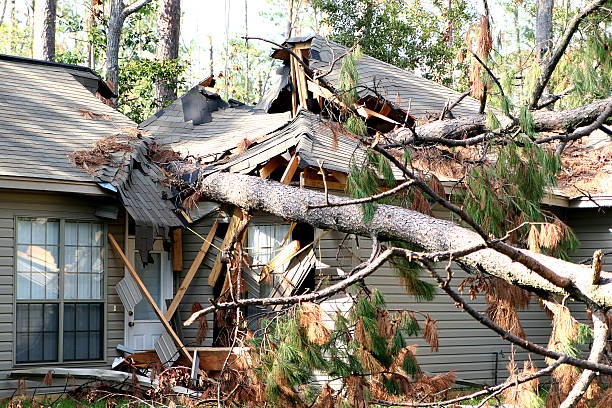
Most home damage from storms is preventable. By following storm damage prevention tips before severe weather arrives, you can significantly reduce the risk of damage to your roof, foundation, and interior. This guide provides actionable steps to protect your home and what to do if storms damage your property anyway.
Why Storm Damage Prevention Tips Matter for Your Home
Wisconsin storms pack real power. When hail, heavy winds, or torrential rain strike, unprepared homes suffer serious consequences.
The unfortunate truth: many homeowners wait until after a storm hits to think about protection. By then, it’s too late. Roof damage, water infiltration, and structural problems happen in minutes.
Storm damage prevention tips aren’t complicated. They’re practical steps you can take right now to prepare your home for whatever weather comes your way.
According to the National Weather Service, proper home preparation significantly reduces storm damage. The difference between a prepared home and an unprepared one often determines whether damage is minor or catastrophic.
Storm Damage Prevention Tips: 7 Essential Steps
Tip 1: Inspect Your Roof Regularly
Your roof is your home’s first defense against weather damage.
Check your roof at least twice yearly—once in spring and again in fall. Look for missing or damaged shingles, deteriorated flashing, and areas where water could penetrate.
If you’re not comfortable climbing on your roof, hire a professional inspector. They spot problems you’d miss and identify areas needing attention before storms arrive.
Storm damage prevention tips always start with the roof because roof failures lead to the most expensive interior damage. Water intrusion from a damaged roof causes mold growth, ceiling damage, and structural problems.
Replace damaged shingles immediately. Trim tree branches hanging over your roof to prevent branch damage during storms. These simple maintenance tasks are among the most effective storm damage prevention tips you can implement.
Tip 2: Clean and Maintain Your Gutters
Clogged gutters cause water to overflow during heavy rainfall.
This water pools around your foundation, causing basement flooding and structural damage. It also runs down your exterior walls, creating water damage and mold growth.
Clean gutters every spring and fall. Remove leaves, debris, and sediment. If your gutters seem perpetually clogged, consider installing gutter guards to reduce maintenance while improving drainage.
Ensure downspouts direct water at least six feet away from your foundation. This simple storm damage prevention tip prevents water from pooling near your house, protecting your foundation and basement.
Inspect gutter seams and connections. Repair leaks and secure loose sections before storm season. Proper gutter function is fundamental to effective home damage prevention.
Tip 3: Secure Outdoor Items and Trim Trees
Loose objects become projectiles during high winds.
Bring in outdoor furniture, trash cans, and decorations before storms arrive. Secure anything that can’t be brought inside. Unsecured items cause window damage and property destruction.
Tree trimming is critical for storm damage prevention tips. Weak branches, dead wood, and overhanging limbs become hazardous during storms. Dead trees should be removed entirely.
Trim branches to maintain at least ten feet of clearance from your roof and siding. This prevents branch damage to your home while reducing the risk of fallen trees blocking your driveway.
Professional arborists can assess which trees pose risks and recommend removal or trimming. This investment protects your home, vehicles, and property from tree-related storm damage.
Tip 4: Reinforce Windows and Doors
Windows and doors are vulnerable entry points during severe storms.
Storm damage prevention tips include installing storm shutters on windows in storm-prone areas. Shutters protect against wind-driven rain and debris impact.
If you can’t install permanent shutters, keep plywood sheets ready to quickly cover windows during storm warnings. Secure plywood with proper fasteners before the storm hits.
Check door frames and weather stripping. Replace damaged seals that allow wind-driven rain penetration. Install door reinforcement kits if you’re in a high-wind area.
Garage doors are often overlooked in storm damage prevention tips, yet they’re critical. Improperly braced garage doors fail during high winds, allowing air pressure changes that damage your home’s structure. Consider upgrading to a storm-resistant garage door.
Tip 5: Check and Upgrade Your Sump Pump
A functioning sump pump is essential for basement flooding prevention.
Test your sump pump monthly during non-storm seasons. Pour water into the sump pit and verify that the pump activates. Make sure the discharge line directs water away from your foundation.
If your sump pump is more than seven years old, consider replacement. Older pumps fail when you need them most. A failed sump pump during heavy rain leads to basement flooding and water damage requiring expensive restoration.
Install a battery backup for your sump pump. During storms, power outages are common. A battery backup ensures your sump pump operates even when power fails, preventing basement flooding during the most critical time.
This storm damage prevention tip receives less attention than roof inspection, yet it prevents one of the most common and expensive home damage scenarios.
Tip 6: Create an Emergency Supply and Communication Plan
Storm damage prevention tips extend beyond physical home preparation.
Prepare an emergency kit containing water, non-perishable food, medications, flashlights, batteries, first aid supplies, and important documents. During and immediately after storms, you may not have access to stores.
Develop a family communication plan. Establish a contact person outside your immediate area that family members can text or call to confirm everyone’s safety. Cell towers may be overloaded, but text messages sometimes work when calls don’t.
Know your insurance policy before disaster strikes. Understand your coverage, deductibles, and claim procedures. After a storm, you’ll be stressed and dealing with damage. Understanding your policy beforehand makes the process smoother.
Take photos and videos of your home’s interior and exterior before storms hit. Store these images somewhere safe (cloud storage, email). This documentation helps with insurance claims if storm damage occurs.
Tip 7: Know When to Call Professionals
Sometimes storm damage prevention tips aren’t enough.
If a storm damages your roof, don’t attempt repairs yourself. Hire licensed contractors. Improper roof repairs lead to continued leaks and additional damage.
If flooding occurs, call professional water damage restoration services immediately. The first 24 hours are critical. Professional teams extract water, begin drying, and prevent mold growth.
Storm damage assessment should be handled by professionals when damage is significant. Insurance adjusters need accurate damage evaluation for claims. Professional restoration companies provide detailed documentation supporting your claim.
Post-Storm Assessment: What to Check
After a storm passes, safely inspect your property.
Walk around your home’s exterior looking for missing shingles, damaged gutters, cracked siding, and tree damage. Check your roof from the ground using binoculars if possible.
Inside, look for water intrusion signs: ceiling stains, wall moisture, and musty odors. Check your basement and crawl space for water accumulation.
If you notice water damage, call professionals immediately. Prompt response prevents mold growth and minimizes damage.
Document everything with photos for your insurance claim. Don’t make permanent repairs until your adjuster assesses the damage.
FAQs About Storm Damage Prevention Tips
Q: What’s the most important storm damage prevention tip I should implement first?
A: Inspect your roof. Roof damage causes the most expensive interior water damage. If your roof is compromised, rain penetrates your home during every storm. Start with roof inspection and repairs before implementing other weather damage protection measures.
Q: How often should I inspect my home for storm damage prevention tips?
A: Conduct thorough inspections twice yearly (spring and fall). Check gutters monthly during heavy rainfall seasons. After significant storms, do a complete property assessment regardless of your inspection schedule.
Q: Do I need to hire professionals for home damage prevention inspections?
A: Professional inspectors spot problems homeowners miss. They cost several hundred dollars but often identify issues that, if left unrepaired, would cause thousands in damage. For roof inspections specifically, a professional assessment is recommended.
Q: What’s the best time to implement storm damage prevention tips?
A: Now. Don’t wait for storm season. Spring is ideal for post-winter assessment and repairs. Fall preparation ensures your home is ready before winter storms arrive. Emergency repairs before a storm hits are rushed and often incomplete.
Q: Can storm damage prevention tips eliminate all storm damage risk?
A: No. Extreme weather can overwhelm even well-prepared homes. However, proper preparation significantly reduces damage severity. A prepared home suffers minor damage, whereas an unprepared home suffers catastrophic damage.
Q: What should I do if storm damage occurs despite following these tips?
A: Call your insurance company immediately. Contact professional restoration services right away. Water damage worsens rapidly. Professional teams extract water, begin drying, and prevent secondary damage like mold growth. Fast professional response minimizes total damage and restoration costs.
The Aftermath: Professional Restoration Services
Despite your best storm damage prevention tips, severe weather sometimes causes damage anyway.
Professional water damage restoration becomes necessary when flooding occurs. After storms, standing water in your home creates mold growth within 48 hours.
Professional restoration teams remove water quickly using industrial extraction equipment. They dry your home completely using dehumidifiers and air movers. They assess damage, document everything for insurance, and coordinate repairs.
The FEMA Disaster Assistance guide recommends professional cleanup for water damage. Improper water removal leads to mold remediation expenses far exceeding initial extraction costs.
Being Storm Ready in Burlington
Wisconsin storms are unpredictable, but your home’s vulnerability doesn’t have to be.
By implementing these storm damage prevention tips, you’re taking control of your home’s safety. You’re reducing the risk of expensive damage and speeding up recovery if storms do strike.
Most importantly, you’re providing peace of mind. When severe weather arrives, you know your home is as protected as possible.
Summary: Your Storm Damage Prevention Action Plan
Storm damage prevention tips protect your most valuable asset. The seven steps covered here—roof inspection, gutter maintenance, tree trimming, window reinforcement, sump pump maintenance, emergency planning, and professional assessment—form a comprehensive protection strategy.
Start with roof inspection and repair. Move through each tip systematically. Complete your preparation before storm season arrives.
If storms damage your home despite your preparation efforts, professional restoration services are your next step. Quick professional response minimizes damage and accelerates recovery.
Your home deserves protection from whatever weather comes its way.
Professional Storm Damage Restoration When You Need It
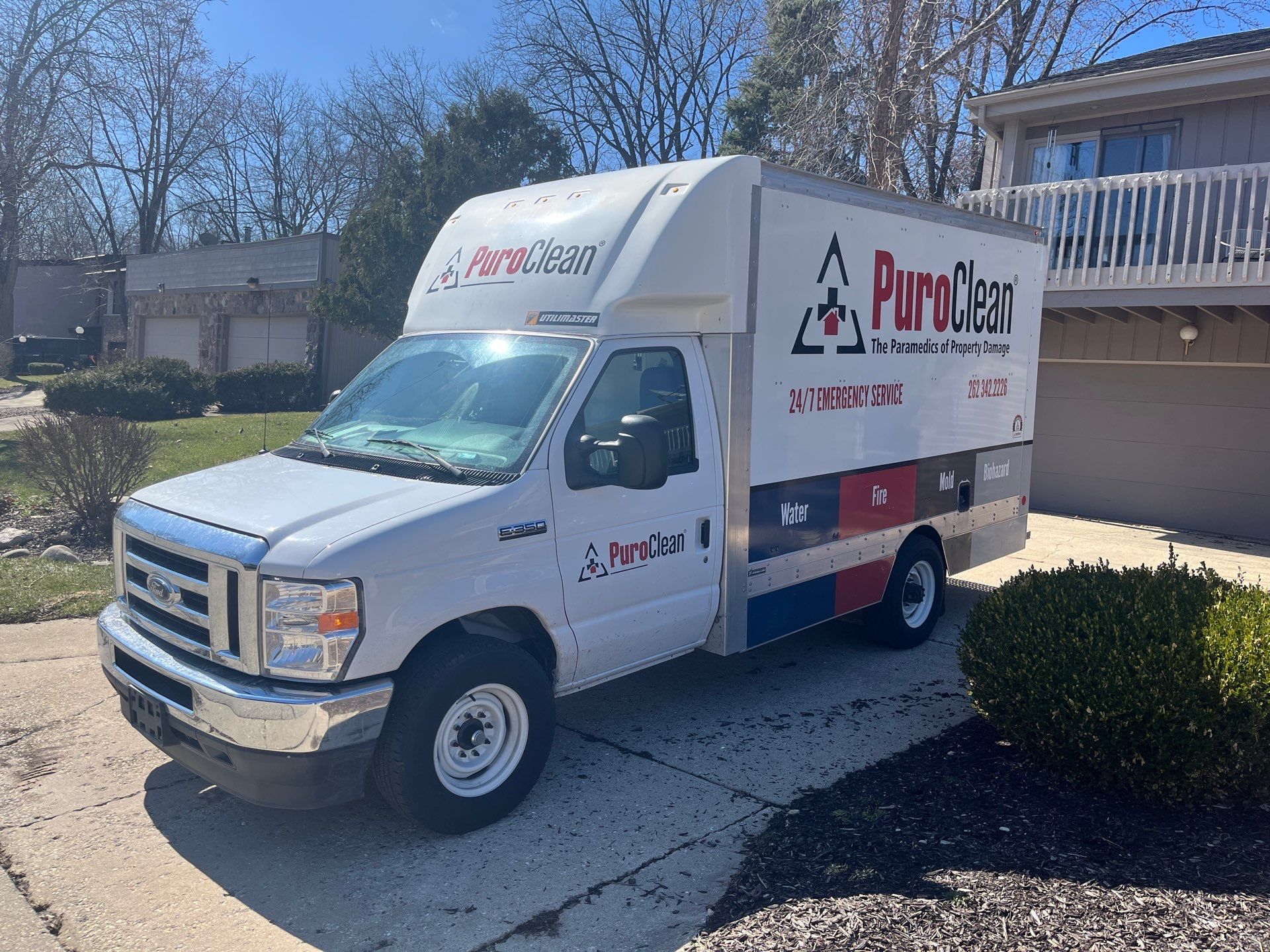
When storms cause water damage or flooding despite following storm damage prevention tips, professional help is essential.
PuroClean of Burlington provides 24/7 water damage restoration services for Burlington homeowners. When storms strike and flooding occurs, we respond quickly to extract water, prevent mold growth, and restore your home.
Our IICRC-certified team handles water extraction, drying, dehumidification, mold prevention, and complete restoration. We work with your insurance company to coordinate claims and streamline the recovery process.
Don’t face storm damage alone. When flooding threatens your home, call certified professionals who understand residential water damage restoration and know how to minimize the impact on your life. Contact PuroClean of Burlington today for emergency water damage restoration when storms strike.
PuroClean of Burlington 📞 Call Now: (262) 342-2226 🕒 Available 24/7 — Because disasters don’t wait.
🔗 Quick Links: Instagram | Google Reviews & Directions | Facebook | Pinterest