



Water damage rental Wisconsin responsibility depends on damage source and circumstances: landlords pay for repairs from building defects, plumbing failures, roof leaks, and natural disasters per Wisconsin ATCP 134.09 habitability requirements, while tenants pay for damage from their negligence, misuse, or failure to report problems promptly, with immediate notification requirements protecting both parties, landlord property insurance covering building repairs, tenant renter’s insurance covering personal belongings, and Wisconsin law requiring landlords to maintain habitable conditions making most structural water damage their financial responsibility unless tenant negligence caused the problem.
Water damage has just flooded your Burlington rental apartment or property. Who pays for the repairs?
This question creates confusion and conflict between Wisconsin landlords and tenants every day. Understanding responsibility under Wisconsin law protects your rights and financial interests, whether you rent or own rental property. For immediate professional water damage restoration serving Burlington and all Wisconsin rental properties, call PuroClean of Burlington at (262) 342-2226 for 24/7 emergency response, helping landlords and tenants navigate damage situations properly.
I have worked with countless Burlington landlords and tenants dealing with water damage rental situations in Wisconsin. The answer to who pays depends on several factors, including damage source, party responsibility, and Wisconsin’s specific landlord-tenant regulations. This comprehensive guide reveals five critical facts about water damage rental Wisconsin responsibility, what Wisconsin law requires, and how proper documentation protects both landlords and tenants during stressful damage situations. Because understanding legal responsibilities prevents disputes, protects financial interests, and ensures proper repairs maintaining safe habitable rental homes throughout Burlington and Wisconsin.
Fact 1: Wisconsin ATCP 134 Governs Landlord Responsibilities
What does Wisconsin law require landlords to maintain?
Answer: Wisconsin ATCP 134.04 requires landlords to maintain rental properties in safe habitable condition including weathertight roofs, walls, and foundations, properly functioning plumbing and heating systems, adequate drainage preventing water accumulation, and prompt repair of defects affecting habitability, making landlords financially responsible for water damage rental Wisconsin situations resulting from building defects, system failures, or maintenance neglect regardless of lease provisions attempting to shift responsibility to tenants.
Wisconsin law establishes clear landlord maintenance obligations.
Habitability standards under ATCP 134.04:
Wisconsin Administrative Code ATCP 134.04 specifically requires landlords to maintain structures and equipment in good repair. This includes keeping roofs, walls, floors, and foundations weathertight and watertight. Plumbing must function properly without leaks.
When water damage occurs from roof leaks, plumbing failures, foundation cracks, or other building defects, landlords bear financial responsibility for repairs regardless of lease language attempting to make tenants responsible.
According to the Wisconsin Department of Agriculture, Trade and Consumer Protection, landlords cannot waive their duty to maintain habitable premises through lease provisions. Such clauses prove unenforceable under Wisconsin law.
Specific water damage scenarios:
Roof leaks from worn shingles, ice dams, or storm damage constitute landlord responsibility. Burst pipes from freezing, age, or defects fall under landlord repair obligations. Foundation water intrusion from poor drainage or cracks requires landlord correction.
HVAC condensate leaks, water heater failures, and washing machine supply line breaks in landlord-provided appliances all represent landlord financial responsibility for water damage in rental properties in Wisconsin.
Prompt repair requirements:
ATCP 134.09 requires landlords to repair code violations and habitability defects within specified timeframes. Minor defects require repair within 30 days. Serious defects affecting health and safety need immediate attention. Water damage creates health hazards through mold growth and structural deterioration. This classifies as a serious defect requiring prompt landlord response, typically within 24-48 hours of notification.
Prohibited lease provisions:
Landlords cannot include lease clauses making tenants responsible for structural repairs, building system maintenance, or repairs resulting from ordinary wear and tear. Such provisions violate Wisconsin law and are unenforceable.
Understanding Wisconsin ATCP 134 protects tenants from improper financial burden while clarifying landlord obligations in water damage rental situations in Wisconsin.
Fact 2: Tenant Responsibility for Negligence and Misuse
When do tenants pay for water damage in Wisconsin rentals?
Answer: Tenants pay for water damage rental Wisconsin repairs when damage results from their negligence, misuse, or intentional acts including leaving windows open during rain, failing to report leaks promptly allowing damage to worsen, causing overflow from stopped drains or unattended bathtubs, damaging plumbing through improper use, or failing to maintain reasonable care preventing foreseeable damage, with Wisconsin law allowing landlords to charge tenants for repairs addressing tenant-caused damage beyond normal wear and tear.
Tenant negligence creates tenant financial responsibility.
Common tenant-caused water damage:
Overflow from bathtubs or sinks left running unattended. Clogged drains from improper disposal are causing backup and overflow. Washing machine hoses disconnected or damaged through tenant mishandling. Windows left open during rainstorms allow water entry.
Frozen pipes from the tenant’s failure to maintain adequate heat during winter, despite the landlord providing heating systems. Damage from tenant alterations, such as unauthorized washing machine installation.
Failure to report problems:
Wisconsin law requires tenants to notify landlords promptly of defects and needed repairs. When tenants discover leaks, drips, or moisture problems and fail to report them, allowing damage to worsen significantly, they may bear responsibility for damage beyond what would have occurred with prompt notification.
For example, a small sink leak reported immediately requires landlord repair. The same leak, unreported for weeks, causing extensive cabinet and floor damage, may make the tenant liable for additional damage beyond initial repair needs.
Reasonable care standard:
Tenants must exercise reasonable care to prevent damage. This includes basic precautions like closing windows during rain, not blocking drainage, avoiding plumbing abuse, maintaining appropriate indoor temperatures, and preventing pipe freezing.
Failing to meet reasonable care standards, creating foreseeable water damage, makes tenants financially responsible for resulting repairs.
Documentation proving negligence:
Landlords claiming tenant responsibility must document negligence or misuse. Photos showing windows left open, witnesses confirming bathtub overflow, or maintenance records showing repeated drain clogs from tenant misuse support landlord claims.
Without documentation proving tenant fault, Wisconsin law presumes landlord responsibility for repairs and maintaining habitability.
Understanding when tenants bear responsibility protects landlords from absorbing damage caused by tenant negligence while ensuring tenants pay only for damage they actually caused.
Fact 3: Emergency Response and Notification Requirements
What are the notification requirements for water-damage rental properties in Wisconsin?
Answer: Wisconsin water damage rental situations require tenants to notify landlords immediately upon discovering water intrusion, leaks, or flooding using emergency contact information provided in leases, while landlords must respond within 24-48 hours for urgent habitability issues, with both parties benefiting from prompt professional water damage restoration preventing mold growth and structural deterioration, making emergency response coordination essential protecting property and health while clarifying responsibility allocation.
Quick response and proper notification protect everyone’s interests.
Tenant notification obligations:
Wisconsin tenants must notify landlords promptly when water damage occurs or when water intrusion begins. Notification methods include phone calls, text messages, emails, or written notices delivered according to lease provisions.
For emergencies like burst pipes or active flooding, immediate phone notification proves appropriate regardless of time. For less urgent issues like small leaks, notification during normal business hours suffices.
Tenants should document notifications with dates, times, and communication methods. Save text messages, emails, or take photos of written notices delivered to landlord mailboxes or offices.
Landlord response requirements:
Upon receiving a water damage notification, Wisconsin landlords must respond appropriately. Serious issues affecting habitability require immediate response, typically within 24 hours. Minor issues allow 30 days under ATCP 134.09.
Active leaks, flooding, or conditions creating immediate mold risk constitute serious defects requiring urgent landlord action. Delayed response allows damage to worsen, creating increased repair expenses and potential tenant claims.
Emergency mitigation authority:
When landlords cannot be reached immediately during water emergencies, tenants may need to take reasonable emergency actions to prevent catastrophic damage. This might include shutting off water supplies, placing containers to catch leaks, or moving belongings from flooded areas.
Tenants should document emergency actions taken and continue attempting landlord contact. Reasonable emergency mitigation costs may be recoverable from landlords who fail to respond appropriately.
Professional restoration coordination:
Both landlords and tenants benefit from immediate professional water damage restoration services. Professionals extract water, dry structures, and prevent mold growth, protecting property values and health. In Burlington water damage rental Wisconsin situations, calling PuroClean at (262) 342-2226 provides 24/7 emergency response, coordinating with both landlords and tenants, ensuring proper restoration and documentation. Proper notification and response prevent minor water damage from becoming major problems requiring expensive repairs while clarifying responsibility through documented timelines.
Fact 4: Insurance Coverage Allocation and Requirements
How does insurance work for water damage rental properties in Wisconsin?
Answer: Water damage rental Wisconsin insurance involves landlord property insurance covering building structure, permanently installed fixtures, and appliances provided by landlords, while tenant renter’s insurance covers personal belongings, temporary living expenses during repairs, and liability for tenant-caused damage, with Wisconsin law not requiring tenants to carry renter’s insurance but strongly recommending coverage protecting possessions since landlord policies exclude tenant belongings regardless of damage source.
Different insurance policies cover different aspects of water damage.
Landlord property insurance:
Landlord policies cover building structures, including walls, floors, ceilings, and roofs. Permanently installed fixtures like bathtubs, toilets, and built-in cabinets. Appliances provided by landlords, such as refrigerators, dishwashers, and water heaters.
These policies typically cover sudden water damage from burst pipes, appliance failures, or storm damage. However, damage from long-term maintenance neglect may face coverage exclusions requiring landlords to pay out-of-pocket.
Tenant renter’s insurance:
Renter’s insurance protects tenants’ personal property, including furniture, electronics, clothing, and other belongings, from water damage regardless of fault. Policies also cover temporary living expenses if water damage makes units uninhabitable during repairs.
Importantly, renter’s insurance includes liability coverage protecting tenants when their negligence causes water damage to the landlord’s property. This liability coverage pays for repairs tenants would otherwise owe landlords.
Coverage gaps and exclusions:
Landlord policies exclude tenants’ personal belongings. When water damage from landlord-responsible sources, like roof leaks, destroys tenant property, landlord insurance does not cover those losses. Tenants without renters’ insurance lose belongings without compensation.
Flood insurance requires separate policies for both landlords and tenants, as standard policies exclude flood damage. Burlington properties near rivers or in flood zones may need specific flood coverage.
Wisconsin law on insurance requirements:
Wisconsin does not legally require tenants to carry renters’ insurance. However, landlords can require insurance as a lease condition. Many Burlington landlords now mandate renters’ insurance protecting both parties.
According to the Wisconsin Department of Agriculture, Trade and Consumer Protection, requiring reasonable insurance as a lease condition is permissible and increasingly common.
Insurance claim coordination:
When water damage affects rental properties, both landlord and tenant may file separate claims with their respective insurers. Proper documentation, including photos, professional assessments, and damage inventories, supports both claims.
Professional water damage restoration companies provide documentation satisfying both insurance carriers, ensuring appropriate coverage and payment for repairs and contents losses.
Understanding insurance allocation prevents tenants from losing belongings while ensuring landlords receive proper coverage for building repairs in water damage rental situations in Wisconsin.
Fact 5: Documentation Requirements Protecting Both Parties
What documentation proves responsibility in water damage rental disputes?
Answer: Proper documentation for water damage rental Wisconsin situations includes dated photos showing damage extent and sources, written notification records from tenants to landlords, professional inspection reports identifying causes, repair estimates detailing necessary work, communication logs documenting response times, lease agreements specifying responsibilities, and move-in condition reports establishing pre-existing conditions, with thorough documentation protecting both landlord and tenant financial interests preventing disputes and supporting insurance claims.
Documentation determines who pays and protects legal rights.
Pre-damage documentation:
Move-in inspections with detailed photos and written condition reports establish baseline property conditions. Both landlords and tenants should photograph every room, fixture, and potential problem before occupancy begins. These records prove whether damage existed before tenant occupancy or developed during tenancy. Pre-existing conditions remain the landlord’s responsibility, while new damage may fall under the tenant’s responsibility if caused by negligence.
Incident documentation:
When water damage occurs, immediately photograph everything. Capture water sources, affected areas, damaged belongings, and overall conditions. Date-stamp photos or save digital timestamps proving when damage occurred.
Video documentation provides comprehensive records showing the full extent of damage and active water intrusion if ongoing. This evidence proves crucial in responsibility determination and insurance claims.
Communication records:
Save all notification communications between tenants and landlords. Screenshot text messages. Save emails. Keep copies of written notices. Document phone calls with dates, times, and conversation summaries. These records prove tenants fulfilled notification obligations and document landlord response times. They protect both parties in disputes about whether proper notification occurred and whether landlords responded appropriately.
Professional assessments:
Professional water damage restoration companies provide detailed assessments identifying damage sources, extent, and required repairs. According to FEMA, professional documentation proves essential for insurance claims and legal proceedings.
Professional reports carry more weight than tenant or landlord assessments in determining responsibility. They provide objective third-party evidence supporting claims.
Repair documentation:
Keep all repair estimates, invoices, and receipts. Document materials replaced, labor performed, and timelines. This documentation supports insurance claims and proves reasonable repair expenses in disputes. Before-and-after photos showing completed repairs demonstrate work quality and full restoration to pre-damage conditions.
Lease agreement provisions:
Maintain complete signed lease agreements clearly stating repair responsibilities, notification requirements, and insurance expectations. While Wisconsin law supersedes conflicting lease provisions, clear agreements prevent misunderstandings.
Thorough documentation transforms potentially contentious water damage rental Wisconsin situations into clear factual determinations protecting both landlord and tenant interests.
Burlington Rental Market Considerations
What specific factors affect water damage in rental properties in Burlington, Wisconsin?
Answer: Burlington rental properties face specific water damage risks from Geneva Lake proximity creating high humidity, older housing stock with aging plumbing and roofing systems, seasonal freeze-thaw cycles causing pipe bursts, clay soil creating basement moisture issues, and student rental market with potential maintenance reporting delays, making clear landlord-tenant responsibility agreements, prompt maintenance, and adequate insurance coverage especially important for Burlington water damage rental Wisconsin situations.
Local conditions create unique challenges requiring attention.
Older rental housing stock:
Burlington’s rental inventory includes many historic properties with original plumbing, older roofs, and outdated drainage systems. These older systems experience higher failure rates, creating more frequent water damage incidents.
Landlords owning older properties should implement preventive maintenance programs to reduce failure risks. Tenants renting older properties should understand increased vigilance for leaks and problems requiring prompt reporting.
Seasonal challenges:
Wisconsin winters bring frozen pipe risks. Burlington landlords must ensure adequate heating and insulation. Tenants must maintain appropriate indoor temperatures even when away and report heating problems immediately.
Spring brings snowmelt and heavy rains, testing drainage and foundation waterproofing. Summer humidity from Geneva Lake increases condensation and moisture issues. Each season presents different water damage risks requiring appropriate preparations.
Student rental considerations:
Burlington’s student rental market may experience different maintenance dynamics. Student tenants sometimes delay reporting problems or have limited experience recognizing maintenance needs.
Landlords serving student markets should provide clear maintenance reporting procedures, conduct more frequent property inspections, and ensure tenants understand their notification obligations.
Understanding Burlington-specific factors helps both landlords and tenants prevent water damage and respond appropriately when incidents occur.
Frequently Asked Questions: Water Damage Rental Wisconsin
Can landlords charge tenants for water damage in Wisconsin?
Yes, Wisconsin landlords can charge tenants for water damage when the tenant’s negligence, misuse, or failure to report problems caused or worsened the damage. However, landlords cannot charge tenants for damage from building defects, system failures, or normal wear and tear under ATCP 134.04. Landlords must document tenant fault to prove responsibility. Without evidence of tenant negligence, Wisconsin law presumes landlord responsibility for repairs and maintaining habitable conditions. Proper documentation determines whether damage charges prove legally enforceable.
Do tenants have to pay for mold remediation in Wisconsin rentals?
Tenants pay for mold remediation in Wisconsin rentals only when their negligence or failure to report moisture problems caused mold growth. If mold results from landlord-responsible water damage like roof leaks or plumbing failures, landlords must pay for remediation under habitability requirements. However, when tenants fail to report leaks, create excessive humidity, or cause water damage through negligence, allowing mold growth, they may bear remediation responsibility. The key factor is whether tenant actions caused the underlying moisture problem, creating mold.
How quickly must Wisconsin landlords fix water damage?
Wisconsin ATCP 134.09 requires landlords to repair serious defects affecting health and safety within reasonable timeframes, typically 24-48 hours for emergencies. Active leaks, flooding, or conditions creating immediate mold risks constitute serious defects requiring urgent response. Minor water damage allowing 30-day repair timelines is rare, as most water damage creates habitability concerns. Delayed landlord response allows tenants to request emergency repairs, potentially withhold rent, or terminate leases under Wisconsin law. Immediate professional water damage restoration protects both landlord and tenant interests.
Does renter’s insurance cover water damage in Wisconsin?
Yes, Wisconsin renters’ insurance covers tenants’ personal belongings damaged by water from covered sources, including burst pipes, appliance failures, storm damage, and accidental overflow. Policies typically exclude flood damage requiring separate flood insurance. Renter’s insurance also covers tenant liability for water damage caused to landlord property through tenant negligence, paying for repairs tenants would otherwise owe. While Wisconsin law does not require renters’ insurance, it provides crucial protection for tenants’ possessions and liability exposure, making it highly recommended for all Burlington tenants.
Can tenants withhold rent for water damage in Wisconsin?
Wisconsin tenants can potentially withhold rent when landlords fail to repair serious water damage affecting habitability within reasonable timeframes after proper notification. However, tenants must follow specific legal procedures, including written notice giving landlords the opportunity to repair, documenting defects and landlord failure to respond, and potentially placing withheld rent in escrow accounts. Improper rent withholding allows the landlord to evict. Tenants considering rent withholding should consult Wisconsin tenant rights organizations or attorneys to ensure compliance with proper procedures before taking action.
Who pays for the tenant’s belongings damaged by landlord-caused water damage?
When landlord-responsible water damage, like roof leaks or plumbing failures, damages tenant belongings, the landlord’s property insurance does not cover tenant possessions. Tenants must rely on their own renters’ insurance for belongings replacement. Without renters’ insurance, tenants lose belongings without compensation, even when the landlord’s negligence caused damage. This makes renters’ insurance critically important for Wisconsin tenants, protecting possessions from water damage regardless of fault. Landlord liability for tenant property proves extremely limited under Wisconsin law, making tenant insurance essential.
What should Burlington tenants do immediately when water damage occurs?
Burlington tenants discovering water damage should immediately notify landlords using emergency contact information, document damage with dated photos and videos, move belongings from affected areas to prevent additional losses, place containers catching active leaks if safe, shut off water sources if possible and known, and contact emergency water damage restoration if landlords cannot be reached and damage is severe. Call PuroClean of Burlington at (262) 342-2226 for immediate professional response, coordinating with landlords, ensuring proper restoration. Prompt action prevents damage escalation, protecting both tenant belongings and landlord property.
Professional Water Damage Restoration for Wisconsin Rental Properties
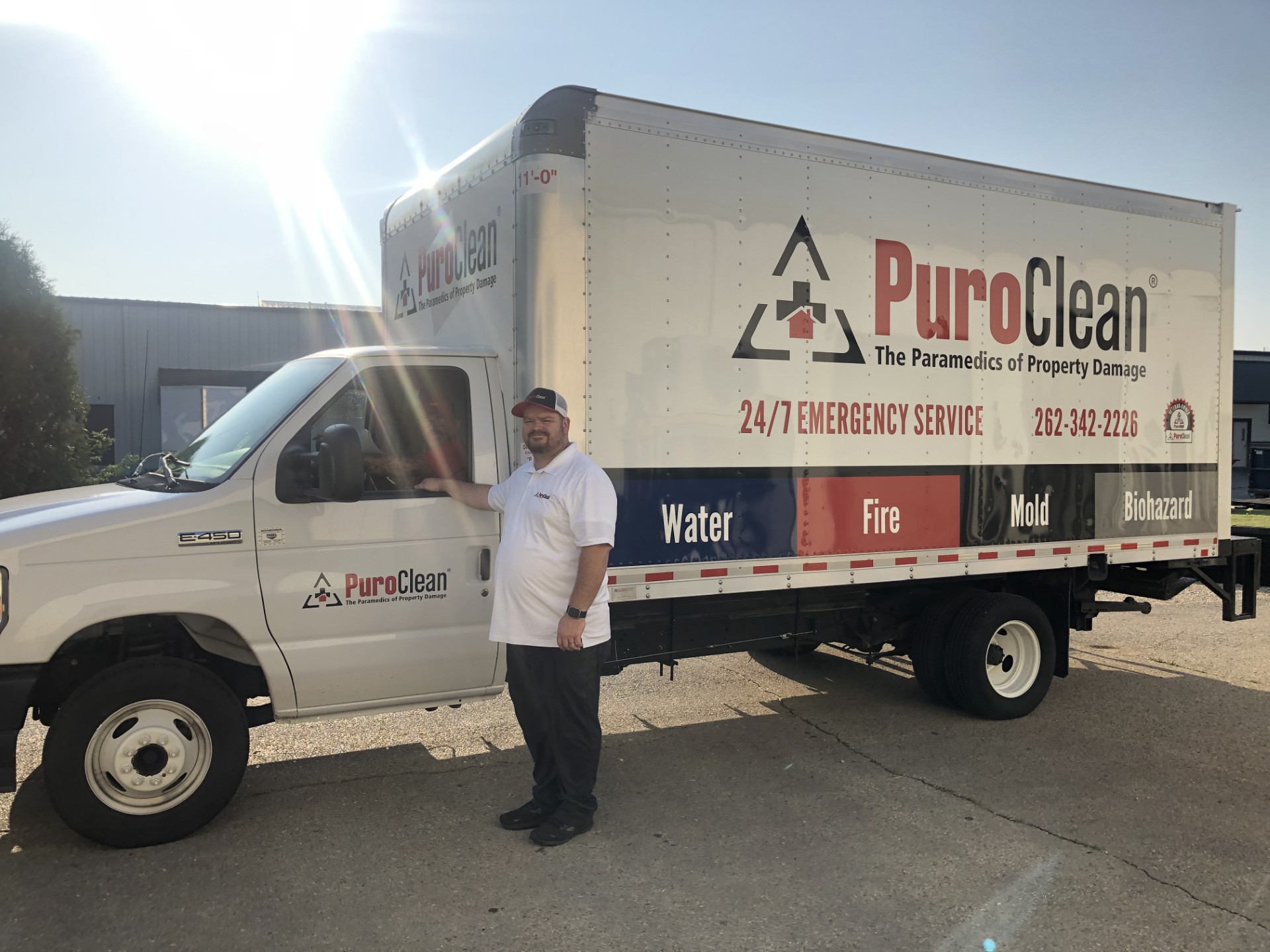
When water damage affects Burlington rental properties, professional restoration protects both landlord and tenant interests.
PuroClean of Burlington provides water damage services for rental properties, including:
✓ 24/7 Emergency Response coordinating with landlords and tenants ✓ Comprehensive Documentation supporting insurance claims and responsibility determination ✓ Rapid Water Extraction preventing damage escalation ✓ Complete Structural Drying protecting building integrity ✓ Mold Prevention through prompt response and proper drying ✓ Contents Protection salvaging tenant belongings when possible ✓ Insurance Coordination working with both landlord and tenant carriers ✓ Legal Documentation providing reports supporting fair responsibility allocation
Water damage situations we handle:
Burst pipes | Roof leaks | Flooding | Appliance failures | Sewage backups | Storm damage | Plumbing failures
Serving Burlington and southeastern Wisconsin:
Burlington | Lake Geneva | Elkhorn | Delavan | Whitewater | East Troy | Walworth County
Why landlords and tenants choose our services:
💧 Neutral Documentation providing objective damage assessments 💧 IICRC Certified ensuring proper restoration standards 💧 Insurance Expertise maximizing coverage for both parties 💧 Veteran-Owned bringing disciplined service excellence 💧 Rapid Response preventing damage escalation 💧 Complete Services from emergency through reconstruction
Beyond water damage:
Complete mold remediation
Fire damage restoration
Odor control services
Professional restoration protects landlord property and tenant belongings while providing documentation determining fair responsibility.
Water Damage in Your Burlington Rental? Get Professional Help.
PuroClean of Burlington: Serving Landlords and Tenants
☎️ CALL NOW: (262) 342-2226
24/7 Emergency Response | Complete Documentation | Insurance Coordination
Fair Objective Service for All Wisconsin Rental Properties
Summary: Water Damage Rental Wisconsin Responsibilities
Water damage rental Wisconsin responsibility depends on the damage source, with landlords paying for repairs from building defects, plumbing failures, roof leaks, and system problems under Wisconsin ATCP 134 habitability requirements, while tenants pay for damage from negligence, misuse, or failure to report problems promptly. Both parties must fulfill notification and response requirements protecting their interests. Landlord property insurance covers buildings and provides appliances, while tenant renter’s insurance covers personal belongings and liability for tenant-caused damage. Proper documentation, including photos, communications, and professional assessments, determines responsibility and supports insurance claims.
Wisconsin law establishes clear standards making landlords responsible for maintaining habitable conditions and most structural water damage while holding tenants accountable for damage from their negligence. Understanding these legal requirements prevents disputes and ensures fair treatment.
When water damage affects Burlington rental properties, call PuroClean of Burlington at (262) 342-2226 for professional restoration, providing objective documentation, proper repairs, and coordination serving both landlord and tenant interests fairly.
PuroClean of Burlington 📞 Call Now: (262) 342-2226 🕒 Available 24/7 — Because disasters don’t wait.
🔗 Quick Links: Instagram | Google Reviews & Directions | Facebook | Pinterest