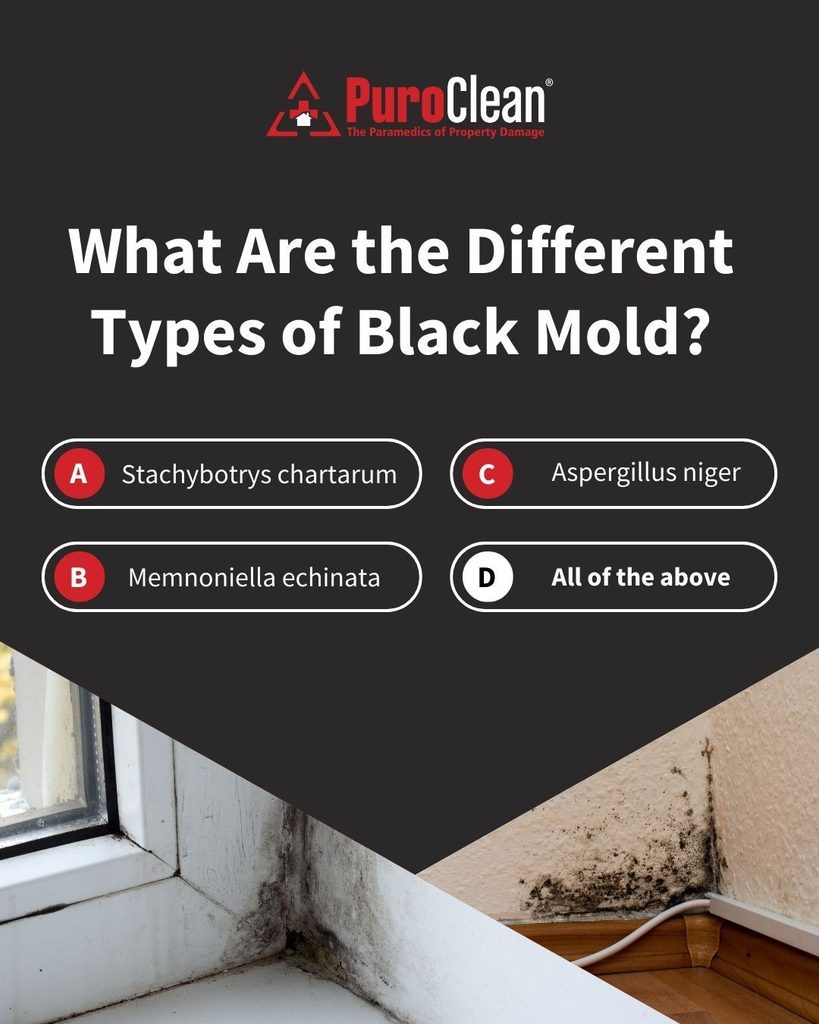
Concerned about mold in your home or business? The licensed and trained mold remediation team at PuroClean of Chattanooga is available to assess moisture issues, contain affected areas, and help restore your property quickly and professionally. Call (423) 910-9950 today.
Mold Can Grow Long Before You See It
A room can look clean, feel dry, and still conceal a moisture problem behind a wall, under flooring, or inside a crawlspace. Knowing the signs of hidden mold gives homeowners and property managers a chance to act before a small leak turns into widespread damage, persistent odors, or disrupted business operations.
Mold needs moisture and a material it can feed on, such as drywall paper, wood framing, carpet backing, insulation, or dust. In Chattanooga and across Hamilton County, humid summers, heavy storms, roof leaks, plumbing failures, and damp crawlspaces can create the conditions mold needs to grow out of sight. The visible spots people associate with mold are only one possible clue.
10 Signs of Hidden Mold to Take Seriously
1. A persistent musty or earthy odor
A musty smell that returns after cleaning is often one of the earliest warnings. The odor may be strongest when you first enter a room, open a closet, run the HVAC system, or step into a basement or crawlspace.
Air fresheners can cover the smell temporarily, but they do not address its source. If the odor is isolated to one area, investigate nearby plumbing, exterior walls, flooring, and any space affected by a prior leak.
2. Stains, rings, or discoloration that keep changing
Yellow, brown, gray, or faint greenish marks on ceilings and walls may point to past or ongoing moisture. Water stains do not automatically mean mold is present, but they show that water reached a building material that needs attention.
A stain that grows, darkens, or reappears after painting is especially concerning. Painting over damaged drywall without correcting the moisture source can trap the problem behind a fresh-looking surface.
3. Bubbling paint, peeling wallpaper, or warped surfaces
Paint that bubbles or flakes without an obvious impact may be reacting to moisture behind the wall. Wallpaper can loosen at seams, and baseboards may separate from the wall as damp materials swell and dry repeatedly.
Likewise, laminate flooring that lifts, hardwood that cups, or vinyl that loosens can signal moisture below the surface. The cause might be a slow appliance leak, a failed supply line, water entering through an exterior wall, or moisture moving up from a slab or crawlspace.
4. Condensation where it should not be
Condensation on a bathroom mirror after a shower is normal. Persistent moisture on windows, exterior-facing walls, ductwork, or pipes is different. It can indicate poor ventilation, excess indoor humidity, or a temperature difference that allows moisture to collect repeatedly.
That recurring dampness can support mold growth around window frames, behind furniture placed against cool walls, or inside utility closets. In a commercial setting, check areas around refrigeration equipment, restrooms, break rooms, and mechanical spaces.
5. A history of water damage, even if it seemed minor
Mold can begin growing quickly after materials remain wet. A burst pipe, overflowing sink, roof leak, storm intrusion, or dishwasher leak may have been cleaned up on the surface while water remained under flooring or inside a wall cavity.
Do not assume a problem is resolved because the floor feels dry today. Ask whether wet carpet padding, drywall, insulation, cabinets, or subflooring were properly dried. The longer water sat, the more reason there is to have the affected area evaluated.
6. Dampness in a basement, crawlspace, or attic
These spaces are easy to overlook because they are not part of daily life. Yet they are common locations for hidden mold. A damp crawlspace may have poor drainage, plumbing leaks, exposed soil moisture, or inadequate moisture control. An attic may collect moisture from a roof leak or improperly vented bathroom exhaust.
Look for wet insulation, darkened wood, rusted fasteners, damp soil, standing water, or a strong odor. Avoid disturbing suspicious growth or removing contaminated materials yourself, particularly in a confined crawlspace where conditions can be difficult and unsafe.
7. Unexplained allergy-like symptoms in one location
Some people notice sneezing, coughing, throat irritation, watery eyes, or congestion that seems worse in a particular room or building. These symptoms can have many causes, including dust, pets, pollen, and ordinary seasonal allergies. They are not proof of mold on their own.
Still, when symptoms consistently appear alongside a musty odor, visible moisture, or a known leak, the pattern deserves attention. A qualified healthcare professional can address health questions, while a restoration professional can inspect the property conditions that may be contributing to poor indoor air quality.
8. Dark spotting around vents, windows, or under sinks
Dark marks near an air vent could be ordinary dust buildup, especially if the vent is dirty. But spotting that returns quickly, spreads onto nearby drywall, or appears where condensation is present should be investigated.
Under-sink cabinets are another frequent trouble spot. A slow drip can wet the cabinet base for weeks before anyone notices. Feel carefully for soft or swollen material, look for corrosion on plumbing connections, and note any odor when the cabinet door is opened.
9. Soft drywall or crumbling wood
Drywall should not feel spongy when gently pressed. Baseboards, window trim, cabinet toe kicks, and wood framing should not crumble, soften, or show unexplained decay. These are often signs that moisture has been present long enough to damage the material itself.
At that point, the issue is more than cosmetic. Damaged materials may need controlled removal, and the area behind them should be inspected to identify the full extent of moisture and possible mold growth.
10. Repeated leaks or high indoor humidity
A repair that stops a leak once is not always a permanent fix. Repeated toilet overflows, recurring roof leaks, sweating pipes, or HVAC drainage issues can keep feeding mold growth. Indoor humidity that stays high also creates a more favorable environment, particularly in lower levels and poorly ventilated rooms.
The key is to correct the source, not just clean the visible evidence. Drying, ventilation improvements, drainage repairs, plumbing repairs, and removal of damaged materials may all be part of the right solution. What is needed depends on where moisture is coming from and how far it traveled.
Where Hidden Mold Commonly Grows
Mold often develops in places people cannot easily see: behind refrigerators and washing machines, beneath carpet or floating floors, inside wall cavities near bathrooms, under kitchen and bathroom sinks, behind furniture against exterior walls, and in HVAC-related areas with condensation. It can also grow on the back side of drywall after a roof or plumbing leak.
For rental homes, multi-unit properties, and commercial buildings, one moisture source can affect more than one space. Water may travel along framing, under flooring, or through ceilings before it becomes visible. That is why the stain in one office or bedroom may not be the true origin of the problem.
What to Do When You Suspect Mold
What To Do If You Suspect Mold
If you notice signs of hidden mold:
✅ Identify and stop active water leaks when safe
✅ Document visible damage with photographs
✅ Move unaffected belongings away from the area
✅ Avoid sanding, scrubbing, or disturbing suspected mold growth
✅ Contact a professional mold remediation company for an inspection
Professional mold remediation begins with identifying the moisture source, assessing affected materials, containing impacted areas, and developing a restoration plan based on the extent of contamination.
PuroClean of Chattanooga provides fast, professional help for property owners who need clarity after a leak, storm, or unexplained moisture problem. The goal is not simply to make the area look better. It is to locate the moisture source, contain the affected area when needed, document the work, and help return the property to a clean, usable condition.
If something smells off, feels damp, or keeps showing up after you clean it, trust that signal. Early action can protect the structure, reduce disruption, and bring peace of mind before hidden moisture has more time to spread.
If you’re dealing with water damage, fire or smoke damage, mold concerns, storm-related loss, or biohazard conditions, PuroClean’s certified restoration professionals are available 24/7 to assess the situation and help you take the right next steps.
Call PuroClean of Chattanooga at (423) 910-9950 or your local PuroClean office to speak with a trained restoration professional and begin the recovery process with confidence.